Failed Polish Insurrection Sparks Russification in Belarusian Territories
Belarus
Political
Cultural
4 min read
Updated By: History Editorial Network (HEN)
Published:
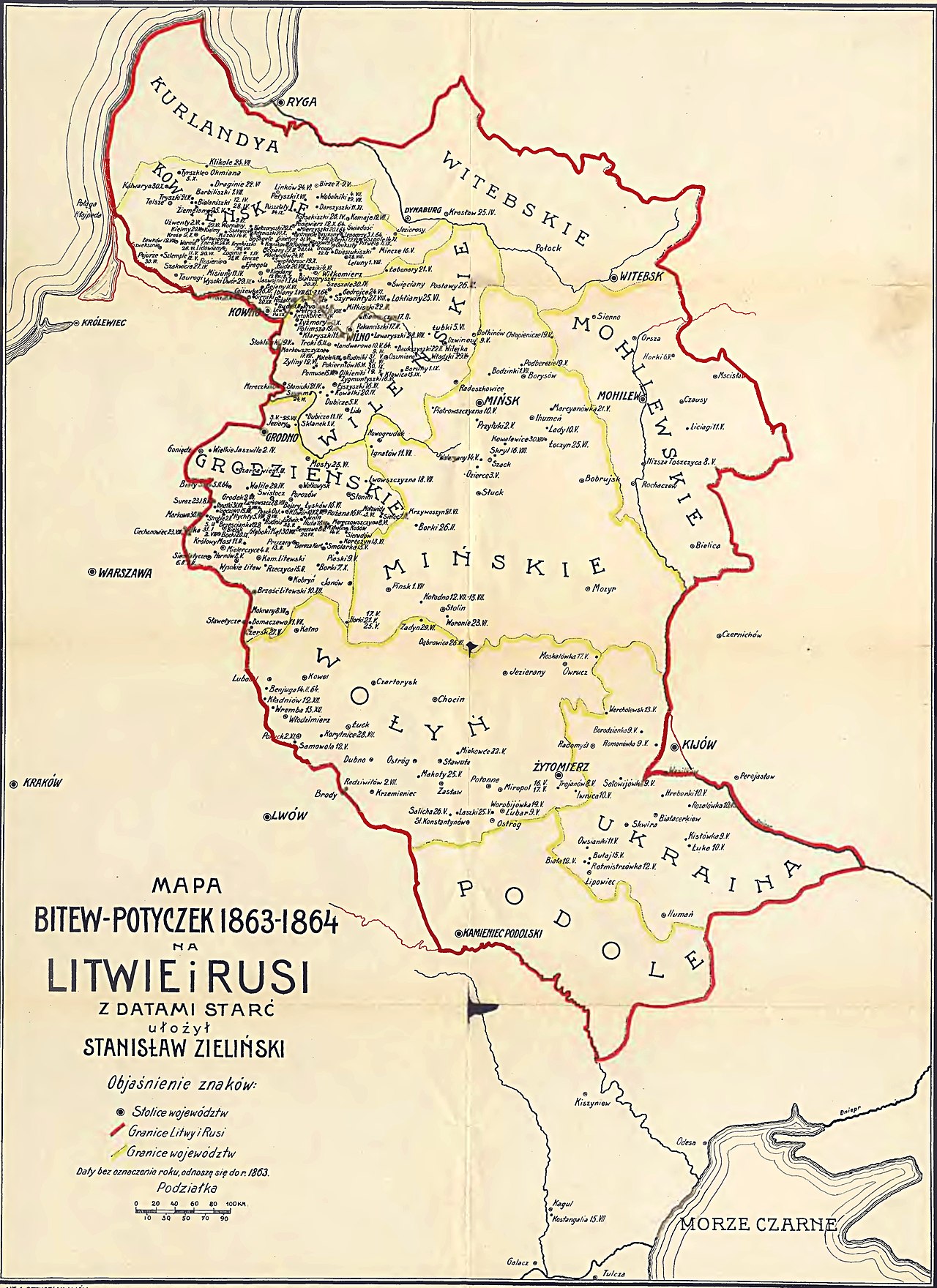
In the 19th century, a failed Polish insurrection against the Russian Empire had repercussions on Belarusian territories. The uprising led to increased Russification policies in the region, aiming to suppress any further unrest and assert Russian dominance. The failed insurrection fueled Russian fears of Polish nationalism spreading to other parts of the empire, prompting stricter measures to subdue dissent.
As a result, the Belarusian territories affected by the failed insurrection faced intensified Russification efforts, including restrictions on language, religion, and cultural practices. Russian authorities imposed measures to promote Russian language and culture while suppressing Belarusian identity and autonomy. This led to the marginalization of Belarusian language and culture in favor of Russian dominance.
The increased Russification policies had a lasting impact on the Belarusian people, shaping their cultural identity and historical trajectory. The suppression of Belarusian language and culture hindered the preservation and promotion of their heritage, leading to a struggle for cultural autonomy and recognition in the following years.
The aftermath of the failed Polish insurrection and the subsequent Russification policies underscored the complex historical dynamics in the region, highlighting the tensions between different ethnic and national identities. The events of that time continue to influence Belarusian society and politics, shaping discussions on language, culture, and national identity.
#Belarus #RussianEmpire #Russification #FailedInsurrection #CulturalIdentity

Explore the Life Moments of
 AI Twin