
Botswana

The Heart of Southern Africa
About
#Botswana
#Africa
#Safari
Life Classification
Country
Life ID
EL5793577971330
Verified Name
Botswana
Life Type
Entity Life
Life Privacy
Public
Subscription
Elite
Created On
2024-07-10
Updated On
2025-12-18
Connect
Related Lives

Mali
The Eyes of Africa

South Korea
The Land of Morning Calm

Armenia
Gateway to Ancient Traditions and Scenic Beauty
President of the Italian Republic
Head of State

Chile
Land of poets and penguins.

Canada
The Great White North

Burundi
The Land of a Thousand Hills

Bosnia and Herzegovina
The Land of Golden Lilies

2025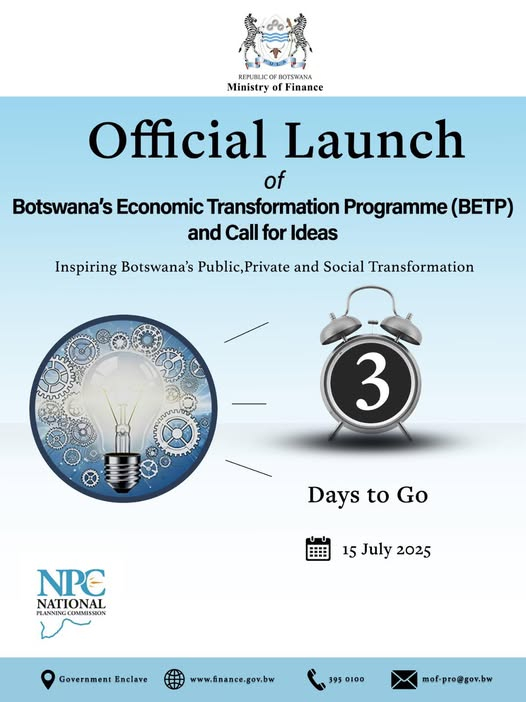
In a decisive push to break diamond dependency, Botswana's President Duma Boko launched the Botswana Economic Transformation Programme (BETP) on July 15, 2025, in Gaborone, unveiling an ambitious blueprint to pivot the economy toward diversification and high-value jobs. Amid a projected 3.1% GDP contraction in 2024 due to slumping global diamond demand—which accounts for over 90% of exports—the program rests on four pillars: shifting to a services-led model, positioning Botswana as a regional financial hub leveraging its stability, attracting long-term investment, and ensuring sustainable growth.
Partnering with Malaysia's PEMANDU Associates—proven in Rwanda and Tanzania—the initiative includes "transformation labs" for key sectors like agriculture, manufacturing, tourism, energy, and digitalization, plus a public Call for Ideas to crowdsource innovations. Proponents hail it as visionary for tackling 27% unemployment and fostering inclusivity, inspired by Singapore and Dubai. Critics caution on execution risks in a fiscally strained context, urging measurable targets. As implementation accelerates via the National Planning Commission, BETP signals Botswana's sprint toward a resilient, globally competitive future.
View details2024
Duma Boko, leader of the Umbrella for Democratic Change (UDC), won the Botswana general election, ending the 58-year rule of the Botswana Democratic Party (BDP). The BDP had been in power since Botswana's independence in 1966. Boko's victory is seen as a major shift in the political landscape of Botswana, which has been noted for its stable and democratic governance.
The election saw high voter turnout, with a significant portion of the electorate expressing a desire for change. According to reports from the Independent Electoral Commission, 70% of registered voters participated in the election. The UDC garnered 52% of the total votes, securing a clear majority in the National Assembly with 38 out of 57 seats. Many analysts attribute this victory to UDC's campaign focusing on addressing corruption, unemployment, and economic diversification, issues that have increasingly concerned the public in recent years.
Boko's win is expected to bring changes in governance and policy direction. The UDC has promised to improve transparency, enhance economic opportunities beyond the mining sector, and create jobs for the youth. The BDP's long tenure had been marked by economic growth and political stability, but recent years had seen growing dissatisfaction over issues such as inequality and limited economic diversification.
In his victory speech, Boko emphasized the need for unity and pledged to uphold democratic principles. He called for immediate action to address unemployment, which stood at 24% according to the latest data from Statistics Botswana, and to diversify Botswana's economy, which is heavily dependent on diamond mining.
The international community has largely welcomed the election results, viewing it as a testament to Botswana's matured democracy. Observers from the African Union and other organizations reported the election process as free, fair, and transparent.
Boko's leadership will be closely watched both domestically and internationally as he takes on the challenges ahead.
#BotswanaElections #DumaBoko #PoliticalChange #Democracy #UDCvictory #MoofLife
View details2016
Botswana commemorated its 50th independence anniversary with a series of events and festivities. The celebration was marked by cultural performances, traditional dances, art exhibitions, and showcasing of local cuisine. The anniversary highlighted the nation's journey towards independence and its achievements over the past decades.
The festivities brought together people from different communities, creating a sense of unity and national pride. It provided an opportunity for the citizens to reflect on their history and the progress made since gaining independence. The event also aimed to honor the leaders and individuals who played significant roles in shaping Botswana's development.
The anniversary celebration helped to promote Botswana's rich cultural heritage and traditions, attracting both local and international visitors. It also served as a platform to showcase the country's economic growth and stability since independence. Overall, the event was a testament to Botswana's resilience and commitment to progress.
#BotswanaIndependence #50thAnniversary #CulturalCelebration #NationalUnity
View details2015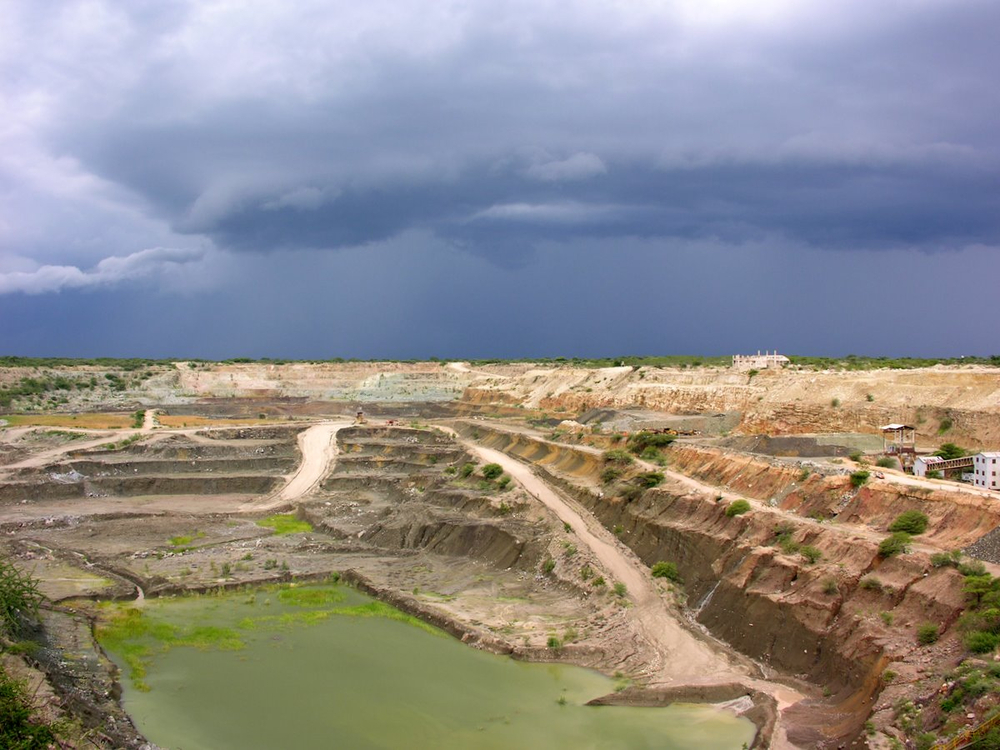
The discovery of a 1,111 carat diamond in the Karowe mine, Botswana, made headlines globally. The mine, owned by a diamond mining company, has a reputation for producing large, high-quality diamonds. The finding of such a massive gemstone was unprecedented in the industry and caused a stir in the diamond market.
The diamond was the second-largest gem-quality diamond ever discovered, and its size and clarity were exceptional. Its estimated value ran into the millions, making it a significant economic boon for Botswana, a country heavily reliant on diamond mining for revenue.
The discovery showcased Botswana's position as a key player in the diamond industry and solidified its reputation for producing some of the world's most valuable diamonds. The event highlighted the importance of the mining sector to the country's economy and demonstrated the potential for future discoveries in the region.
Overall, the finding of the 1,111 carat diamond in the Karowe mine had a profound impact on Botswana's economy and the global diamond trade, underscoring the country's significance in the industry. #Botswana #DiamondIndustry #KaroweMine
View details2014
Botswana took a decisive step by prohibiting hunting in its territories, aiming to safeguard wildlife populations and promote healthy ecosystems. The ban was envisioned as a strategy to combat declining animal numbers, decline in biodiversity, and escalating human-wildlife conflicts that demanded urgent attention. Recognizing the importance of its rich fauna and flora for tourism and ecological balance, the government implemented this measure to nurture sustainable habitats for its iconic species like elephants, lions, and rhinos.
The ban yielded noticeable benefits, including a revival in animal populations, the restoration of natural habitats, and a reduction in human-animal conflicts. The ban significantly boosted the country's reputation as a conservation leader, attracting conservationists, researchers, and eco-tourists to witness and support Botswana's conservation efforts. Despite facing criticism and economic implications, Botswana stayed committed to its decision, emphasizing the long-term benefits to both wildlife and the tourism sector.
The ban on hunting in Botswana underscored a pivotal shift towards prioritizing conservation and sustainable practices, demonstrating that safeguarding wildlife can contribute to environmental protection and economic growth. #Botswana #WildlifeConservation #EcosystemProtection #SustainableTourism
View details2013
De Beers, the leading global diamond company, relocated its rough stone sales operation from London to Gaborone. This move was part of a 2011 agreement between De Beers and the Botswana government to transfer sorting and selling of diamonds to the African country. The decision aimed to boost Botswana's economy by creating jobs and fostering the local diamond industry. The move also aligned with De Beers' commitment to supporting the development of diamond-producing nations.
The relocation had a significant impact on Botswana's economy, as it increased the country’s role in the global diamond market and provided opportunities for local businesses and workers. By moving the operation closer to where the diamonds are mined, the process became more efficient and cost-effective. This shift also signaled a shift in power within the diamond industry, with Botswana gaining more control over its natural resources.
Overall, the move of De Beers' rough stone sales operation to Gaborone marked a milestone in the partnership between the company and Botswana, showcasing a collaborative effort towards sustainable economic development and empowerment in the region. #DeBeers #Gaborone #DiamondIndustry #BotswanaEconomy
View details2011
A pivotal event in Botswana occurred when an appeals court reversed a ruling that had prevented the Basarwa bushmen from drilling for water on their ancestral land. The Basarwa community had been fighting for their rights to access water sources crucial for their survival and cultural practices. The initial court order that barred them from drilling for water had caused distress and hindered their way of life.
However, the appeals court's decision brought relief and empowerment to the Basarwa bushmen, recognizing their need for water as a fundamental right. This verdict was a significant victory for indigenous rights and environmental justice in Botswana.
The event marked a turning point in the ongoing struggle for land and resource rights for the Basarwa community, setting a precedent for future legal battles. It also shed light on the broader issue of indigenous rights and the importance of preserving traditional ways of life.
#Botswana #Basarwa #IndigenousRights #WaterRights #LegalVictory
View details2010
Survival International, an organization advocating for indigenous rights, urged a global boycott of Botswanan diamonds to protest the displacement of the Bushmen tribe from their ancestral lands in the Central Kalahari Game Reserve. The Botswanan government evicted the Bushmen, claiming conservation reasons and forbidding them from hunting and gathering in their traditional territory.
The campaign aimed to raise awareness of the human rights violations faced by the Bushmen and to pressure the Botswanan government to respect their rights. By targeting the diamond industry, which is a significant source of revenue for Botswana, Survival International sought to drive change and secure justice for the indigenous tribe.
The boycott received mixed reactions, with supporters praising it as a means to hold the government accountable for its actions, while critics argued that it could harm the livelihoods of innocent workers in the diamond industry. Despite the controversy, the campaign succeeded in drawing attention to the plight of the Bushmen and sparked debates on indigenous rights and land ownership in Botswana.
#SurvivalInternational #BoycottDiamonds #IndigenousRights #Botswana #BushmenTribe #LandDisplacement
View details2009
Botswana, a leading producer of diamonds, made significant progress in its economic recovery by ramping up diamond production. This move played a crucial role in boosting the country's economy. With an increase in diamond output, Botswana saw a rise in revenue from exports, providing a much-needed financial injection into the economy.
The surge in diamond production also had a positive impact on employment opportunities within the country, creating jobs and improving livelihoods for many Botswanans. This development helped alleviate economic pressures and contributed to the overall growth and stability of the nation's economy.
The government's efforts to enhance diamond production reflected a strategic decision to capitalize on one of its most valuable natural resources. By focusing on increasing diamond mining activities, Botswana was able to strengthen its position in the global diamond market and secure a more stable economic future for its citizens.
Overall, the decision to boost diamond production proved to be a pivotal moment in Botswana's economic recovery, signaling a positive trajectory for the country's financial well-being. #Botswana #DiamondProduction #EconomicRecovery #ResourceManagement
View detailsBotswana recently conducted elections, resulting in the ruling Botswana Democratic Party securing a majority. Known for its peaceful democratic processes, Botswana saw high voter turnout and minimal reports of irregularities during the election. The Botswana Democratic Party's victory signifies continued confidence in the party's leadership and policies.
This event reinforces Botswana's stable political environment and commitment to democracy. The smooth transition of power showcases the country's respect for the rule of law and peaceful transfer of authority. The outcome also reflects the electorate's trust in the ruling party to address key national issues and drive progress.
The successful elections in Botswana highlight the country's dedication to upholding democratic values and principles. The government's ability to oversee a transparent and fair electoral process sets a positive example for other nations in the region. Overall, Botswana's peaceful elections with the ruling Botswana Democratic Party securing a majority underscore the country's democratic maturity and political stability.
#Botswana #DemocraticParty #PeacefulElections #PoliticalStability
View details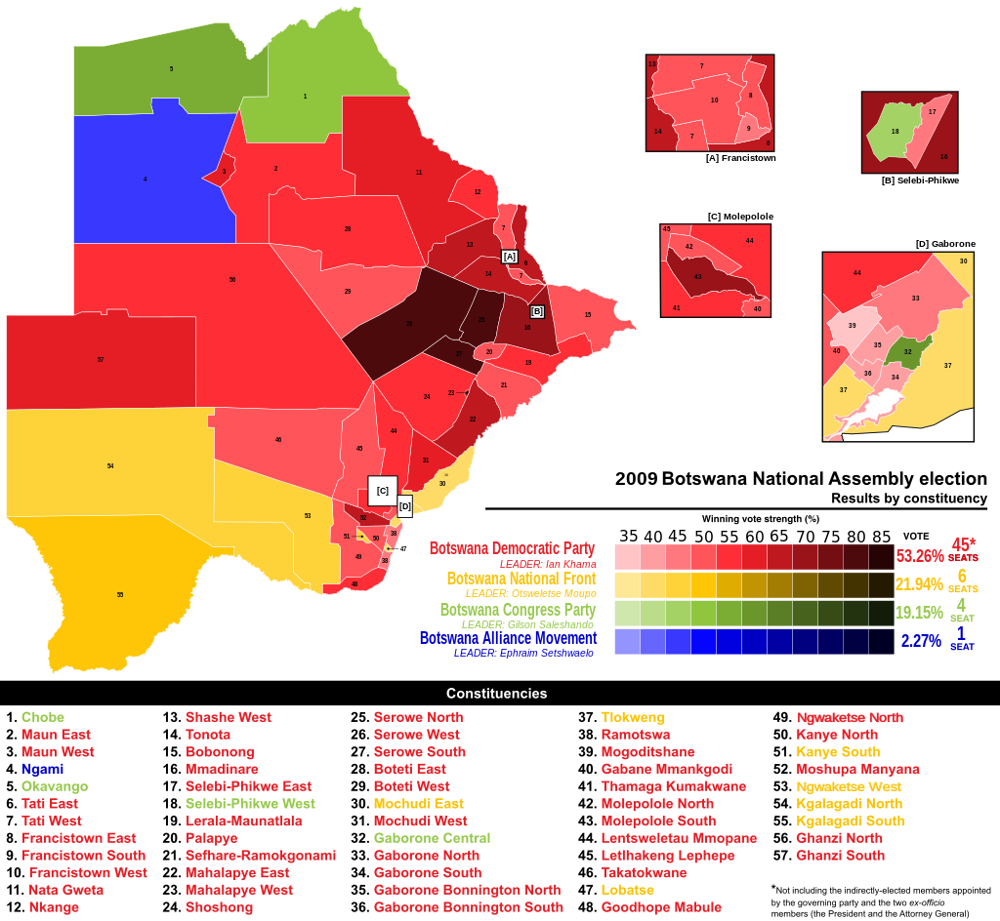
2008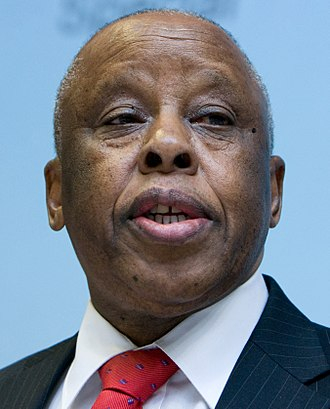
Former President Festus Mogae of Botswana was awarded the $5 million Ibrahim Prize for Achievement in African Leadership. The prize recognizes his exceptional leadership and good governance during his tenure. Mogae's efforts in maintaining stability, democracy, and economic growth in Botswana were acknowledged by the Mo Ibrahim Foundation.
During his presidency, Botswana experienced significant development, with a focus on education, healthcare, and economic diversification. Mogae's commitment to fighting HIV/AIDS garnered international praise, as Botswana became a model for its effective response to the epidemic.
The Ibrahim Prize aims to promote good governance in Africa by encouraging leaders to prioritize the well-being of their citizens and uphold democratic principles. By awarding Mogae, the foundation highlighted the importance of transparency, accountability, and strong institutions in ensuring sustainable development and progress on the continent.
Mogae's win serves as a reminder of the positive impact that visionary leadership and good governance can have on a nation's development trajectory. His legacy continues to inspire current and future leaders to prioritize the needs of their people and work towards building a better future for all citizens. #FestusMogae #IbrahimPrize #GoodGovernance #BotswanaLeadership
View detailsOn March 10, 2008, Diamond Trading Company Botswana (DTC Botswana) officially commenced operations at its state-of-the-art diamond sorting and valuing facility in Gaborone, Botswana. This moment marked a significant milestone in the country’s diamond industry, reinforcing Botswana’s role as a global leader in diamond processing and value addition.
DTC Botswana is a 50/50 joint venture between the Government of Botswana and the De Beers Group. It was established to sort and value rough diamonds from Debswana Diamond Company, another joint venture between the same partners, which is responsible for the majority of Botswana's diamond mining.
A Game-Changer in Diamond Sorting
The Gaborone facility is the largest and most advanced diamond sorting and valuing operation in the world, capable of sorting up to 45 million carats annually. The facility's opening was a crucial step in Botswana’s vision of transitioning from merely a diamond producer to a major player in diamond beneficiation—processing, cutting, and trading.
Before the establishment of DTC Botswana, most of Botswana’s rough diamonds were sent to London for sorting and valuation. However, this shift allowed the country to retain more value from its natural resources, create jobs, and develop local expertise in the diamond industry.
Impact on Botswana's Economy and Industry
The facility has been instrumental in:
Creating employment: Hundreds of jobs were generated, particularly in sorting and valuation roles.
Developing skills: The workforce was trained in advanced diamond valuation and sorting techniques, elevating Botswana’s expertise in the industry.
Strengthening the local economy: By keeping diamond processing within Botswana, the country benefited from increased revenue and investment in local businesses.
Enhancing Botswana’s global standing: The move solidified Botswana’s reputation as a leader in ethical and responsible diamond production.
DTC Botswana's establishment was part of a broader strategy to transform Botswana into a major diamond hub, which later led to the relocation of De Beers’ global diamond sales operations from London to Gaborone in 2013.
#DiamondsOfBotswana #EconomicGrowth #MomentsOfLife #MoofLife_Moment #MoofLife
View details
2006
A group of Bushmen in Botswana successfully fought a legal battle to retain their ancestral lands. The lands, located in the Central Kalahari Game Reserve, hold great cultural and historical significance for the Bushmen community. The government had previously forced the Bushmen to leave, citing conservation efforts and restrictions on hunting practices.
Despite facing resistance from the government, the Bushmen persevered and took their case to court. After a prolonged legal process, the High Court ruled in favor of the Bushmen, granting them the right to stay on their lands and continue their traditional way of life. The ruling was a landmark victory for indigenous rights and set a precedent for similar cases around the world.
The decision had a profound impact on the Bushmen community, allowing them to reconnect with their heritage and preserve their cultural practices for future generations. It also highlighted the importance of respecting indigenous land rights and the need for governments to involve local communities in land management decisions.
#Bushmen #IndigenousRights #LandRights #Botswana #CulturalHeritage #LegalVictory
View details2004
On August 1, 2004, employees at Botswana's largest diamond-mining company initiated a significant strike over pay disputes. This event, rooted in the workers' demands for fair wages, underscored the critical issues of income inequality and labor rights within the industry. As Botswana is renowned for its diamond production, the strike had substantial economic implications, delaying production and resulting in financial losses for the company.
Background
Botswana, a country with a strong economy significantly bolstered by its diamond mining sector, saw its largest diamond-mining company at the heart of this conflict. The company, a major player in the global diamond market, had reported significant profits over the years, but workers felt their compensation did not adequately reflect the company's financial success or their contributions to its operations.
The Strike
The workers' strike was primarily driven by grievances over wages. Employees demanded better pay to match the company’s financial growth, arguing that their hard work was instrumental in achieving these profits. The strike disrupted the company's operations, causing production delays that rippled through the industry and affected global diamond markets.
Economic and Social Impact
The strike’s economic impact was immediate. With production halted, the company faced financial losses, and the effects were felt across Botswana’s economy. Diamonds are a crucial export for Botswana, and any disruption in their production had significant consequences for national revenue.
Socially, the strike brought labor rights and wealth distribution issues to the forefront. The disparity between the company’s profits and workers’ salaries became a topic of national debate, prompting discussions about fair compensation and working conditions in the mining industry. The strike highlighted the workers' essential role in maintaining the company’s operations and the broader economy.
Government and Negotiations
In response to the strike, government officials and company representatives engaged in negotiations with the striking workers. The goal was to reach a resolution that would address the workers' demands while allowing the company to resume normal operations. These negotiations were critical in finding a balance between the interests of the company and its employees.
Legacy and Future Implications
The 2004 pay strike had lasting implications for Botswana's diamond industry. It underscored the importance of fair wages and adequate working conditions, setting a precedent for future labor discussions and regulations. The strike also reinforced the necessity of addressing income inequality and ensuring that economic prosperity benefits all stakeholders, not just the company’s executives and shareholders.
#MomentsOfLife #MoofLife_Moment #MoofLife #Botswana #DiamondIndustry #LaborRights #EconomicInequality #WorkersStrike
View details2003
Botswana commenced the construction of a fence along its border with Zimbabwe in a move to control the spread of foot-and-mouth disease affecting livestock in the region. The decision came after several outbreaks of the disease in cattle and wildlife populations in both countries, leading to economic losses in the agricultural sector. The barrier aimed to prevent the movement of infected animals between the two nations, ultimately safeguarding the health of livestock and maintaining the stability of the farming industry.
The fence construction sparked mixed reactions among local communities and political circles. While some supported the initiative as necessary for disease control, others raised concerns about potential disruptions to traditional migration patterns of wildlife and people. Despite the controversy, Botswana proceeded with the project, citing the need to prioritize animal health and protect the livelihoods of farmers who heavily rely on livestock for income.
The erection of the fence marked a significant development in the relationship between Botswana and Zimbabwe, highlighting the importance of cross-border cooperation in addressing shared challenges such as disease control and agricultural sustainability. The event underscored the complex dynamics of border management in the context of public health and economic considerations.
#Botswana #Zimbabwe #BorderFence #LivestockHealth #FootAndMouthDisease #AgricultureSecurity
View details2002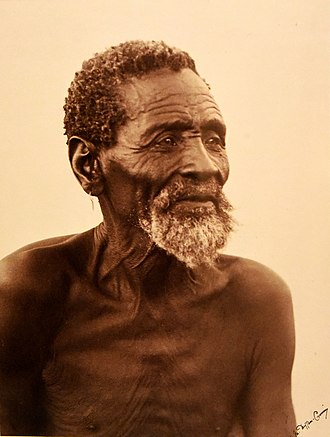
The Kalahari Bushmen challenged their forced eviction in court, arguing for their right to remain on their ancestral land in Botswana. The Bushmen, also known as the San people, have lived in the Kalahari Desert for centuries, relying on traditional hunting and gathering practices for their livelihood.
The government of Botswana, however, had evicted the Bushmen from their land, citing conservation efforts and modernization. The Bushmen contested this decision, asserting their cultural and land rights under international law.
The case garnered international attention, highlighting the clash between indigenous rights and conservation efforts. The court ultimately ruled in favor of the Bushmen, allowing them to return to their ancestral lands. The decision was seen as a significant victory for indigenous peoples' rights and set a precedent for future land rights cases in Botswana.
This legal battle underscored the complexities of balancing conservation efforts with indigenous rights, shedding light on the ongoing challenges faced by indigenous communities around the world. The outcome of the case marked a milestone in the fight for indigenous land rights and cultural preservation.
#KalahariBushmen #LandRights #IndigenousRights #Botswana #LegalVictory
View details2001
In May 2001, Debswana, Botswana’s leading diamond mining company, made history by becoming the first company in the world to provide free Anti-Retroviral (ARV) treatment to its employees. This groundbreaking decision came at a critical time when Botswana had one of the highest HIV prevalence rates globally, with nearly one in three adults living with the virus. The company’s initiative was a progressive step in addressing the HIV/AIDS epidemic, which posed a significant threat not only to public health but also to the workforce and economic stability of the nation.
A Landmark Decision in Corporate Health Responsibility
Debswana’s ARV treatment subsidy covered 100% of the cost for HIV-positive employees and their legally married spouse. This approach went beyond just medical treatment—it provided workers with access to life-saving medication without financial burden, ensuring they could maintain their health, productivity, and livelihood.
At the time, HIV/AIDS was often seen as a personal or governmental issue, with very few corporations taking direct responsibility for employees' medical treatment. Debswana’s move set a precedent for corporate social responsibility, demonstrating that businesses could play a crucial role in combating the epidemic.
The Impact on Botswana and Beyond
Botswana, a country heavily dependent on diamond mining, faced severe economic risks due to the devastating effects of HIV/AIDS on its workforce. The introduction of free ARV treatment by Debswana not only saved lives but also helped maintain the company’s productivity by ensuring that employees remained healthy and able to work.
Debswana’s initiative also influenced other businesses and governments worldwide, highlighting the role of the private sector in public health interventions. The company’s model demonstrated that investing in employees’ well-being could yield long-term benefits, including reduced absenteeism, lower healthcare costs, and a more stable economy.
This moment remains a milestone in the fight against HIV/AIDS, showcasing how corporate leadership and social responsibility can change lives and set new standards in workplace health policies.
#HIVAIDSAwareness #CorporateResponsibility #MomentsOfLife #MoofLife_Moment #MoofLife
View details2000
In Aug-2000, President Mogae of Botswana announced the distribution of free antiretroviral drugs to combat the rising HIV/AIDS epidemic in the country. Botswana had one of the highest prevalence rates of HIV/AIDS globally, with a significant portion of the population affected by the disease. The announcement marked a pivotal moment in the country's healthcare system, as it aimed to provide life-saving medication to those in need.
The decision to offer free AIDS drugs aimed to increase access to treatment, improve the quality of life for individuals living with HIV/AIDS, and reduce the transmission of the virus. By providing medication at no cost, the government hoped to alleviate the financial burden on affected individuals and ensure better health outcomes for the population as a whole.
The implementation of free AIDS drugs in Botswana had a profound impact on the healthcare landscape of the country, shifting the focus towards prevention, treatment, and support for those affected by HIV/AIDS. It also set a precedent for other nations grappling with the HIV/AIDS epidemic to prioritize access to medication and healthcare services for their citizens.
#Botswana #HIVAIDS #Healthcare #AntiretroviralDrugs #PresidentMogae
View detailsFollowing heavy rainfall, Botswana experienced devastating floods that left more than 60,000 people homeless. The floods were primarily caused by overflowing rivers and insufficient drainage systems in the regions of Okavango Delta and Chobe River.
The event had a significant impact on the affected communities, leading to widespread displacement, destruction of homes, loss of livelihoods, and disruption of essential services. The government, along with humanitarian organizations, mobilized resources to provide emergency relief to the affected population, including shelter, food, and medical assistance.
The floods highlighted the vulnerability of communities living in flood-prone areas and the need for improved disaster preparedness and infrastructure to mitigate the impact of such natural disasters in the future.
#Botswana #Floods #Displacement #EmergencyResponse #CommunitySupport
View details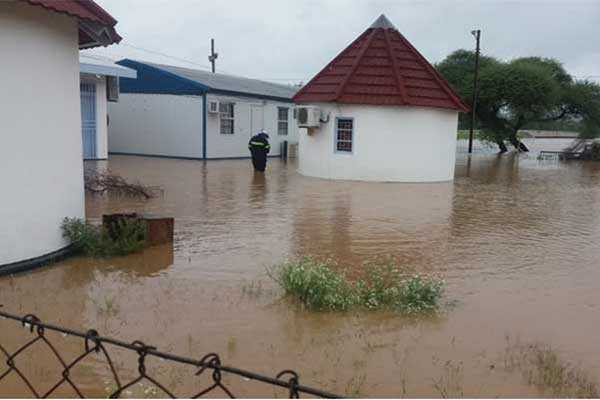
1999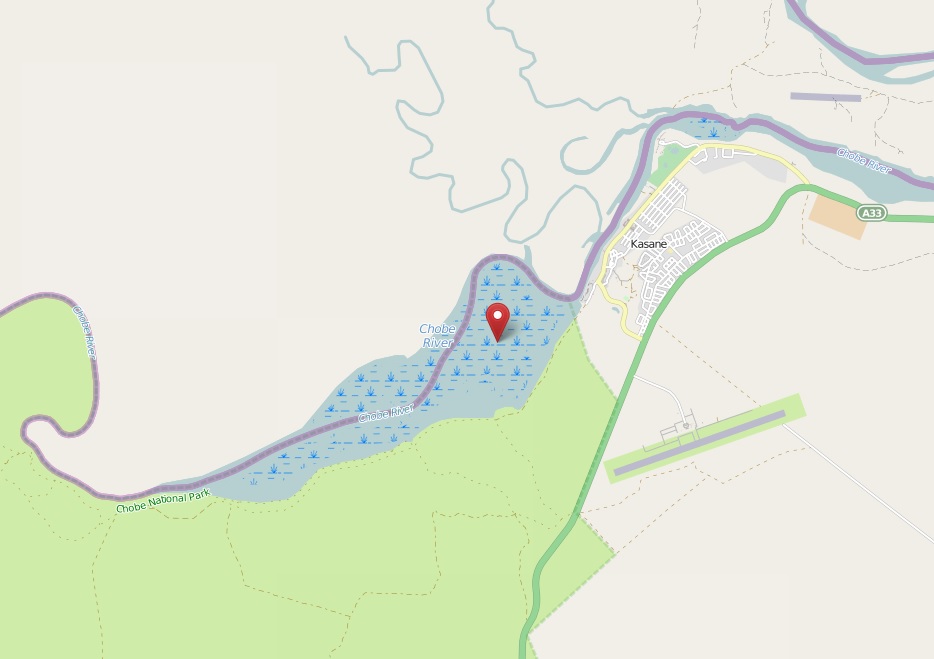
In December 1999, the International Court of Justice ruled in favor of Botswana in the dispute over the Sedudu-Kasikili island. The territory, located on the Chobe River, had been contested by Botswana and Namibia for years due to its strategic location.
The impact of the ruling meant that Botswana gained control over the island, securing its borders and access to the river. This decision strengthened Botswana's territorial integrity and sovereignty, allowing for better management of resources in the region.
The ruling marked a significant moment in the relations between Botswana and Namibia, setting a precedent for peaceful resolution of border disputes through international arbitration. It also highlighted the importance of international law in resolving territorial conflicts.
Overall, the International Court of Justice's decision to grant control of Sedudu-Kasikili to Botswana had a lasting impact on the region, providing clarity on border demarcations and paving the way for cooperation between neighboring countries.
#Botswana #InternationalCourtOfJustice #BorderDispute #TerritorialIntegrity #InternationalArbitration
View detailsBotswana declared a six-day state of emergency due to crippling public sector strikes that paralyzed essential services including healthcare and education. The government invoked emergency powers to maintain order and ensure the continuation of vital operations. The strike was led by public sector workers demanding higher wages and better working conditions. The state of emergency allowed the government to deploy security forces to restore normalcy and address the escalating crisis.
During the state of emergency, essential services were temporarily disrupted, impacting the daily lives of citizens. The government held negotiations with the striking workers to find a resolution, eventually leading to a temporary halt in the strikes.
The declaration of the state of emergency showcased the government's commitment to upholding stability and addressing labor disputes effectively. It emphasized the importance of dialogue and swift actions in resolving conflicts to prevent further disruptions to the nation.
#Botswana #StateOfEmergency #LaborDisputes #PublicSectorStrikes #GovernmentResponse.
View details1995
In 1995, the Botswana government initiated the relocation of bushmen from the Central Kalahari Game Reserve to settlements outside the reserve. The government aimed to modernize the tribal groups' lifestyles and provide access to basic services such as healthcare and education. However, this action faced international criticism as it was seen as a violation of the bushmen's indigenous rights and their traditional way of life centered around hunting and gathering.
The relocation had a significant impact on the bushmen, causing disruption to their cultural practices and social cohesion. Many struggled to adapt to settled life and find employment outside of their traditional skills. Despite some efforts to provide support and assistance, the process led to increased poverty and dependency on government aid among the displaced communities. The bushmen's ties to their ancestral lands were also severed, resulting in a loss of cultural identity and connection to their heritage.
This event underscores the ongoing challenges faced by indigenous communities in Botswana and around the world in preserving their cultures and traditional ways of life in the face of government policies aimed at assimilation and modernization. #Botswana #IndigenousRights #CulturalHeritage #HumanRights
View details1985
South African forces conducted a raid on buildings in Gaborone, resulting in the deaths of 12 individuals. This attack was a part of the apartheid regime's efforts to target anti-apartheid activists who sought refuge in neighboring countries like Botswana. The raid was met with international condemnation and further strained relations between Botswana and South Africa.
The impact of the raid was profound, as it highlighted the vulnerability of activists in exile and the lengths to which the apartheid government would go to suppress dissent. The loss of lives in a sovereign nation's capital also raised concerns about sovereignty and security in the region.
The incident sparked outrage and led to calls for justice and accountability. It underscored the need for stronger international pressure to dismantle the apartheid regime and support the liberation movements in southern Africa.
The raid in Gaborone serves as a reminder of the sacrifices made in the struggle against apartheid and the importance of solidarity among nations in the fight for freedom and justice.
#Apartheid #Botswana #SouthAfrica #AntiApartheid #Gaborone #PoliticalViolence
View details1980
Botswana joined the Southern African Development Coordination Conference (SADCC) as a founding member in 1980. The formation of SADCC aimed to promote economic development and reduce dependence on apartheid South Africa. By becoming a member, Botswana sought to bolster regional cooperation, strengthen infrastructure, and enhance trade opportunities.
The decision for Botswana to join SADCC was significant as it marked a shift towards regional collaboration and economic diversification. The country's participation in SADCC provided access to a larger market and allowed for the development of key industries such as mining and agriculture. This move also helped improve diplomatic relations with neighboring countries and fostered a sense of solidarity among Southern African nations.
Botswana's involvement in SADCC paved the way for increased investment, improved infrastructure, and enhanced regional integration. It played a crucial role in shaping the economic landscape of Southern Africa and promoting sustainable development across the region. The decision to join SADCC underscored Botswana's commitment to fostering growth and prosperity within the African continent.
#Botswana #SADCC #RegionalDevelopment #EconomicCooperation #AfricanSolidarity
View details1979
Botswana became the backdrop for the film 'The Gods Must Be Crazy' in 1980. The movie showcased the semi-arid landscapes and rich culture of the country, portraying the story of a San tribesman encountering modern civilization for the first time when a Coca-Cola bottle is thrown from a passing airplane. The film brought international attention to Botswana's unique environment and indigenous communities.
The production of 'The Gods Must Be Crazy' had a significant impact on Botswana's tourism industry, as viewers became captivated by the country's stunning scenery. The film also shed light on the San people, highlighting their traditional lifestyle and the challenges they faced in a rapidly modernizing world. This exposure contributed to a greater awareness of indigenous rights and cultural preservation efforts in Botswana and beyond.
The success of 'The Gods Must Be Crazy' also boosted the reputation of Botswana as a prime filming location, attracting more productions to showcase the country's natural beauty. The film's legacy endures, serving as a cultural touchstone for Botswana and a reminder of the importance of respecting diverse traditions and ways of life.
#Botswana #TheGodsMustBeCrazy #CulturalPreservation #FilmIndustry #IndigenousRights
View details1977
In March 1977, the Botswana Defence Force (BDF) was established to safeguard the nation's sovereignty and security. Prior to this, Botswana relied on British military assistance. The formation of the BDF marked a significant step towards self-reliance and autonomy in defense matters.
The BDF was created following tensions along the border with Rhodesia (now Zimbabwe) and growing regional instability. The new force was tasked with protecting Botswana's borders, maintaining internal stability, and supporting peacekeeping efforts in the region.
Since its establishment, the BDF has played a crucial role in peacekeeping operations, both regionally and internationally. They have been involved in various missions, including those in countries like Angola, Mozambique, and more recently in Darfur and Somalia.
The presence of the BDF has not only enhanced Botswana's defense capabilities but has also contributed to regional stability and security. The force has earned a reputation for professionalism and discipline, gaining respect both domestically and internationally.
The establishment of the Botswana Defence Force was a pivotal moment in the history of the country, demonstrating its commitment to ensuring its own security and playing a proactive role in promoting peace in the region. #BotswanaDefenceForce #Security #RegionalStability
View detailsThe UN Security Council passed a resolution demanding Rhodesia to immediately halt hostilities along the Botswana border. This resolution came after reports of Rhodesian forces conducting military operations in Botswana territory. Rhodesia's actions were seen as a threat to regional security and violated Botswana's sovereignty.
The resolution had a significant impact, as it put pressure on Rhodesia to cease its aggressive actions towards Botswana. It also highlighted the importance of respecting the borders and territorial integrity of sovereign nations. Botswana welcomed the resolution and called for peaceful diplomatic solutions to resolve the conflict.
The event underscored the need for international cooperation to address cross-border conflicts and protect the interests of smaller nations in the region. It also showcased the role of the UN Security Council in maintaining peace and security globally.
#UNSecurityCouncil #Botswana #Rhodesia #BorderConflict #RegionalSecurity #Diplomacy
View details1970
In the 1970s, Botswana achieved a milestone by establishing diplomatic relations with several countries, notably the United States and the Soviet Union. This strategic move aimed to strengthen international ties, foster economic cooperation, and bolster political alliances.
The establishment of diplomatic relations with these global superpowers opened up avenues for trade, investment, and development opportunities for Botswana. It allowed the country to engage in discussions on international affairs, exchange cultural knowledge, and align its foreign policy with influential nations in the global arena.
This development marked a significant step in Botswana's quest for recognition and partnership on the international stage. By forging formal diplomatic ties with the United States and the Soviet Union, Botswana positioned itself as a key player in regional and global affairs, leveraging its newfound relationships to advance its own interests and contribute to international peace and stability.
The diplomatic relations established in the 1970s paved the way for increased cooperation, mutual understanding, and shared progress between Botswana and its international partners. It laid the foundation for ongoing dialogue, collaboration, and engagement in various spheres, shaping Botswana's foreign policy and diplomatic landscape for years to come. #Botswana #Diplomacy #GlobalRelations #UnitedStates #SovietUnion
View details1967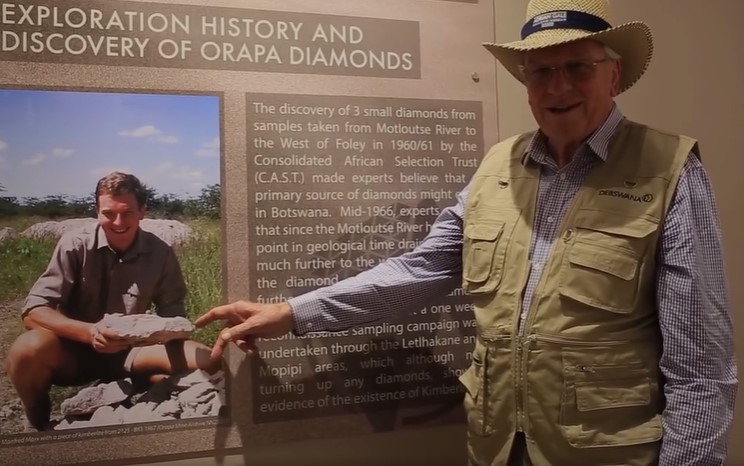
In March 1967, diamonds were found at Orapa, Botswana. This discovery marked a significant turning point in the country's history, transforming its economy and global standing. Orapa quickly became one of the world's largest diamond mines, propelling Botswana to become the largest diamond producer in Africa.
The newfound wealth from the diamond fields allowed Botswana to invest in infrastructure, education, and healthcare, leading to improved living standards for its people. The mining industry also created employment opportunities, attracting workers from across the country and boosting economic growth.
The Orapa diamond discovery solidified Botswana's position as a key player in the global diamond market, attracting international investors and solidifying trade partnerships. The country's diamond industry remains a cornerstone of its economy, contributing significantly to its GDP.
Today, Orapa continues to be a vital hub for diamond mining in Botswana, sustaining the country's economic growth and development. The legacy of the diamonds discovered at Orapa in March 1967 endures, shaping Botswana's present and future as a leading player in the global diamond industry.
#Botswana #Orapa #DiamondDiscovery #EconomicTransformation #MiningIndustry
View details1966
Following years of British colonial rule in Bechuanaland Protectorate, the country achieved independence and underwent a notable transformation by adopting the name Botswana. This move marked a significant milestone in the nation's history, as it granted Botswana the power to govern itself and shape its own future.
The transition to independence was a result of a peaceful and diplomatic process, distinguishing Botswana from many other African nations that gained independence through more turbulent means. Under the leadership of the country's first president, Sir Seretse Khama, Botswana focused on maintaining stability, promoting democracy, and fostering economic development.
The adoption of the name Botswana not only represented a break from its colonial past but also held symbolic significance, emphasizing the nation's unique identity and cultural heritage. This event laid the foundation for Botswana to establish itself as a sovereign state and engage with the international community on its own terms.
In the years following independence, Botswana experienced steady economic growth, driven in large part by its diamond mining industry. The country also gained recognition for its stable democracy, good governance practices, and commitment to peace and diplomacy in the region.
Today, Botswana continues to uphold these values and remains a noteworthy example of successful post-colonial nation-building in Africa. #Botswana #Independence #Sovereignty
View details