
Botswana

The Heart of Southern Africa
Related Lives

Mali
The Eyes of Africa

South Korea
The Land of Morning Calm

Armenia
Gateway to Ancient Traditions and Scenic Beauty
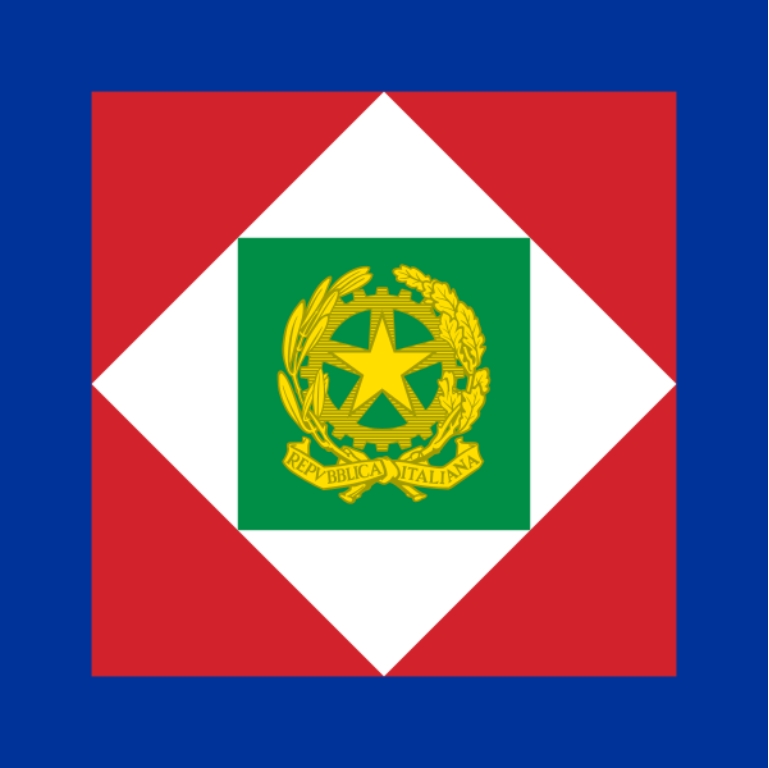
President of the Italian Republic
Head of State

Comoros
A Blend of Cultures, Natural Beauty, and Challenges

Netherlands
The Land of Tulips and Windmills

Russia
The Slavic Giant

Australia
The Land Down Under

1966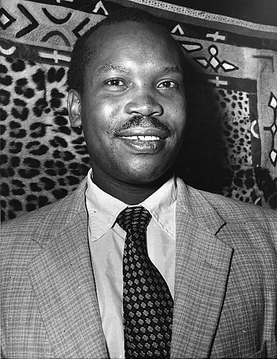
After leading Botswana to independence, Sir Seretse Khama assumed the role of the first President. His journey to leadership began when he married a British woman, causing controversy due to racial prejudice and colonial attitudes. Despite facing challenges, Khama's integrity, leadership skills, and vision for a united and prosperous Botswana earned him widespread support.
As President, Khama prioritized education, healthcare, and infrastructure development, laying the foundation for Botswana's future success. His commitment to democracy and good governance established Botswana as a stable and thriving nation in a region plagued by political instability.
Under his leadership, Botswana experienced economic growth, social progress, and international recognition for its peaceful and democratic values. Khama's presidency marked the start of a new era of self-determination and progress for the people of Botswana.
#SeretseKhama #BotswanaIndependence #FirstPresident #Democracy #Development
View details1965
Following Botswana's independence from British colonial rule, the decision was made to establish Gaborone as the new administrative center of the country in 1965. This move was strategic, aiming to centralize government operations and services to better serve the growing nation.
Gaborone's transformation into the administrative hub brought significant changes to the city. Infrastructure development surged, with new government buildings, residential areas, and amenities rapidly constructed to accommodate the expanding population of civil servants and their families. The city's economy boomed as businesses catering to the administrative sector flourished, creating employment opportunities and boosting local commerce.
The shift of the administrative center to Gaborone had a profound impact on the city's social and cultural landscape. The influx of civil servants from various parts of the country led to a blending of diverse cultures, enriching the city's fabric with a vibrant tapestry of traditions and practices.
The decision to make Gaborone the administrative center marked a pivotal moment in Botswana's history, solidifying the city's role as the political and economic heartbeat of the nation. The legacy of this event continues to shape Gaborone's identity as a dynamic and cosmopolitan capital city.
#Gaborone #AdministrativeCenter #Botswana #CityDevelopment
View detailsIn 1965, Botswana Democratic Party (BDP) secured victory in the country's inaugural post-independence general elections. The BDP, under the leadership of Sir Seretse Khama, emerged triumphant following Botswana gaining independence from British colonial rule. The election marked a pivotal moment in Botswana's history, solidifying the BDP's position as the ruling political party.
The BDP's success in the elections laid the foundation for political stability and democratic governance in Botswana. Sir Seretse Khama, who later became the country's first president, played a crucial role in steering Botswana towards progress and development during its early years of independence. The BDP's victory reflected the trust and confidence placed in the party to lead the newly independent nation towards prosperity.
The outcome of the elections signaled a smooth transition from colonial rule to self-governance, setting a precedent for peaceful democratic transitions in Botswana. The BDP's win solidified its position as a dominant political force in the country's political landscape, shaping Botswana's trajectory in the years to come.
#BotswanaIndependence #BDPVictory #SirSeretseKhama #PoliticalStability
View details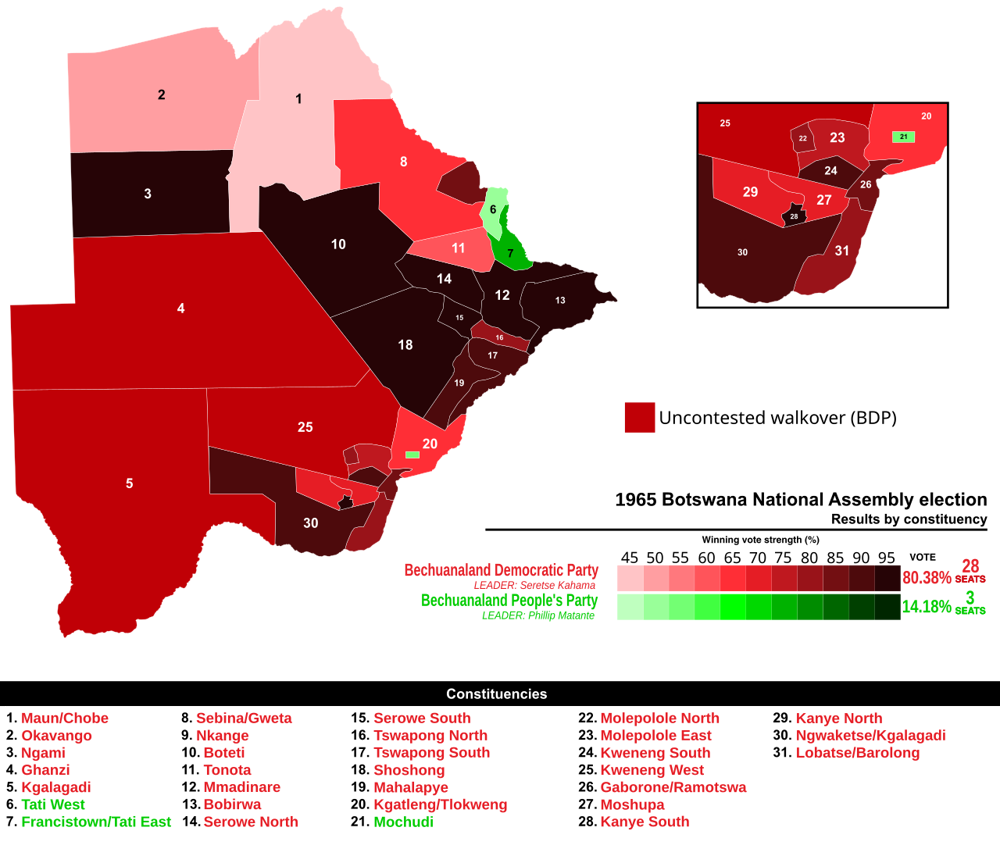
1964
Following the relocation of the Tlokwa tribe from Mafikeng, the town of Gaberones {modern-day Gaborone} was established. The decision was influenced by the availability of water from the Notwane River and the central location of the area. The tribal leader, Kgosi Gaborone, played a key role in the establishment, naming the town after himself.
The establishment of Gaberones brought new opportunities for the Tlokwa tribe, leading to economic growth and development of the area. The town soon became a hub for trade and administration, attracting people from neighboring regions. This influx of people contributed to the cultural diversity of the town and promoted peaceful coexistence among different tribes.
The strategic location of Gaberones along trade routes further boosted its significance, turning it into a bustling commercial center. Over time, the town expanded rapidly, attracting even more settlers and becoming a key player in the region's economy.
Today, Gaborone stands as the capital and largest city of Botswana, a symbol of growth and development rooted in the establishment of the town by the Tlokwa tribe. The legacy of this event continues to shape the cultural landscape and economic prosperity of the region.
#Gaborone #TlokwaTribe #EconomicGrowth #CulturalDiversity #Botswana
View details1961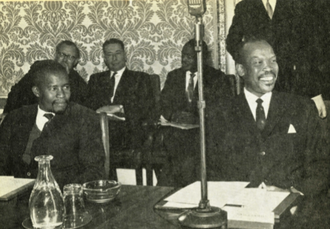
Seretse Khama was appointed to the Executive Council in an unprecedented move that marked a significant step in Botswana's political landscape. Khama, a charismatic leader and the first President of Botswana, had shown exceptional leadership qualities and a commitment to the country's development.
His appointment to the Executive Council was a recognition of his strategic vision and ability to navigate the complexities of governance. It also showcased the government's willingness to embrace a new generation of leaders and promote inclusivity in decision-making processes.
Khama's presence in the Executive Council brought a fresh perspective and dynamism to the policymaking body. His focus on social welfare, economic development, and diplomacy played a crucial role in shaping Botswana's future trajectory.
Overall, Seretse Khama's appointment to the Executive Council was a turning point in Botswana's political history, signaling a shift towards more progressive and inclusive governance. It laid the foundation for a new era of leadership that prioritized the well-being and prosperity of all citizens. #SeretseKhama #BotswanaLeadership #InclusiveGovernance
View details1959
In 1959, a transformative event unfolded in Botswana as copper mines were established. The discovery of copper ore deposits spurred economic growth and development in the region. With the establishment of the mines, job opportunities increased, attracting workers from various parts of the country. This influx of labor contributed to urbanization and the growth of surrounding communities. The revenues generated from copper mining bolstered the country's economy, providing funds for infrastructure projects and social programs.
The establishment of copper mines not only brought economic prosperity but also raised the global profile of Botswana as a mineral-rich nation. The mining sector became a crucial pillar of the country's economy, diversifying it from traditional agricultural practices. However, the environmental impact of mining activities also became a concern, leading to efforts to mitigate pollution and promote sustainable practices.
This event marked a turning point in Botswana's history, shaping its economic trajectory and positioning the country as a player in the global mining industry. The legacy of the copper mines lives on, leaving a lasting impact on the socio-economic landscape of Botswana. #Botswana #CopperMining #EconomicDevelopment #MiningIndustry
View details1952
Following Seretse Khama's exile, rioters took to the streets in protest. Khama, heir to the chieftainship of the Bamangwato people, had married a white woman, Ruth Williams, which stirred controversy among the British government, who exiled him from Bechuanaland.
The protest was fueled by the public's discontent with the British government's interference in their traditional leadership system. Khama was a popular and respected figure among the Bamangwato people, and his exile was seen as an affront to their autonomy and rights.
The rioters demanded the return of Khama and his wife and called for the restoration of his chieftainship. The protests escalated as the community sought to express their solidarity with Khama and opposition to colonial authorities.
The exile of Seretse Khama sparked a sense of unity and defiance among the people of Bechuanaland, who were determined to stand up against external interference and preserve their cultural heritage and leadership traditions.
The protest at Seretse Khama's exile marked a pivotal moment in the history of Botswana, showcasing the resilience and determination of its people in the face of colonial oppression. #SeretseKhama #BotswanaProtest #ColonialInterference
View details1950
Chief of the Ngwato, Seretse Khama, faced a challenging ordeal following his marriage to a white woman, Ruth Williams. The interracial union stirred controversy among the British government, tribal elders, and the apartheid regime in South Africa. In response, the British Colonial Office pressured Seretse Khama to abdicate his position as chief, citing concerns over racial tensions and threats to the stability of the region.
Subsequently, Seretse Khama was deposed from his chieftainship and exiled from his homeland of Bechuanaland, now known as Botswana. The British government's actions were met with outrage from the local population, who viewed the decision as unjust and politically motivated. Despite his exile, Seretse Khama continued to fight for the rights of his people and eventually returned to lead Botswana to independence.
The exile of Chief Seretse Khama highlighted the complex dynamics of race, power, and colonialism that shaped the political landscape of Southern Africa. It underscored the enduring legacy of colonialism and the struggles faced by individuals who challenged the racial norms of the time. Ultimately, Seretse Khama's resilience and determination paved the way for Botswana's independence and set a precedent for interracial relationships in the region.
#BotswanaHistory #ColonialismLegacy #InterracialMarriage #PoliticalExile
View details1932
Diamond mining commenced in Bechuanaland, heralding a new era for the region's economy. The discovery of valuable diamond deposits sparked interest from foreign investors, leading to the establishment of mining operations. This development significantly transformed the previously agrarian-based economy, paving the way for industrial growth and job creation.
The mining industry in Bechuanaland boomed as diamond production surged, attracting workers from across the country and stimulating urbanization around the mining sites. The newfound wealth from diamond exports also provided the government with resources to invest in infrastructure and social programs, improving the overall quality of life for its citizens.
The impact of diamond mining in Bechuanaland was profound, shaping the country's economic landscape for years to come. The growth of the mining sector not only contributed to substantial revenue generation but also positioned Bechuanaland as a key player in the global diamond market.
#DiamondMining #EconomicTransformation #IndustrialGrowth #Botswana
View details1920
After the establishment of the Bechuanaland Protectorate, the British introduced indirect rule in the region in 1920. The strategy involved governing through local tribal leaders, preserving their authority while ensuring British control. This system aimed to maintain stability and British influence without significant direct involvement in local affairs.
The introduction of British indirect rule in Bechuanaland had a profound impact on the political and social landscape of the region. It solidified British control and influence, shaping the future trajectory of governance in what would later become Botswana. Local traditions and structures were maintained, but under the overarching authority of the British colonial administration.
Through indirect rule, the British were able to govern Bechuanaland with relatively minimal resources and personnel, relying on indigenous leaders to carry out their policies. This approach facilitated the exploitation of the region's natural resources and the implementation of British laws and regulations.
Overall, the introduction of British indirect rule in Bechuanaland marked a pivotal moment in the history of the region, setting the stage for the colonial legacy that would shape Botswana's development in the years to come.
#BritishColonialism #IndirectRule #BotswanaHistory
View details1890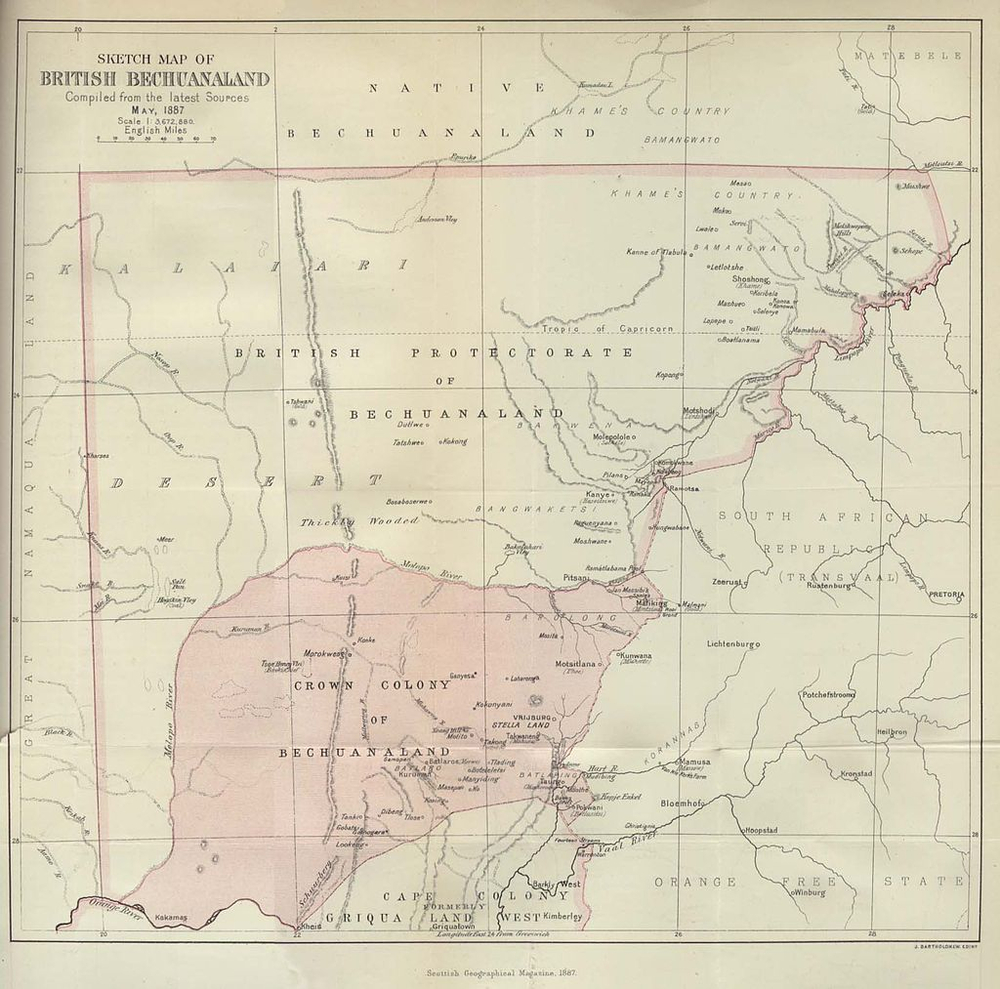
In 1890, the British protectorate was expanded to include the area around the Chobe River. This extension came as part of the broader British imperial expansion in southern Africa during the late 19th century. The Chobe River served as a strategic waterway for trade and transportation, making it a valuable addition to the British territory.
The extension of the British protectorate to the Chobe River had significant implications for the local people and their way of life. It brought changes in governance, trade regulations, and interactions with neighboring communities. The British presence also meant the enforcement of new laws and customs in the region.
This event marked a shift in power dynamics and territorial control in the area, with British authorities exerting influence over the local population and resources. The Chobe River region became integrated into the broader British colonial administration in the region, impacting the daily lives and livelihoods of those living along its banks.
The extension of the British protectorate to the Chobe River underscores the complexities of colonialism and its lasting effects on the social, economic, and political landscape of present-day Botswana.
#BritishColonialism #ChobeRiver #BotswanaHistory
View details1885
Following the establishment of Bechuanaland Protectorate in southern Africa, the British colonial administration was formed, initiating direct British influence in the region. This marked a pivotal shift in governance and brought about significant changes to the political landscape of the territory.
Under the new administration, British officials took control of the local government, introducing policies and regulations that aimed to assert British authority and influence over the indigenous population. This shift towards colonial rule had a lasting impact on the socio-economic dynamics of the region, shaping the future development and governance of the Protectorate.
The formation of the British colonial administration in Bechuanaland Protectorate marked a turning point in the history of the region, paving the way for increased British presence and influence in the years to come. The legacy of this event continues to be felt in modern-day Botswana, shaping its political and social structures.
#BritishColonialism #BechuanalandProtectorate #DirectInfluence #Governance #Botswana
View detailsIn 1885, a critical agreement was reached between Britain and local Tswana chiefs, leading to the establishment of the Bechuanaland Protectorate. This treaty aimed to safeguard Tswana lands from encroaching threats posed by Boer settlers and Ndebele warriors. As tensions escalated in the region due to competition for land and resources, the protection of Tswana territories became imperative.
The treaty marked a significant turning point in the history of Botswana, ensuring the preservation of Tswana sovereignty and the prevention of external territorial aggression. By becoming a British Protectorate, Botswana was shielded from further incursions, maintaining its autonomy and way of life. The agreement empowered local chiefs, providing a legal framework for governance and protection of their lands.
The establishment of the Bechuanaland Protectorate was crucial in shaping the future trajectory of Botswana, laying the foundation for its independent status and territorial integrity. It fostered stability, peace, and development within the region, setting a precedent for diplomatic resolutions to safeguard indigenous lands and populations.
#BechuanalandProtectorate #TswanaChiefs #BritishAgreement #BotswanaHistory
View details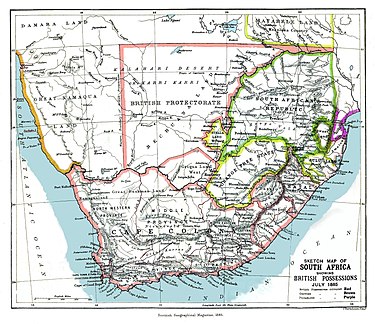
1870
In 1870, European missionaries arrived in Botswana with the aim of spreading Christianity among the local population. This event marked a significant shift in the religious landscape of the region, introducing new belief systems and practices to the indigenous communities.
The missionaries established churches and schools, providing education and healthcare services alongside their religious teachings. Their presence brought about social changes, as people began to adopt new customs and ways of life influenced by Christian values.
The arrival of European missionaries in Botswana had a lasting impact on the cultural and spiritual fabric of the country, contributing to the shaping of its religious identity. While the missionaries faced challenges and resistance from some traditional leaders, their efforts gradually gained acceptance and followers among the local population.
This event highlights the intersection of religion, culture, and history in Botswana, showcasing the enduring legacy of Christian missions in the country's development. It underscores the ongoing dialogue and interaction between different faith traditions within the nation, shaping its diverse religious landscape. #Botswana #Christianity #Missionaries
View details1867
In 1867, European gold prospectors descended upon Botswana, marking the beginning of mining activities in the region. These prospectors were drawn to the country's untapped natural resources, particularly gold, which sparked a mining boom. The influx of settlers and miners led to the establishment of mining camps and towns, contributing to the development of infrastructure and economy in the area.
The arrival of European gold prospectors had a profound impact on Botswana, shaping its future trajectory. The mining industry brought both opportunities and challenges to the local communities, as traditional ways of life were disrupted, while new economic prospects emerged. The extraction of gold brought wealth and employment to the region, attracting more migrants seeking their fortune in the mines.
As mining operations expanded, so did the need for labor, leading to the recruitment of local workers and the influx of migrants from neighboring regions. This cultural exchange influenced the social fabric of Botswana, creating a diverse and dynamic society shaped by the mining industry.
The onset of mining in Botswana marked a pivotal moment in its history, setting the foundation for its economic growth and modernization. The legacy of the European gold prospectors continues to resonate in the country's mining sector and cultural landscape, reflecting a complex history of resource exploitation and socio-economic transformation.
#EuropeanGoldProspectors #MiningBeginnings #BotswanaHistory
View details1853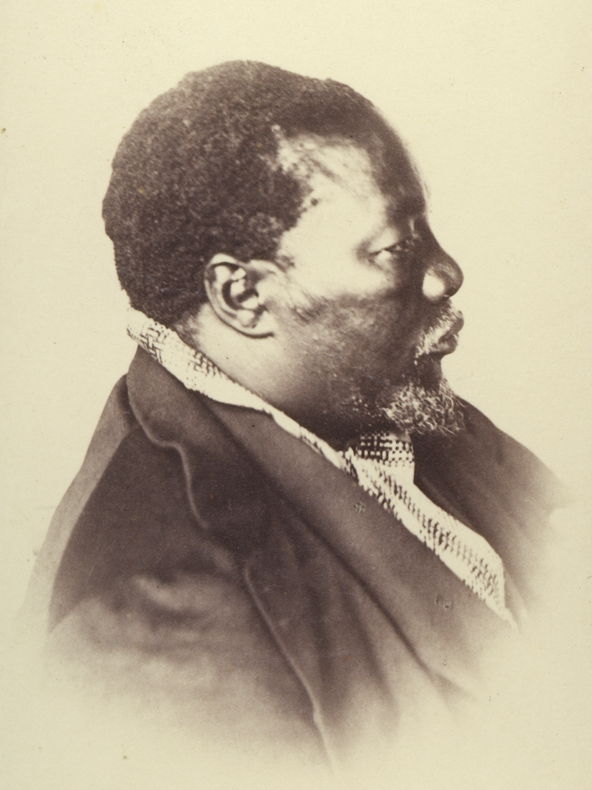
Chief Kgosi Sechele I played a pivotal role in the formation of the Bangwaketse tribe. His leadership united several smaller tribes under one banner, creating a stronger and more cohesive community. This merger resulted in increased territorial control and enhanced defense capabilities, crucial in the turbulent political landscape of the time. Chief Kgosi Sechele I's diplomacy and strategic alliances with neighboring tribes further solidified the Bangwaketse tribe's position in the region.
Under his rule, the Bangwaketse tribe experienced significant growth and prosperity. Chief Kgosi Sechele I implemented progressive policies that promoted social cohesion and economic development within the tribe. His wise governance earned him respect and admiration among his people and neighboring communities alike.
The formation of the Bangwaketse tribe under Chief Kgosi Sechele I marked a turning point in the history of the region. It reshaped power dynamics and established a new political order that endured for generations to come. The legacy of Chief Kgosi Sechele I's leadership continues to resonate in modern-day Botswana, serving as a reminder of the enduring impact of visionary leadership and unity.
#BangwaketseTribe #ChiefKgosiSecheleI #BotswanaHistory #UnityAndStrength
View details1841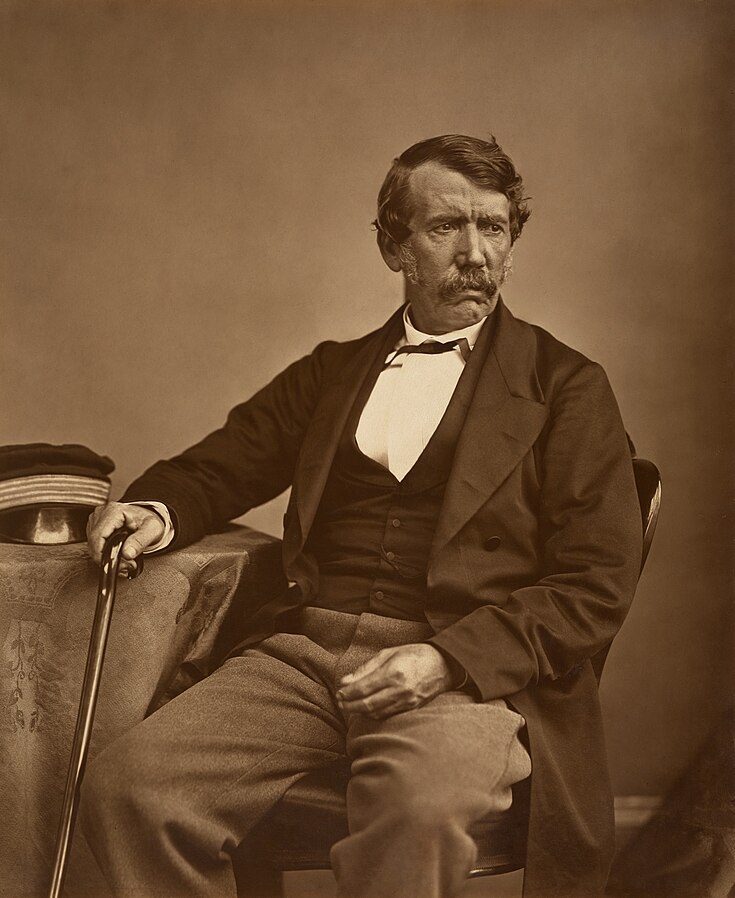
David Livingstone's arrival in Botswana marked a turning point in the region's history. A Scottish missionary and explorer, Livingstone's presence sparked tremendous interest in Christian missions and exploration within Botswana.
Livingstone's journey through Botswana brought to light the potential for missionary work and exploration in the region. His reports of the people he encountered and the natural resources he observed ignited curiosity and enthusiasm among Europeans.
The impact of Livingstone's arrival was profound. It not only initiated the spread of Christianity in Botswana but also led to increased exploration and colonial interest in the area. Livingstone's efforts paved the way for other missionaries and explorers to follow in his footsteps, contributing to the expansion of Western influence in the region.
The event served as a catalyst for the development of Botswana's history, shaping its future trajectory. It stirred conversations on religion, trade, and the exploitation of resources, setting the stage for further interactions between European powers and African societies.
#DavidLivingstone #ChristianMissions #Exploration #Botswana #Colonialism
View details1835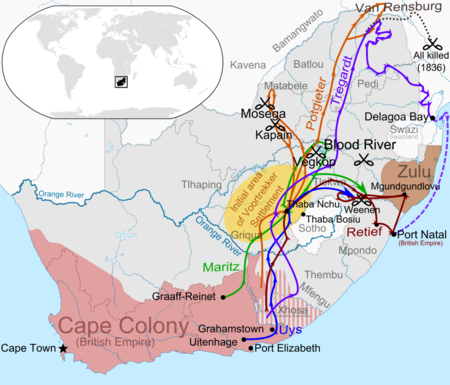
The Great Boer Trek was a migration led by Boer settlers from the Cape Colony into the interior of southern Africa. As they journeyed northeastwards, they encountered several indigenous groups, including the Tswana people in present-day Botswana. This interaction between Boers and indigenous peoples in Botswana led to both conflict and cooperation.
The Boers, seeking new land and independence, clashed with some Tswana communities over territory and resources. However, they also engaged in trade and formed alliances with other Tswana groups, benefiting from local knowledge and support during their trek. This interchange of ideas and goods between the Boers and indigenous peoples influenced their respective cultures and ways of life.
The increased interactions between the Boers and indigenous peoples in Botswana during the Great Boer Trek had lasting effects on the region. It contributed to the diversification of trade networks, the spread of new technologies, and the exchange of traditions and beliefs. These encounters between different cultural groups shaped the social dynamics and political landscape of southern Africa.
#BoerTrek #IndigenousPeoples #CulturalExchange #BotswanaHistory
View details1830
In 1830, European traders arrived in Botswana, marking a pivotal moment in the country's history. Prior to their arrival, Botswana was inhabited by various indigenous tribes with established trade networks. The European traders introduced new goods and technologies, revolutionizing the local economy and trade system. Their presence also influenced the political landscape, as local leaders sought alliances with the Europeans to gain advantages in trade and power dynamics.
The arrival of the European traders had a lasting impact on Botswana, shaping its economy, culture, and interactions with the outside world. It led to the integration of Botswana into the global trade network and exposed the region to new ideas and technologies. However, it also brought challenges such as competition for resources and the introduction of diseases that had devastating effects on the indigenous populations.
Overall, the arrival of the first European traders in Botswana was a transformative event that reshaped the country's trajectory and set the stage for future interactions with the Western world. It laid the foundation for the contemporary trade relationships and cultural influences that continue to shape Botswana.
#EuropeanTraders #BotswanaHistory #TransformativeImpact
View details1820
During the Difaqane {Lifaqane} period, various tribes in southern Africa experienced mass migrations and conflicts. This period had a significant impact on Botswana as tribes such as the Bakwena, Bangwato, and others were forced to move due to upheavals caused by the Zulu expansion under Shaka. As these tribes migrated, they brought about changes in the region's political landscape, leading to the establishment of new settlements and alliances.
The Difaqane {Lifaqane} period saw increased competition for resources, resulting in violence and displacement across southern Africa. In Botswana, these migrations led to cultural exchanges and the mixing of different tribes, shaping the country's diverse ethnic makeup. Additionally, the political dynamics within Botswana were also influenced as tribes sought to establish new territories and power structures.
Overall, the Difaqane {Lifaqane} period had a lasting impact on Botswana, contributing to the cultural richness and diversity seen in the country today. It also played a role in shaping the political landscape and tribal relationships that continue to influence Botswana's society. Understanding this period is crucial for comprehending the historical forces that have shaped the nation.
#Difaqane #Lifaqane #Migration #Conflicts #Botswana #Tribes #SouthernAfrica
View details1787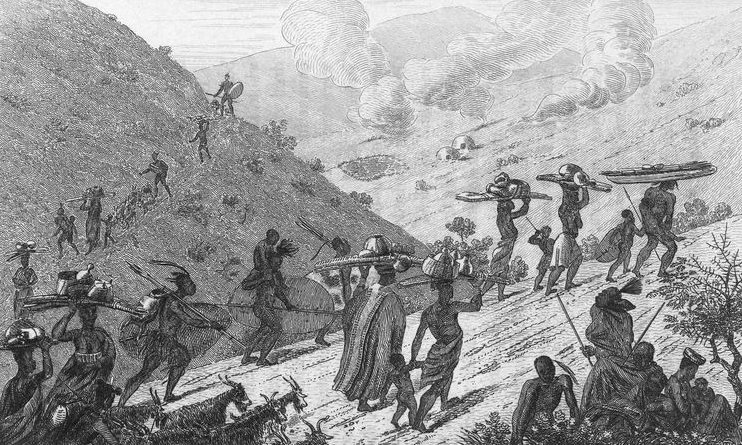
The Difaqane migrations initiated the dispersion of Sotho-Tswana groups across the southern regions of Africa. This period marked intense upheavals as various ethnic groups clashed, leading to widespread displacement and a rearrangement of populations. The resulting movement of Sotho-Tswana people across the region resulted in significant cultural exchanges and adaptations as they settled in new territories.
The impact of the Difaqane migrations resonates in the historical narratives of the Sotho-Tswana people, highlighting their resilience in the face of turmoil and their ability to adapt to new environments. The migrations not only reshaped the demographic landscape of the region but also contributed to the diversification of cultures and traditions among the Sotho-Tswana groups.
The spread of the Sotho-Tswana people during the Difaqane migrations exemplifies the dynamic nature of African history and the interconnectedness of its various societies. This event serves as a reminder of the complexities of pre-colonial African societies and the importance of understanding the historical forces that shaped their development.
#DifaqaneMigrations #SothoTswanaPeople #CulturalExchange #Resilience #HistoricalNarratives
View details1700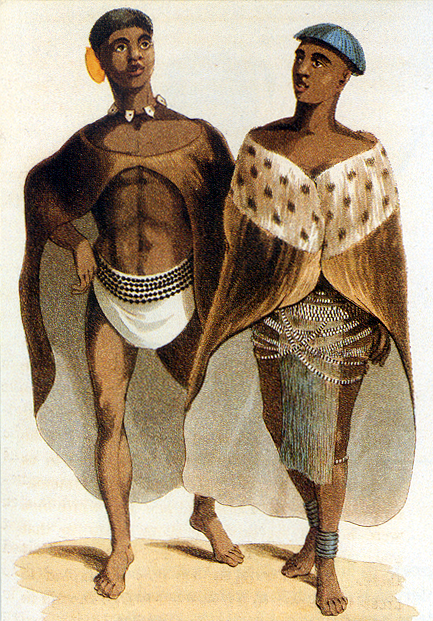
The establishment of a Tswana state among the Sotho-Tswana people in present-day Botswana marked a pivotal moment in the region's history. This event came about as a response to external threats and conflicts within the Sotho-Tswana communities. As various tribes sought to protect their autonomy and resources, a centralized Tswana state emerged to provide a unified defense.
The consolidation of power under a Tswana leader brought stability and coordinated efforts against common adversaries. The formation of this state enabled the Sotho-Tswana people to better resist external pressures and assert their sovereignty. Internal cohesion and a shared identity fostered a sense of unity and purpose among the tribes.
This political evolution fundamentally transformed the socio-cultural landscape of the region, shaping the future trajectory of Botswana. The emergence of a Tswana state laid the groundwork for enduring governance structures and diplomatic relations, influencing the interplay of power dynamics in the area.
Overall, the establishment of a Tswana state among the Sotho-Tswana people in present-day Botswana represents a significant milestone in the historical narrative of the region, showcasing the resilience and adaptability of indigenous communities facing external challenges.
#BotswanaHistory #TswanaState #SothoTswanaCommunity
View detailsThe Expansion of the Ndebele Kingdom into Botswana marked a significant historical event where the Ndebele people, under the leadership of their king, embarked on a military campaign to expand their territory. With a reputation for being skilled warriors, the Ndebele Kingdom sought to conquer new lands and establish their dominance in the region.
The impact of this expansion was profound as it led to changes in the political landscape of Botswana. The Ndebele Kingdom's presence brought about cultural exchange and integration as they interacted with the local communities. The conquered territories were integrated into the Ndebele Kingdom, bringing about changes in governance systems and societal structures.
This event reshaped the dynamics of power in the region, influencing trade routes, alliances, and cultural practices. The lasting legacy of the Ndebele Kingdom's expansion into Botswana can still be seen in the cultural influences and traditions that have been passed down through generations.
#NdebeleKingdom #BotswanaHistory #CulturalExchange #MilitaryExpansion
View detailsThe Tswana kingdom of Ngwato was established by Chief Malope in 1700. Chief Malope, known for his wisdom and bravery, united various Tswana tribes under his rule to form a powerful kingdom. The kingdom thrived due to Chief Malope's strategic leadership and diplomatic skills, which allowed for peaceful relations with neighboring states.
Under Chief Malope's reign, the Tswana kingdom of Ngwato experienced significant economic growth, cultural development, and expansion of territorial boundaries. Trade flourished, bringing prosperity to the kingdom, while advancements in agriculture and craftsmanship improved the quality of life for its people. Chief Malope's administration was marked by fairness and justice, ensuring social harmony and stability within the kingdom.
The establishment of the Tswana kingdom of Ngwato under Chief Malope had a lasting impact on the region, shaping its political landscape for generations to come. The legacy of Chief Malope and his kingdom continues to be revered in Botswana, serving as a symbol of unity, strength, and resilience.
#TswanaKingdom #Ngwato #ChiefMalope #BotswanaHistory
View details1683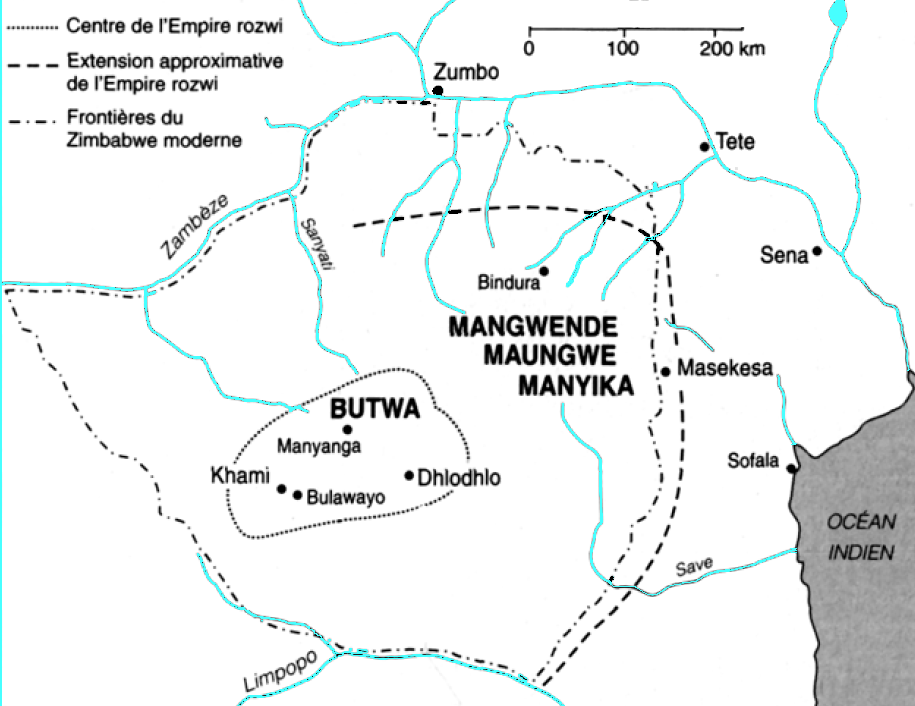
The shift of the Rozwi Empire's capital to Butua marked a turning point in the empire's history. Prior to this move, the capital was located in the Great Zimbabwe area. King Changamire Dombo decided to relocate the capital to Butua, in present-day Botswana, to strengthen the empire's control over trade routes and resources in the region. This strategic decision aimed to enhance the empire's economic and political influence.
The relocation to Butua brought about significant changes in the empire's administration, trade, and military tactics. It facilitated closer ties with neighboring chiefdoms and enabled the Rozwi Empire to expand its territory and increase its wealth through trade. The new capital also provided better access to key resources such as salt and cattle, crucial for the empire's sustenance and expansion.
The move to Butua bolstered the Rozwi Empire's power and prestige in the region, solidifying its position as a dominant force in southern Africa. The empire flourished in Butua, benefiting from the strategic advantages offered by its new location. This event reflected the empire's adaptability and resilience in navigating changing political and economic landscapes.
#RozwiEmpire #ButuaCapital #BotswanaHistory #AfricanEmpires
View details1675
In 1675, trade relations between the Tswana people and Europeans experienced a significant shift. The Tswana, known for their cattle herding and farming, found common ground with the Europeans through the exchange of goods. This interaction led to the introduction of European goods such as firearms, textiles, and beads to the Tswana society, enhancing their material culture.
As a result of this increased trade, the Tswana people were able to access new resources and technologies that improved their daily lives and economic activities. The Europeans, on the other hand, benefited from the Tswana's abundant supply of cattle and agricultural products. This mutual exchange of goods fostered a relationship built on economic cooperation and cultural exchange.
The impact of the increased trade relations between the Tswana people and Europeans in 1675 was profound, shaping the economic landscape of the region and laying the foundation for future interactions. This event marked a significant turning point in the history of the Tswana people, highlighting their adaptability and willingness to engage with new trading partners.
#Tswana #EuropeanTrade #CulturalExchange #EconomicDevelopment #BotswanaHitory
View details1300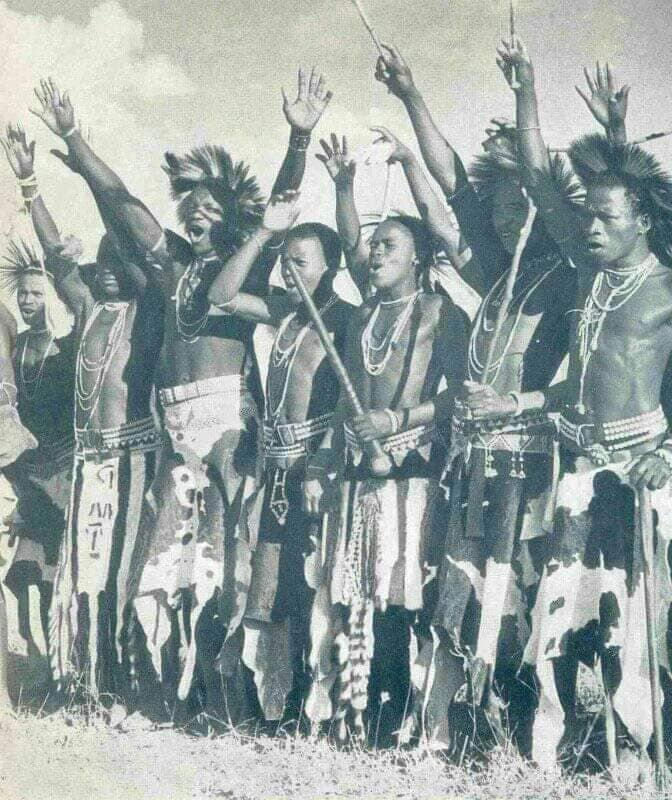
In 1300, the Tswana tribes underwent a transformation, evolving into distinct political entities. Prior to this event, the Tswana people lived in small villages with minimal central authority. As a response to increasing threats from neighboring groups, the Tswana tribes began to organize themselves into stronger political structures.
The formation of Tswana tribes as distinct political entities had a significant impact on the region. It led to the establishment of centralized leadership, fostering unity and collective decision-making among the tribes. This new political organization enabled the Tswana tribes to better defend themselves against external threats and manage internal conflicts more effectively.
With the emergence of distinct political entities, the Tswana tribes were able to establish trade networks, alliances, and diplomatic relations with other groups in the region. This newfound political sophistication contributed to the cultural and economic development of the Tswana people.
Overall, the formation of Tswana tribes as distinct political entities marked a crucial turning point in their history, laying the foundation for the development of organized states and societies in the region. #TswanaTribes #PoliticalOrganization #CulturalDevelopment
View details1250
The expansion of the Great Zimbabwe state into Botswana had a profound impact on local societies and trade networks. The Great Zimbabwe state, known for its wealth and power, extended its influence into Botswana, leading to cultural exchanges and the spread of its political and economic systems. This expansion facilitated the movement of goods, ideas, and technologies, enriching the local societies and transforming trade networks in the region.
As the Great Zimbabwe state expanded into Botswana, it established new trade routes, integrating local communities into larger commercial networks. The influx of goods from distant regions stimulated economic growth and established Botswana as a key player in regional trade. The Great Zimbabwe state's sophisticated agricultural practices and metalworking techniques also spread to Botswana, enhancing local productivity and craftsmanship.
The interaction between the Great Zimbabwe state and Botswana resulted in the exchange of cultural practices and beliefs, shaping the identity of communities in the region. The Great Zimbabwe state's influence on Botswana's social structure and governance systems laid the foundation for future political developments.
Overall, the expansion of the Great Zimbabwe state into Botswana had far-reaching consequences, influencing local societies and trade networks while fostering cultural exchange and economic development.
#GreatZimbabwe #Botswana #TradeNetworks #CulturalExchange #Expansion
View details0700
During the event, early ironworking and trade activities began to flourish in Botswana. This marked a significant shift in the region's economic landscape, as locals started to utilize iron tools for farming and crafting. The emergence of ironworking also led to increased trade networks, with Botswana serving as a hub for exchanging goods with neighboring communities.
The ironworking advancements boosted agricultural productivity and craftsmanship, enabling the people of Botswana to cultivate larger plots of land and create more intricate goods for trade. This in turn stimulated economic growth and cultural exchange within the region, as communities shared knowledge and resources through trade routes.
The event laid the foundation for Botswana's future as a key player in regional trade and innovation. The development of ironworking skills and trade networks not only improved the quality of life for its inhabitants but also fostered connections with neighboring societies, enriching Botswana's cultural heritage.
#IronworkingInnovation #TradeExpansion #CulturalExchange #BotswanaHistory
View detailsIn the area that would eventually become Botswana, the Development of Toutswe culture marked a significant period of cultural growth. The Toutswe people were known for their advanced agricultural practices and skilled craftsmanship, particularly in iron smelting and pottery-making. These skills played a crucial role in shaping the cultural identity of the region.
The Toutswe culture was characterized by its complex social structure, with evidence of hierarchical systems and specialized labor divisions. This allowed for the development of organized communities and the establishment of trade networks with neighboring regions.
The impact of the Toutswe culture on the area that would become Botswana was profound, laying the foundation for subsequent cultural developments in the region. The advancements in agriculture and craftsmanship paved the way for further innovation and prosperity among the indigenous peoples.
Today, the legacy of the Toutswe culture can still be seen in the traditions and practices of the various ethnic groups in Botswana. Their influence on the cultural landscape of the region continues to be celebrated and preserved.
#BotswanaHistory #CulturalDevelopment #ToutsweCulture
View details