
Botswana

The Heart of Southern Africa
Related Lives

Mali
The Eyes of Africa

South Korea
The Land of Morning Calm

Armenia
Gateway to Ancient Traditions and Scenic Beauty

President of the Italian Republic
Head of State

Portugal
The Land of Explorers

Bangladesh
Resilience in Harmony

Burundi
The Land of a Thousand Hills

Brunei
Abode of Peace

0600
In the region now known as Botswana, various indigenous groups began forming the first Batswana tribes. This marked a significant development in the region's history, as it established the foundation for the future social and political structures.
The tribes emerged as communities united by language, culture, and territory, creating a sense of belonging and identity among its members. This helped foster cooperation, resource sharing, and mutual protection in a challenging environment.
The formation of the first Batswana tribes also contributed to the preservation and passing down of traditional knowledge, customs, and beliefs through generations. This cultural continuity played a crucial role in shaping the unique identity of the Batswana people, distinct from neighboring groups.
These early tribes laid the groundwork for the development of larger political entities and kingdoms in the region, influencing its socio-economic dynamics and power structures for centuries to come.
Overall, the formation of the first Batswana tribes was a pivotal event that shaped the cultural, social, and political landscape of the region, leaving a lasting legacy that is still evident in Botswana today. #Batswana #TribeFormation #CulturalIdentity
View details0199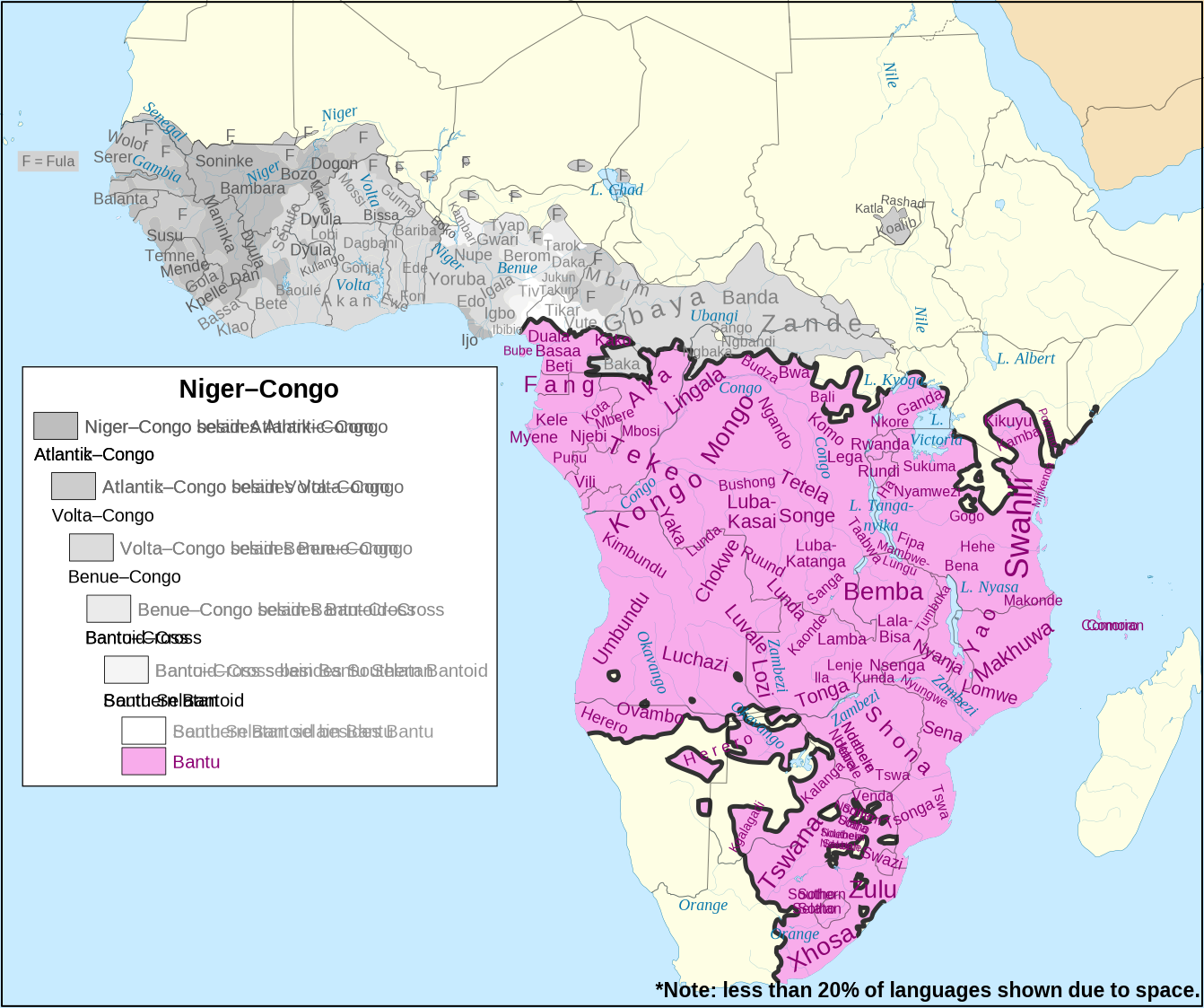
The arrival of Bantu tribes in the region marked a significant shift in the cultural and demographic landscape of what is now known as Botswana. Coming from the north, these groups brought with them advanced ironworking techniques, agricultural practices, and a sophisticated political organization. This influx of Bantu tribes ultimately led to the displacement of the indigenous San people, who had previously inhabited the area.
The impact of the Bantu migration was profound, leading to the establishment of various Bantu kingdoms and chiefdoms in the region. These societies were characterized by their organized social structures, trade networks, and agricultural innovations. The Bantu tribes also introduced new languages and beliefs, enriching the cultural tapestry of the region.
The arrival of the Bantu tribes in the region laid the foundation for the development of modern-day Botswana, shaping its traditions, governance systems, and societal norms. The interactions between the Bantu tribes and other ethnic groups in the region contributed to the diverse and multicultural society that exists in Botswana today.
#BantuMigration #CulturalExchange #BotswanaHistory
View details0100
The Bakalanga people arrived in the region, establishing settlements that contributed to the diverse cultural landscape. Their migration was driven by the search for fertile land and natural resources. Upon arrival, they utilized their agricultural knowledge to cultivate the land, fostering community growth and economic stability. The establishment of these settlements promoted trade and cultural exchange with neighboring communities, enriching the region's social fabric.
The Bakalanga's presence influenced the region's cultural practices, language, and traditions, creating a unique blend of customs that defines the area to this day. Their settlements served as centers of learning, where knowledge and skills were passed down through generations. The Bakalanga played a significant role in shaping the region's history and identity, leaving a lasting impact on its development.
Their resilience and adaptability in the face of challenges ensured the sustainability of their settlements, fostering a sense of unity and belonging among community members. The legacy of the Bakalanga people endures in the region's rich cultural heritage and continued celebration of their contributions.
#Bakalanga #Settlements #CulturalExchange #CommunityDevelopment #Botswana
View details