
United Arab Emirates

The Emirates
Related Lives

Ethiopia
Federal Democratic Republic of Ethiopia

Bosnia and Herzegovina
The Land of Golden Lilies

Haiti
The Resilient Spirit of Haiti

Ottoman Empire
A global superpower for over 600 years

Slovakia
Heart of Europe

Bulgaria
A Tapestry of History and Modernity
Egypt
The Land of the Pharaohs

Burundi
The Land of a Thousand Hills

2007
The United Arab Emirates revealed a national development strategy to establish itself as a global leader. The strategy aimed at diversifying the economy, enhancing education, healthcare, infrastructure, and promoting innovation.
The background of this initiative stemmed from the UAE's recognition of the need to reduce its reliance on oil revenues and transition towards a knowledge-based economy. The strategy consisted of ambitious goals, including increasing the contribution of non-oil sectors to the GDP, improving education and healthcare systems, investing in infrastructure projects, and fostering innovation and research.
The impact of the national development strategy was significant as it positioned the UAE as a competitive player in the global arena. By focusing on diversification and innovation, the country aimed to attract foreign investment, create job opportunities for its citizens, and improve the overall quality of life. Additionally, the strategy aimed to strengthen the UAE's position as a hub for trade, tourism, and finance in the region.
In unveiling this national development strategy, the UAE demonstrated its commitment to long-term sustainable growth and prosperity. The government's proactive approach to addressing economic challenges and embracing change highlighted its vision for a prosperous and thriving future for the country.
#UAE #NationalDevelopmentStrategy #GlobalLeader #EconomicDiversification #Innovation #SustainableGrowth
View details2006
The first-ever national elections took place in the United Arab Emirates, where a small number of hand-picked voters chose half of the members of the Federal National Council (FNC), an advisory body. This event marked a significant step towards political participation in the UAE.
Prior to these elections, the FNC consisted of members who were appointed by the rulers of each emirate. The introduction of elections allowed Emirati citizens to have a say in selecting half of the FNC members. Despite the limited number of eligible voters and the selectiveness of the electoral process, this initiative represented a move towards greater inclusion and representation in the country's political landscape.
The impact of these elections was notable as they provided a platform for Emirati citizens to engage in the decision-making process and express their views on various issues affecting the country. It also signaled a willingness from the government to explore avenues for broader participation in governance.
Although the electoral system in the UAE continued to evolve in the years following this event, the first national elections set a precedent for future democratic reforms and increased transparency in the political system. It laid the foundation for a more participatory political culture in the country.
The first-ever national elections in the UAE represented a milestone in the country's political development, offering a glimpse of the potential for increased citizen engagement and representation. As the UAE continues on its path towards political modernization, these elections remain a key moment in its journey towards a more inclusive and participatory democracy. #UAE #NationalElections #FNC #PoliticalDevelopment
View detailsIn 2006, state-owned Dubai Ports World faced a political storm in the US following its acquisition of a British company that managed terminals at six major American ports. Concerns over national security were raised by politicians and the public, fearing that a Middle Eastern company overseeing operations at strategic locations could pose risks.
The backlash was intense, with bipartisan opposition in Congress and strong objections from the public. The issue quickly turned into a heated debate about the oversight of critical infrastructure and the involvement of foreign entities in sensitive areas. Critics argued that allowing a company from the Middle East to control ports in the US could compromise security measures and potentially create vulnerabilities for the country.
Under mounting pressure, Dubai Ports World ultimately decided to cede control and sell its operations at the six US ports to a US entity. This move was seen as a necessary concession to alleviate concerns and quell the escalating political controversy surrounding the issue.
The event underscored the complexities of international business dealings, national security interests, and the delicate balance between economic partnerships and safeguarding strategic assets. It also highlighted the power of public opinion and political pressure in influencing corporate decisions and shaping foreign investments.
The repercussions of the political storm reverberated beyond this specific case, sparking broader discussions about regulatory frameworks, corporate responsibility, and the need for transparency in cross-border transactions involving critical infrastructure.
#DubaiPortsWorld #NationalSecurity #ForeignInvestment #PoliticalPressure
View details
2004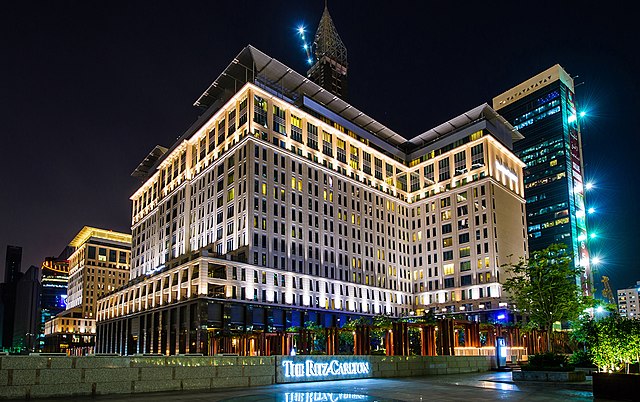
The Dubai International Financial Centre (DIFC) was established with the aim of positioning Dubai as a global financial hub. The initiative sought to attract international financial institutions by offering a world-class regulatory environment and a robust legal system based on English common law. Strategically located in the heart of Dubai, DIFC provided a platform for companies to access the fast-growing markets of the Middle East, Africa, and South Asia.
Since its inception, DIFC has played a vital role in driving economic growth in the region. It has attracted a diverse range of financial firms, including banks, asset managers, and insurance companies, contributing to the development of a dynamic financial ecosystem. The center has also facilitated cross-border investments and promoted financial innovation through initiatives such as the FinTech Hive accelerator program.
Moreover, DIFC has bolstered Dubai's reputation as a destination for international business and investment, fostering partnerships with leading global financial centers. Its transparent regulatory framework and investor-friendly policies have helped build trust among market participants, positioning Dubai as a preferred location for regional headquarters and investment activities.
Overall, the establishment of DIFC marked a significant milestone in Dubai's journey towards becoming a leading financial hub. By offering a conducive business environment and unparalleled connectivity, DIFC has emerged as a key catalyst for economic diversification and sustainable growth in the region.
#DubaiInternationalFinancialCentre #GlobalFinancialHub #EconomicGrowth #FinancialInnovation #StrategicPartnerships #InvestmentDestination #RegulatoryFramework #FinancialEcosystem.
View detailsIn 2004, Abu Dhabi Crown Prince, Sheikh Mohammed bin Zayed, assumed the role of de facto leader of the United Arab Emirates. This transition of power occurred as Sheikh Zayed, the founder and then-ruler of the UAE, was in declining health. Sheikh Mohammed bin Zayed, the third son of Sheikh Zayed, had been taking on more responsibilities in governing the country and had gained significant influence in decision-making prior to officially becoming the de facto leader.
Sheikh Mohammed bin Zayed's rise to power had a profound impact on the direction of the UAE. Under his leadership, there was a renewed focus on modernization, economic diversification, and strengthening the country's position on the global stage. His leadership style was characterized by pragmatism, strategic thinking, and a strong emphasis on investing in education, infrastructure, and sustainable development.
As the de facto leader, Sheikh Mohammed bin Zayed played a key role in shaping the UAE's foreign policy, forging alliances with other countries, and promoting stability in the region. His vision for the UAE included building a knowledge-based economy, promoting innovation and entrepreneurship, and investing in sectors such as renewable energy and technology.
Overall, Sheikh Mohammed bin Zayed's ascension to the role of de facto leader marked a new chapter in the history of the UAE. His leadership brought stability, prosperity, and strategic vision to the country, ensuring its continued growth and success on the international stage.
#SheikhMohammedbinZayed #UAEleadership #Modernization #GlobalInfluence #Stability
View details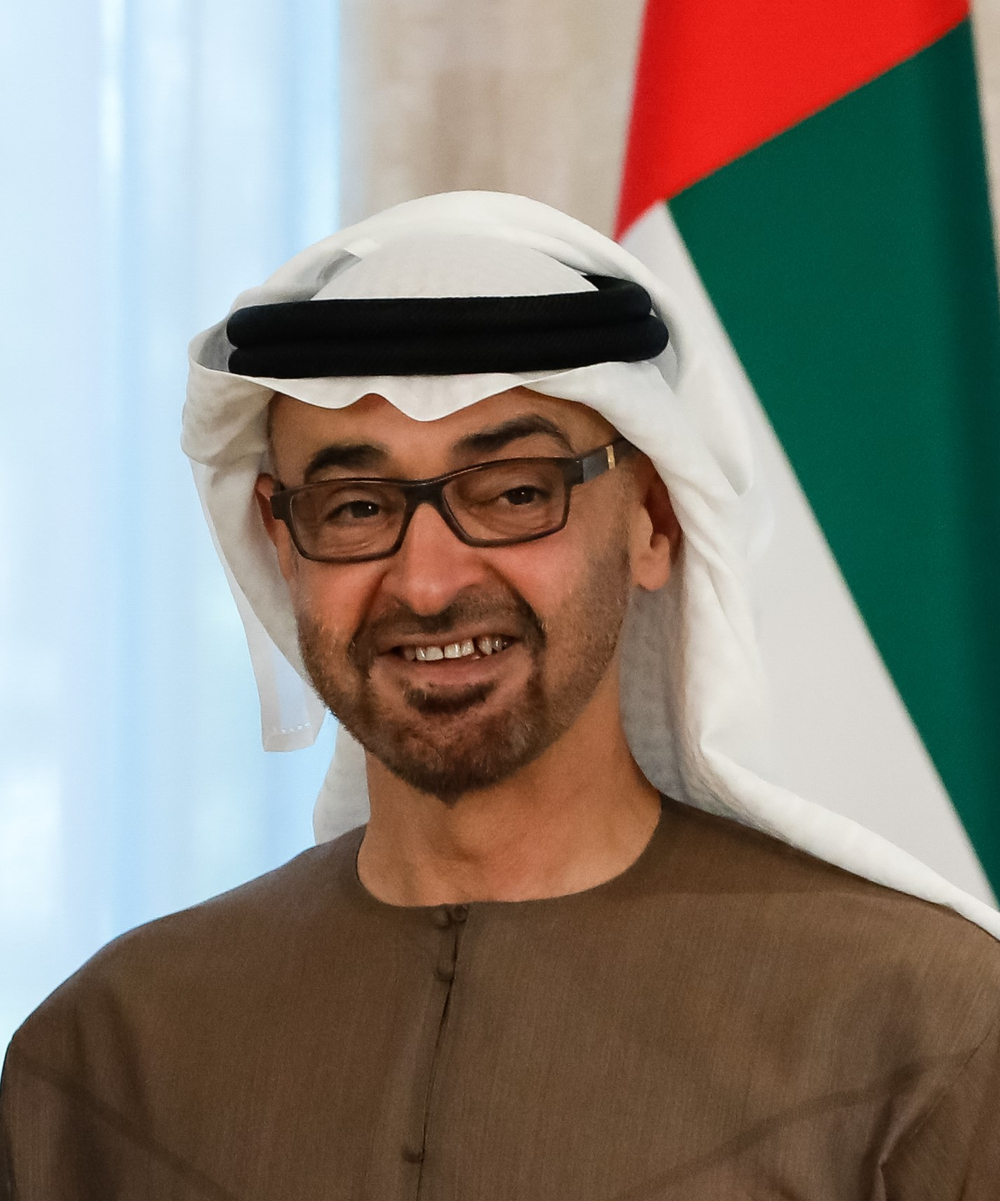
Emirates airline marked a historic moment by launching its inaugural flight to New York. The airline, based in the United Arab Emirates, expanded its reach to the prominent American city known for its bustling economic and cultural hub. This milestone solidified Emirates' position as a global player in the airline industry, enhancing connectivity between the UAE and the United States.
The introduction of this direct flight to New York had a significant impact on promoting tourism, business relations, and strengthening ties between the UAE and the US. It provided travelers with a convenient and efficient way to journey between the two countries, fostering increased opportunities for trade and investment. The route also catered to the large Emirati community residing in the US, offering them a direct link to their homeland.
The launch of Emirates airline's first flight to New York underscored the airline's commitment to excellence and innovation in the aviation sector. By offering world-class service and state-of-the-art amenities on board, Emirates set a new standard for long-haul travel. Passengers could enjoy a luxurious and comfortable journey, showcasing the UAE's dedication to providing top-notch hospitality.
Overall, the event marked a transformative moment for Emirates airline and the aviation industry as a whole. It symbolized the power of global connectivity and the role airlines play in bringing people together across continents. The launch of this new route opened up a world of possibilities for travelers, businesses, and cultural exchange between the UAE and the US.
#EmiratesAirline #NewYorkLaunch #UAEUSAConnection #AviationExcellence
View details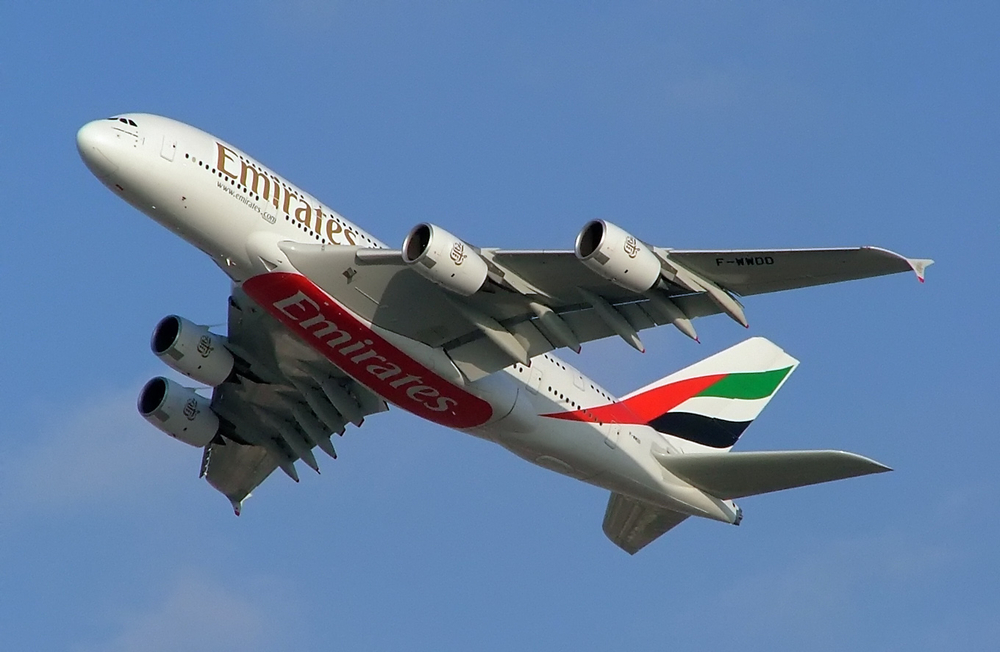
The construction of the Burj Khalifa began in Dubai, United Arab Emirates, and was a monumental engineering feat. Standing at over 828 meters, it is the tallest building in the world. The project was led by the construction company, Skidmore, Owings & Merrill, and its completion took several years.
The foundation of the Burj Khalifa consists of 192 piles buried more than 50 meters deep to support the colossal structure. The tower is made up of more than 160 stories, with a combination of residential, commercial, and hotel spaces. The construction used over 330,000 cubic meters of concrete and 39,000 tons of steel rebar.
The Burj Khalifa has become an iconic landmark for Dubai, attracting tourists from around the world. It has also helped to boost the city's economy by creating job opportunities in various sectors such as tourism, hospitality, and real estate. The building's observation decks offer breathtaking views of the city, further adding to its appeal.
The Burj Khalifa has set new standards in architecture and construction, inspiring other developers to push the boundaries of what is possible in building design. Its completion marked a significant moment in Dubai's history, representing the city's ambition and vision for the future.
#BurjKhalifa #TallestBuilding #Dubai #EngineeringMarvel #IconicLandmark #Architecture #Construction #UAE
View details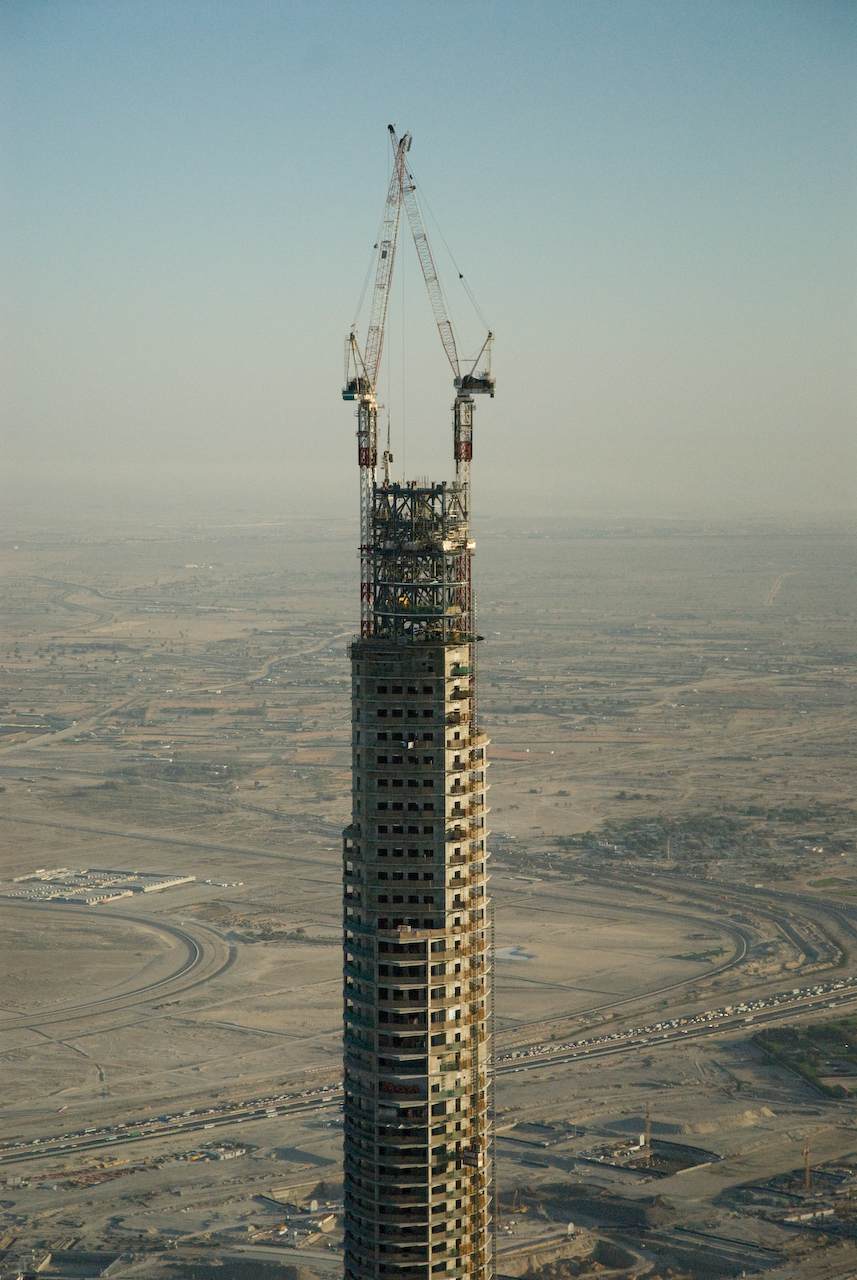
2001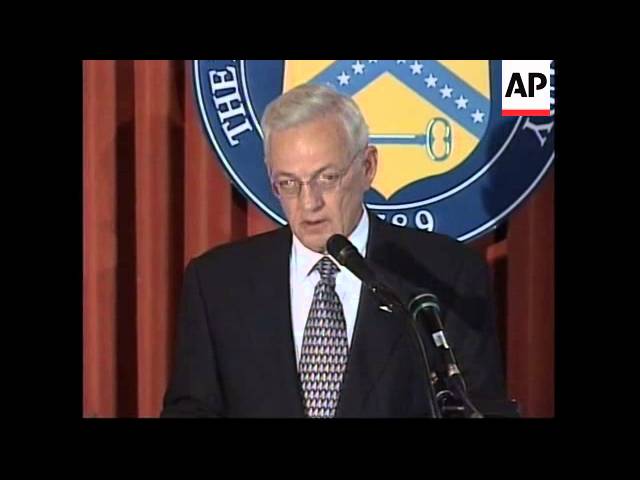
Following the government's directive, banks in the United Arab Emirates froze the assets of 62 organizations and individuals suspected by the US of funding terrorism. The move came in response to increasing international pressure to combat terrorism financing. The list of targeted entities included both local and foreign entities, reflecting a concerted effort to disrupt funding for terrorist activities. This action aimed to demonstrate the UAE's commitment to global security and adherence to anti-money laundering measures, in line with international standards.
The decision to freeze assets had a significant impact on the financial operations of the targeted organizations and individuals, limiting their ability to access funds and carry out illicit activities. It also sent a clear message that the UAE would not tolerate any form of support for terrorist acts. By aligning with US concerns over terrorism financing, the UAE sought to strengthen its international alliances and contribute to the global fight against terrorism.
The event underscored the UAE's proactive stance in addressing security threats and upholding financial integrity. It highlighted the importance of collaboration between nations in disrupting terrorist networks and preventing the misuse of financial systems for unlawful purposes. The freeze on assets demonstrated the UAE's commitment to enforcing stringent measures to combat terrorism financing and protect its financial sector from exploitation by nefarious actors.
In conclusion, the government's directive to freeze the assets of entities suspected of funding terrorism marked a decisive step towards enhancing national and international security. The action showcased the UAE's resolve to uphold anti-terrorism efforts and promote a secure financial environment. #UAE #TerrorismFinancing #GlobalSecurity #AntiMoneyLaundering #InternationalCollaboration
View details1991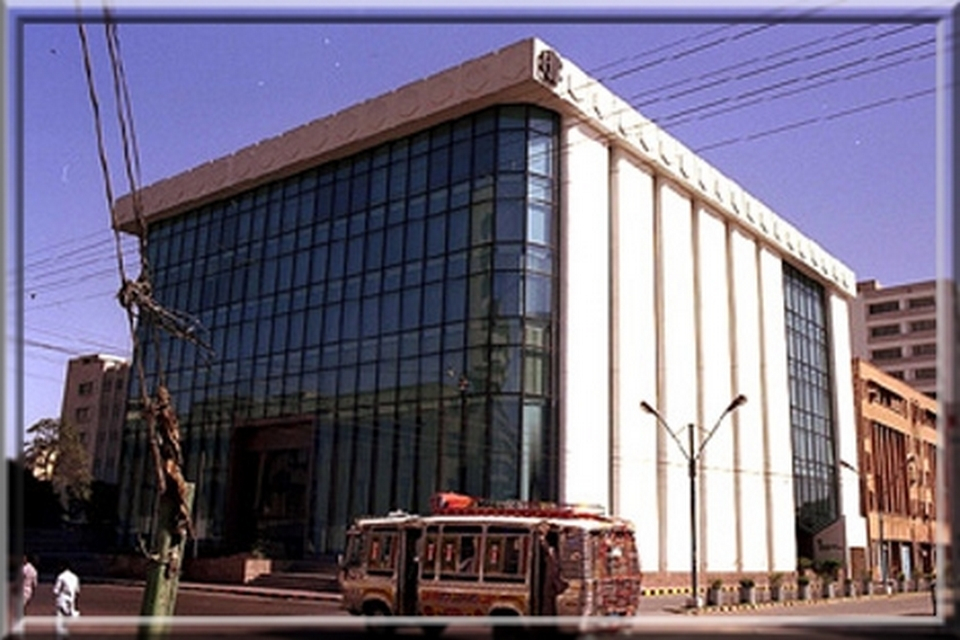
The collapse of the Bank of Credit and Commerce International (BCCI) sent shockwaves through the global financial industry. Initially established in the United Arab Emirates, BCCI rapidly expanded its operations worldwide, becoming the seventh-largest private bank in the world with over 400 branches in 78 countries.
However, behind its facade of success, BCCI was involved in widespread illegal activities including money laundering, fraud, and financing terrorism. Regulatory authorities in multiple countries began investigating the bank's operations, uncovering a web of corruption and deceit at the highest levels. As a result, BCCI's license was revoked, leading to its eventual closure.
The impact of BCCI's collapse was widespread. Depositors lost their savings, businesses faced financial ruin, and governments scrambled to deal with the fallout. The scandal highlighted the need for stronger regulatory oversight in the banking sector and raised questions about the reliability of financial institutions.
In the aftermath of the BCCI collapse, several key figures were prosecuted and imprisoned, and major reforms were implemented to prevent similar crises in the future. The event served as a cautionary tale about the dangers of unchecked corporate greed and the importance of transparency and accountability in the financial industry.
#BCCI #BankingScandal #RegulatoryOversight #FinancialCrisis
View details1990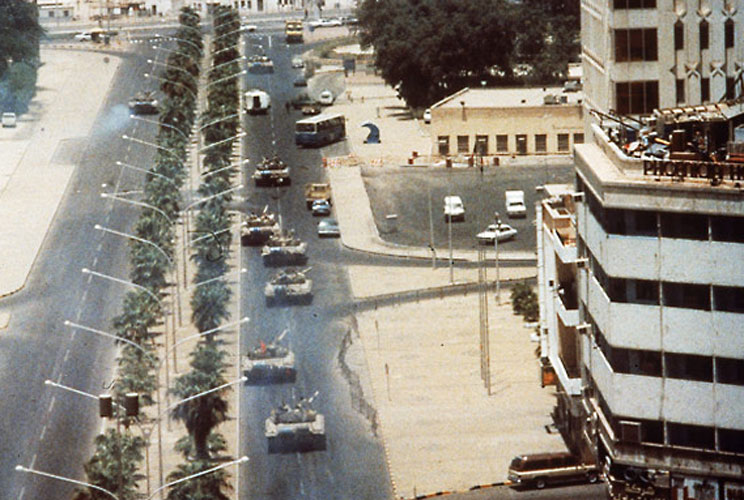
Following the invasion of Kuwait by Iraq, United Arab Emirates (UAE) made the decision to join the allies in the coalition against the aggressor. This marked the first time in history that UAE forces participated in a military campaign beyond their borders. The decision was driven by a commitment to regional stability and security, along with a desire to uphold international law and condemn aggression.
The UAE's involvement in the coalition was significant as it showcased the country's willingness to stand up against injustice and protect its neighbors. The UAE forces contributed to the allied efforts in various capacities, including providing air support, naval assistance, and logistical support. Their involvement played a crucial role in the success of the coalition's mission to liberate Kuwait from Iraqi occupation.
The impact of UAE forces joining the allies against Iraq was far-reaching. It demonstrated the country's readiness to defend its interests and support global peace efforts. The participation of UAE forces also helped strengthen diplomatic ties with other nations in the coalition and solidify the country's position as a regional ally.
The event marked a turning point in UAE's foreign policy and military capabilities, showcasing the country's commitment to upholding international norms and contributing to global security. The experience gained from participating in the coalition against Iraq laid the foundation for future collaborations and partnerships in the realm of international security.
#UAE
#Coalition
#Iraq
#Kuwait
#GlobalSecurity
View details1983
The discovery of oil in the onshore area of Ras Al Khaimah in 1984 was a pivotal moment for the United Arab Emirates. The region had long been exploring for oil, and this discovery marked a significant milestone in its journey towards economic diversification and growth.
The newfound oil reserves in Ras Al Khaimah presented a substantial opportunity for the emirate to boost its economy, create job opportunities, and enhance its overall development. With the discovery, Ras Al Khaimah joined the ranks of other emirates in the UAE that were already benefiting from their oil reserves.
The impact of the oil discovery in Ras Al Khaimah was felt across various sectors, from infrastructure development to social welfare programs. The increased revenue generated from the oil industry allowed the emirate to invest in projects that improved the standard of living for its residents and enhanced its overall competitiveness on the global stage.
Furthermore, the discovery of oil in Ras Al Khaimah served as a catalyst for further exploration and development in the region, attracting investments and expertise to unlock the full potential of its resources. This paved the way for the emirate to establish itself as a key player in the energy sector and diversify its economy beyond oil.
In conclusion, the discovery of oil in the onshore area of Ras Al Khaimah in 1984 was a transformative moment for the emirate and the wider United Arab Emirates. It not only fueled economic growth and development but also positioned Ras Al Khaimah as a key player in the global energy landscape. #RasAlKhaimah #OilDiscovery #EconomicGrowth #UAEHistory
View details1981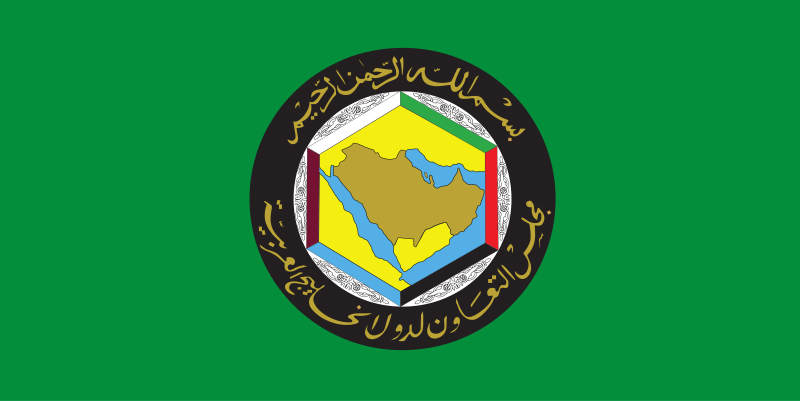
The United Arab Emirates played a pivotal role in the formation of the Gulf Cooperation Council (GCC) and hosted its inaugural summit in Abu Dhabi. The creation of the GCC was a significant step towards regional cooperation and integration among the Arab Gulf states. The establishment of the council aimed to enhance economic, social, and security cooperation among its member countries.
The first GCC summit in Abu Dhabi laid the foundation for future collaboration on various issues of common interest, including defense, trade, and cultural exchange. During the summit, leaders from Bahrain, Kuwait, Oman, Qatar, Saudi Arabia, and the UAE discussed ways to strengthen their ties and promote stability in the region. The participating nations affirmed their commitment to upholding the principles of sovereignty, security, and prosperity for their citizens.
The formation of the GCC marked a turning point in the history of the Gulf region, as it provided a platform for dialogue and cooperation among neighboring countries. The council’s establishment underscored the shared goals and values of its member states, fostering a sense of solidarity and unity in the face of regional challenges.
Since its inception, the GCC has played a crucial role in promoting peace and security in the Gulf region, as well as facilitating economic development and trade cooperation among its members. The council has also served as a forum for addressing regional issues and resolving disputes through peaceful means.
The first GCC summit in Abu Dhabi was a milestone event that underscored the commitment of the United Arab Emirates and its neighboring countries to promoting cooperation and solidarity in the Gulf region. The summit set the stage for ongoing collaboration and dialogue among the member states, laying the groundwork for closer ties and mutual support in the years to come.
#GCC #AbuDhabi #RegionalCooperation #Unity #EconomicDevelopment
View details1979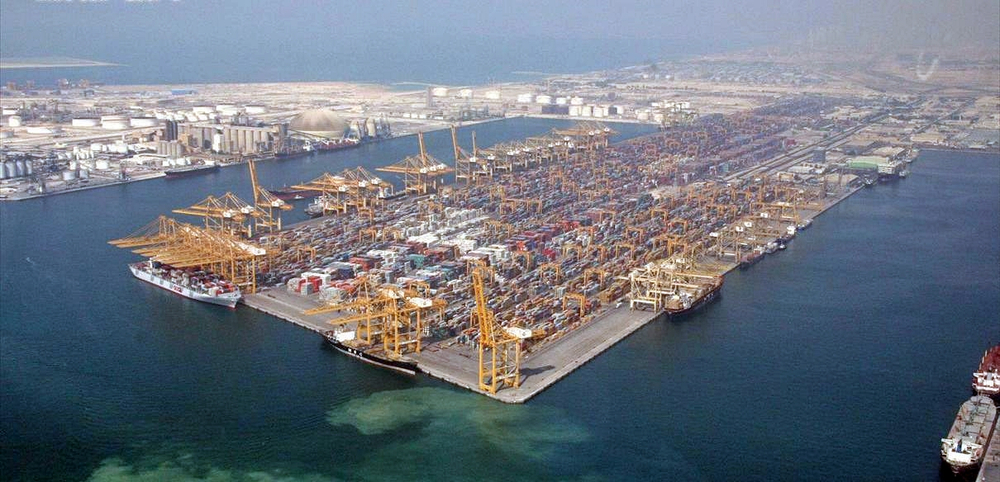
In 1979, the Jebel Ali Port was inaugurated in the United Arab Emirates. This port was among the largest man-made ports globally, strategically positioned between Asia, Europe, and Africa. This infrastructure project was monumental for the UAE, as it aimed to diversify the country's economy beyond oil.
With its deep berths and state-of-the-art facilities, the Jebel Ali Port quickly became a crucial hub for global trade, attracting shipping companies and businesses from around the world. The port's strategic location along major shipping routes played a pivotal role in boosting the UAE's position as a key player in the maritime industry.
The inauguration of the Jebel Ali Port had a significant impact on the UAE's economy, creating job opportunities and driving economic growth. The port facilitated the import and export of goods, contributing to the country's flourishing trade sector. Additionally, the port's free trade zone attracted foreign investment, further diversifying the UAE's economy.
The Jebel Ali Port became a symbol of the UAE's ambition and vision for the future. Its efficient operations and world-class infrastructure set a new standard for ports globally, showcasing the country's commitment to innovation and development.
Overall, the inauguration of the Jebel Ali Port was a milestone moment in the history of the United Arab Emirates. It not only transformed the country's trade and economy but also solidified its position as a leading global player in the maritime industry.
#JebelAliPort #UAE #GlobalTrade #EconomicGrowth #InfrastructureDevelopment
View details1971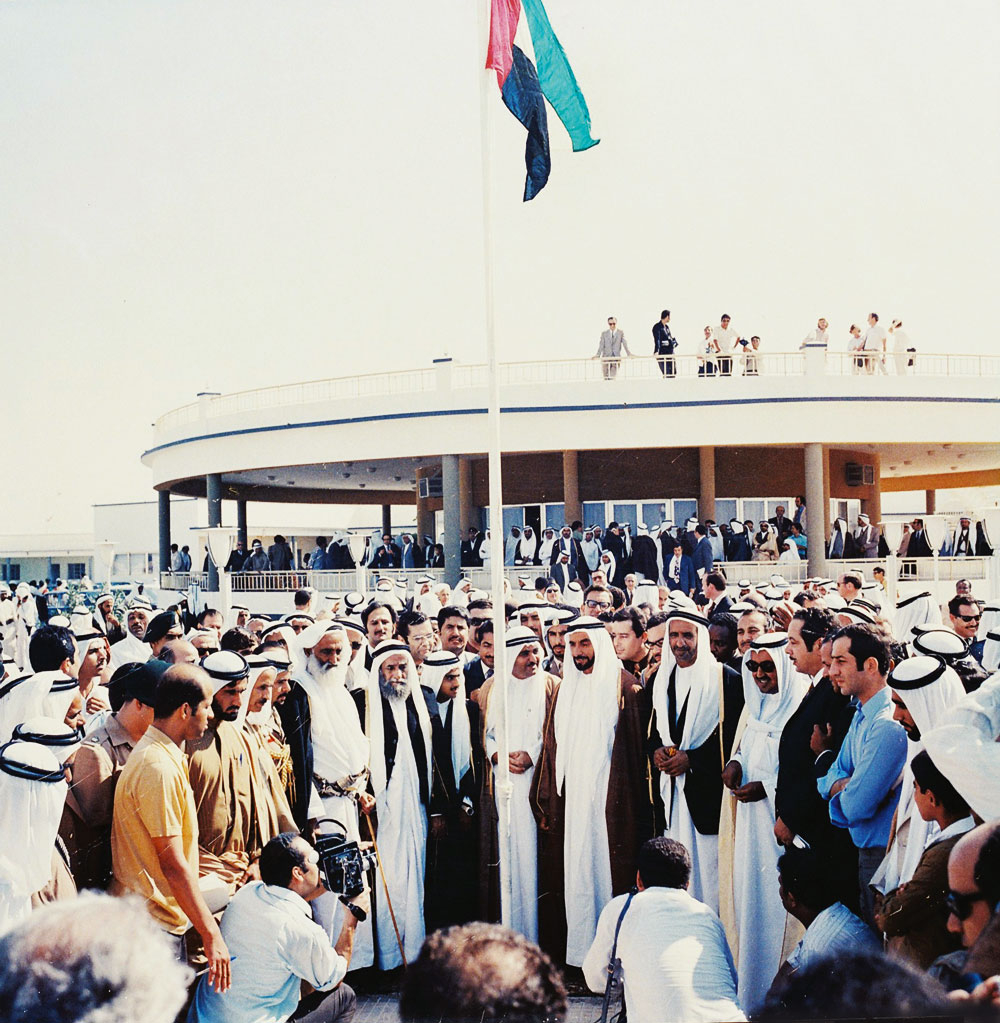
The formation of the United Arab Emirates (UAE) as a federation of seven emirates was a pivotal step in the history of the region. Several emirates, including Abu Dhabi, Dubai, Sharjah, Ajman, Umm Al-Quwain, Fujairah, and Ras Al-Khaimah, came together to form a unified nation.
The background of this event can be traced back to the early 19th century when several tribal rulers controlled the different regions that now constitute the UAE. Over time, these rulers saw the benefits of joining forces to enhance security, economic development, and international relations. Negotiations and discussions took place over several years until all seven emirates agreed to form a federation.
The impact of this federation was immense. It brought together diverse regions with unique strengths, resources, and cultural heritage to work towards common goals. The UAE gained strength and stability through unity, enabling the nation to prosper and grow rapidly in various sectors such as oil, tourism, trade, and finance. The federation also provided a platform for the emirates to collaborate on infrastructure projects, social development initiatives, and foreign policy.
The formation of the UAE marked a significant milestone in the region's history, consolidating the efforts of its leaders to secure a better future for their people. The seven emirates continue to thrive as a unified nation, admired for their progress, modernity, and cultural richness on the global stage.
#UAE #Federation #Unity #History #Development
View detailsIn the early days of the United Arab Emirates, leaders recognized the importance of supporting developing countries in their quest for economic growth and stability. This vision led to the establishment of the Abu Dhabi Fund for Development (ADFD). The ADFD was created to provide financial aid to nations seeking to improve their infrastructure, healthcare, education, and overall development.
The impact of the ADFD has been significant, with billions of dollars allocated to projects in various countries around the world. This financial assistance has helped build schools, hospitals, roads, and other vital infrastructure, improving the lives of millions of people. The ADFD's contributions have not only strengthened diplomatic ties with recipient nations but have also solidified the UAE's reputation as a responsible global player committed to sustainable development.
Over the years, the ADFD has funded projects in sectors such as agriculture, renewable energy, water supply, and healthcare. These investments have not only boosted the economies of recipient countries but have also promoted long-term stability and prosperity. The ADFD's approach of providing concessional loans, grants, and soft loans has enabled countries to undertake projects that may have otherwise been unattainable.
In conclusion, the establishment of the Abu Dhabi Fund for Development has been a pivotal initiative in the UAE's foreign aid strategy. Through its financial support to developing nations, the ADFD has played a crucial role in fostering global cooperation and sustainable development. The fund continues to be a beacon of hope for countries in need, embodying the UAE's commitment to making a positive impact on the world. #AbuDhabiFundforDevelopment #GlobalDevelopment #UAEaid
View detailsIn 1971, Bahrain and Qatar's leaders deliberated on their future as independence loomed on the horizon. Joining with the Trucial States (now the United Arab Emirates) seemed promising for economic and security reasons. In 1968, Bahrain and Qatar decided to unite with the Trucial States, forming a potential alliance that could benefit all parties involved.
However, the union faced challenges from the start due to significant differences in governance and priorities among the member states. Bahrain and Qatar, with their distinct cultures and historical backgrounds, struggled to align with the Trucial States. Disputes over policies, resource distribution, and leadership roles created a rift within the union.
As tensions escalated, the cracks in the alliance became more apparent, and by 1971, the union had crumbled. Bahrain and Qatar withdrew from the Trucial States, choosing independent paths that better suited their interests. The failed union highlighted the complexities of uniting diverse entities under a single umbrella, especially when faced with conflicting ideologies and aspirations.
The event of Bahrain and Qatar joining, then leaving, the Trucial States in 1971 serves as a cautionary tale about the challenges of forming alliances among sovereign nations. It underscores the importance of understanding and addressing the unique needs and perspectives of all parties involved to ensure a sustainable and harmonious union.
#Bahrain #Qatar #TrucialStates #Union #Differences #Independence #Crumbles #1968 #UAE
View details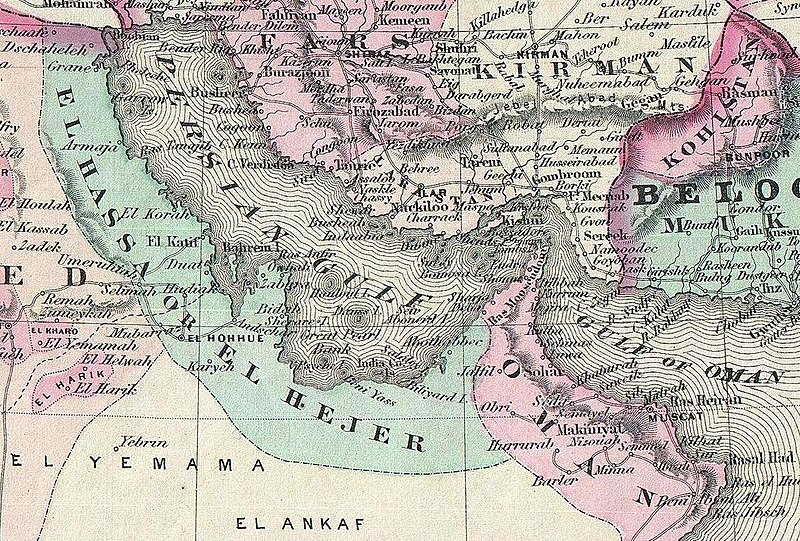
1962
The discovery of oil in the region marked a turning point in the history of the United Arab Emirates. Before this discovery, the economy of the region was largely based on fishing, pearling, and agriculture. However, the identification of oil reserves transformed the landscape and set the stage for unprecedented growth and development.
With the rise of oil production, the UAE witnessed rapid urbanization, modernization, and economic diversification. The revenue generated from the oil industry enabled the government to invest in infrastructure, healthcare, education, and other key sectors. This led to an improvement in the standard of living and quality of life for the people of the UAE.
The discovery of oil also attracted foreign investments and expertise, paving the way for collaborations with international partners. This global engagement allowed the UAE to establish itself as a key player in the global energy market and diversify its economy beyond oil.
The impact of the oil discovery extended beyond economic development. It played a crucial role in shaping the political landscape of the region, leading to the formation of the United Arab Emirates as a unified country. The newfound wealth from oil provided the resources needed to build a strong, stable nation.
Overall, the discovery of oil in the region was a watershed moment that transformed the United Arab Emirates into a thriving, modern state with a dynamic economy and a prominent position on the world stage.
#OilDiscovery #EconomicTransformation #UAEHistory
View detailsIn 1963, the town of Sharjah was designated as a free port, marking a pivotal economic development in the United Arab Emirates. This move aimed to stimulate trade activities and attract foreign investment to the region. Situated strategically along the Persian Gulf, Sharjah’s transformation into a free port facilitated the efficient movement of goods and positioned it as a key player in the global trade network.
The establishment of Sharjah as a free port significantly boosted the economy of the region, fostering rapid industrial growth and creating employment opportunities for the local population. It attracted a diverse range of businesses and industries to set up operations within its borders, leading to an influx of foreign capital and expertise. This not only enhanced Sharjah’s economic prosperity but also contributed to the overall development of the United Arab Emirates as a dynamic hub for commerce.
The impact of Sharjah’s designation as a free port extended beyond economic growth, influencing the cultural landscape of the region and fostering international relations. The increased trade activity fueled cultural exchange and interaction, enriching the social fabric of Sharjah and promoting intercultural dialogue. Furthermore, the establishment of the free port strengthened diplomatic ties with various countries, positioning the United Arab Emirates as a key player in the global trade arena.
The town of Sharjah's transition to a free port in 1963 marked a turning point in the economic history of the United Arab Emirates. By catalyzing economic growth, fostering international trade, and promoting cultural exchange, this event laid the foundation for Sharjah's emergence as a thriving commercial center in the region.
#SharjahFreePort #UAETradeHub #EconomicDevelopment
View details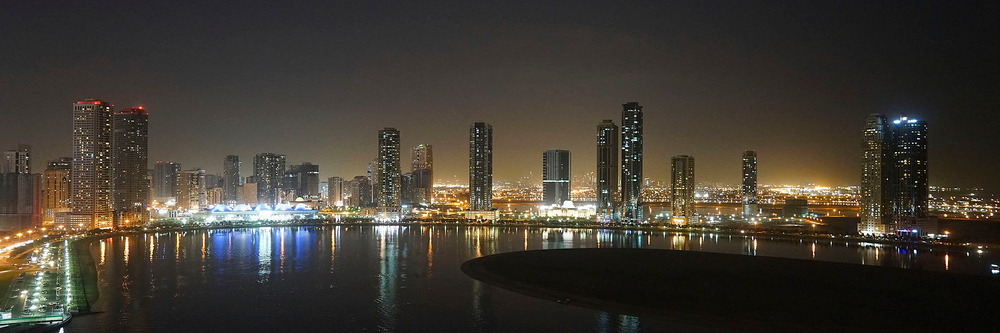
1960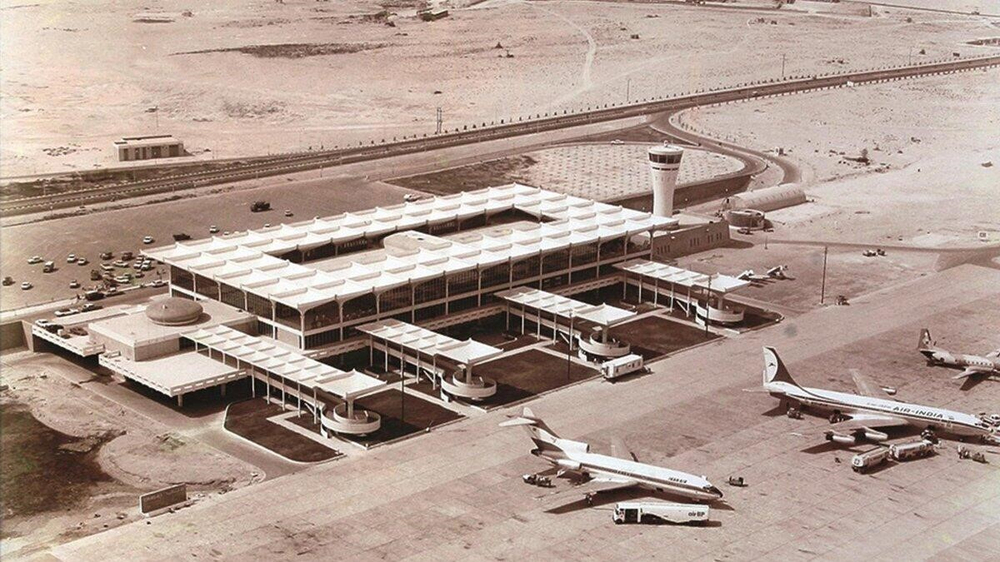
Dubai Airport, positioned strategically at the crossroads of Europe, Asia, and Africa, commenced operations in 9/30/1960. Built initially as a small airstrip in the desert, it has since evolved into a bustling international hub, connecting millions of passengers worldwide annually.
At its inception, the airport had a single runway, a tiny terminal, and limited facilities. However, as Dubai grew into a global business and tourism hub, the airport underwent significant expansions and upgrades to cater to the increasing demand for air travel. With visionary leadership and strategic investment, Dubai Airport transformed into one of the busiest and most advanced aviation hubs in the world.
The commencement of operations marked the beginning of Dubai's journey towards becoming a key player in the aviation industry. The airport's strategic location and state-of-the-art facilities attracted airlines from around the globe, boosting trade, tourism, and investments in the region. Over time, Dubai Airport became a vital link connecting continents and cultures, facilitating the flow of people and goods across borders.
The impact of Dubai Airport's operations reverberated beyond the borders of the United Arab Emirates, influencing global travel patterns and shaping the perception of the Middle East as a modern and cosmopolitan destination. As airlines introduced new routes and services, Dubai Airport emerged as a major transit point for passengers traveling between East and West.
Today, Dubai Airport stands as a symbol of the UAE's economic diversification and global ambitions. Its growth and success have propelled Dubai onto the world stage, attracting millions of visitors and businesses to the city each year. With ongoing expansion projects and innovations, Dubai Airport continues to set new benchmarks in the aviation industry, ensuring its position as a key player in the future of air travel.
#DubaiAirport #AviationHub #GlobalConnectivity #UAE #FutureOfAirTravel
View details1958
In October 27, 1958, the first oil discovery in the Abu Dhabi Emirate marked a turning point in the region's history. The discovery was made in the Murban Bab Oil Field, leading to the establishment of the Abu Dhabi Marine Areas (ADMA) Company in collaboration with foreign partners to exploit the newfound resource.
The impact of this discovery was transformative for the Abu Dhabi Emirate, propelling it from a traditional economy reliant on fishing and pearl diving to a modern, oil-rich state. The revenue generated from oil extraction enabled rapid infrastructural development, improving living standards and healthcare for the local population. The newfound wealth also allowed for investments in education and diversification of the economy.
The discovery of oil in Abu Dhabi had broader implications for the entire United Arab Emirates, as it paved the way for further exploration and the establishment of the UAE as a key player in the global oil market. The partnership with foreign oil companies not only brought in valuable expertise but also facilitated technology transfer and knowledge exchange.
Today, the oil industry remains a cornerstone of the UAE's economy, contributing significantly to its GDP and global influence. The legacy of the first oil discovery in Abu Dhabi continues to shape the country's development trajectory, with sustainable practices and economic diversification increasingly becoming priorities for the nation's future growth.
#AbuDhabiOilDiscovery #UAEHistory #EconomicTransformation #OilRichState
View details1956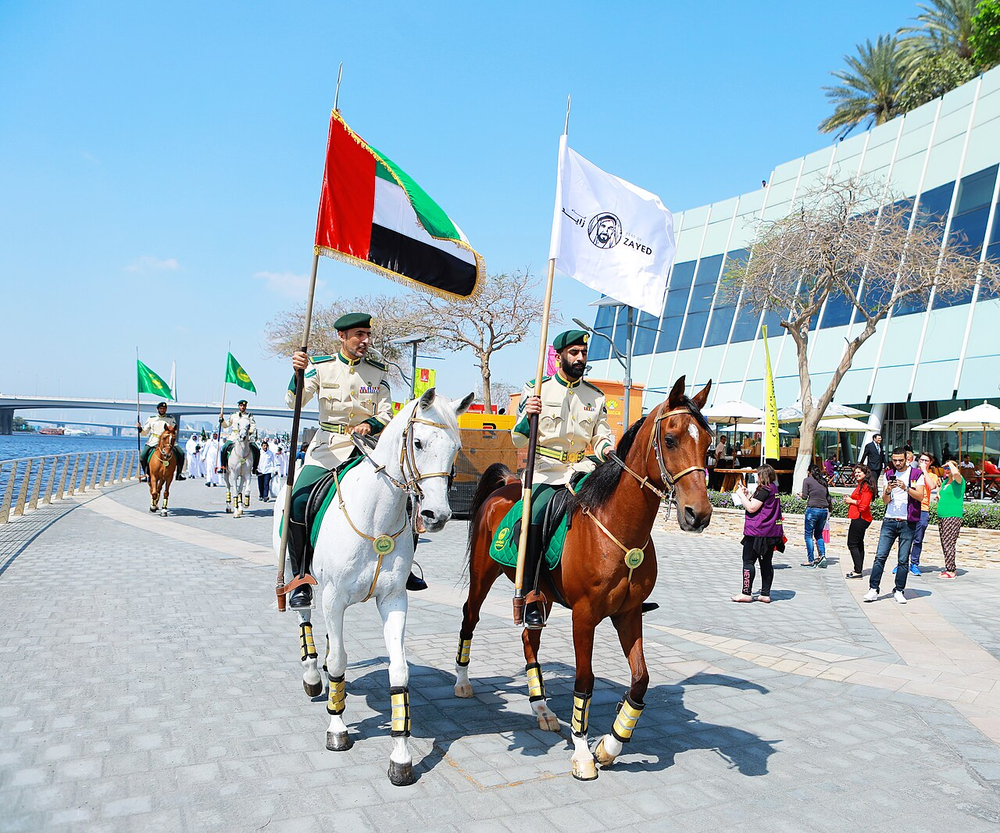
During the early days of Dubai's development as a prominent trading hub, the need for law enforcement became imperative. Prior to the establishment of the first police force, security in the city was largely informally managed by local tribes. Recognizing the necessity for a more organized and efficient system, the rulers of Dubai took a significant step by forming the first official police force.
The new police force was equipped with a mandate to maintain law and order, safeguard public safety, and regulate traffic within the growing city. Initially comprising a modest number of officers, the force underwent gradual expansion and modernization to keep pace with Dubai's rapid urbanization and population growth. The establishment of the police force marked a pivotal moment in Dubai's journey towards becoming a modern and well-structured society.
The impact of this development was profound, instilling a sense of security and stability among the residents and businesses in Dubai. The presence of a dedicated police force not only curbed crime but also contributed to enhancing the overall quality of life in the city. The force played a crucial role in enforcing laws, preventing criminal activities, and fostering a sense of discipline and orderliness.
Over the years, the Dubai Police Force has evolved into a sophisticated institution renowned for its professionalism, efficiency, and technological advancements. With a focus on community policing and proactive crime prevention measures, the force continues to serve as a pillar of support for the residents and visitors of Dubai. The establishment of the first police force laid the foundation for a robust security apparatus that plays a vital role in Dubai's status as a safe and welcoming destination.
#DubaiPolice #LawEnforcement #UrbanDevelopment
View details1951
In 1951, the Trucial Oman Scouts was established as a peacekeeping force in the region. The initiative aimed to maintain stability and ensure security across the Trucial States, which later contributed to the foundation of the United Arab Emirates.
This strategic move came in a time of increasing tensions in the region, with various tribal and political factions vying for power. The formation of the Trucial Oman Scouts played a crucial role in safeguarding the territories and facilitating peaceful coexistence among the diverse communities inhabiting the area.
The Scouts were instrumental in patrolling the region, resolving disputes, and upholding law and order. Their presence helped deter potential threats and conflicts, promoting a sense of security and stability that fostered social and economic development in the region.
The establishment of the Trucial Oman Scouts marked a turning point in the history of the region, laying the groundwork for the eventual unification of the Trucial States. This collective effort towards peace and security set the stage for the formation of the United Arab Emirates, uniting the seven emirates under a common vision of progress and prosperity.
The legacy of the Trucial Oman Scouts continues to resonate in the UAE, serving as a reminder of the importance of cooperation, vigilance, and diplomacy in maintaining peace and stability in the region. Their dedication and commitment to peacekeeping have had a lasting impact on the country's history and its journey towards becoming a thriving nation.
#TrucialOmanScouts #Peacekeeping #UAEHistory #Unity #Stability
View details1912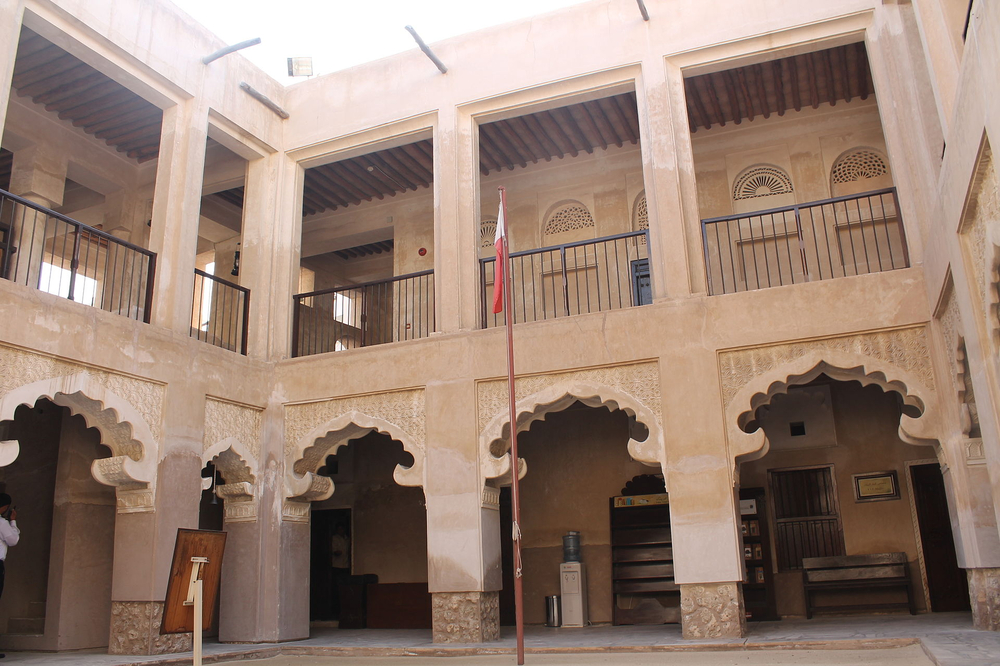
In the early 20th century, Dubai witnessed the opening of its first school, marking a pivotal moment in the educational landscape of the region. The initiative was driven by a growing recognition of the importance of education in the development of the community and the future generations. The school aimed to provide basic education to children, paving the way for a brighter future.
The establishment of the first school in Dubai had a profound impact on the local society. It provided access to education for children who previously had limited opportunities for learning. With the introduction of formal education, literacy rates began to improve, enabling individuals to acquire essential skills and knowledge.
The school was a hub of learning, where students gathered to expand their horizons and enrich their minds. Teachers played a crucial role in shaping the young minds and instilling a love for learning. The curriculum focused on fundamental subjects such as language, mathematics, and science, equipping students with a strong foundation for their academic journey.
As the first school in Dubai, it set a precedent for the establishment of more educational institutions in the region, laying the groundwork for a comprehensive education system. The opening of the school was a testament to the community's commitment to investing in the future and empowering the younger generation.
Overall, the inauguration of Dubai's first school was a landmark moment that marked the beginning of a new era in education. It opened doors to opportunity, knowledge, and progress, shaping the future of the community for generations to come.
#DubaiEducation #HistoricMilestone #CommunityDevelopment
View details1909
On August 19, 1909, Dubai witnessed the inauguration of its first official postal service, marking a significant step in the emirate's modernization and integration into global communication networks. This event, though seemingly modest at the time, laid the foundation for Dubai's development into a key hub for trade, business, and international relations in the decades to come.
The Context of Early 20th Century Dubai
At the dawn of the 20th century, Dubai was a small but strategically located trading port on the Arabian Gulf. The region, part of what was known as the Trucial States under British protection, was known for its pearl diving industry and trade routes that connected it with India, Persia, and the wider Arabian Peninsula. However, the infrastructure in Dubai and the surrounding emirates was still in its nascent stages, with limited facilities for communication and transportation.
The need for a reliable postal service became increasingly apparent as Dubai’s economy and its connections with the outside world began to grow. Merchants, residents, and officials required a more organized way to send and receive correspondence, especially as trade with distant markets expanded.
Establishment of the Postal Service
The inauguration of Dubai’s postal service on August 19, 1909, was a significant milestone in the emirate's history. The postal service was established under the auspices of the British Empire, which had a vested interest in maintaining secure and efficient communication routes across its vast territories, including the Persian Gulf.
Initially, the Dubai post office was managed as part of the Indian postal system, reflecting the close economic and political ties between the Gulf and British India at the time. The office was located in a small building in the Al Bastakiya area of Dubai, which was then the heart of the town's commercial and administrative activities.
The postal service provided a crucial link between Dubai and the wider world, allowing for the regular exchange of letters, documents, and small parcels. It also served as a means for local residents to communicate with relatives and business partners in other parts of the Gulf, India, and beyond. The service was initially limited, with mail being transported by dhow (traditional sailing vessels) or by overland routes to and from the British Residency in Bushire (in modern-day Iran) and other regional centers.
Growth and Impact
The establishment of the postal service in Dubai played an important role in the emirate's gradual modernization. As Dubai grew in importance as a trading port, the demand for postal services increased, leading to the expansion of facilities and services. The postal network helped to facilitate trade, enabling merchants to send and receive orders, contracts, and payments more efficiently.
Over time, the postal service in Dubai evolved, with improvements in infrastructure and technology. The introduction of air mail services in the mid-20th century further enhanced Dubai's connectivity with the world, allowing for faster and more reliable communication.
Legacy
The inauguration of Dubai's postal service in 1909 was a small but pivotal moment in the history of the United Arab Emirates. It symbolized the beginning of Dubai's transformation from a small coastal town into a global city with extensive connections to the rest of the world. The development of communication infrastructure, including the postal service, was a key factor in Dubai's emergence as a major center for trade, finance, and tourism in the 20th and 21st centuries.
Today, Dubai is known for its advanced communication and logistics networks, playing a central role in global commerce. The humble beginnings of its postal service over a century ago laid the groundwork for the emirate's ongoing success as a key player on the world stage.
#MomentsOfLife #MoofLife_Moment #MoofLife #Dubai #PostalService #UAEHistory #GlobalTrade #Modernization
View details1894
In 1894, Sheikh Maktoum bin Hasher Al Maktoum ascended to become the Ruler of Dubai after the passing of his father, Sheikh Hasher bin Maktoum Al Maktoum. Sheikh Maktoum brought stability and growth to Dubai during his reign, focusing on developing the economy and infrastructure of the region. Under his leadership, Dubai saw advancements in trade, fishing, and pearling industries, boosting the overall prosperity of the emirate.
Sheikh Maktoum's rule marked a pivotal moment in Dubai's history as he implemented various reforms to modernize the city and improve the living standards of its residents. He fostered diplomatic relations with neighboring tribes and countries, establishing Dubai as a key player in the region's political landscape. His leadership laid the foundation for Dubai's future as a thriving global hub.
The ascension of Sheikh Maktoum bin Hasher Al Maktoum as the Ruler of Dubai had a lasting impact on the emirate, shaping its trajectory for years to come. His vision and strategic decisions set the stage for Dubai's transformation into a cosmopolitan metropolis known for its innovation, diversity, and economic prosperity. The legacy of his rule continues to resonate in the modern-day identity of Dubai as a dynamic and forward-thinking city.
#SheikhMaktoumbinHasherAlMaktoum #RulerofDubai #HistoricLeadership #DubaiDevelopment #LegacyofInnovation
View details1892
In 1892, an agreement was reached between the Trucial States and Britain, granting Britain authority over foreign affairs while entrusting each emirate with control over internal matters. This accord solidified Britain's influence in the region, allowing them to navigate foreign relations on behalf of the Trucial States.
Before the agreement, the Trucial States, comprising several Gulf emirates, had informal arrangements with Britain to ensure protection against external threats. The newfound deal formalized this relationship, offering a clear division of responsibilities. Britain's dominion over foreign affairs aimed to safeguard the interests of the Trucial States on the global stage, assisting in matters such as diplomacy and trade relations. Meanwhile, the emirates retained autonomy over internal affairs, including governance and local regulations.
The agreement marked a pivotal moment for the Trucial States, as it provided a framework for governance that balanced external support with internal sovereignty. This arrangement laid the foundation for the modern relationship between the United Arab Emirates and Britain, shaping the trajectory of the region's development.
In conclusion, the deal between the Trucial States and Britain in 1892 delineated spheres of influence, granting Britain control over foreign affairs and each emirate jurisdiction over internal matters. This agreement was instrumental in shaping the governance and diplomatic landscape of the region, setting the stage for future relations and developments. #TrucialStates #BritishInfluence #EmiratiAutonomy #ForeignAffairs #InternalAffairs
View details1853
On May 4, 1853, the Trucial States came into existence when seven tribal sheikhdoms on the southeastern Persian Gulf coastline signed the Perpetual Maritime Truce. This agreement was a renewal of the maritime truce that the sheikhdoms had with Britain since the early 19th century. The Trucial States were composed of Abu Dhabi, Dubai, Sharjah, Ajman, Umm Al Quwain, Fujairah, and Ras Al Khaimah.
Under the protection of the British Empire, the Trucial States were able to maintain stability and security in the region, facilitating trade and development. The British presence also played a significant role in navigating disputes among the sheikhdoms and with neighboring countries.
#TrucialStates #Sheikhdoms #BritishProtection #UAEHistory #Cooperation #Unity
View details1822
The establishment of Dubai as a fishing village marked a crucial turning point in its history. Situated along the coast, the village emerged as a hub for pearl diving and fishing activities, supported by its strategic location and abundant marine resources. The local economy flourished as trade routes expanded, attracting merchants from neighboring regions. Dubai's position along these routes contributed to its growth and evolution into a bustling trading port.
The fishing village provided sustenance for its inhabitants and played a significant role in shaping the cultural identity of the community. Traditional fishing techniques were passed down through generations, fostering a deep connection to the sea and its resources. As the village prospered, it attracted settlers from various backgrounds, enriching its cultural tapestry.
The impact of the establishment of Dubai as a fishing village reverberated beyond its shores. It laid the foundation for the city's future development as a global business and tourism hub. The maritime heritage ingrained in the village's roots continues to be celebrated today, serving as a reminder of Dubai's humble beginnings.
#Dubai #FishingVillage #MaritimeHeritage #TradingHub
View details1820
In 1820, Britain and local rulers from the Gulf coast joined forces to combat the long-standing issue of piracy in the region. Recognizing the need for collaboration to safeguard their maritime trade routes, they came together to sign a treaty aimed at suppressing piracy activities along the coast.
The treaty marked a pivotal moment in the region's history as it laid the foundation for future agreements that would enhance security and stability along the Gulf coast. As a result of this initial treaty and subsequent collaborations, the area came to be known as the Trucial Coast, reflecting the commitment to maintaining peace and order in the region.
The agreement not only helped in curbing piracy but also fostered closer ties between the local rulers and the British authorities. This partnership proved to be beneficial for both parties, as it facilitated smoother trade operations and paved the way for increased cooperation on various fronts.
Over time, the Trucial Coast evolved into a strategic hub for maritime activities, attracting traders, sailors, and settlers from different parts of the world. The region's growing significance as a trading center can be attributed in part to the efforts made to combat piracy and uphold maritime security.
The treaty signed in 1820 laid the groundwork for a series of agreements that would shape the future trajectory of the region, culminating in the formation of the United Arab Emirates in 1971. The legacy of cooperation and mutual respect established during this period continues to resonate in the UAE's approach to international relations and governance.
#PiracySuppression #TrucialCoastTreaty #MaritimeSecurity #UAEHistory
View details1819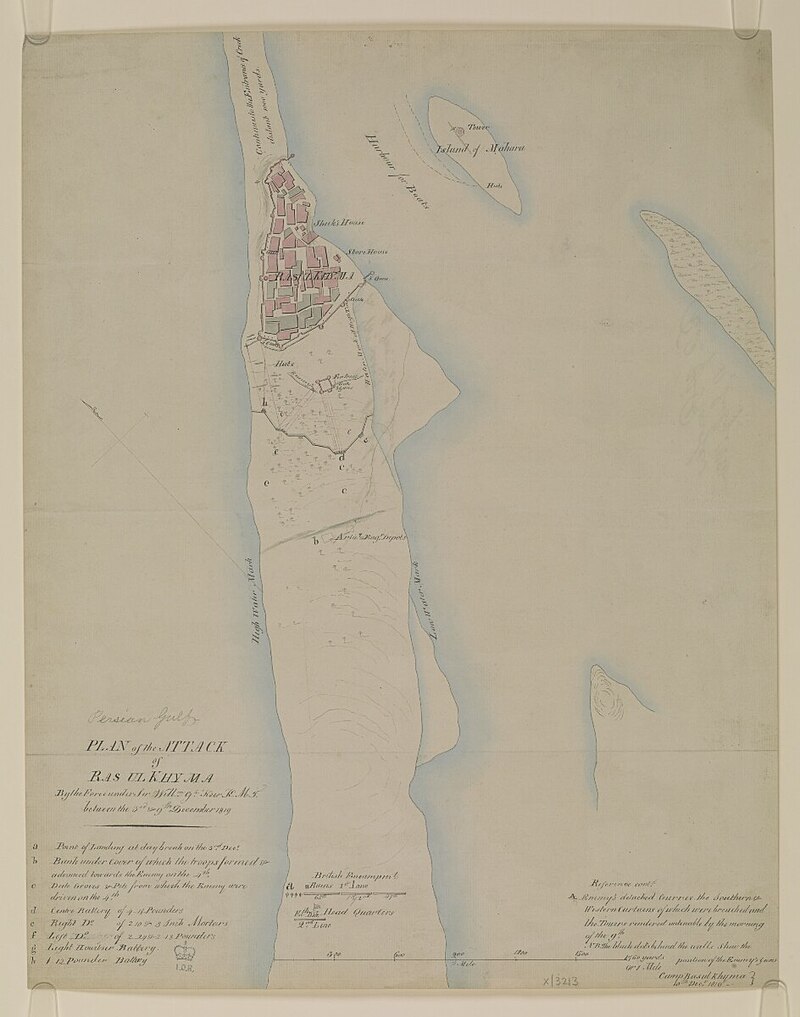
Amidst rising piracy activities in the Gulf waters, the British launched an expedition against the Al Qasimi pirates who had been a menace to maritime trade. The Al Qasimi tribe, based in the coastal region of present-day United Arab Emirates, had been disrupting trade routes and seizing vessels passing through the Strait of Hormuz.
In response to increasing attacks on British ships, the East India Company dispatched a naval force led by Captain Wainwright to tackle the pirates. The British expedition aimed to put an end to the pirate activities and safeguard the strategic waterways crucial for international trade.
The expedition culminated in a series of battles that resulted in the defeat of the Al Qasimi forces. The British forces targeted Ras Al Khaimah, a stronghold of the pirates, and inflicted significant losses on them. The decisive victory of the British expedition weakened the power of the Al Qasimi tribe and sent a strong message against piracy in the region.
The repercussions of the British expedition against the Al Qasimi pirates were profound. It not only curbed the piracy activities in the Gulf waters but also established British dominance in the region. The defeat of the pirates paved the way for the British to exert control over the maritime trade routes and secure their colonial interests in the Gulf.
By eliminating the threat posed by the Al Qasimi pirates, the British expedition contributed to stabilizing the region and ensuring the safety of international trade passing through the strategic Strait of Hormuz. The expedition marked a turning point in the efforts to combat piracy in the Gulf waters and underscored the importance of maritime security for global commerce.
#BritishExpedition #AlQasimiPirates #MaritimeSecurity #HistoricBattle #GulfWaters
View details