
United Arab Emirates

The Emirates
Related Lives

Ethiopia
Federal Democratic Republic of Ethiopia

Bosnia and Herzegovina
The Land of Golden Lilies

Haiti
The Resilient Spirit of Haiti

Ottoman Empire
A global superpower for over 600 years

Burkina Faso
The Heart of West Africa

Bhutan
Land of the Thunder Dragon

South Korea
The Land of Morning Calm

Portugal
The Land of Explorers

1792
In the late 18th century, the Al Nahyan dynasty solidified its rule in Abu Dhabi, marking a pivotal moment in the region's history. The Al Nahyan tribe had been prominent in the region for many years, known for their leadership and influence. However, it was not until 1793 that they officially established their dynasty in Abu Dhabi.
The establishment of the Al Nahyan dynasty in Abu Dhabi brought stability and unity to the region. Under their leadership, Abu Dhabi experienced significant growth and development, both economically and politically. The Al Nahyan rulers implemented various policies that helped to strengthen the emirate and improve the living conditions of its people.
The impact of the Al Nahyan dynasty's establishment in Abu Dhabi can still be felt today. The rulers of the dynasty have played a crucial role in the formation and development of the United Arab Emirates. Their leadership has helped to shape the country into the modern and prosperous nation it is today.
The Al Nahyan dynasty's establishment in Abu Dhabi marked the beginning of a new era for the region. It laid the foundation for the growth and success that Abu Dhabi and the UAE would experience in the centuries to come. Today, the dynasty continues to play a vital role in the governance and development of the UAE, upholding the legacy of their ancestors.
#AlNahyanDynasty #AbuDhabi #UAEHistory #UnityAndStability
View details1760
In 1761, the Bani Yas tribe established Abu Dhabi as a humble fishing village on the Arabian Gulf coast. The tribe, led by the Al Nahyan family, chose this strategic location for its abundant marine resources and fertile land for agriculture. The area's natural harbor also facilitated trade and pearl diving activities.
Over time, Abu Dhabi evolved into a vital trading hub, connecting the region to the outside world. The village's strategic location attracted merchants and traders, contributing to its economic growth and cultural diversity. The Bani Yas tribe's leadership ensured stability and security, fostering the village's development.
The founding of Abu Dhabi marked the beginning of the emirate's rise to prominence in the region. As the village expanded into a town and later a city, it became the capital of the United Arab Emirates. Abu Dhabi's growth transformed it into a modern metropolis while preserving its rich cultural heritage.
Today, Abu Dhabi stands as a testament to the vision and determination of the Bani Yas tribe. The spirit of resilience and innovation that characterized the village's founding continues to drive the city's progress and success. The legacy of the Bani Yas tribe lives on in Abu Dhabi's vibrant communities, thriving economy, and iconic landmarks.
#AbuDhabi #BaniYasTribe #EmiratiHeritage #CulturalTransformation #EconomicHub
View details1722
In the early 18th century, the Al Qasimi dynasty established its authority in the region that would eventually become part of the United Arab Emirates. Led by the ambitious Al Qasimi family, this crucial event laid the foundation for the long-standing influence and power that the dynasty would wield in the following centuries.
Originating from the Arabian Peninsula, the Al Qasimi clan was known for their seafaring skills and intricate knowledge of maritime trade routes. Taking advantage of their strategic location along the coast, they quickly rose to prominence as dominant players in regional trade and politics.
With strong leadership and a shrewd understanding of diplomacy, the Al Qasimi dynasty managed to forge alliances with neighboring tribes and secure key trade routes, solidifying their control over the region. Their authority extended not only over land but also reached far into the waters, enabling them to dominate maritime trade in the Persian Gulf.
The establishment of the Al Qasimi dynasty marked a significant turning point in the history of the region, shaping its political landscape for generations to come. The dynasty's influence extended beyond territorial boundaries, as they played a crucial role in regional geopolitics and maintained diplomatic relations with various powers in the Indian Ocean.
As the Al Qasimi dynasty consolidated its power and expanded its influence, they became synonymous with wealth, trade, and maritime prowess. Their legacy continues to resonate in the modern-day United Arab Emirates, where their contributions to the region's cultural and historical identity are still celebrated.
#AlQasimiDynasty #UAEHistory #MaritimeTrade #PoliticalLegacy
View details1505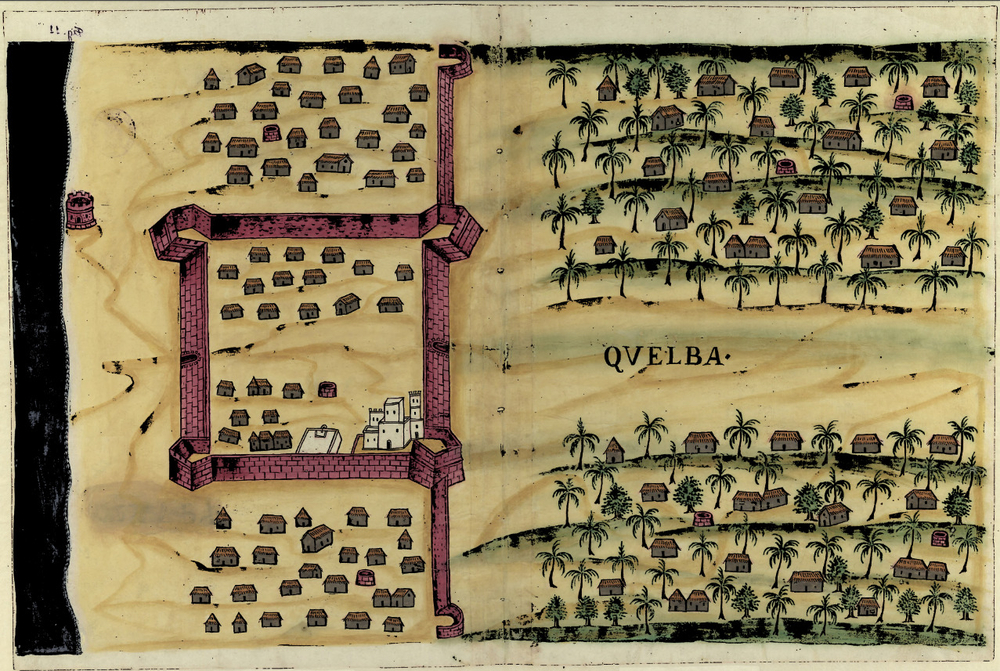
Portuguese explorers set up a trading post on Khor Kalba island in the eastern region of present-day UAE. This strategic location allowed them to establish a foothold in the lucrative trade routes of the Indian Ocean. The Portuguese were renowned for their maritime expertise and sought to control the spice trade in the region.
The trading post at Khor Kalba provided the Portuguese with a convenient stopover point for their ships traveling between Europe and Asia. It also served as a base for their naval operations in the Indian Ocean, allowing them to protect their interests and assert their dominance over other European powers in the area.
The presence of the Portuguese on Khor Kalba island had a significant impact on the region. It brought about cultural exchanges between the Portuguese and the local population, influencing language, customs, and trade practices. The establishment of the trading post also played a role in shaping the geopolitical landscape of the Indian Ocean, as European powers vied for control of key trade routes and resources.
Despite the Portuguese's initial success in setting up the trading post, their presence in the region was not without opposition. Local tribes and competing European powers often challenged their control, leading to conflicts and power struggles in the area. Ultimately, the Portuguese trading post on Khor Kalba island would play a part in the broader history of European colonialism in the region.
#PortugueseExplorers #TradeRoutes #IndianOcean #CulturalExchange #Geopolitics
View details1400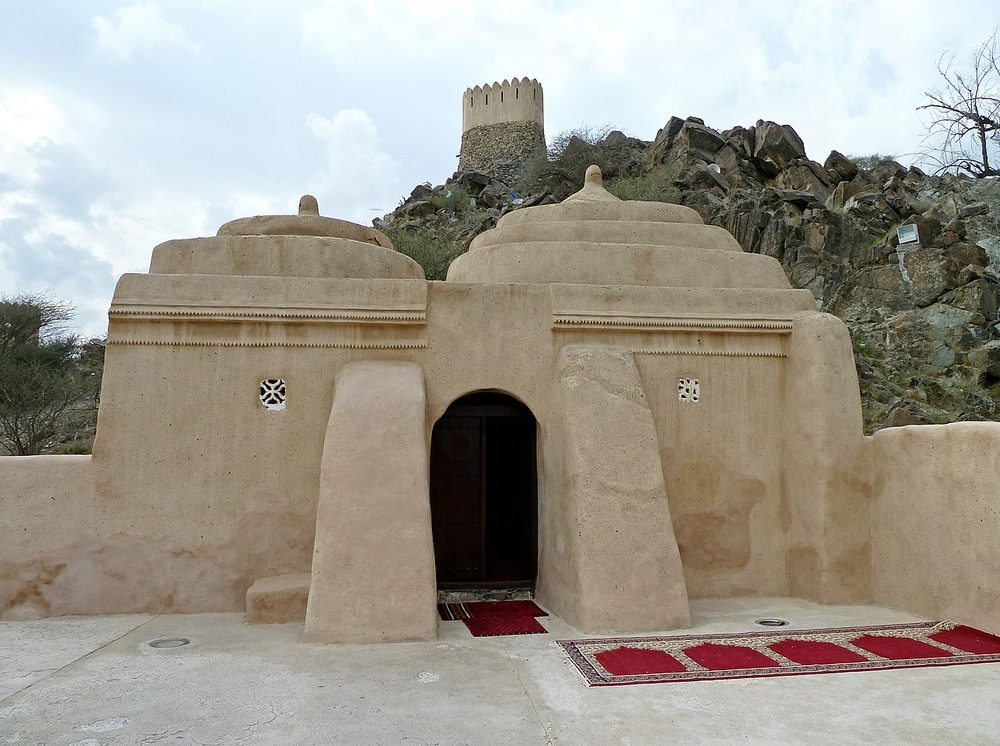
Centuries ago, the Al-Bidyah Mosque was erected in what is now the United Arab Emirates, serving as a landmark of religious significance. This mosque stands as the oldest known in the region, boasting unique architectural features that continue to draw visitors worldwide.
The construction of the Al-Bidyah Mosque marked an important milestone in the development of Islamic heritage in the UAE. Its design mirrors traditional Islamic architecture, with an iconic square minaret and a prayer hall adorned with intricate details. The mosque's walls are built with materials like stone, mud bricks, and palm fronds, reflecting the craftsmanship of its builders.
Over the years, the Al-Bidyah Mosque has become a symbol of cultural identity for the local community, playing a crucial role in preserving the country's history. It stands as a testament to the spiritual and architectural legacy of the region, attracting both worshippers and tourists eager to explore its ancient beauty.
The impact of the Al-Bidyah Mosque extends beyond its architectural significance. It serves as a gathering place for worshippers, fostering a sense of community and spiritual connection among its visitors. The mosque's historical value has also contributed to the promotion of cultural tourism in the UAE, highlighting the country's rich heritage and traditions.
In conclusion, the construction of the Al-Bidyah Mosque represents a timeless testament to the religious and architectural heritage of the United Arab Emirates. Its historical significance and cultural value continue to resonate with visitors from around the world, making it a revered destination for those seeking to explore the country's past and present. #AlBidyahMosque #OldestMosque #UAEHeritage #CulturalTourism
View details1332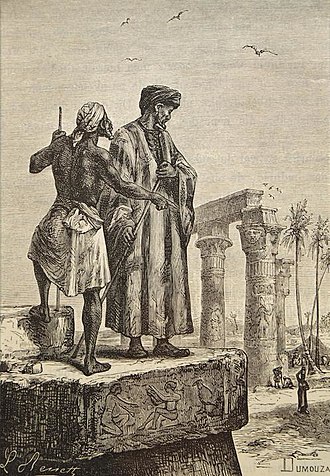
"Ibn Battuta, a renowned Moroccan explorer and scholar, arrived in the Emirates during his extensive travels across the Muslim world. His arrival marked a significant juncture in the history of the region.
Ibn Battuta's journey was motivated by a desire to visit holy sites, seek knowledge, and experience diverse cultures. He documented his travels in great detail, providing invaluable insights into the societies, economies, and governance of the places he visited.
Upon his arrival in the Emirates, Ibn Battuta immersed himself in the local customs and traditions, engaging with the inhabitants and learning about their way of life. His observations shed light on the social dynamics, trade networks, and political structures of the Emirates at that time.
Ibn Battuta's presence in the Emirates had a lasting impact on the local community, influencing cultural exchange, trade relations, and intellectual discourse. His accounts of the region contributed to a broader understanding of the interconnectedness of the Muslim world and facilitated the exchange of ideas and technologies.
The arrival of Ibn Battuta to the Emirates underscores the historical significance of the region as a hub of trade, travel, and intellectual exchange. His travels serve as a reminder of the rich tapestry of cultures that have shaped the Emirates over the centuries.
#IbnBattuta #Travel #CulturalExchange #Exploration #History #UAE"
View details1322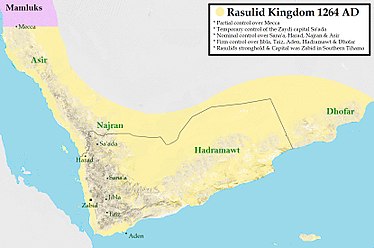
In the region that would later become part of the United Arab Emirates, the Rasulid Dynasty undertook the establishment of a fortified town to strengthen their presence in the area. This move was strategic, aiming to enhance their control over the territory and safeguard their interests. The fortified town served as a military and administrative center, enabling the Rasulid Dynasty to exert authority and manage the resources of the region effectively.
The impact of establishing a fortified town was significant, as it not only solidified the power of the Rasulid Dynasty in the area but also contributed to the development of trade and infrastructure. The town attracted merchants, craftsmen, and settlers, leading to economic growth and cultural exchange. Furthermore, the presence of a fortified town bolstered defense capabilities, deterring potential threats and ensuring stability in the region.
The establishment of this fortified town by the Rasulid Dynasty marked a pivotal moment in the history of the region, shaping its trajectory for years to come. It symbolized the consolidation of authority, the expansion of influence, and the promotion of prosperity. The legacy of this fortified town endured through generations, leaving a lasting imprint on the landscape and the collective memory of the inhabitants.
Overall, the establishment of a fortified town by the Rasulid Dynasty in the region was a crucial milestone that reverberated across time, leaving a legacy of strength, resilience, and growth. It showcased the prowess of the dynasty in strategic planning and governance, laying the foundation for the flourishing of the region. The fortified town became a symbol of resilience, unity, and progress, embodying the spirit of determination and vision that characterized the era.
#RasulidDynasty #FortifiedTown #UnitedArabEmirates #StrategicDevelopment
View details