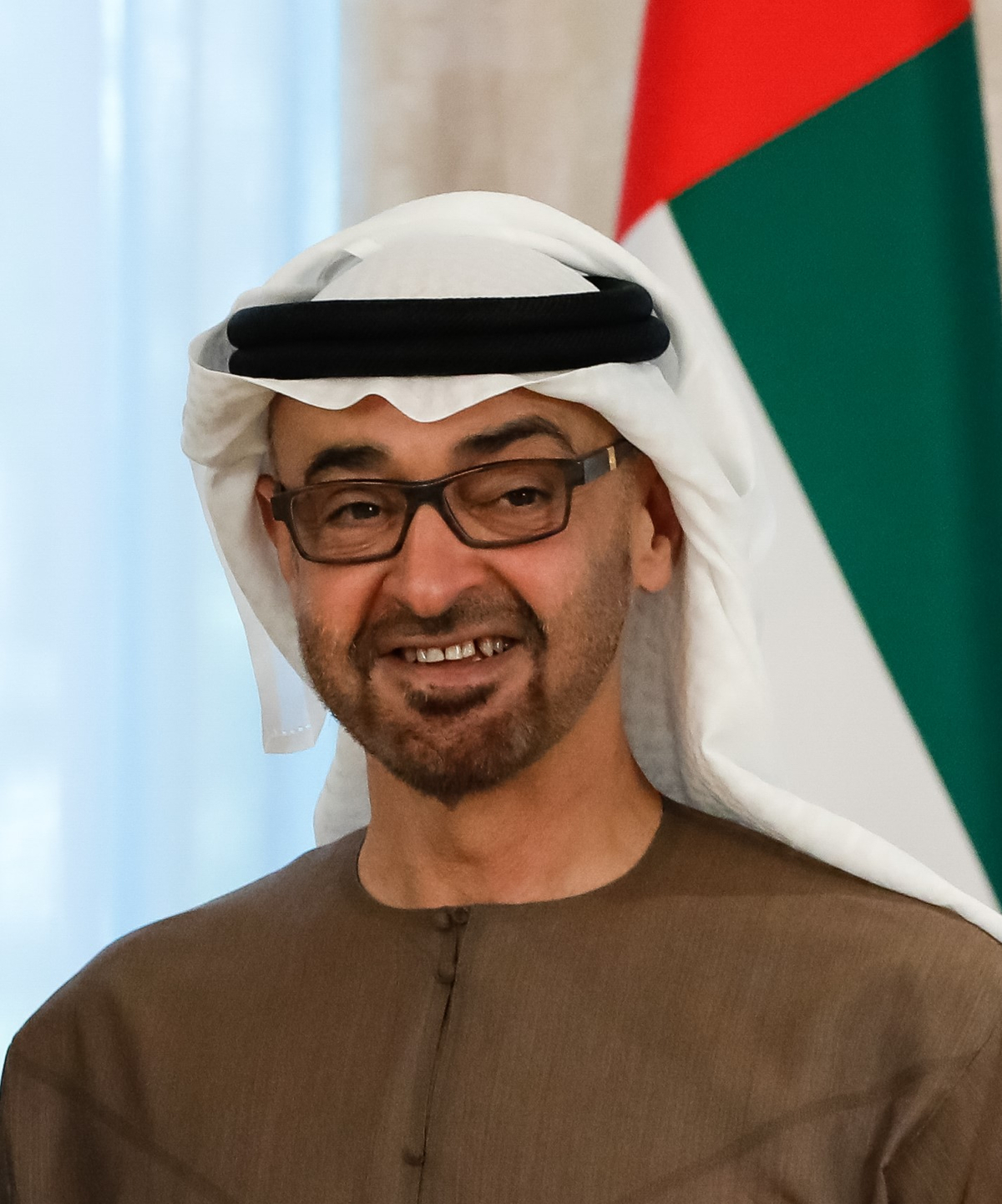
Abu Dhabi Crown Prince named UAE's de facto leader
United Arab Emirates
Political
4 min read
Updated By: History Editorial Network (HEN)
Published:
In 2004, Abu Dhabi Crown Prince, Sheikh Mohammed bin Zayed, assumed the role of de facto leader of the United Arab Emirates. This transition of power occurred as Sheikh Zayed, the founder and then-ruler of the UAE, was in declining health. Sheikh Mohammed bin Zayed, the third son of Sheikh Zayed, had been taking on more responsibilities in governing the country and had gained significant influence in decision-making prior to officially becoming the de facto leader.
Sheikh Mohammed bin Zayed's rise to power had a profound impact on the direction of the UAE. Under his leadership, there was a renewed focus on modernization, economic diversification, and strengthening the country's position on the global stage. His leadership style was characterized by pragmatism, strategic thinking, and a strong emphasis on investing in education, infrastructure, and sustainable development.
As the de facto leader, Sheikh Mohammed bin Zayed played a key role in shaping the UAE's foreign policy, forging alliances with other countries, and promoting stability in the region. His vision for the UAE included building a knowledge-based economy, promoting innovation and entrepreneurship, and investing in sectors such as renewable energy and technology.
Overall, Sheikh Mohammed bin Zayed's ascension to the role of de facto leader marked a new chapter in the history of the UAE. His leadership brought stability, prosperity, and strategic vision to the country, ensuring its continued growth and success on the international stage.
#SheikhMohammedbinZayed #UAEleadership #Modernization #GlobalInfluence #Stability

Explore the Life Moments of
 AI Twin