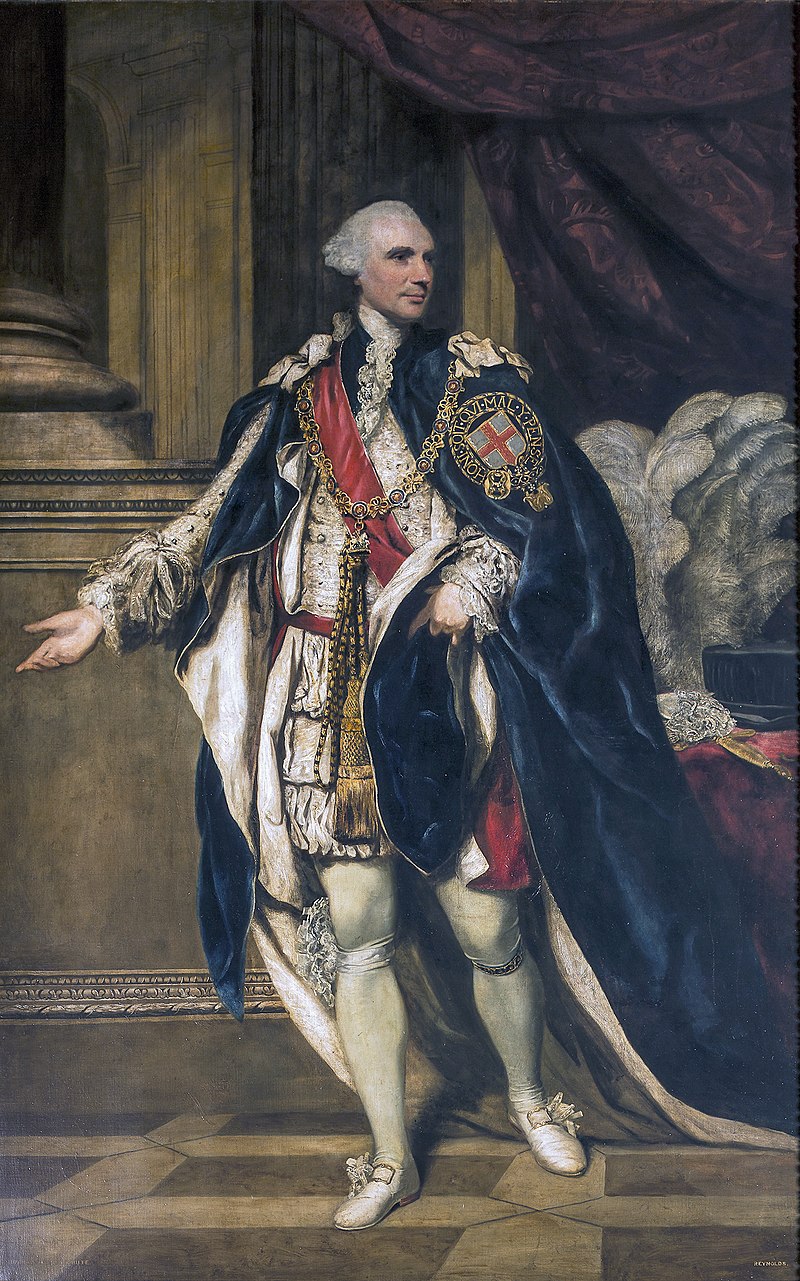
John Stuart becomes the Prime Minister
Appointment of the Prime Minister
6 min read
Updated By: History Editorial Network (HEN)
Published:
On May 26, 1762, John Stuart, 3rd Earl of Bute, became Prime Minister of Great Britain. His ascent to this high office marked a significant moment in British political history, as Bute was the first Scottish Prime Minister and the first to serve under King George III, who had ascended to the throne in 1760.
John Stuart was born on May 25, 1713, and was educated at Eton College and the University of Leiden. His political career began in earnest when he was elected as a Scottish representative peer in 1737. Stuart's rise to power was greatly facilitated by his close relationship with the royal family, particularly his role as the tutor and confidant to the young George III. This connection proved pivotal when George III became king, as he leaned heavily on Bute for advice and support.
Bute's tenure as Prime Minister was relatively brief, lasting from May 1762 to April 1763. Despite its short duration, his time in office was marked by significant events and challenges. One of his first major acts was negotiating the Treaty of Paris in 1763, which ended the Seven Years' War. The treaty had substantial implications, reshaping the geopolitical landscape by redistributing colonial possessions among the European powers. Britain emerged from the war with significant territorial gains, particularly in North America, where it secured Canada from France and Florida from Spain.
Domestically, Bute faced considerable opposition and controversy. His appointment was met with skepticism and hostility, partly due to his Scottish heritage and perceived favoritism by the king. Bute's lack of political experience and his aloof, aristocratic demeanor did not endear him to either the public or the political establishment. He also faced criticism for his decision to implement a cider tax in 1763, which was highly unpopular and contributed to his increasing unpopularity.
Bute's administration struggled with internal dissent and political maneuvering. The Whig party, which had dominated British politics for decades, was particularly hostile to his leadership. His inability to build a broad base of support within Parliament and the ongoing public protests against his policies and personality ultimately led to his resignation in April 1763, less than a year after he took office.
Despite his brief tenure and the controversies that surrounded it, John Stuart, the 3rd Earl of Bute, left an indelible mark on British politics. His rise to power highlighted the complex dynamics between the monarchy and Parliament, and his struggles underscored the challenges of governance during a period of significant change and turmoil. Bute's legacy is a testament to the often tumultuous and unpredictable nature of political leadership in 18th-century Britain.
#PrimeMinisters #JohnStuart #BritishHistory #1762 #MomentsOfLife #MoofLife_Moment #MoofLife
Primary Reference
John Stuart
Explore the Life Moments of
 AI Twin