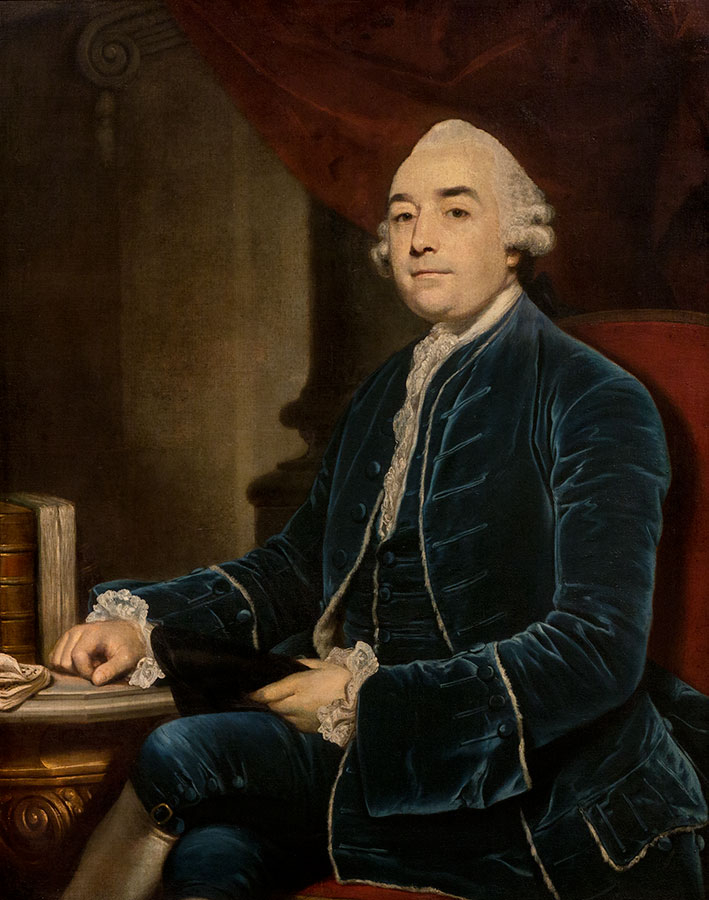
William Petty becomes the Prime Minister
Appointment of the Prime Minister
3 min read
Updated By: History Editorial Network (HEN)
Published:
In the event known as 'William Petty,' a crucial moment in British political history unfolded when William Petty, also known as Lord Shelburne, was appointed as the Prime Minister of the United Kingdom.
Born into an Irish aristocratic family, William Petty was a skilled politician and economist who played a significant role in shaping British foreign policy and domestic affairs. His appointment marked a pivotal transition in leadership following the American Revolutionary War, as he succeeded Lord Rockingham as Prime Minister.
Under William Petty's leadership, the UK sought to negotiate peace with the newly formed United States and other European powers. His diplomatic efforts helped secure the Treaty of Paris in 1783, formally ending the war with the United States and recognizing its independence.
William Petty's tenure as Prime Minister was characterized by his strong advocacy for free trade, economic reforms, and a pragmatic approach to governance. Despite facing criticism and opposition from political rivals, he made significant strides in stabilizing the British economy and strengthening international relations.
Overall, the appointment of William Petty as Prime Minister marked a critical juncture in British history, shaping the country's foreign policy and economic direction for years to come. His legacy remains influential in the fields of politics, economics, and international relations.
#WilliamPetty #PrimeMinister #UKHistory #TreatyofParis
Primary Reference
William Petty, 2nd Earl of Shelburne - Wikipedia
Explore the Life Moments of
 AI Twin