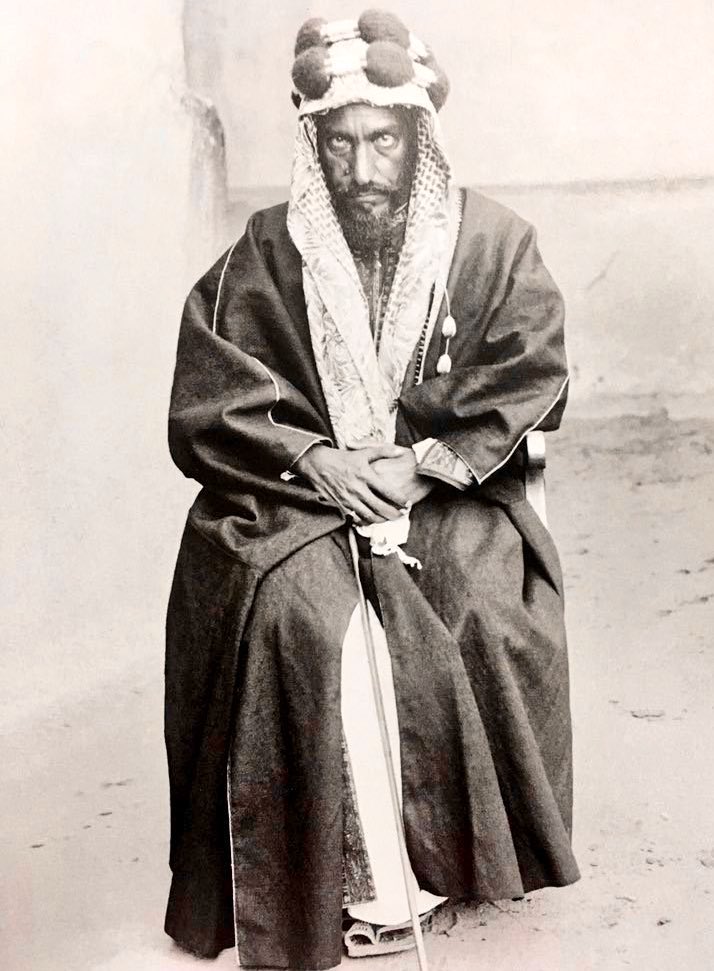
Death of Abdullah bin Saud
Saudi Arabia
Political
Religious.
4 min read
Updated By: History Editorial Network (HEN)
Published:
Abdullah bin Saud, the founder of the Second Saudi State, met his demise in the early 19th century. He was a key figure in the Wahhabi movement, advocating for a puritanical form of Islam. Under his leadership, the Second Saudi State gained momentum and expanded its influence across the Arabian Peninsula.
However, Abdullah's aggressive expansionist policies drew the attention of the Ottoman Empire, which saw the rising power of the Second Saudi State as a threat to its own interests in the region. In response, the Ottomans launched a military campaign against Abdullah and his forces. After a series of battles, Abdullah was captured and subsequently executed.
The death of Abdullah bin Saud had a significant impact on the political landscape of the Arabian Peninsula. With his demise, the leadership of the Second Saudi State was thrown into disarray, leading to a power vacuum that invited further intervention from external powers. The Ottoman Empire took advantage of the situation and moved to dismantle the Second Saudi State, bringing an end to Abdullah's ambitions of creating a Wahhabi caliphate in the region.
Despite his death, Abdullah bin Saud's legacy lived on through the continued influence of the Wahhabi movement in the Arabian Peninsula. The ideology he propagated continued to shape the religious and political landscape of the region for years to come, leaving a lasting impact on the development of Saudi Arabia as a nation.
The death of Abdullah bin Saud marked a turning point in the history of the Arabian Peninsula, highlighting the complexities of power dynamics and external interventions in the region. It serves as a reminder of the enduring influence of religious movements in shaping the political landscape of Saudi Arabia and the broader Middle East. #AbdullahbinSaud #SecondSaudiState #WahhabiMovement

Explore the Life Moments of
 AI Twin