Abbasid Caliph Reclaims Mecca's Black Stone
Saudi Arabia
Religious
4 min read
Updated By: History Editorial Network (HEN)
Published:
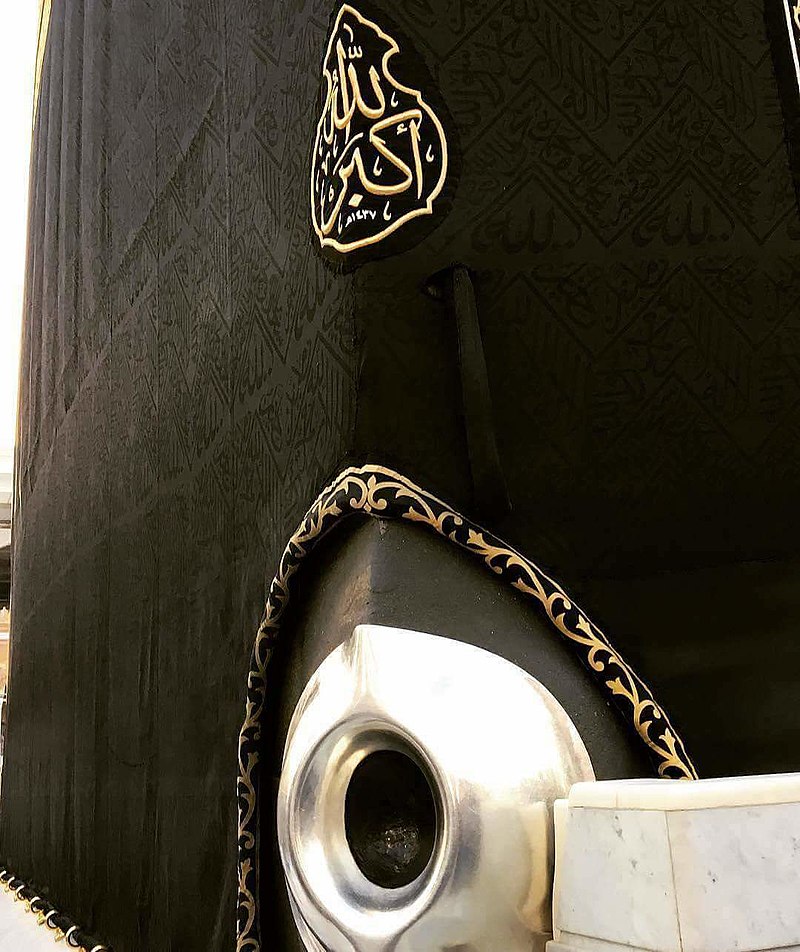
During the Abbasid era, a significant event unfolded in Mecca when the caliph successfully reclaimed control of the holy city. This achievement marked a pivotal moment in the Abbasid dynasty's history, as Mecca held immense religious significance for Muslims worldwide. The Black Stone, a sacred relic housed in the Kaaba, was also reinstated during this period. Its return symbolized a restoration of religious authority and unity within the Muslim community.
The Abbasid caliph's regain of Mecca and the Black Stone sparked joy and relief among Muslims, who viewed the city as the heart of their faith. This event strengthened the caliphate's legitimacy and showcased its ability to uphold religious sanctity. The return of the Black Stone was particularly noteworthy, as it signified the preservation of Islamic heritage and traditions.
The restoration of Mecca to Abbasid control had far-reaching implications for the region and beyond. It solidified the caliphate's influence in the Islamic world and reaffirmed its position as a central authority for Muslims. The event also highlighted the strategic importance of Mecca, not only as a religious center but as a symbol of political power and legitimacy.
Overall, the Abbasid caliph's success in regaining control of Mecca and restoring the Black Stone was a momentous occasion in Islamic history. It underscored the significance of Mecca as a spiritual focal point and demonstrated the Abbasid dynasty's commitment to upholding religious values. The event left an indelible mark on the religious landscape of the time, shaping the future of Islam for generations to come.
#AbbasidDynasty #Mecca #BlackStone #IslamicHistory #ReligiousSignificance #Unity

Explore the Life Moments of
 AI Twin