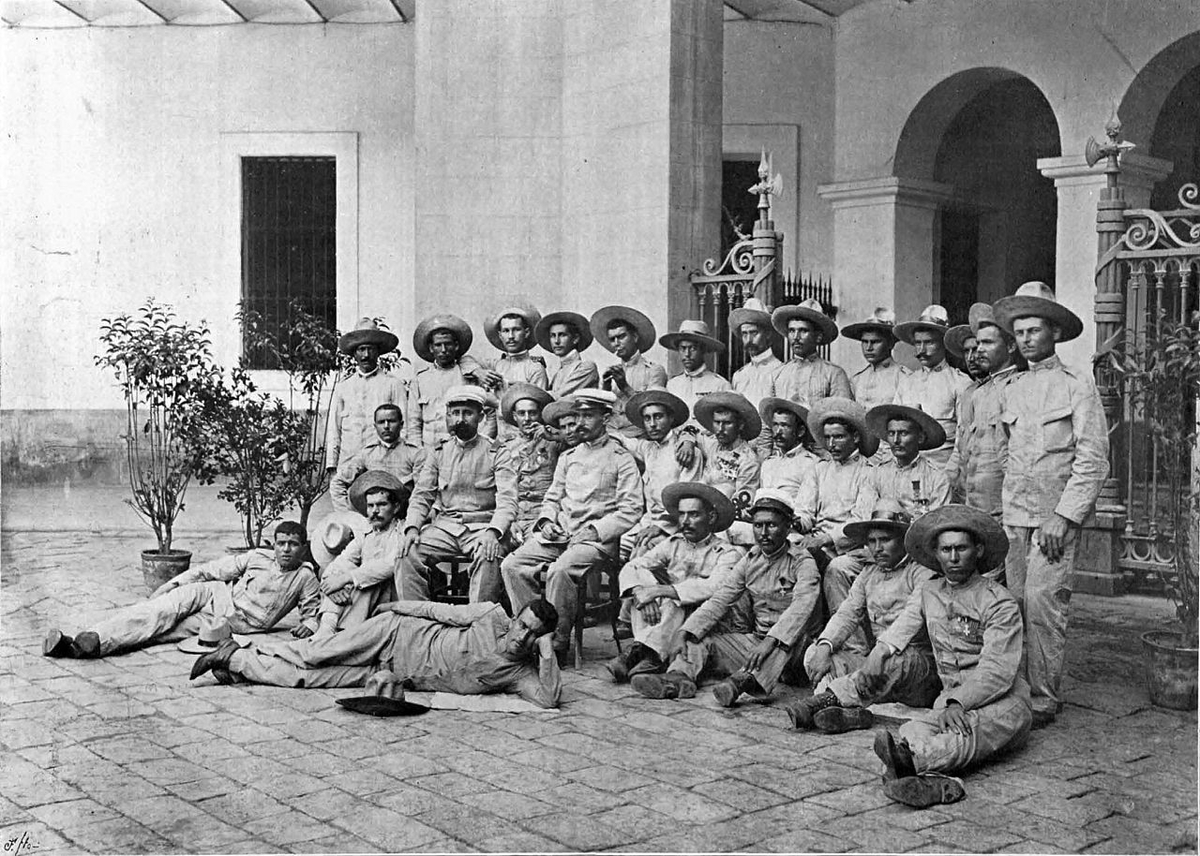
Philippine Fight for Independence
Philippines
Political
Global Trade
4 min read
Updated By: History Editorial Network (HEN)
Published:
In 1896, a civil and armed campaign for independence from Spanish rule began in the Philippines. The uprising was sparked by various factors, including social inequality, lack of representation, and harsh treatment of the local population by Spanish authorities.
The movement was led by Filipino revolutionaries who sought to establish a sovereign nation free from colonial oppression. They organized armed resistance and coordinated attacks against Spanish forces across the archipelago. The campaign gained widespread support from the Filipino population, including peasants, intellectuals, and members of the Katipunan, a secret revolutionary society.
The armed struggle continued for several years, resulting in numerous battles and skirmishes between Filipino rebels and Spanish troops. Despite facing a well-equipped and larger colonial army, the Filipino revolutionaries displayed remarkable resilience and determination in their fight for independence.
The campaign for independence from Spanish rule had a profound impact on Philippine society and history. It galvanized nationalistic sentiments and highlighted the desire of the Filipino people for self-determination and freedom. The uprising also raised international awareness about the plight of the Philippines under Spanish colonial rule.
Ultimately, the civil and armed campaign for independence from Spanish rule in 1896 paved the way for the Philippine Revolution, which culminated in the declaration of independence in 1898 and the end of over three centuries of Spanish colonial rule.
#PhilippineIndependence #FilipinoRevolutionaries #SpanishColonialRule

Explore the Life Moments of
 AI Twin