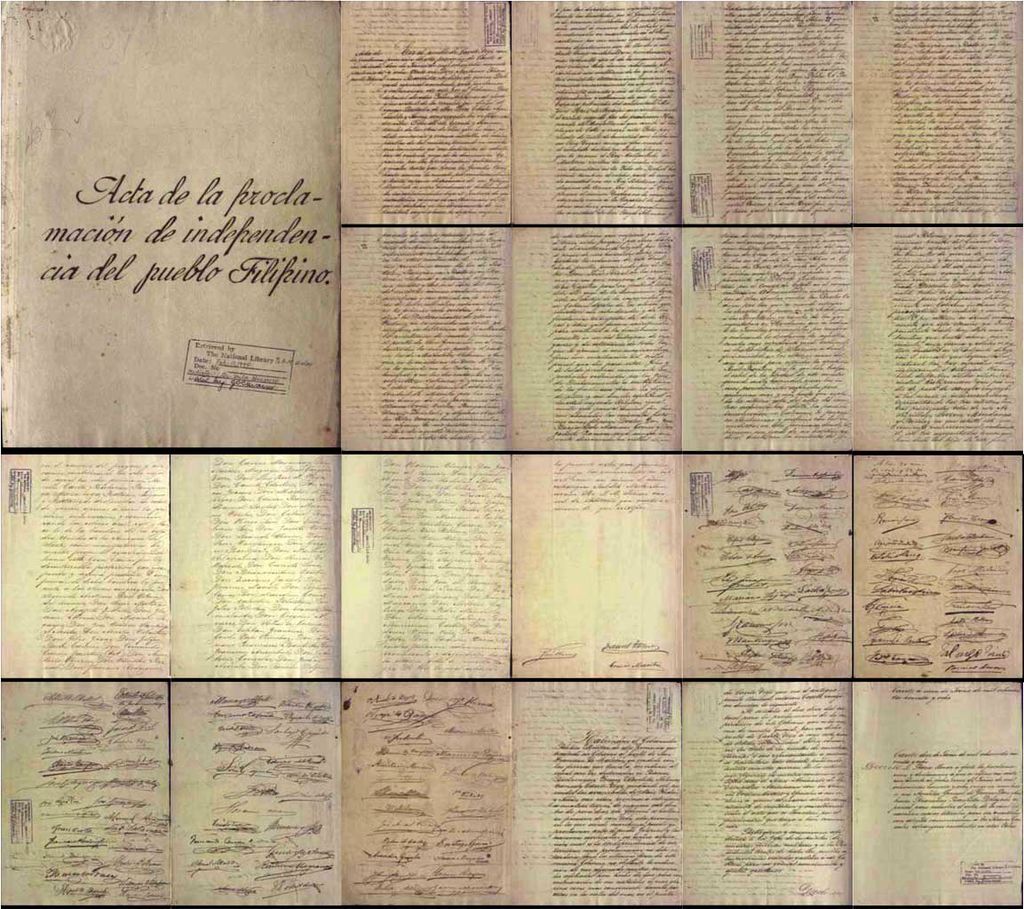
Independence Declaration from Spain
Philippines

Political
4 min read
Updated By: History Editorial Network (HEN)
Published:
The Philippine Declaration of Independence from Spain marked a pivotal moment in the country's history. Following centuries of Spanish colonial rule, Filipino revolutionaries led by Emilio Aguinaldo declared independence. The proclamation aimed to establish the Philippines as a sovereign nation, free from foreign control. The declaration was a culmination of years of struggle and resistance against Spanish oppression, inspired by nationalist movements and uprisings.
The impact of the declaration was profound, igniting a sense of patriotism and unity among Filipinos. It galvanized the people to fight for their freedom and sovereignty. The declaration served as a catalyst for the Philippine Revolution, sparking a series of battles between Filipino revolutionaries and Spanish forces. The struggle for independence culminated in the Treaty of Paris, which ended the Spanish-American War and ceded the Philippines to the United States.
Despite the transfer of colonial power from Spain to the United States, the declaration of independence symbolized the Filipinos' unwavering desire for self-determination. It laid the foundation for future independence movements and inspired generations of Filipinos to continue the fight for true freedom. The declaration of independence remains a defining moment in Philippine history, celebrated annually as a national holiday to commemorate the bravery and resilience of the country's heroes.
#PhilippineIndependence #FreedomDay #EmilioAguinaldo #Nationalism #ColonialResistance

Explore the Life Moments of
 AI Twin