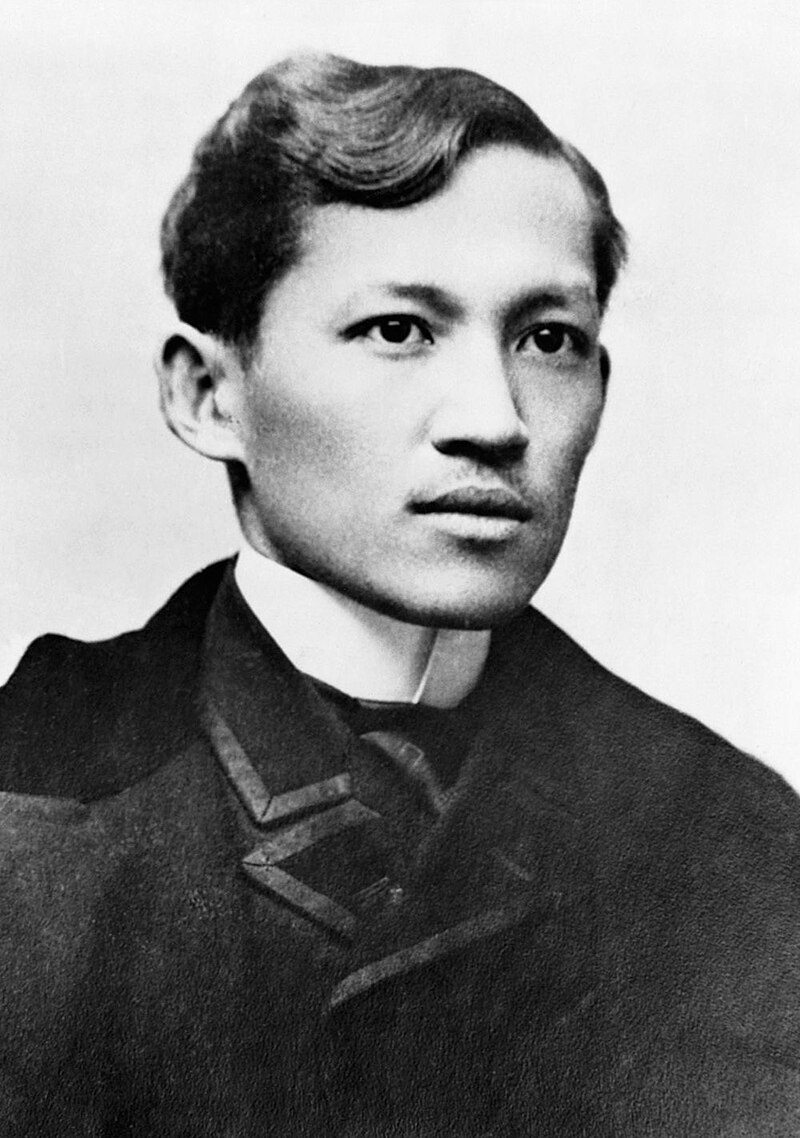
Execution of national hero Jose Rizal by the Spanish authorities.
Philippines
8 min read
Updated By: History Editorial Network (HEN)
Published:
On December 30, 1896, in the Philippines, José Rizal, a prominent nationalist and intellectual, was executed by the Spanish colonial authorities. This event marked a critical turning point in Filipino history, galvanizing the movement for independence from Spanish rule and immortalizing Rizal as a national hero.
Early Life and Education
José Protacio Rizal Mercado y Alonzo Realonda was born on June 19, 1861, in Calamba, Laguna, to a wealthy and educated family. His upbringing in a well-off family allowed him access to excellent education. Rizal was a polymath; he was a physician, writer, and artist, among many other talents. He pursued studies in Europe, where he earned a degree in medicine at the Universidad Central de Madrid and furthered his studies in Paris and Heidelberg.
Advocacy for Reform
Rizal's experiences in Europe, coupled with his love for his country, inspired him to advocate for political reforms in the Philippines. He was a leading figure in the Propaganda Movement, which sought to expose the abuses of Spanish authorities and clergy through peaceful means. His novels "Noli Me Tangere" (1887) and "El Filibusterismo" (1891) were powerful critiques of Spanish colonial rule and the Catholic Church's influence, and they ignited a sense of nationalism among Filipinos.
Arrest and Trial
Rizal's writings and advocacy did not go unnoticed by the Spanish authorities, who considered him a threat to their colonial control. He was arrested and exiled to Dapitan in Mindanao in 1892. Despite his exile, Rizal continued to inspire revolutionary thoughts among Filipinos. In 1896, the Katipunan, a revolutionary society led by Andres Bonifacio, launched a revolt against Spanish rule. Although Rizal had no direct involvement in the Katipunan’s armed struggle, his influence was undeniable.
On his way to Cuba to serve as a doctor in the Spanish Army, Rizal was arrested again and brought back to Manila. He was charged with sedition, rebellion, and conspiracy. Despite the lack of concrete evidence, he was found guilty by a Spanish military court.
Execution and Legacy
On December 30, 1896, at Bagumbayan (now Luneta Park) in Manila, José Rizal was executed by a firing squad. He faced his death with remarkable composure, even requesting to face the firing squad so he would die with dignity. However, this request was denied, and he was shot in the back, symbolizing the betrayal and oppression he had fought against.
Rizal’s martyrdom had a profound impact on the Filipino struggle for independence. His death united Filipinos of all social classes in their desire to end Spanish rule. The Philippine Revolution gained momentum, eventually leading to the declaration of Philippine independence on June 12, 1898.
Rizal’s Enduring Influence
Today, José Rizal is celebrated as the national hero of the Philippines. His life and works continue to inspire Filipinos. His execution is commemorated annually on Rizal Day, a national holiday, reflecting his enduring legacy in the country's history. Monuments, schools, and numerous public places bear his name, serving as constant reminders of his contributions to Filipino identity and independence.
Rizal's vision for a free and progressive Philippines and his commitment to education, reform, and national identity remain central to his legacy. His writings, particularly "Noli Me Tangere" and "El Filibusterismo," are still studied by students, emphasizing the importance of critical thought and the pursuit of justice.
#MomentsOfLife #MoofLife_Moment #MoofLife #JoseRizal #PhilippineHistory #NationalHero #IndependenceMovement #RizalDay

Explore the Life Moments of
 AI Twin