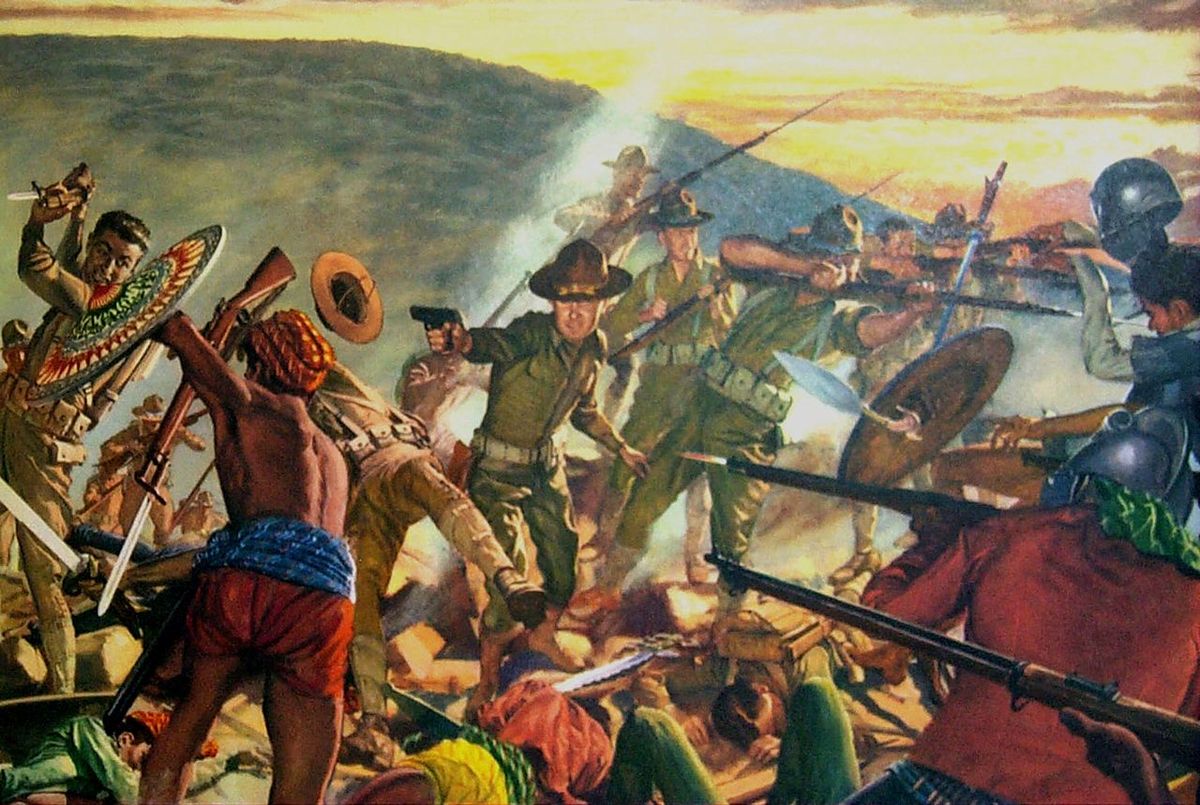
End of Philippine-American War with US civil government and defeat of Moro resistance.
Philippines

Political
Global Trade
4 min read
Updated By: History Editorial Network (HEN)
Published:
After years of conflict between Philippine independence forces and the United States military, the Philippine-American War formally ended as the US civil government replaced military rule. This transition marked a significant shift in governance in the Philippines.
The Philippine-American War erupted in the context of the Spanish-American War, during which the Philippines was transferred from Spanish to American control. Despite initial hopes of independence, the United States chose to assert its colonial authority, leading to a protracted conflict with Filipino revolutionaries. The war resulted in significant casualties and widespread destruction.
With the establishment of a civil government, the United States sought to pacify the islands and assert control over the territory. The shift from military to civilian rule was part of a larger strategy to integrate the Philippines into American governance and economy. While some independence forces continued to resist, particularly in the southern region against the Moro resistance, the formal end of the war signaled a new phase of American colonial rule in the Philippines.
The defeat of the Moro resistance in the south in 1913 marked the end of significant armed opposition to American rule. Despite ongoing challenges and resistance movements, the Philippines remained under US control until after World War II. The Philippine-American War and its aftermath had lasting impacts on Philippine society and politics, shaping the trajectory of the islands' struggle for independence.
#PhilippineAmericanWar #USColonialism #MoroResistance #FilipinoIndependence #PhilippineHistory

Explore the Life Moments of
 AI Twin