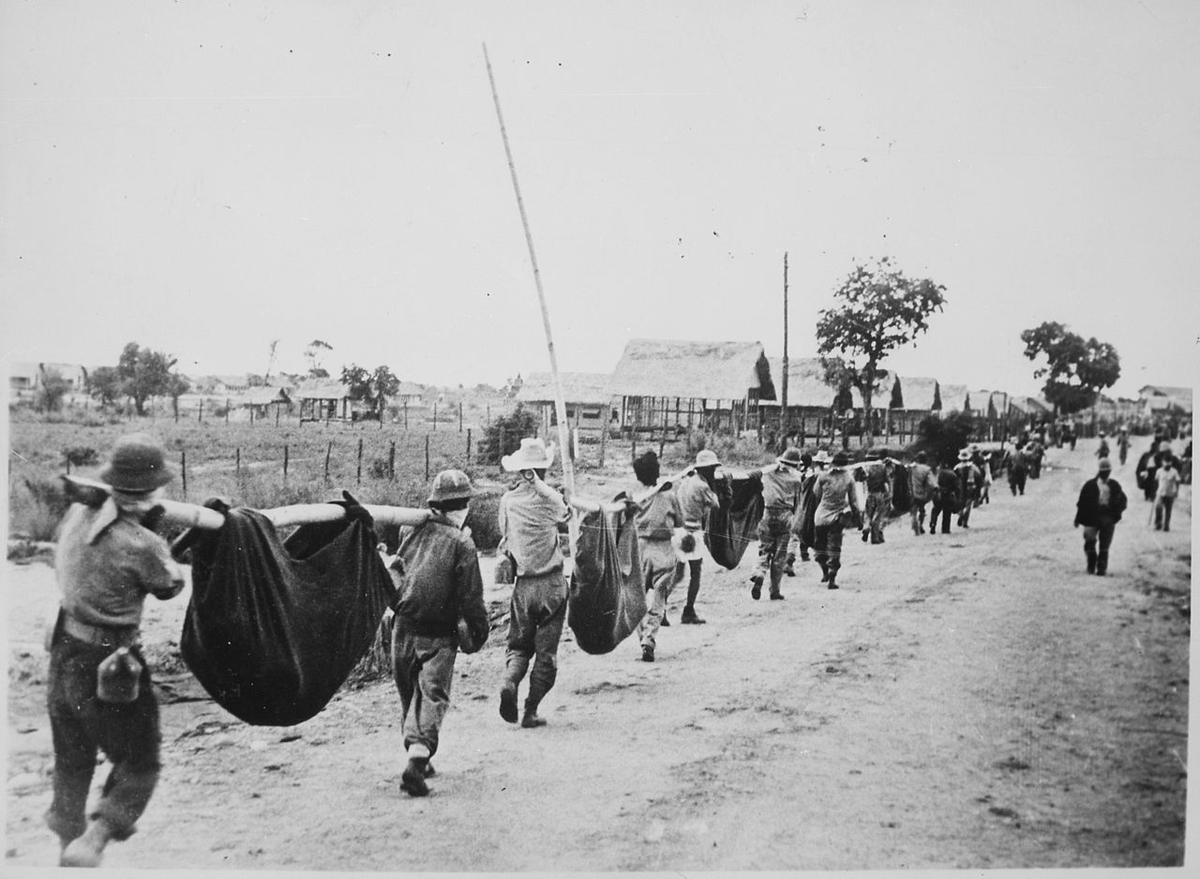
World War II's Bataan Death March and stories of survival from Japanese captivity.
Philippines

War Atrocities
Human Resilience
3 min read
Updated By: History Editorial Network (HEN)
Published:
During World War II, the Bataan Death March took place in the Philippines after the surrender of American and Filipino forces to the Japanese. Following an intense battle, approximately 75,000 prisoners of war were forced to march over 60 miles in grueling conditions, including extreme heat, lack of food, and water. Many of the prisoners were subjected to brutal treatment, beatings, and even summary executions during this forced transfer to prison camps.
The Bataan Death March had a devastating impact on those involved, with thousands of prisoners dying due to exhaustion, dehydration, disease, and abuse along the way. The event symbolizes the atrocities of war and the inhumane treatment endured by those who were captured.
Despite the harsh conditions and suffering faced during the march, many prisoners demonstrated great resilience and strength in their will to survive. Some managed to escape or were aided by local Filipino civilians who provided food, water, and medical assistance along the way.
The Bataan Death March remains a poignant reminder of the horrors of war and the resilience of the human spirit in the face of adversity. It serves as a testament to the sacrifices made by those who endured unimaginable hardships during this dark period in history.
#BataanDeathMarch #WWII #PrisonersOfWar #Philippines #HumanResilience #WarAtrocities

Explore the Life Moments of
 AI Twin