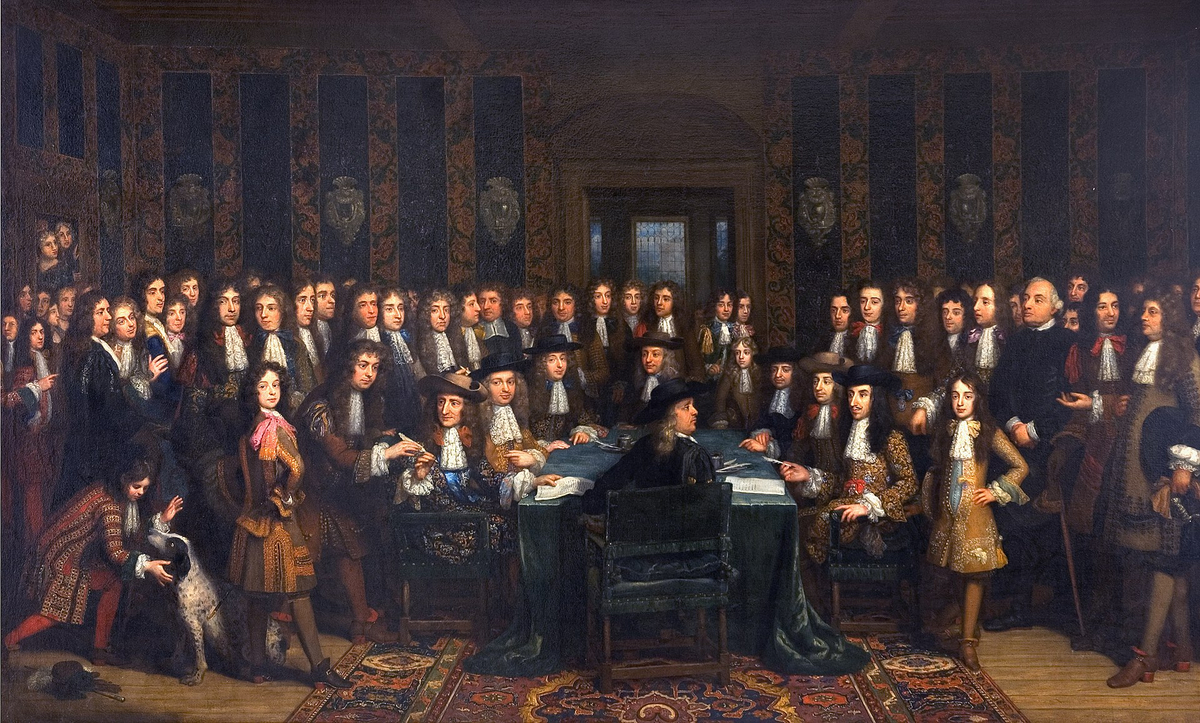
Treaty of Nijmegen: Resolving Franco-Dutch War and territorial control.
Luxembourg
Political
European
5 min read
Updated By: History Editorial Network (HEN)
Published:
The Treaty of Nijmegen concluded the conflict known as the Franco-Dutch War, a pivotal series of wars in European history. The treaty negotiations involved several European powers, notably France and the Dutch Republic. Tensions leading up to this treaty stemmed from Louis XIV's expansionist policy. With the signing of this treaty, France secured control over various territories, including important parts of Luxembourg.
The background of the treaty is rooted in the complex web of alliances and rivalries among European powers. France aimed to expand its influence, while the Dutch sought to protect their commercial interests. Several battles, campaigns, and negotiations characterized the Franco-Dutch War. At its peak, the conflict saw numerous regions embroiled in fighting, adversely affecting the economies and societies involved.
The Treaty of Nijmegen marked the end of hostilities and redefined territorial control. France emerged with substantial gains, consolidating its position as a dominant military power in Europe. The territories obtained by France included key segments of Luxembourg, strategically important for its fortresses and geographical location.
The shifts in power balance resulting from the treaty had far-reaching impacts on European geopolitics. Economically, the recognized control over Luxembourg and other regions allowed France to fortify its borders and enhance its trade routes, contributing to its national strength. Politically, the treaties that came out of Nijmegen recalibrated alliances, often leading to a temporary balance of power.
Diplomats and rulers involved in the negotiations worked towards an agreement that would bring stability, albeit briefly, to a war-torn Europe. The Treaty of Nijmegen serves as a clear instance of the intricate interplay between war, diplomacy, and territorial re-alignments. It underscored the significance of military prowess combined with diplomatic negotiations to secure long-term national interests.
In essence, the Treaty of Nijmegen not only ended a protracted conflict but also set a precedent for resolving disputes through negotiation, influencing future treaties and shaping the political landscape of Europe.
#FrancoDutchWar #TreatyOfNijmegen #EuropeanHistory #Luxembourg #Diplomacy #TerritorialChange #MoofLife
Primary Reference
Franco-Dutch War - Wikipedia

Explore the Life Moments of
 AI Twin