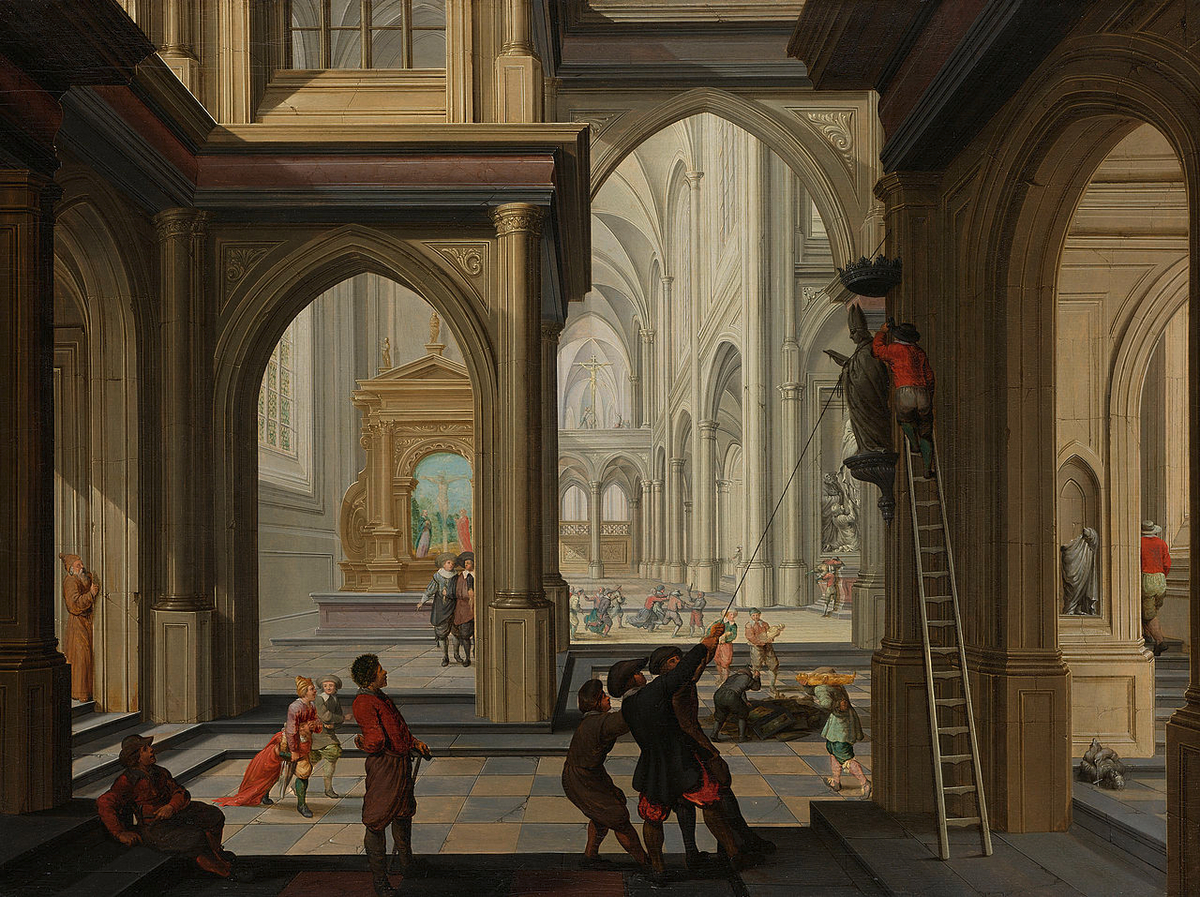
Beginning of Dutch Revolt impacts Luxembourg.
Luxembourg
Political
Economic Impact
4 min read
Updated By: History Editorial Network (HEN)
Published:
The Dutch Revolt, part of the Eighty Years' War between the Seventeen Provinces and the Spanish Crown, significantly impacted Luxembourg. The rebellion was triggered by religious, political, and economic issues. Key causes included opposition to heavy taxation and the suppression of Protestantism by the Catholic Spanish monarch, Philip II.
Luxembourg, part of the Spanish Netherlands, found itself strategically important due to its location. The revolt heightened tensions and disrupted trade routes passing through Luxembourg. Amidst religious persecution, Protestantism started to take root, challenging the Catholic stronghold in the region. This change led to increased conflict and unrest, with various factions vying for influence.
The political landscape in Luxembourg changed as local leaders were forced to navigate between loyalty to the Spanish crown and the growing influence of the Protestant movement. The region also witnessed escalating violence and repression. The Spanish forces employed brutal tactics to quell the rebellion, leading to economic difficulties and population displacement.
The revolt had long-term implications for Luxembourg. The conflict weakened Spanish control, laying the foundation for future political changes. Luxembourg's economy suffered due to disrupted trade and warfare. At the same time, the struggle ignited a sense of regional identity among Luxembourgers, influencing their future resistance efforts.
#MoofLife #DutchRevolt #EightYearsWar #LuxembourgConflict #EconomicImpact #ReligiousTurmoil #PoliticalChanges
Primary Reference
Eighty Years' War - Wikipedia

Explore the Life Moments of
 AI Twin