Portuguese Control of Swahili City-States
Global Trade
3 min read
Updated By: History Editorial Network (HEN)
Published:
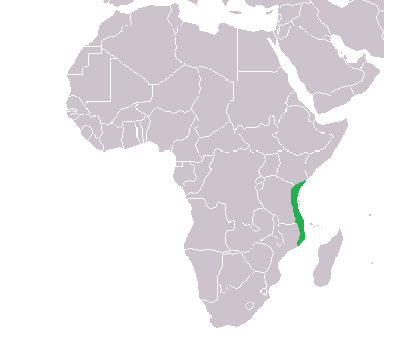
In 1593, the Swahili city-states along the coast of present-day Kenya fell under Portuguese control. This marked a significant shift in the region's trade and political landscape.
The Swahili city-states had been prosperous trading hubs, known for their vibrant cultural exchange and bustling commerce. However, the arrival of the Portuguese disrupted this dynamic. Seeking to dominate the lucrative trade routes of the Indian Ocean, the Portuguese employed military force to establish control over the region.
The impact of Portuguese control was profound. It led to the decline of the Swahili city-states as autonomous entities and the imposition of Portuguese authority over the coastal territories. The Portuguese influence extended beyond just economic realms, encompassing social, cultural, and political spheres as well.
The imposition of Portuguese control brought about changes in trade patterns, with the Portuguese exerting their dominance over existing trade networks. Additionally, the Portuguese implemented policies that favored their own economic interests, often at the expense of the local populations.
Despite facing resistance from the Swahili city-states and other regional powers, the Portuguese were ultimately able to maintain control over the coastal regions for an extended period. This period of Portuguese dominance laid the groundwork for subsequent European colonial expansion in the region.
#SwahiliCityStates #PortugueseControl #KenyanHistory

Explore the Life Moments of
 AI Twin