Bantu migration impacts culture and language.

Cultural Heritage
4 min read
Updated By: History Editorial Network (HEN)
Published:
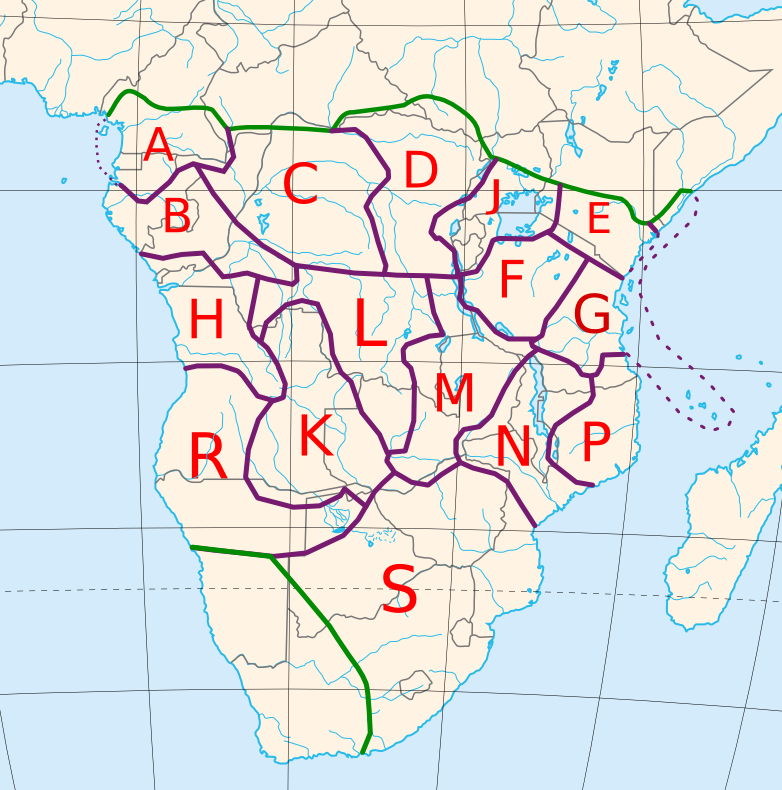
The Bantu migration into the region now known as Kenya commenced, shaping the cultural and linguistic landscape of the area. The Bantu people, hailing from West Africa, gradually made their way south and eastwards, bringing with them their agricultural expertise, ironworking skills, and distinct Bantu languages.
As the Bantu migrants settled in various parts of present-day Kenya, they interacted with and in some cases assimilated local hunter-gatherer communities, such as the Cushitic and Nilotic peoples. This interaction facilitated the exchange of knowledge and practices, enriching the cultural heritage of the region. Agriculture thrived with the introduction of new crops like millet, sorghum, and bananas, contributing to the development of more settled societies.
The Bantu migration also left an enduring mark on the linguistic diversity of Kenya. The Bantu languages, characterized by noun class systems and intricate grammatical structures, became predominant across much of the country. Swahili, a Bantu language with significant Arabic influence, evolved into a lingua franca along the East African coast, facilitating trade and cultural exchange.
The impact of the Bantu migration into Kenya reverberates through the centuries, influencing the country's social organization, economic activities, and communication networks. The fusion of Bantu, Cushitic, and Nilotic elements has contributed to the rich tapestry of cultures that define Kenya today.
#BantuMigration #CulturalInfluence #LinguisticDiversity #KenyanHeritage

Explore the Life Moments of
 AI Twin