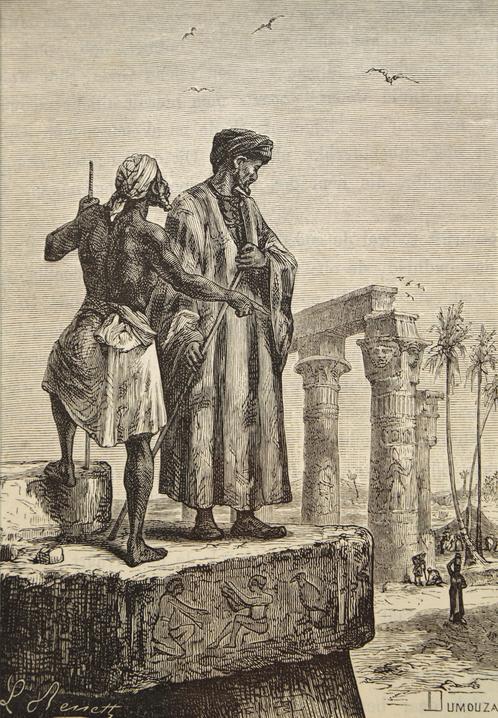
Exploring Swahili City-States: Ibn Battuta's Observations
Trade
Cultural Diversity
4 min read
Updated By: History Editorial Network (HEN)
Published:
Ibn Battuta, a renowned Moroccan explorer, ventured to the Swahili city-states along the East African coast. During his travels, he meticulously documented the diverse cultures, bustling trade, and striking architecture of the region. His detailed observations provided valuable insights into the thriving commercial networks and rich cultural tapestry of the Swahili coast.
The Swahili city-states were a mosaic of coastal settlements that flourished due to their strategic location along trade routes connecting the Indian Ocean world. Ibn Battuta marveled at the vibrant blend of African, Arab, Persian, and Indian influences that shaped the cities' customs, languages, and architecture. He noted the bustling markets, where goods such as gold, ivory, spices, and slaves exchanged hands, highlighting the region's economic vitality.
The explorer also observed the Swahili people's cosmopolitan lifestyle, characterized by their proficiency in commerce, seafaring, and Islamic scholarship. He remarked on the grand mosques, elegant palaces, and intricately carved wooden doors that adorned the city-states, illustrating the wealth and sophistication of their societies.
Ibn Battuta's accounts of his journey to the Swahili city-states became invaluable historical records, shedding light on a crucial period of interaction and exchange between diverse cultures in the Indian Ocean world. His writings continue to inspire scholars and enthusiasts alike to delve into the fascinating history of East Africa's coastal communities and their enduring legacies.
#IbnBattuta #SwahiliCityStates #EastAfrica #TradeRoutes #CulturalDiversity #HistoricalRecords #IndianOceanWorld #Exploration

Explore the Life Moments of
 AI Twin