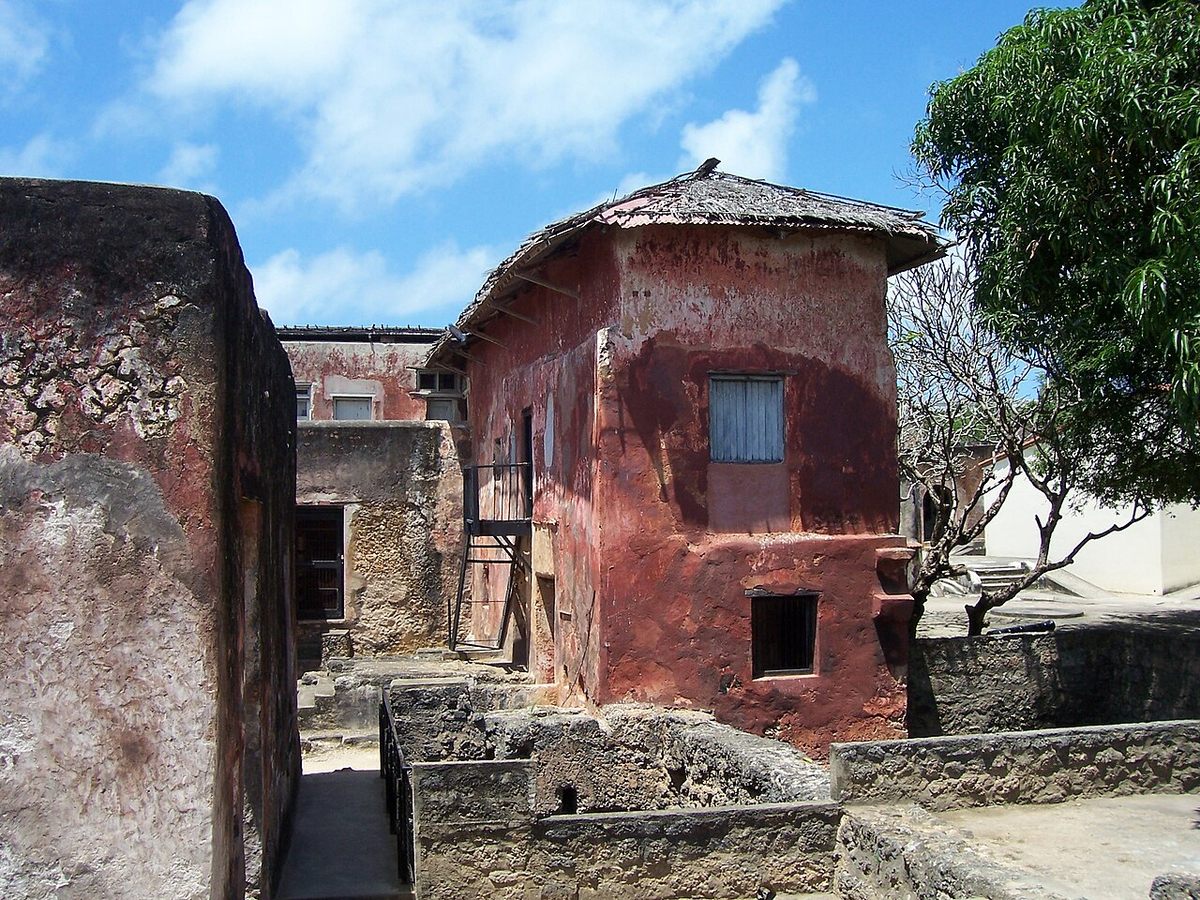
Establishment of Fort Jesus in Mombasa by the Portuguese in the 16th Century.
Tourism
4 min read
Updated By: History Editorial Network (HEN)
Published:
The establishment of Fort Jesus in Mombasa by the Portuguese marked a pivotal point in the history of East Africa. The Portuguese, seeking to control the valuable trade routes along the East African coast, built the fort as a strategic stronghold. Situated along the shore of Mombasa Island, the fort overlooked the Indian Ocean, serving as a military base and a symbol of Portuguese power in the region.
Fort Jesus was designed by Italian architect Giovanni Battista Cairati, incorporating Renaissance elements in its architecture. The fort featured strong defensive walls, cannons, and a well-structured layout, making it a formidable fortress. Over the years, Fort Jesus witnessed numerous battles and changed hands between the Portuguese, Arabs, and British, each leaving their mark on its history.
The establishment of Fort Jesus had a lasting impact on the region's trade dynamics. It facilitated the exchange of goods between Europe, Africa, and Asia, leading to the growth of a vibrant mercantile community in Mombasa. The fort also played a significant role in the spread of Christianity along the Swahili coast, influencing the cultural and religious landscape of the region.
Today, Fort Jesus stands as a UNESCO World Heritage Site, attracting visitors from around the globe to explore its history and cultural significance. The fort's museum displays artifacts, documents, and exhibits that highlight its role in the maritime history of East Africa. The strategic location, historical importance, and architectural beauty of Fort Jesus continue to captivate historians, archaeologists, and tourists alike.
#FortJesus #Portuguese #Mombasa #EastAfrica #TradeRoutes #UNESCOHeritage #MaritimeHistory

Explore the Life Moments of
 AI Twin