The Emergence of the Kazakh Khanate: A Historical Overview of Its Formation and Significance
Kazakhstan
Kazakh Khanate
Central Asia
3 min read
Updated By: History Editorial Network (HEN)
Published:
Updated:
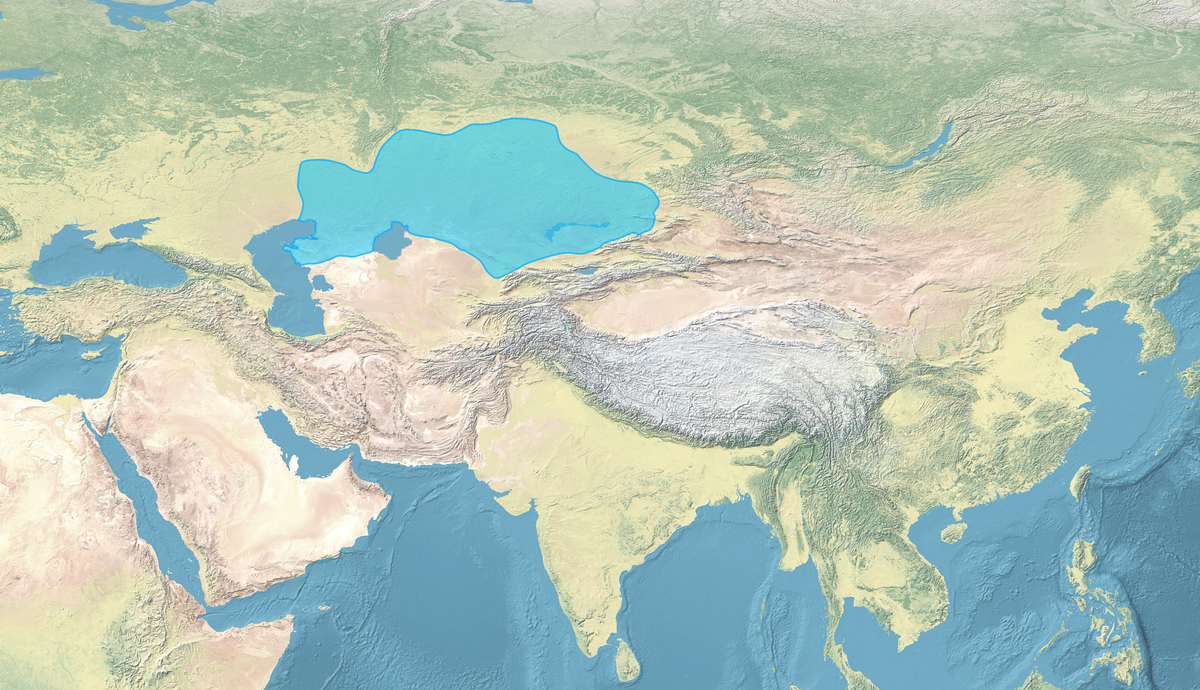
In 1465, the Kazakh Khanate emerged as a result of the dissolution of the Golden Horde. Established by Janibek Khan and Kerei Khan, it continued to be ruled by the Turco-Mongol clan of Tore (Jochid dynasty). Throughout this period, traditional nomadic life and a livestock-based economy continued to dominate the steppe. In the 15th century, a distinct Kazakh identity began to emerge among the Turkic tribes. This was followed by the Kazakh War of Independence, where the Khanate gained its sovereignty from the Shaybanids. By the mid-16th century, the Kazakh Khanate had solidified its status as a significant political entity in Central Asia, characterized by the development of a unique Kazakh language, culture, and economy. The emergence of the Khanate marked a pivotal moment in the history of the region, as it laid the foundation for the future statehood of Kazakhstan. The Kazakh Khanate played a crucial role in the unification of various Turkic tribes, fostering a sense of national identity and cultural heritage that continues to resonate in modern Kazakhstan. The legacy of the Kazakh Khanate is evident in the contemporary social and political landscape, where the values of nomadic traditions and communal living remain integral to Kazakh society. #mooflife #mof #MomentOfLife #KazakhKhanate #JanibekKhan #KereiKhan #Turco-mongol #KazakhIdentity
Primary Reference
Kazakh Khanate

Explore the Life Moments of
 AI Twin