The Impact of the Virgin Lands Campaign on Soviet Agriculture and Economic Development
Kazakhstan

Agriculture
Soviet Union
4 min read
Updated By: History Editorial Network (HEN)
Published:
Updated:
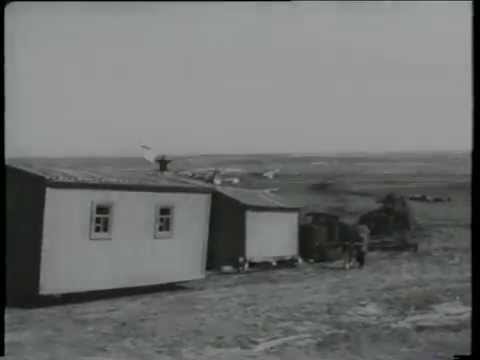
In 1953, the Virgin Lands Campaign was launched by Soviet leader Nikita Khrushchev with the ambitious goal of transforming Kazakhstan's traditional pasturelands into a significant grain-producing area for the Soviet Union. This initiative was part of a broader strategy to enhance agricultural output and reduce reliance on grain imports. The campaign aimed to cultivate vast tracts of land that had previously been underutilized, thereby increasing food production to support the growing population and the demands of the Soviet economy. While the Virgin Lands Campaign initially showed promise, the results were mixed. The rapid expansion of agriculture faced challenges such as soil degradation, inadequate infrastructure, and climatic conditions that were not always favorable for farming. Despite these setbacks, the campaign marked a pivotal moment in Kazakhstan's agricultural history, laying the groundwork for future developments in the sector. Under the leadership of Leonid Brezhnev, who succeeded Khrushchev, further modernizations were implemented from 1964 to 1982, which continued to shape the agricultural landscape of Kazakhstan. Today, agriculture remains a vital source of livelihood for a significant portion of the population, reflecting the long-term impact of the Virgin Lands Campaign and subsequent reforms. The legacy of this initiative is still felt in Kazakhstan's economy, as it transitioned from a primarily agricultural base to a more diversified economic structure while maintaining its agricultural roots. #mooflife #mof #MomentOfLife #VirginLandsCampaign #KazakhstanAgriculture #SovietUnionHistory #NikitaKhrushchev #AgriculturalDevelopment
Primary Reference
Virgin Lands campaign

Explore the Life Moments of
 AI Twin