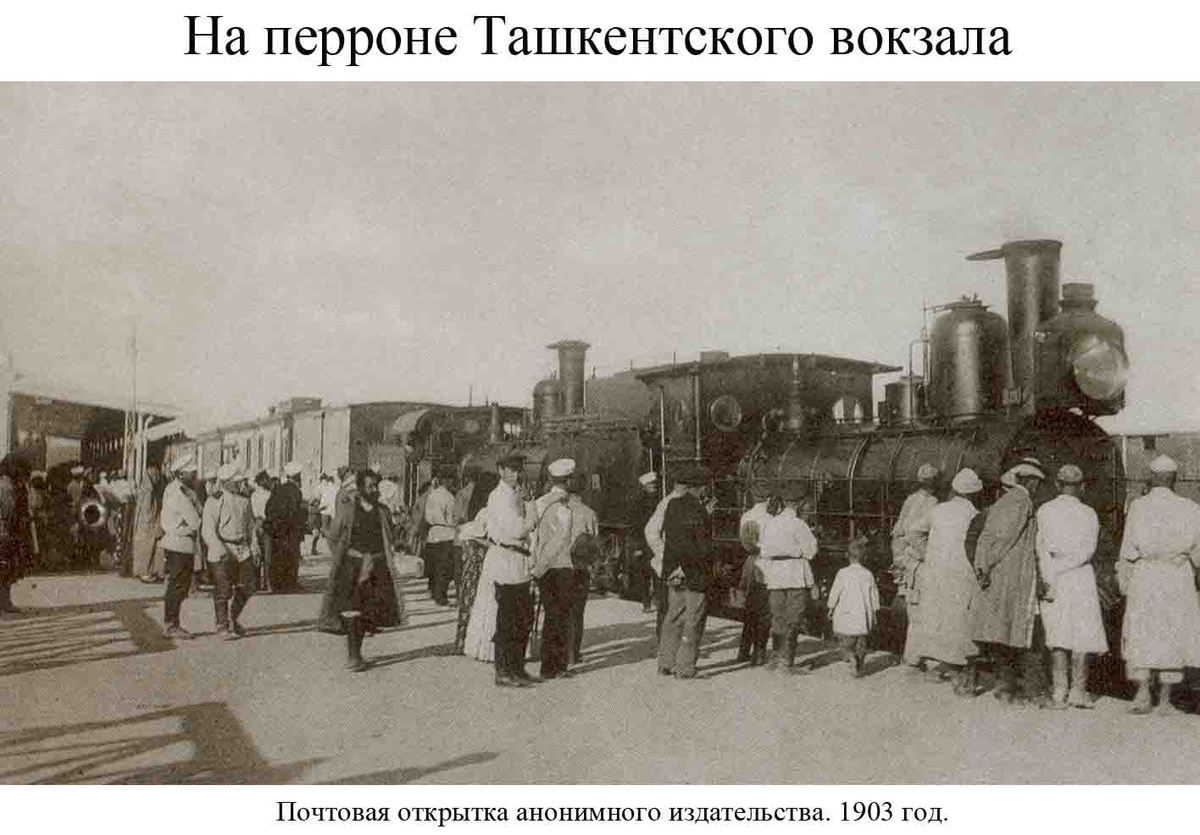
Trans-Aral Railway from Orenburg to Tashkent increased the population of present-day Kazakhstan
Kazakhstan
Colonization
Cultural Studies
3 min read
Updated By: History Editorial Network (HEN)
Published:
Updated:
From the 1890s onward, ever-larger numbers of settlers from the Russian Empire began colonizing the territory of present-day Kazakhstan, in particular, the province of Semirechye. The number of settlers rose still further once the Trans-Aral Railway from Orenburg to Tashkent was completed in 1906. A specially created Migration Department (Переселенческое Управление) in St. Petersburg oversaw and encouraged the migration to expand Russian influence in the area. During the 19th century, about 400,000 Russians immigrated to Kazakhstan, and about one million Slavs, Germans, Jews, and others immigrated to the region during the first third of the 20th century. Vasile Balabanov was the administrator responsible for the resettlement during much of this time. The competition for land and water that ensued between the Kazakhs and the newcomers caused great resentment against colonial rule during the final years of the Russian Empire. The most serious uprising, the Central Asian revolt, occurred in 1916. The Kazakhs attacked Russian and Cossack settlers and military garrisons. The revolt resulted in a series of clashes and in brutal massacres committed by both sides. Both sides resisted the communist government until late 1919.
Primary Reference
Kazakhstan in the Russian Empire

Explore the Life Moments of
 AI Twin