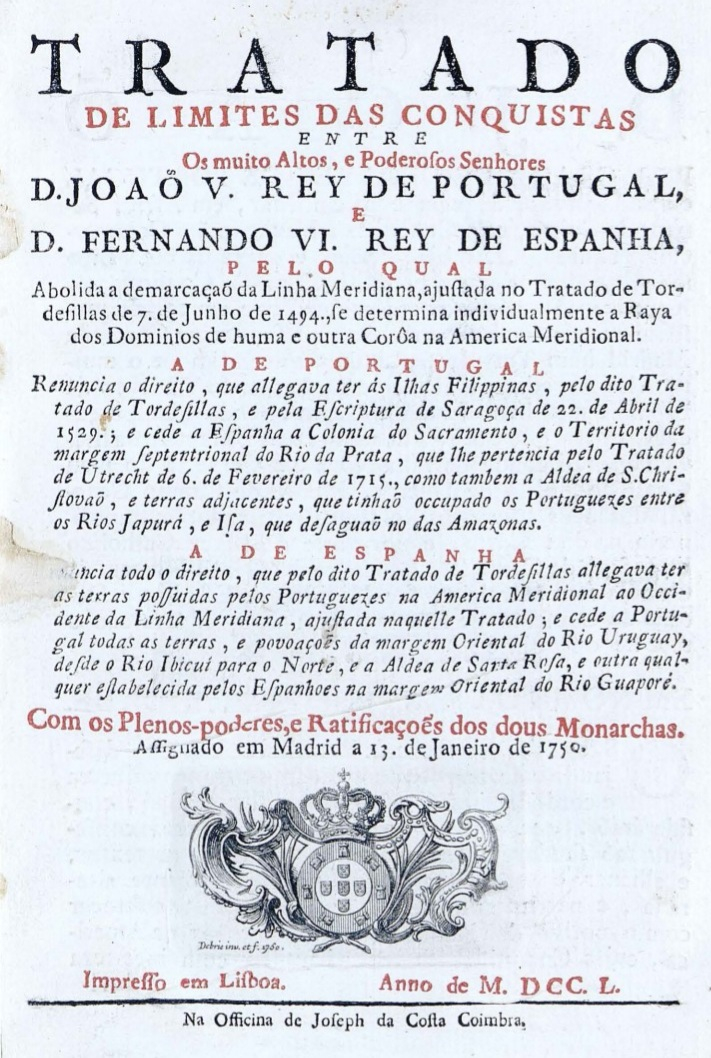
Transfer of Jamaica to British in Treaty of Madrid.
Jamaica

Colonial Caribbean
6 min read
Updated By: History Editorial Network (HEN)
Published:
The Treaty of Madrid, negotiated in the late 17th century, marked a pivotal moment in the colonial history of Jamaica. The treaty concluded the hostilities between Spain and England and officially ceded control of Jamaica to British rule. The roots of this agreement can be traced back to the Anglo-Spanish War, during which English forces had seized Jamaica from Spain over a decade earlier. Despite initial Spanish resistance, the English managed to consolidate their control over the island.
With this treaty, Spain recognized British sovereignty over Jamaica, fundamentally changing the region's political landscape. Jamaica's transition from Spanish to British control had significant implications for its economic and social development. Under Spanish rule, the island had been sparsely populated, with few economic activities beyond subsistence agriculture.
British rule ushered in profound changes. The English invested heavily in the island's sugarcane industry, leading to the establishment of numerous plantations. Consequently, there was an increased demand for labor, which resulted in the forced migration and enslavement of Africans. This period saw Jamaica become a central hub in the Trans-Atlantic Slave Trade, with the enslaved population quickly surpassing that of European settlers.
Statistically, the transformation was stark. By the early 18th century, Jamaica's population included around 700,000 enslaved Africans, dwarfing the approximately 165,000 European inhabitants. The sugarcane industry became the backbone of the island's economy, producing vast wealth for British merchants and plantation owners, but imposing severe hardships and brutality upon the enslaved population.
The Treaty of Madrid also influenced regional geopolitics. With Jamaica under British control, the balance of power in the Caribbean shifted. The island became a strategic naval base, bolstering British military presence and securing trade routes. This development would have long-term ramifications, contributing to the expansion and consolidation of the British Empire in the New World.
In summary, the Treaty of Madrid, which resulted in Jamaica ceding to British rule, marked a critical juncture in the island's history, transforming its economic structure, demographic composition, and geopolitical significance. The treaty's legacy is reflected in Jamaica's complex colonial history and its lasting impact on the Caribbean region.
#MoofLife #ColonialHistory #Jamaica #TreatyOfMadrid #CaribbeanHistory #BritishEmpire #TransAtlanticSlaveTrade
Primary Reference
Treaty of Madrid (1670) - Wikipedia
Explore the Life Moments of
 AI Twin