The Birth of Falmouth
Jamaica
Global Trade
Cultural Heritage
5 min read
Updated By: History Editorial Network (HEN)
Published:
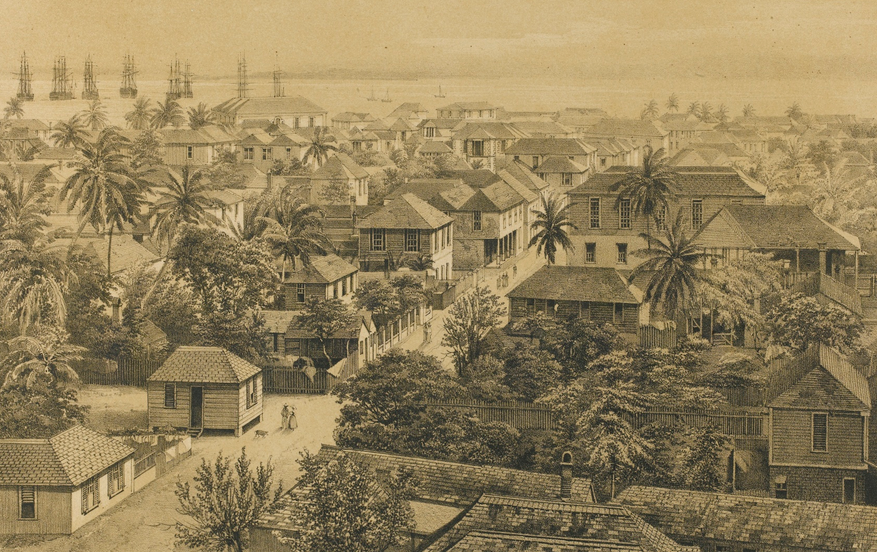
Falmouth was founded as a township in Jamaica, driven by the ambitions of the British colonial administration and local entrepreneurs. This coastal town was strategically chosen due to its proximity to the Martha Brae River, facilitating efficient sugar, rum, and other goods transportation. The area was part of the much larger parish of Trelawny, known for its vast plantations and economic activity tied to sugar production.
In its initial stages, Falmouth was meticulously laid out with a grid pattern to accommodate both commercial and residential zones. One landmark development was the construction of the Falmouth Harbour, which became a significant port for exporting sugar and other commodities. As sugar was a leading economic driver, the town rapidly prospered. The dedication to infrastructure featured several public buildings, including the courthouse, markets, and places of worship.
The population grew swiftly, attracting merchants, planters, and enslaved Africans who were integral to the economy. The town developed a cosmopolitan aura as people from various backgrounds contributed to its growth. Merchants erected Georgian-style buildings that remain historical landmarks, while the economy diversified with small-scale industries and services to support the booming sugar trade.
Policies on town governance and development were aligned with British colonial norms, ensuring orderly growth. Civic amenities like piped water and waste management were advanced for the times. With a thriving port, Falmouth became one of Jamaica’s key towns, often compared with Kingston for its commercial activity and urban planning.
Over time, challenges arose, including economic fluctuations tied to global sugar prices, labor issues, and natural calamities like hurricanes. Nonetheless, the foundational period set a blueprint for future development and cemented Falmouth’s role in Jamaica’s colonial economy.
Today, Falmouth holds historical importance and continues to draw interest for its rich heritage, contributing to Jamaica’s cultural tourism sector. Recognized for its well-preserved Georgian architecture and pivotal role in history, Falmouth remains a vital link to Jamaica's past.
#FalmouthJamaica #ColonialHistory #SugarTrade #CulturalHeritage #MoofLife
Primary Reference
A Ramble in Falmouth, Jamaica | TravelAge West

Explore the Life Moments of
 AI Twin