The Taíno People in the Caribbean
Jamaica

Indigenous Heritage
5 min read
Updated By: History Editorial Network (HEN)
Published:
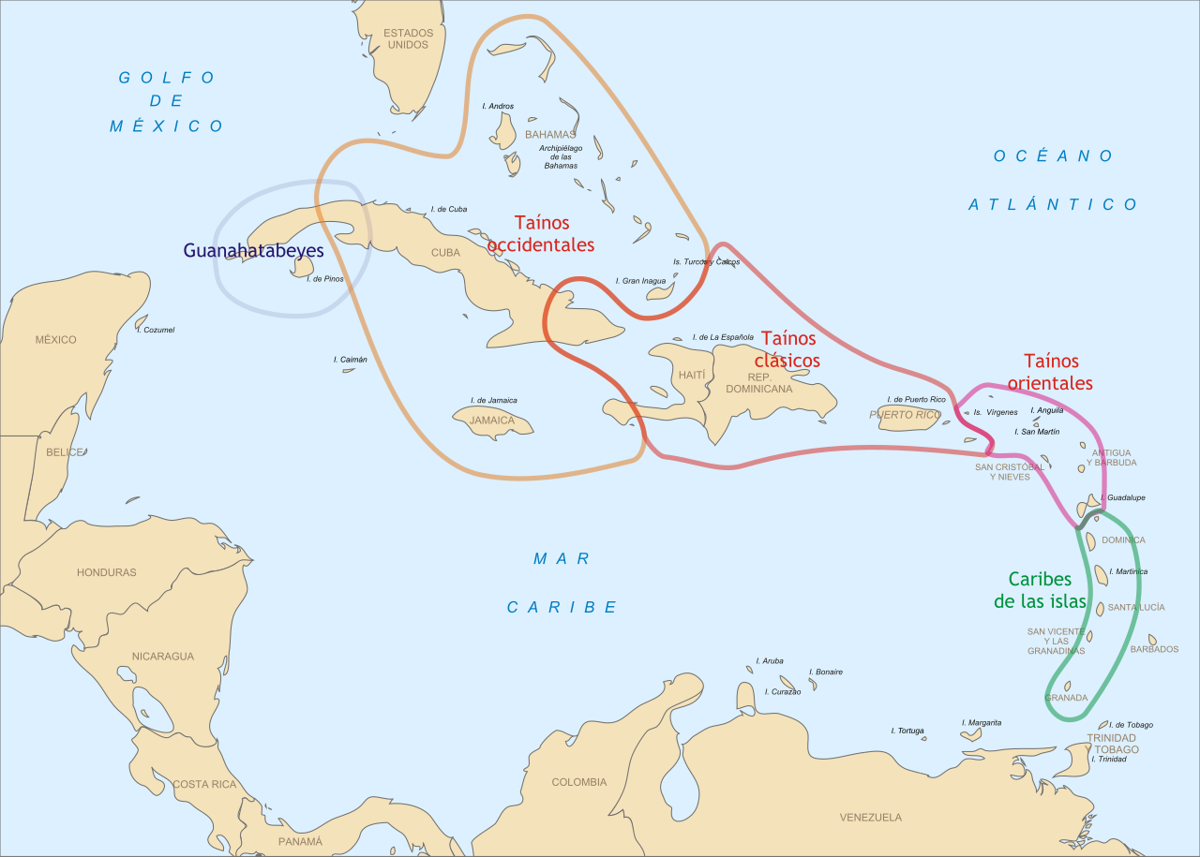
The Taíno people, originally from the mainland areas of South America, embarked on a series of migrations that eventually brought them to various Caribbean islands, including Jamaica. Originating from the Arawakan-speaking group, the Taíno journeyed via canoes, navigating vast oceanic distances to establish new settlements. Jamaica, known for its lush landscapes and abundant natural resources, became one of their significant destinations.
Upon their arrival, the Taíno brought with them a well-developed agricultural system, which included the cultivation of crops such as cassava, sweet potatoes, and maize. They also engaged in fishing and hunting, utilizing Jamaica's resources to establish a sustainable way of life. The Taíno were skilled in crafting tools and pottery, which played an essential role in their daily activities and ceremonial practices.
The sociopolitical structure of the Taíno society featured caciques or chiefs who governed different regions and managed communal activities. Their communal living was organized around yucayeques (villages), which were family-centric hubs of agriculture and crafts. The Taíno people built bohíos (circular huts) and caneyes (rectangular huts) which provided shelter and social gathering spaces. Each village often had a batey, an open space used for various communal and ceremonial activities, including the playing of games and the conduction of rituals.
Expertise in seafaring also enabled the Taíno to establish trade links with other Caribbean islands and mainland regions. This interaction not only facilitated economic exchanges but also cultural diffusion, influencing linguistic and societal developments in the region.
The arrival and establishment of the Taíno in Jamaica contributed to the island's pre-Columbian history, laying down a foundation of rich cultural heritage and significant archeological sites. Artifacts such as zemis (spiritual objects) and petroglyphs remain as testimony to their presence and practices on the island.
Their displacement following European colonization led to a dramatic shift in the demographic and cultural landscape of Jamaica. The legacy of the Taíno, however, continues to endure through archaeological findings and cultural histories that speak to their integral role in Jamaica's early societal development.
#MoofLife #Taíno #JamaicaHistory #IndigenousHeritage #CaribbeanCulture
Primary Reference
Preclearance | U.S. Customs and Border Protection

Explore the Life Moments of
 AI Twin