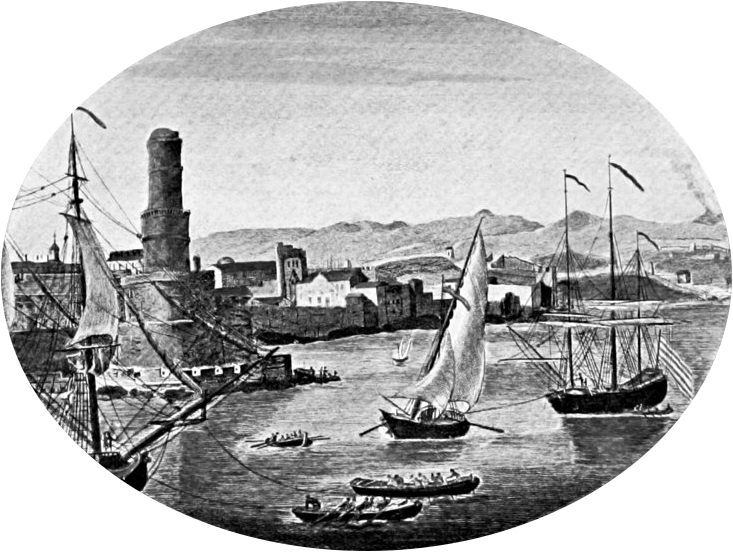
Port Royal established becoming a major center of trade and commerce in the Caribbean.
Jamaica

3 min read
Updated By: History Editorial Network (HEN)
Published:
The establishment of Port Royal marked a transformative period for the Caribbean. Situated on a strategically vital natural harbor in Jamaica, the settlement quickly evolved into a major hub for trade and commerce. Initially, the Spanish recognized the potential of the location, leveraging its geographic position to facilitate the transit of goods between the American continents and Europe. Port Royal's natural harbor became a gateway, attracting merchants, sailors, and settlers.
The town's growth was driven by its favorable position on key maritime routes and the influx of European settlers, particularly English privateers and traders. As the merchant ships increased in number, so did the diversity of goods being exchanged. Port Royal saw the trading of sugar, rum, tobacco, and other commodities from the New World for European manufactured goods. This flow of trade brought prosperity, making the port one of the wealthiest in the Caribbean region.
The rise of Port Royal also had significant socio-economic impacts. The booming trade led to the establishment of various businesses, including taverns, inns, warehouses, and shipyards, boosting local employment and creating an economic ripple effect in the surrounding areas. The local economy became heavily dependent on trade, ushering in an era of wealth, but also attracting piracy.
Port Royal also became infamous for its lawlessness and decadence, leading to it being labeled \
Primary Reference
Port Royal - Wikipedia

Explore the Life Moments of
 AI Twin