
France

The Land of Romance
Related Lives

Drama Movies
The Heart of Cinema

Panama
The Crossroads of the Americas

New Zealand
The Journey Through New Zealand

Belarus
Land of Lakes and Forests
South Korea
The Land of Morning Calm

Andorra
Hidden Gem of the Pyrenees

Ghana
Culture-Warmth-Rhythm

Mexico
The Land of the Maya

1946
In the year 1946, Christian Dior, a French fashion designer, established the luxury fashion house known as Dior. He introduced the 'New Look' collection in 1947, revolutionizing women's fashion with its structured silhouettes and luxurious fabrics. Dior quickly gained international fame and became one of the most prestigious fashion brands globally.
The impact of Dior's founding was profound, redefining post-war fashion and cementing Paris as the fashion capital of the world. The brand's timeless elegance and innovative designs continue to influence the fashion industry today, with iconic pieces such as the Lady Dior handbag and J'adore perfume remaining coveted worldwide.
Dior's legacy extends beyond clothing, with successful ventures into beauty, skincare, and fragrance. The brand's commitment to craftsmanship, sophistication, and femininity resonates with a global audience, making it a symbol of luxury and glamour.
#Dior #Fashion #Luxury #ChristianDior #Paris #Innovation #Legacy #GlobalImpact.
View detailsComing out of the aftermath of World War II, France adopted the constitution of the Fourth Republic. This constitution aimed to rebuild the country after the devastation of the war and establish a more stable government system. The Fourth Republic focused on decentralized power, with a strong parliament and a weak executive branch.
The impact of adopting this constitution was significant as it marked a shift in France's political landscape. The new government structure aimed to prevent the concentration of power that had led to the fall of the previous Third Republic. However, the Fourth Republic faced challenges such as economic instability, decolonization struggles, and political unrest.
Despite its efforts to create a more democratic and resilient system, the Fourth Republic's weaknesses became apparent. Internal conflicts and an inability to effectively govern led to its ultimate downfall. In 1958, the Fifth Republic was established, with a more centralized power structure under President Charles de Gaulle.
The adoption of the constitution of the Fourth Republic reflects a pivotal moment in French history as the country sought to rebuild and redefine its political framework post-World War II. #FranceHistory #Constitution #PoliticalEvolution
View details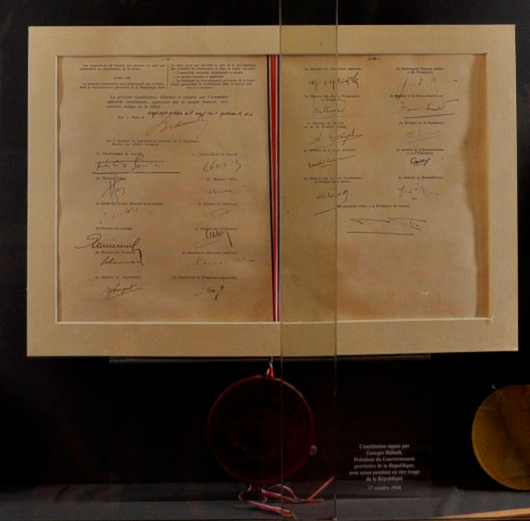
In 1946, the Cannes Film Festival debuted, establishing itself as a leading international film festival. The event aimed to showcase and celebrate artistic and innovative cinematic works, bringing together filmmakers, actors, and film enthusiasts from around the world. With its picturesque setting on the French Riviera, the festival quickly gained prestige and recognition, attracting attention for its glamorous atmosphere and high-profile attendees.
Over the years, the Cannes Film Festival has become a symbol of excellence in the film industry, known for premiering exceptional and diverse films that push boundaries and inspire audiences. It serves as a platform for emerging talents to showcase their work, while also honoring established filmmakers for their contributions to cinema. The festival's coveted Palme d'Or award is one of the most prestigious accolades in the film world, recognizing outstanding achievements in storytelling and filmmaking.
With its red carpet premieres, press conferences, and exclusive parties, the Cannes Film Festival continues to captivate audiences and industry professionals alike, shining a spotlight on the artistry and creativity of the film world. It remains a crucial event for filmmakers looking to gain recognition and for film lovers seeking out new and exciting cinematic experiences.
#CannesFilmFestival #PalmedOr #FilmIndustry #FrenchRiviera.
View details
1944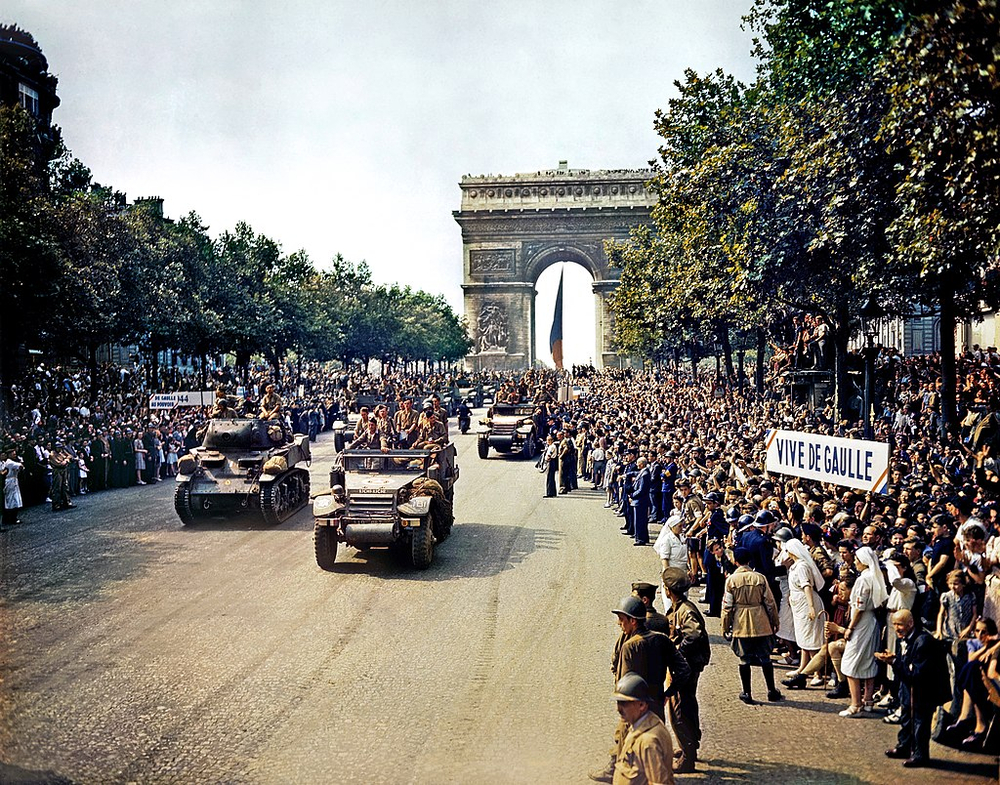
During World War II, Paris was under German occupation for four years. The French Resistance played a crucial role in gathering information and conducting sabotage missions against the German forces. Allied troops had been advancing towards Paris, leading to heightened tensions in the city.
As the Allies closed in, a massive uprising broke out in Paris. The Resistance fighters, accompanied by Free French Forces, engaged in fierce street battles with the German troops. Civilians joined the fight, leading to widespread chaos and destruction across the city.
The Liberation of Paris was a significant turning point in the war, boosting morale for the French people and Allies. It marked the end of German control in the capital and symbolized the beginning of the end of the Nazi occupation in France.
After heavy fighting, the German forces eventually surrendered, and Paris was freed. The city erupted in celebrations as crowds filled the streets, waving flags and cheering the Allied soldiers.
The Liberation of Paris remains a poignant moment in French history, symbolizing resilience, courage, and the triumph of freedom over oppression.
#LiberationOfParis #FrenchResistance #FreeFrenchForces #WWII #AlliedForces #NaziOccupation
View detailsThe Normandy landings saw the Allied forces launch a massive assault on the German-occupied coast of France. This strategic operation involved over 150,000 troops from various nations storming the beaches of Normandy, facing heavy resistance from the well-fortified German troops. Despite the challenges and casualties, the Allies managed to secure a crucial foothold in France, marking a turning point in World War II.
The liberation of France from German occupation was initiated with the D-Day landings, as the Allies began to push back the enemy forces, reclaiming key territories and advancing further into France. The success of this operation paved the way for the eventual liberation of Paris and the restoration of French sovereignty.
The Normandy landings remain one of the most significant military operations in history, demonstrating the power of collaboration and strategic planning in achieving a common goal. The courage and sacrifice of those who took part in this operation are remembered and honored to this day, symbolizing the resilience and determination of the Allied forces in the fight against tyranny.
#NormandyLandings #DDay #LiberationofFrance #AlliedForces #WorldWarII #HistoricOperation #Courage #Resilience
View details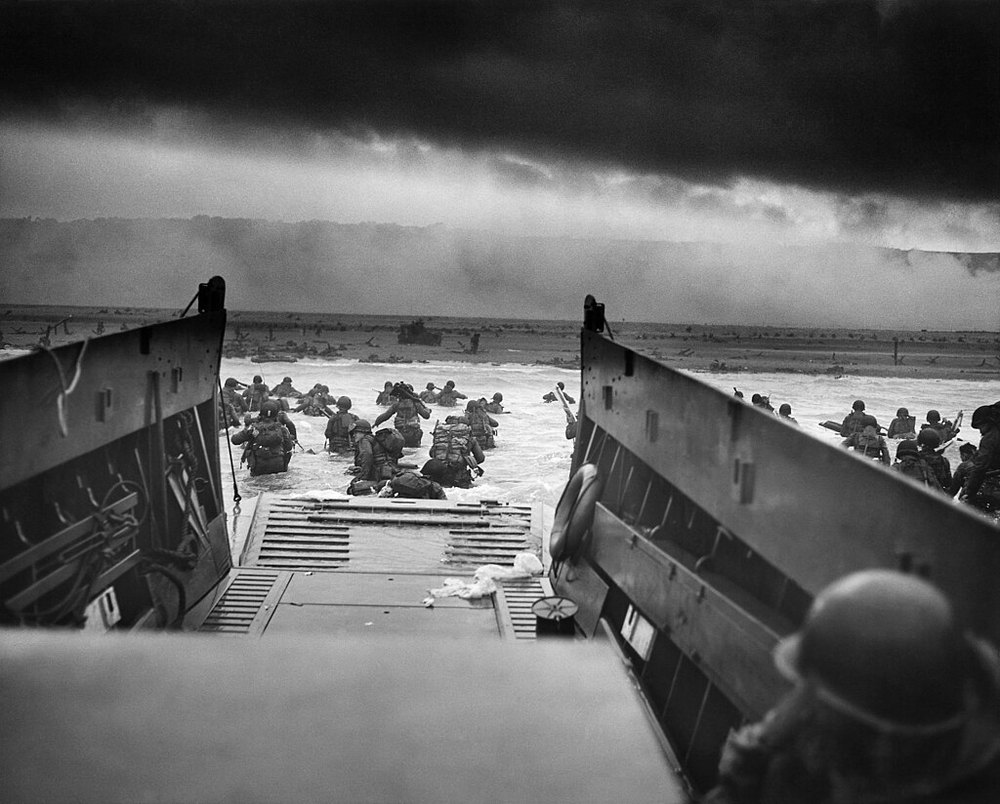
1940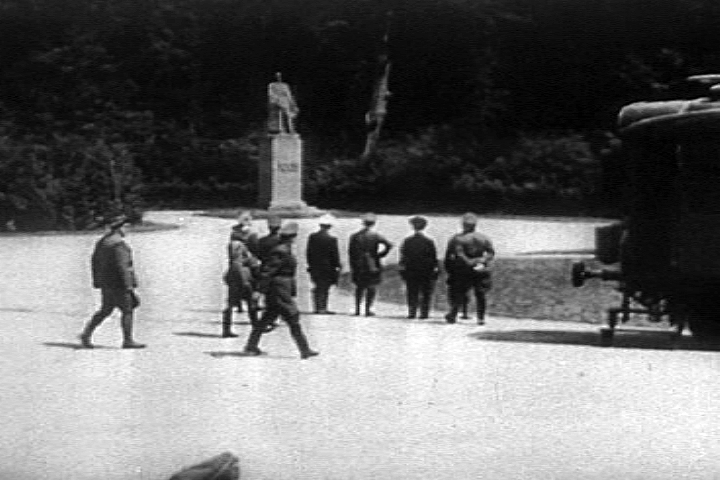
During World War II, the Second Armistice at Compiègne was signed, resulting in the occupation of northern France by German forces. This agreement led to the establishment of the Vichy Government, a collaborationist regime with Nazi Germany. Following the rapid defeat of France, the armistice divided the country with the north under direct German control and the south governed by the Vichy regime led by Marshal Philippe Pétain.
The armistice had a profound impact on France as it marked the beginning of a dark period in its history. The occupation of northern France brought about strict German military rule, economic exploitation, and widespread oppression of the French population. The Vichy Government, while initially seen as a way to maintain some semblance of independence, ultimately became a tool of the Nazis, implementing anti-Semitic laws and collaborating in the deportation of Jews to concentration camps.
The signing of the Second Armistice at Compiègne symbolized the defeat and humiliation of France, as well as the beginning of a period of resistance and collaboration. The scars of this event would linger long after the war, shaping the country's post-war politics and society. #WWII #Occupation #VichyGovernment
View details1939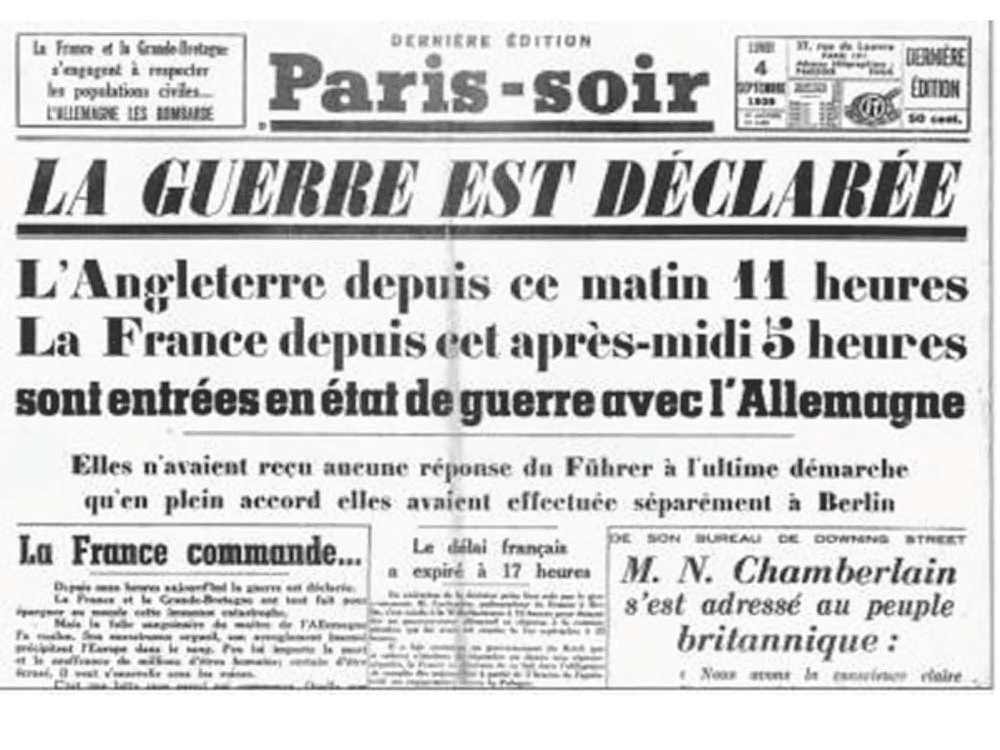
France's declaration of war on Germany marked its full-scale involvement in World War II. Throughout the 1930s, tensions had been escalating in Europe, with Germany aggressively expanding its territories. The day France entered the war came after Germany's invasion of Poland, which violated previous agreements and sparked international outrage. France had signed alliances with Poland and the United Kingdom, obligating them to respond to German aggression.
The impact of France's declaration of war was significant, as it brought one of Europe's major powers into the conflict. French military forces mobilized, preparing for the impending hostilities. However, despite its military might, France would face challenges in the early stages of the war, eventually leading to the fall of Paris to German forces in 1940.
The declaration of war by France set the stage for a prolonged and devastating conflict that would engulf much of the world. This event underscored the gravity of the situation and the determination of Allied powers to confront German aggression.
#France #Germany #WorldWarII #Alliances #MilitaryConflict
View details1937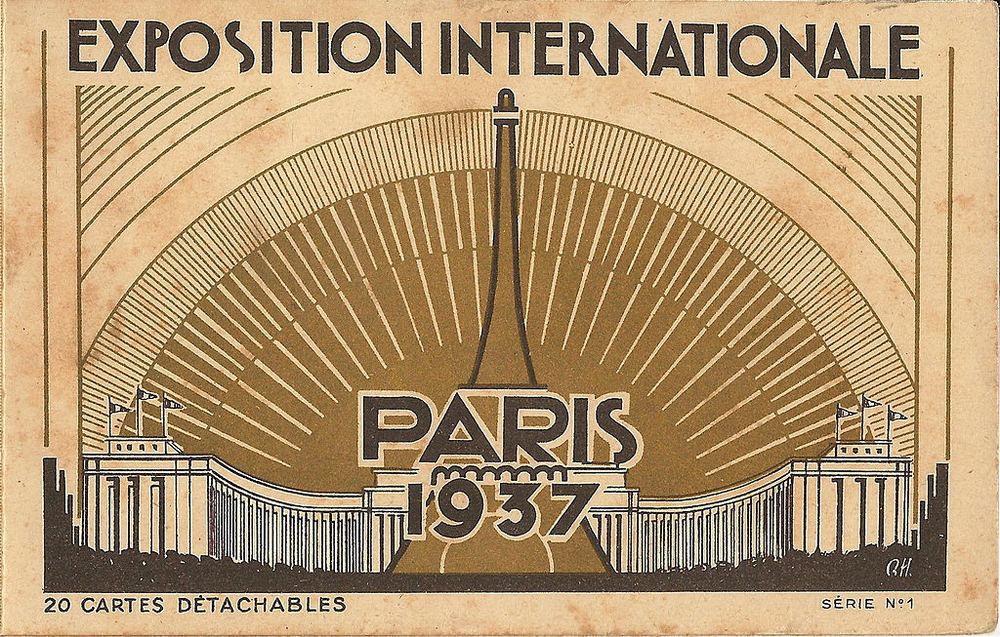
The International Exposition of Art and Technology in Modern Life opened in Paris, showcasing an array of innovations in art and technology. The event aimed to highlight the integration of creativity and technological advancements in various aspects of life. With a focus on modernity and progress, the exposition featured exhibits from different countries, captivating visitors with the latest achievements in art and technology.
The impact of the exposition was profound, as it provided a platform for artists and inventors to demonstrate their vision for the future. It fostered international cooperation and cultural exchange, setting the stage for collaborations that would shape the landscape of art and technology in the years to come. The event also attracted a large audience, sparking discussions and debates on the role of technology in modern society.
Overall, the International Exposition of Art and Technology in Modern Life in Paris was a melting pot of creativity, innovation, and cultural diplomacy. It served as a testament to the power of human ingenuity and the endless possibilities that arise when art and technology converge.
#ExpositionParis #ArtandTechnology #Innovation #CulturalExchange
View details1936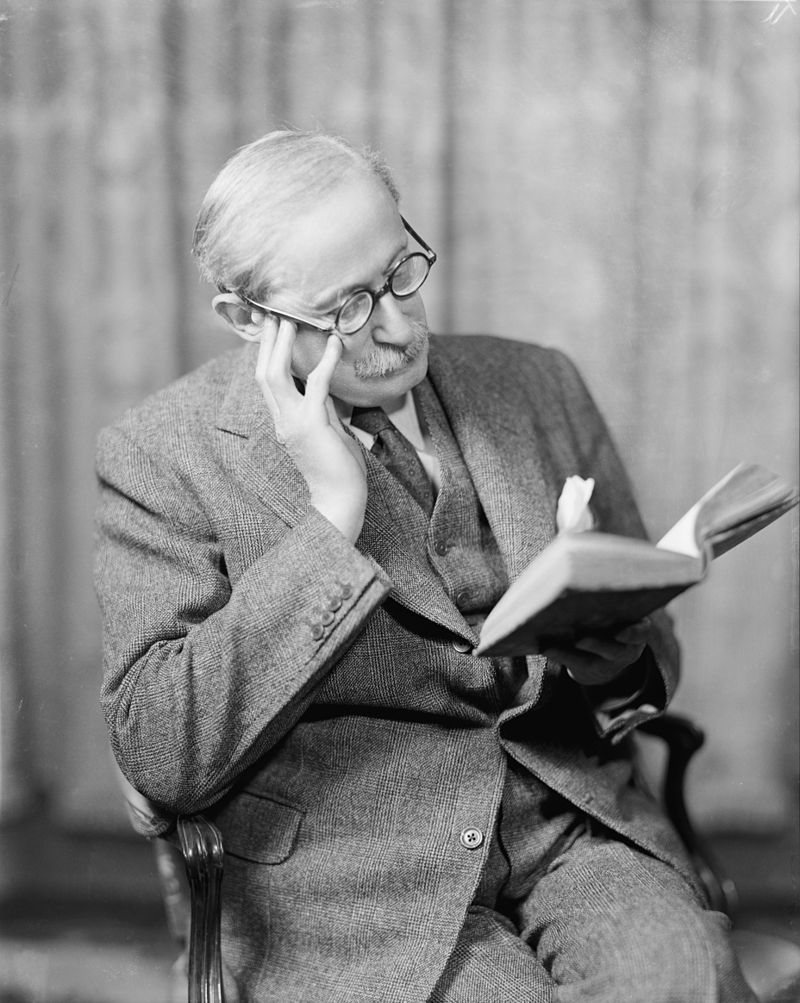
The establishment of the French Popular Front government marked a turning point in French history. Formed by a coalition of left-wing parties, including the Socialists and Communists, the government aimed to address the social and economic challenges facing the country. Led by Prime Minister Léon Blum, the Popular Front implemented various reforms, such as the introduction of the 40-hour workweek, paid vacations, and increased wages for workers. These reforms sought to improve the living and working conditions of the French people, particularly the working class.
The Popular Front government also focused on strengthening labor rights and promoting social justice. It initiated measures to protect workers' rights to organize and collectively bargain, leading to a more equitable distribution of wealth in French society. The government's efforts to support workers and improve social welfare programs were praised by many, while also facing opposition from conservative factions.
Overall, the establishment of the French Popular Front government had a lasting impact on the social and economic landscape of France. It set a precedent for future governments to prioritize the needs of the working class and enact progressive reforms to address inequality.
#FrenchPopularFront #SocialReforms #EconomicChanges #LéonBlum
View details1934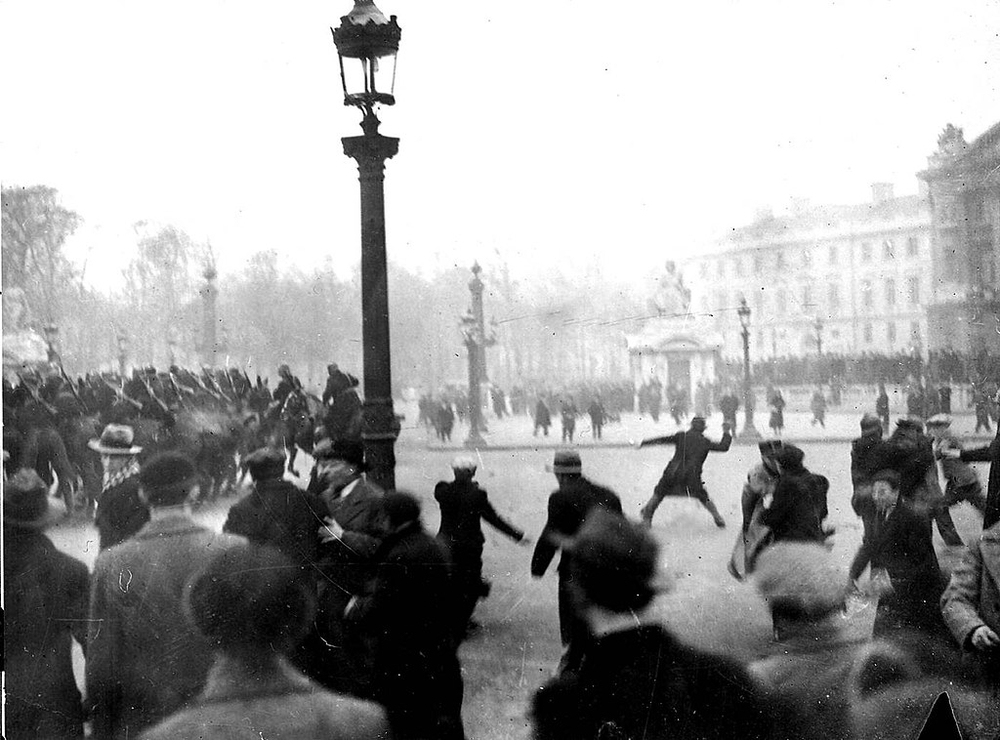
The riots by far-right leagues in France resulted in a substantial political crisis during the Third Republic. The backdrop of economic challenges and social unrest fueled by dissatisfaction with the government's handling of the situation set the stage for the violent clashes that ensued. This event marked a turning point in the political landscape, leading to increased polarization and instability in the country.
The impact of the riots was profound, shaking the foundation of the Third Republic and revealing the deep-seated divisions within French society. The government, already facing criticism for its perceived weaknesses, struggled to contain the escalating violence and restore order. The aftermath of the riots saw a reshuffling of political dynamics, with far-right groups gaining momentum and influence in the ensuing power struggle.
The events that unfolded during this crisis underscored the fragility of democratic institutions and the challenges of maintaining stability in times of turmoil. The legacy of these riots lingered on, shaping the trajectory of French politics and society in the years to come. #FarRight #PoliticalCrisis #ThirdRepublic
View details1919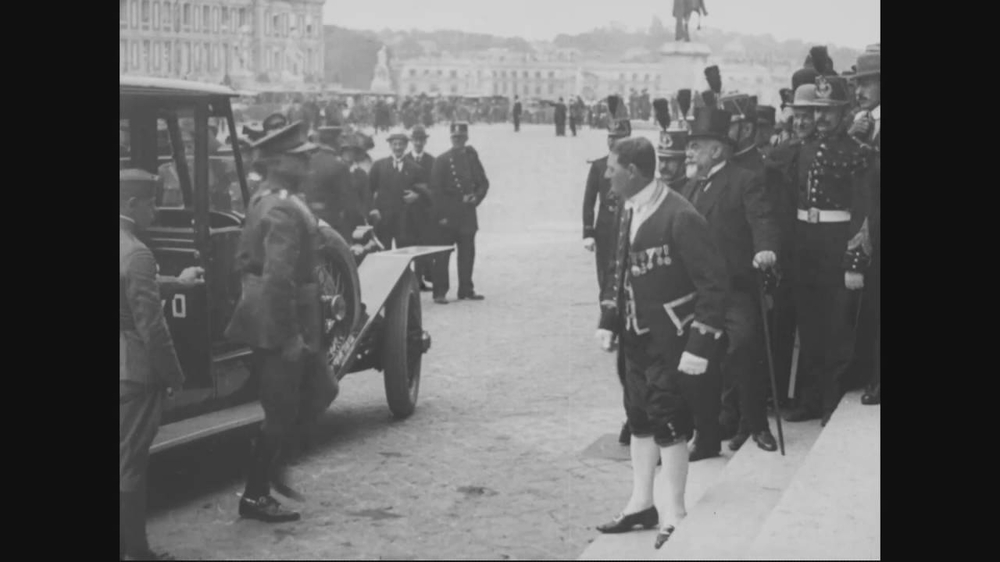
The Treaty of Versailles was a pivotal agreement that marked the conclusion of World War I. This treaty was signed in the Hall of Mirrors at the Palace of Versailles in France. The negotiations leading up to the signing involved the Allied Powers and Germany, with France playing a significant role due to being one of the most heavily affected countries during the war.
The Treaty of Versailles imposed significant penalties on Germany, including territorial losses, disarmament, and reparations payments. The harsh terms of the treaty aimed to weaken Germany militarily and economically to prevent it from posing a threat to its neighbors in the future. However, the treaty's punitive nature and its impact on the German economy would later be cited as contributing factors to the rise of fascism and the eruption of World War II.
The signing of the Treaty of Versailles officially ended the state of war between Germany and the Allied Powers. While it brought a conclusion to the fighting, it also left a legacy of bitterness and resentment in Germany, setting the stage for future conflicts.
#TreatyofVersailles #WorldWarI #PalaceofVersailles #AlliedPowers #Germany #France #HallOfMirrors
View details1914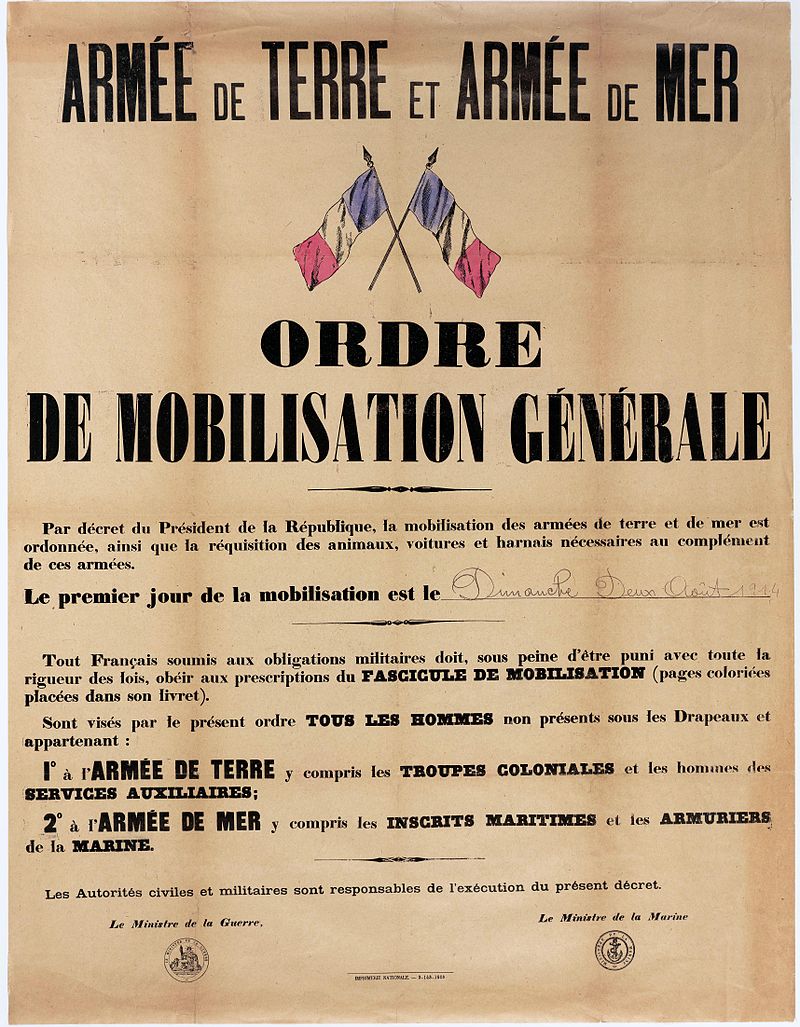
Amid rising tensions in Europe, the German Empire declared war on France, igniting France's involvement in World War I. The conflict stemmed from a web of alliances, imperial rivalries, and militarism across the continent. The German move was prompted by a complex system of treaties that obligated countries to come to each other's aid in times of conflict.
The declaration of war had a profound impact on France, thrusting the nation into a long and grueling conflict that would shape the course of history. France mobilized its forces and prepared for the challenges that lay ahead. The war brought immense suffering to the French population, with millions of lives lost and widespread destruction.
The German Empire's decision marked the beginning of a brutal and protracted war that would have far-reaching consequences for all involved. The conflict would redraw borders, dismantle empires, and usher in a new era of warfare. France's entry into the war solidified the opposing alliances and set the stage for a prolonged and devastating conflict.
#GermanEmpire #France #WorldWarI #Alliances #Conflict #Militarism #History
View details1910
Coco Chanel founded Chanel, an iconic high fashion house famous for haute couture, ready-to-wear clothes, luxury goods, and fashion accessories. Born in France, Coco Chanel revolutionized the fashion industry by introducing timeless designs that blended elegance and comfort. Her innovative use of fabrics and simple yet sophisticated styles quickly garnered attention.
Chanel's introduction of the little black dress, tweed suits, and Chanel No. 5 perfume left a lasting impact on the world of fashion. Her designs were marked by their minimalist approach, rejecting the overly ornate styles of the time. The brand's logo, intertwined double Cs, became synonymous with luxury and sophistication.
Over the years, Chanel has continued to be a prominent force in the fashion world, with collections designed by creative visionaries such as Karl Lagerfeld. The brand's runway shows, held in grandiose settings, have become highly anticipated events in the fashion calendar.
With a legacy that endures to this day, Chanel remains a symbol of timeless elegance and refined style.
#Chanel #FashionIcon #HauteCouture #Innovation #TimelessElegance
View details1905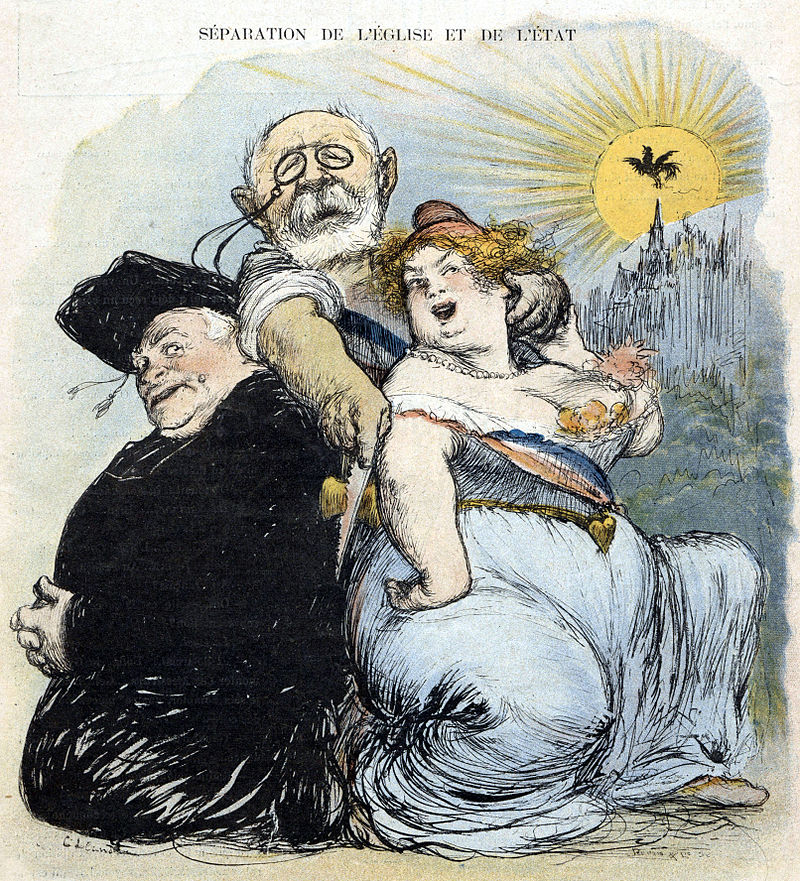
In 1905, the French government passed a law that terminated state financial support to religious organizations. This law marked a critical turning point in French history, separating the Church from the State. The decision was a result of longstanding tensions between the Catholic Church and the secular government. The law aimed to promote the principles of secularism and equality in France by disentangling religious institutions from state influence.
By ending government funding of religious groups, the law aimed to assert the authority of the state over religious matters and promote neutrality in religious affairs. It had a profound impact on the relationship between the church and the government, leading to a significant reduction in the power and influence of the Catholic Church in French society.
The 1905 French law on the separation of Church and State continues to shape the landscape of religious freedom and state secularism in France today. It serves as a cornerstone of French secularism and remains a crucial element of the country's constitutional framework. The law exemplifies France's commitment to safeguarding the principles of secularism and upholding the separation of church and state.
#France #Secularism #ReligiousFreedom.
View details1904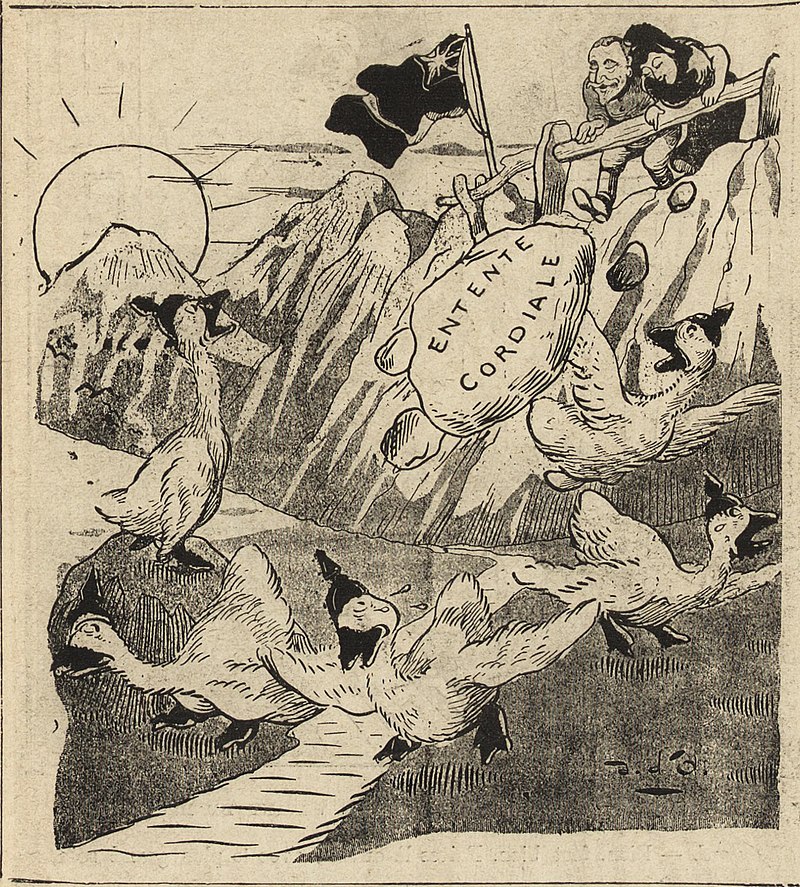
The Entente Cordiale was a diplomatic agreement between France and Britain, solidifying their relationship and laying the groundwork for the Triple Entente with Russia. The historical rivalry and colonial disputes between France and Britain motivated this agreement, aiming to resolve conflicts and establish cooperation in various regions worldwide.
This event marked a significant shift in European alliances, steering away from previous tensions and towards a more stable and collaborative relationship between France and Britain. The understanding reached under the Entente Cordiale focused on protecting common interests, especially in North Africa and the Middle East, while also addressing other global concerns.
The agreement bolstered military cooperation and intelligence sharing between the two nations, increasing their diplomatic strength and influence on the international stage. This alliance played a crucial role in shaping the geopolitical landscape leading up to World War I, ultimately setting the stage for the formation of the Triple Entente with Russia.
The Entente Cordiale's impact extended beyond Europe, shaping global dynamics and laying the foundation for future collaborations between nations. It remains a pivotal moment in diplomatic history, highlighting the power of dialogue and cooperation in resolving conflicts and advancing mutual interests.
#EntenteCordiale #France #Britain #TripleEntente #Diplomacy #Alliance
View details1900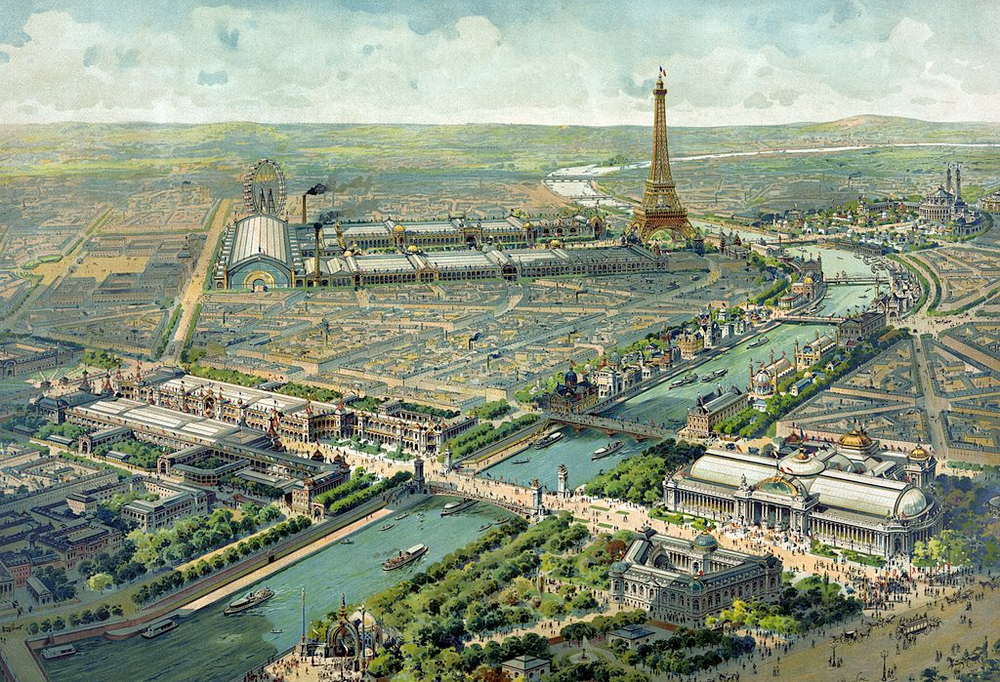
The Exposition Universelle in Paris, also known as the Universal Exhibition, served as a platform for countries to showcase their technological advancements, cultural richness, and artistic creations. Held in the vibrant city of Paris, this event attracted millions of visitors from around the globe. The grandeur of the exhibits captivated attendees as they marveled at innovations such as the moving walkway, talking films, and early demonstrations of wireless telegraphy.
The exhibition's impact extended beyond mere entertainment, fostering international cooperation and understanding through cultural exchange. Participants had the opportunity to appreciate the diversity of traditions, architecture, and craftsmanship from various nations, forging connections that transcended borders. The event not only celebrated human ingenuity but also promoted peace and collaboration among nations.
The legacy of the Exposition Universelle endured long after its conclusion, influencing future world's fairs and inspiring ongoing efforts in innovation and cultural diplomacy. This event exemplified the power of bringing together different cultures and ideas in a spirit of unity and progress. #ExpositionUniverselle #Paris #CulturalExchange #Innovation #InternationalCooperation
View details1895
In 1895, the film production company Gaumont was established, becoming one of the oldest in the world. Gaumont has made significant contributions to the French and global film industry. The company was founded by Leon Gaumont and specialized in silent films during the early years of cinema. Gaumont quickly expanded its operations, producing popular films and establishing itself as a key player in the industry.
Over the years, Gaumont has been involved in the production of numerous successful films, showcasing a wide range of genres and styles. The company has played a vital role in shaping the French cinematic landscape and has helped launch the careers of many talented filmmakers and actors. Gaumont's commitment to innovation and creativity has solidified its reputation as a leading film production company.
Gaumont's impact on the global film industry is undeniable, with its films receiving acclaim and recognition on an international scale. The company continues to produce high-quality content and evolve with the ever-changing landscape of filmmaking, maintaining its position as a powerhouse in the industry.
#Gaumont #FilmProduction #FrenchCinema #GlobalImpact #OldestInTheWorld
View details1889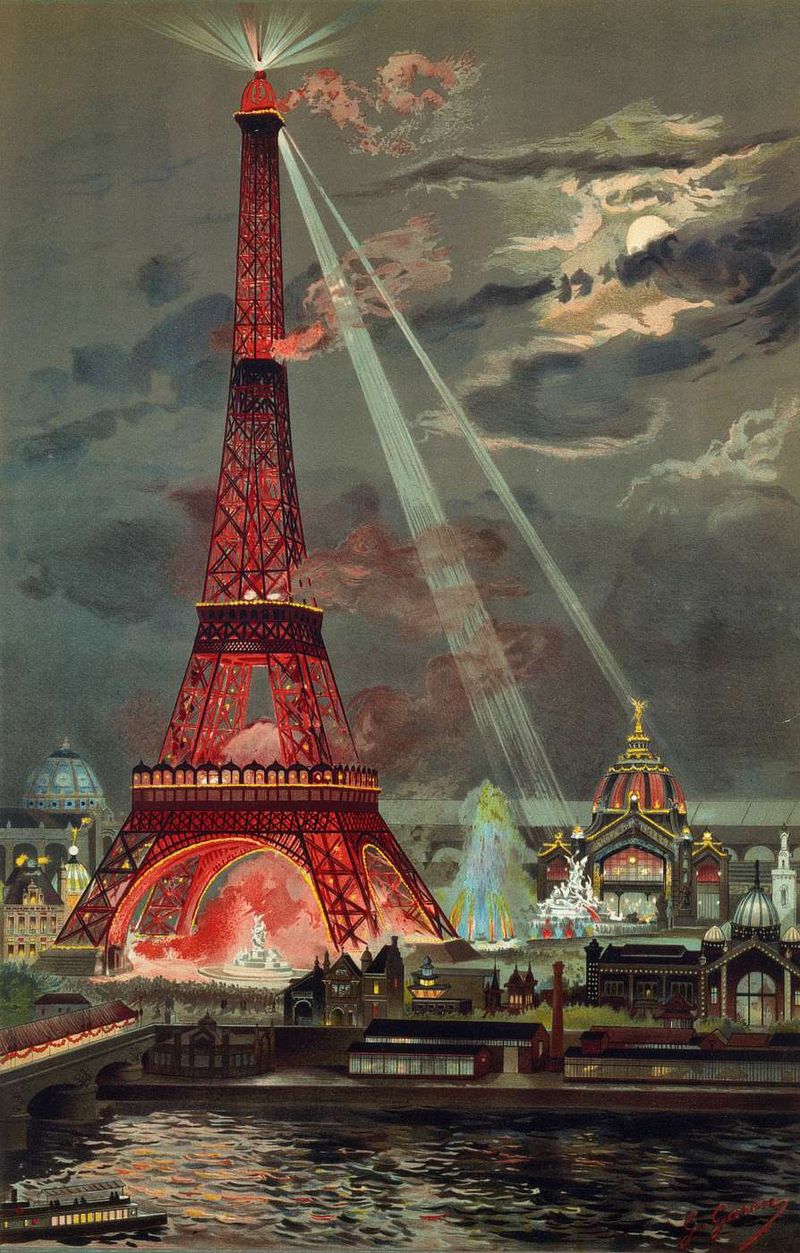
The Eiffel Tower was officially opened in Paris as part of the 1889 Exposition Universelle. At 1,063 feet tall, it became the world's tallest man-made structure, showcasing the architectural prowess of Gustave Eiffel's team. The tower's iconic lattice design drew admiration and controversy alike, with critics initially dubbing it an eyesore.
Despite the initial skepticism, the Eiffel Tower soon emerged as a global symbol of France's innovation and engineering excellence. It quickly became one of the most visited tourist attractions in the world, attracting millions of visitors annually. The sweeping views of Paris from its three observation decks left tourists mesmerized, solidifying the tower's status as a must-see landmark.
Over the years, the Eiffel Tower has stood witness to significant historical events, from being used for telegraphy purposes during the World Wars to serving as a backdrop for various cultural celebrations. Its enduring appeal continues to be a testament to France's cultural legacy and artistic ingenuity.
Today, the Eiffel Tower remains an enduring symbol of Paris, representing France's artistic and architectural achievements on the world stage. #EiffelTower #ExpositionUniverselle #ParisIcon
View details1871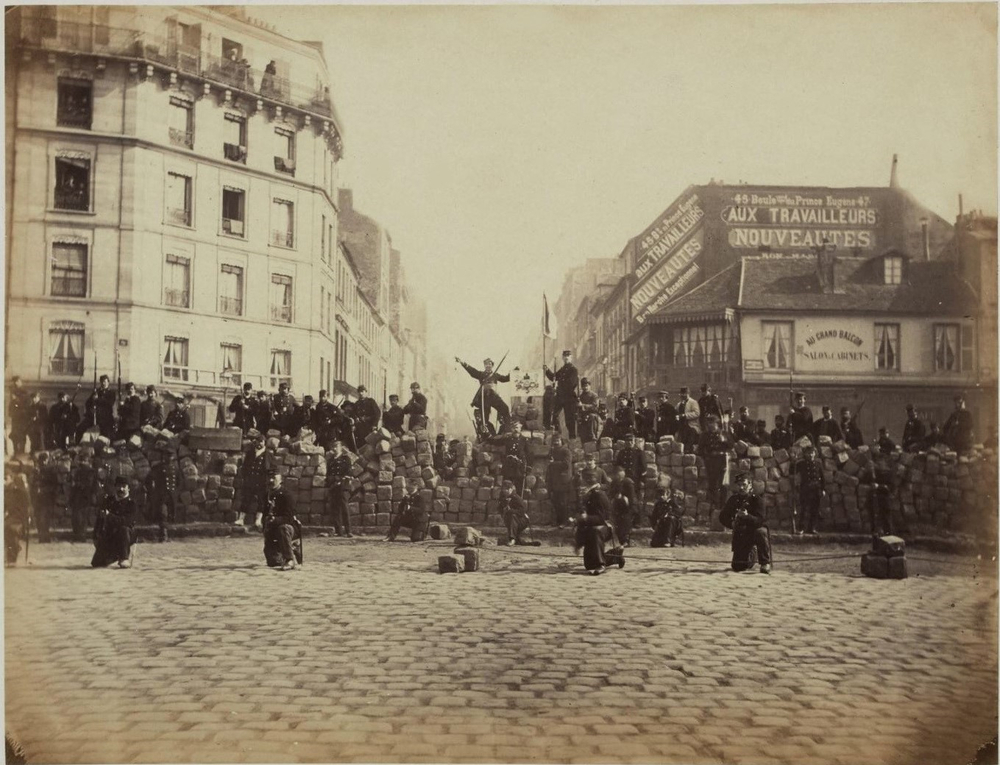
The Paris Commune, a revolutionary government formed in the wake of the Franco-Prussian War, took control of Paris for two months. The Communards aimed to create a more equitable society, implementing progressive reforms such as separation of church and state, free education, and workers' rights. The Commune's rule challenged the traditional French government and societal norms.
However, their control was short-lived. The French Army, loyal to the national government, launched a brutal assault on the city. Thousands of Communards were killed, and many more were arrested or exiled. The suppression of the Commune marked the end of their experiment in revolutionary governance.
Despite its quick defeat, the Paris Commune has left a lasting impact on French politics and society. It inspired future socialist and anarchist movements, becoming a symbol of resistance against oppressive regimes. The memory of the Commune lives on, commemorated in literature, art, and political discourse, as a poignant moment of defiance against injustice.
#ParisCommune #FrenchHistory #RevolutionaryGovernance #SocialJustice
View details1864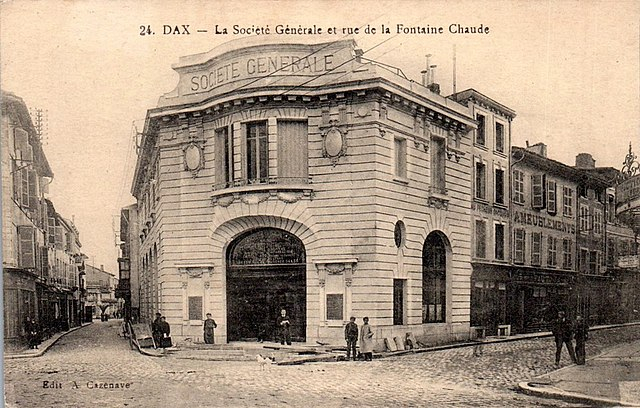
Société Générale, a prominent French multinational investment bank and financial services company, was established in history. The founding of Société Générale took place as a means to support economic growth in France and to provide financial services to individuals, businesses, and institutions. The institution has since grown to become one of the largest and most influential banks in France, playing a key role in the country's financial sector.
Throughout its history, Société Générale has contributed to the development of the French economy by offering a wide range of banking services, including retail banking, corporate banking, investment banking, and asset management. The establishment of Société Générale marked a significant milestone in the financial landscape of France, paving the way for modern banking practices and financial innovation.
Over the years, Société Générale has expanded its presence globally, establishing operations in various countries around the world. The bank's commitment to excellence and innovation has helped solidify its reputation as a leading financial institution on the international stage.
#SociétéGénérale #FrenchBanking #FinancialServices #GlobalExpansion
View details1851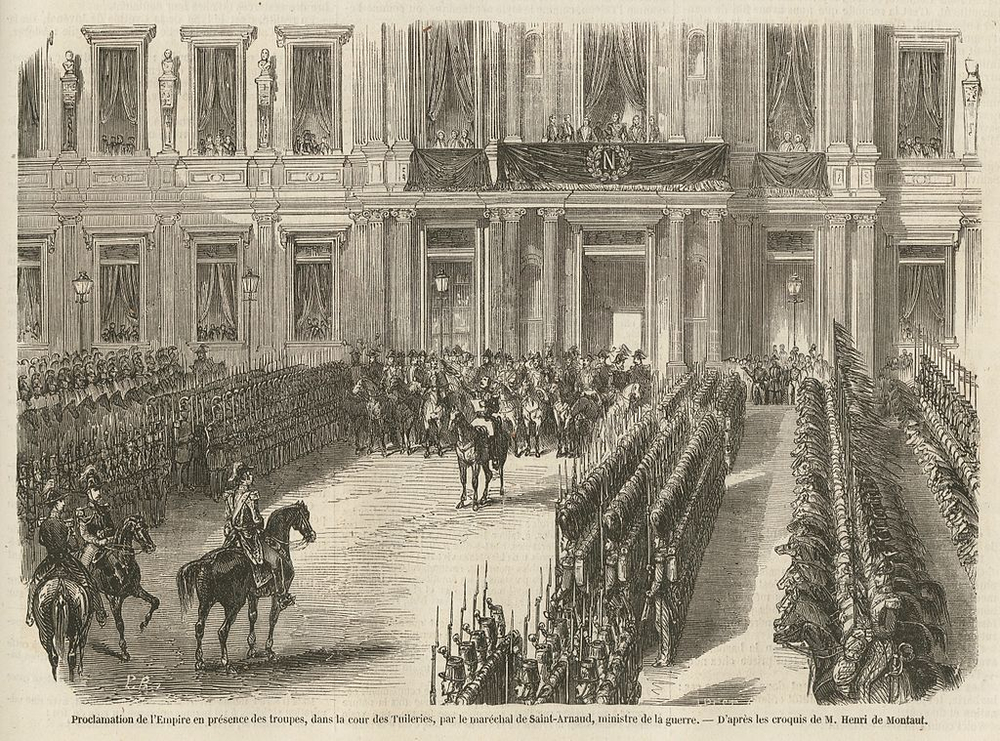
In the political landscape of France, Louis Napoleon orchestrated a successful coup d'état, resulting in the establishment of the Second French Empire with him as Emperor Napoleon III. Louis Napoleon's rise to power was fueled by his desire to consolidate authority and stability amidst a period of social and political unrest in the country following the 1848 Revolution.
The coup d'état unfolded swiftly, with Louis Napoleon deploying military forces to seize key points in Paris and dissolve the National Assembly. Subsequently, a referendum endorsed his leadership, leading to the proclamation of the Second French Empire. As Emperor, Napoleon III implemented significant reforms and modernization efforts, including infrastructure development, urban planning, and economic growth policies. His reign was characterized by a mix of authoritarianism and liberal initiatives, aiming to enhance France's power and prestige on the global stage.
The establishment of the Second French Empire under Napoleon III had far-reaching implications, transforming France into a major political player in Europe and beyond. The consolidation of power centralized authority under the Emperor's leadership, ushering in a period of significant cultural, social, and economic progress within the country.
#LouisNapoleon #SecondFrenchEmpire #NapoleonIII #CoupdEtat #EmperorNapoleonIII #France #PoliticalTransformation
View details1848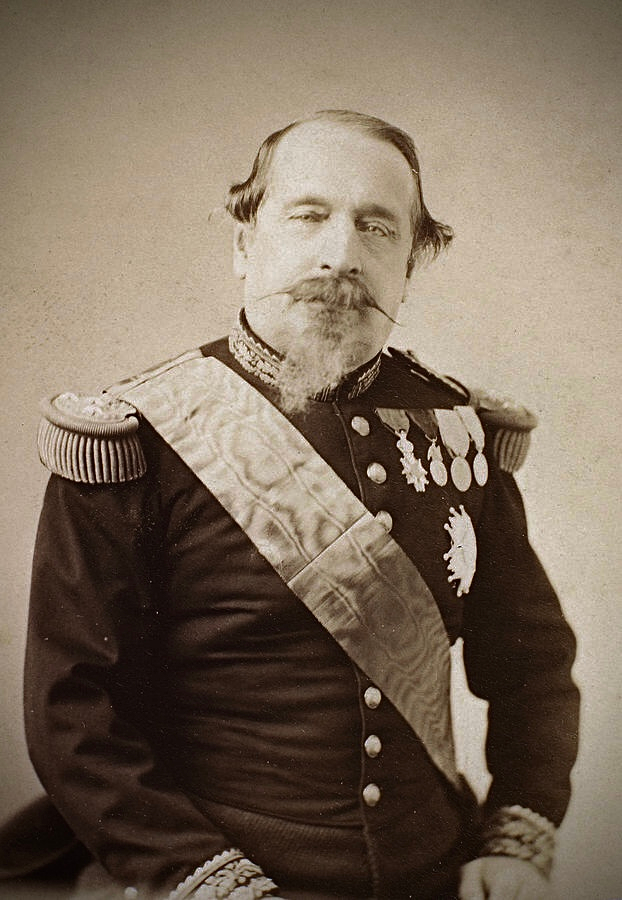
Following the revolution in France, Louis Napoleon assumed the presidency of the newly established French Second Republic. As the nephew of Napoleon Bonaparte, he aimed to restore stability and order in the country. Despite initial doubts about his political abilities, Louis Napoleon promised to prioritize the interests of the people and work towards economic prosperity.
His presidency marked a significant shift in French politics, with Louis Napoleon implementing various reforms to improve social conditions and strengthen the economy. His policies led to a period of relative peace and growth, earning him support from the public.
Louis Napoleon's presidency laid the foundation for his later ascent to Emperor of the French Empire. His leadership during this time played a crucial role in shaping the political landscape of France for years to come.
#LouisNapoleon #FrenchSecondRepublic #NapoleonIII #PoliticalTransition #EconomicReforms #FrenchHistory
View detailsAmid growing discontent with the monarchy, the Revolution of 1848 in France marked a turning point in the country's history. Spurred by economic hardships and political repression, the people rose up against King Louis-Philippe. The revolutionaries demanded social and political reforms, including the right to work and the right to vote for all adult males.
As the revolution gained momentum, King Louis-Philippe abdicated the throne, leading to the establishment of the French Second Republic. A provisional government was formed, with the principles of liberty, equality, and fraternity at its core. A new constitution was adopted, granting universal male suffrage and establishing a parliamentary system.
The Revolution of 1848 had far-reaching effects, inspiring similar uprisings across Europe. Though the French Second Republic was short-lived, lasting only four years, it laid the groundwork for future political developments in France. It marked a significant shift towards democracy and paved the way for the establishment of the Third Republic.
#FrenchRevolution #SecondRepublic #PoliticalReforms
View details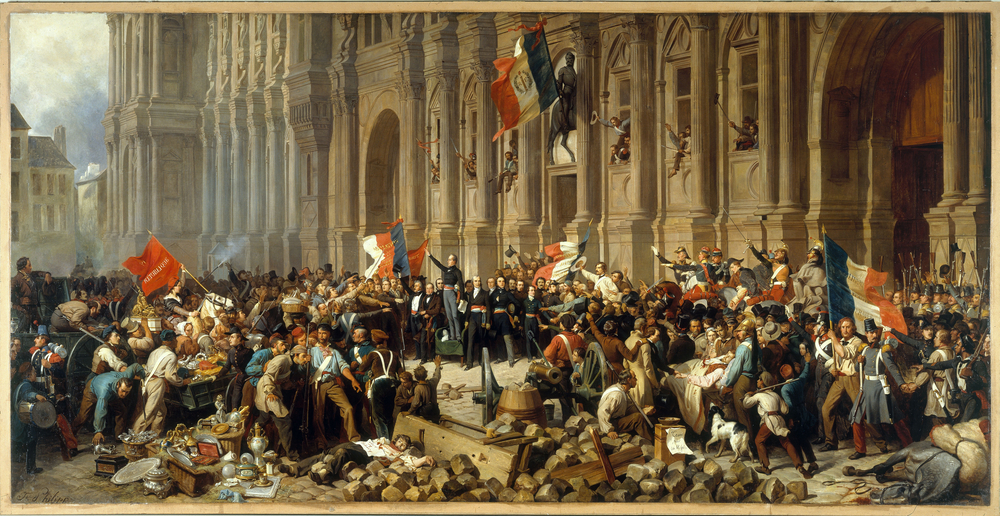
1837
In the 19th century, Hermès was founded in France by Thierry Hermès. Starting as a harness workshop catering to European noblemen, the brand swiftly gained a reputation for impeccable craftsmanship and quality. Specializing in leather goods, lifestyle accessories, and ready-to-wear fashion, Hermès became synonymous with luxury and exclusivity.
The establishment of Hermès marked the beginning of a legacy that continues to dominate the high-end fashion industry. Through strategic innovation and unwavering dedication to craftsmanship, the brand expanded its offerings to include iconic pieces like the Birkin and Kelly bags, coveted by fashion enthusiasts worldwide.
With a commitment to using only the finest materials and employing skilled artisans, Hermès set the standard for luxury goods, leading to a loyal following from elite clientele and fashion connoisseurs. The brand's timeless designs and commitment to traditional techniques have ensured its enduring popularity for generations.
Today, Hermès remains a symbol of elegance and sophistication, with its products representing the pinnacle of luxury and style. Its iconic orange boxes and silk scarves have become status symbols coveted by those with a discerning eye for quality and design.
#Hermès #HighFashion #LuxuryGoods #Craftsmanship #Legacy #France
View details1830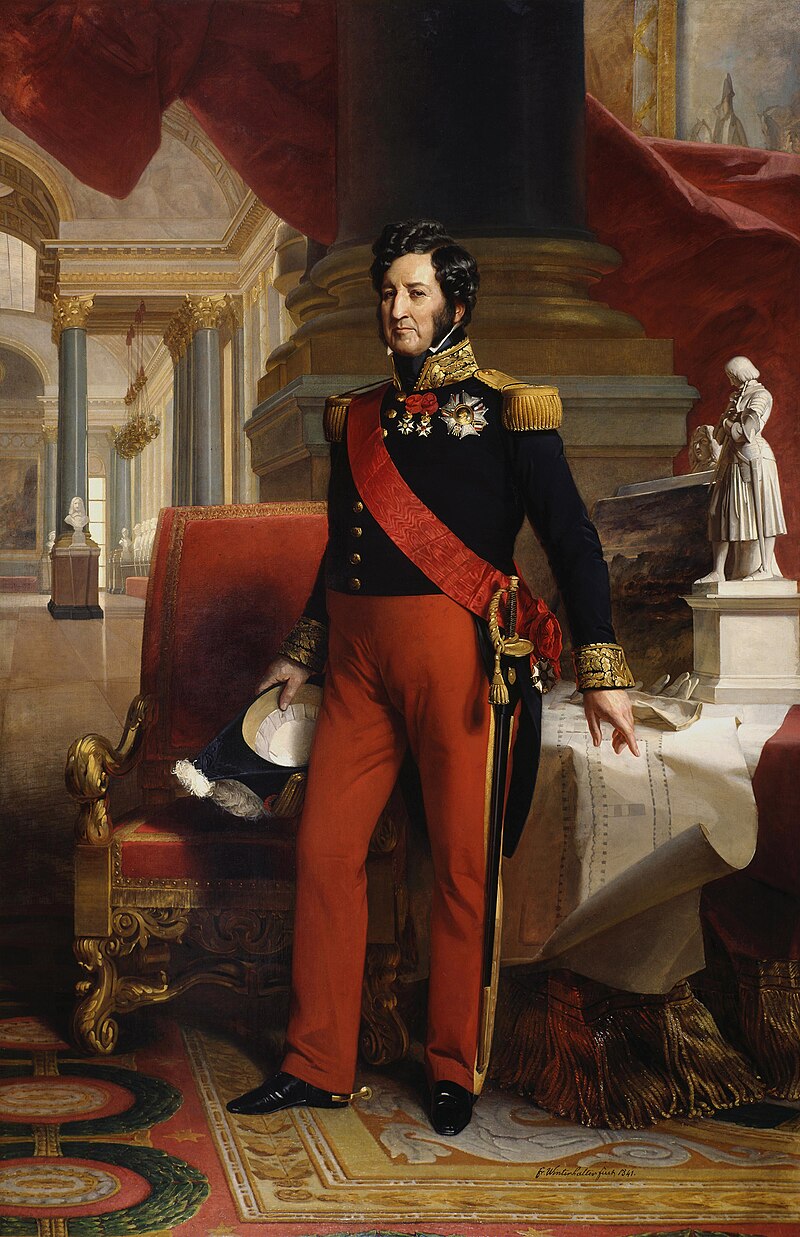
Following a period of political unrest and dissatisfaction with the monarchy's policies, the July Revolution unfolded in France. King Charles X's attempts to consolidate power and impose authoritarian rule triggered widespread opposition among the French populace. The final straw came when the King issued restrictive ordinances, fueling mass protests and violent clashes in the streets of Paris.
Faced with mounting pressure and a deteriorating political situation, King Charles X renounced the throne, paving the way for the ascent of Louis-Philippe as the new monarch. Louis-Philippe, known as the 'Citizen King,' symbolized a more liberal and constitutional monarchy, in line with the desires of the revolutionaries. His reign marked a shift towards a more representative government, albeit within a monarchical framework.
The aftermath of the July Revolution had far-reaching implications, not only in France but also across Europe. It inspired similar uprisings and reform movements in other countries, shaping the course of 19th-century European history. The events of the revolution underscored the power of popular discontent and collective action in shaping political outcomes, highlighting the importance of responsiveness and adaptability within governance.
#JulyRevolution #KingCharlesX #LouisPhilippe #CitizenKing #Monarchy #ConstitutionalMonarchy #ReformMovements #EuropeanHistory
View details1815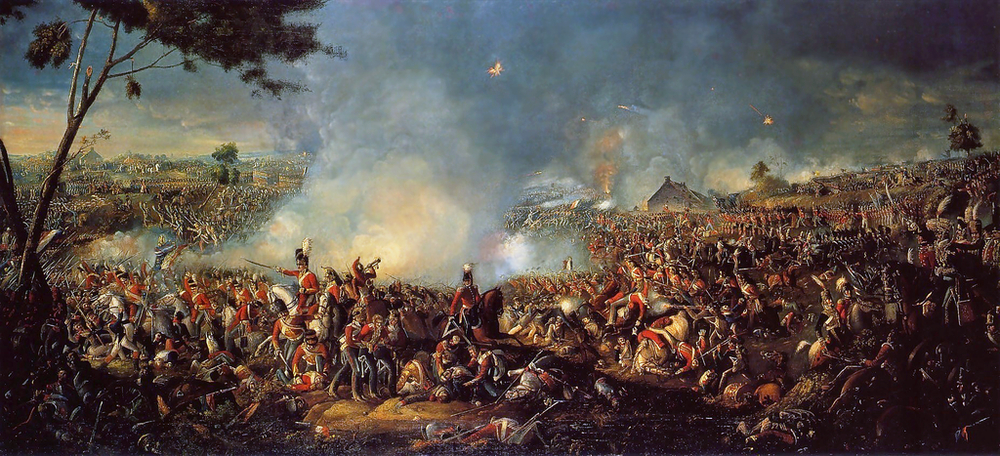
In the decisive Battle of Waterloo, Napoleon faced the combined forces of the British and Prussian armies. The battle took place near the town of Waterloo in present-day Belgium. Napoleon, known for his military tactics, found himself defeated by the coalition's strategic maneuvers led by the Duke of Wellington and Field Marshal Blücher.
The battle marked the end of Napoleon's rule as the Emperor of France and his Hundred Days return from exile. Following his defeat, Napoleon was forced to abdicate for the second time and was later exiled to the remote island of Saint Helena in the South Atlantic. The defeat at Waterloo not only ended Napoleon's reign but also brought about significant changes in Europe, solidifying the establishment of the Concert of Europe in the years that followed.
The outcome of the Battle of Waterloo had a lasting impact on European history, shaping the balance of power on the continent and contributing to the eventual fall of the Napoleonic Empire. The event symbolizes the defeat of a once-mighty empire and the restoration of stability in Europe. #BattleofWaterloo #Napoleon #Defeat #EuropeanHistory
View details1804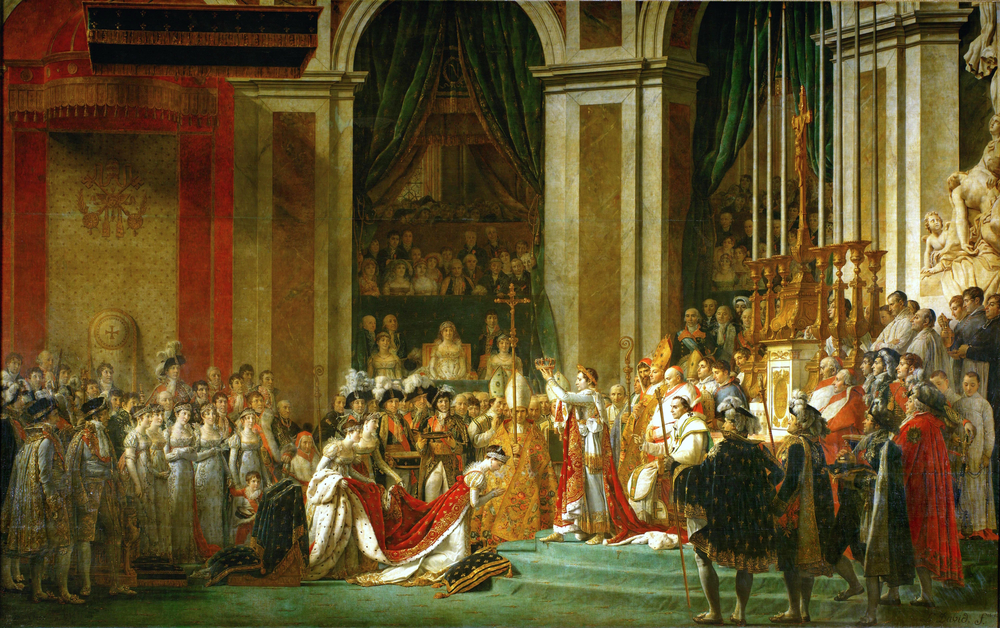
Napoleon Bonaparte, a prominent military and political figure, seized power in France and aimed to solidify his authority. Seeking to legitimize his rule, he orchestrated a grand ceremony at Notre Dame Cathedral, where he crowned himself Emperor of the French. This unprecedented gesture marked a shift in the country's governance, transitioning from a republic to an empire under Napoleon's leadership.
By personally crowning himself, Napoleon displayed his ambition and desire for absolute power. The event symbolized his departure from the revolutionary ideals of the French Revolution, emphasizing imperial authority and centralization of control. Moreover, the crowning at Notre Dame Cathedral added a religious dimension to Napoleon's rule, aligning himself with the Church to secure further backing for his regime.
Napoleon's coronation as Emperor had far-reaching consequences, reshaping France's political landscape and setting the stage for his ambitious military campaigns across Europe. The establishment of the Napoleonic Empire altered the balance of power on the continent, propelling France into a period of expansion and conflict.
#NapoleonBonaparte #EmperoroftheFrench #NotreDameCathedral #France #NapoleonicEmpire #PoliticalTransformation
View details1802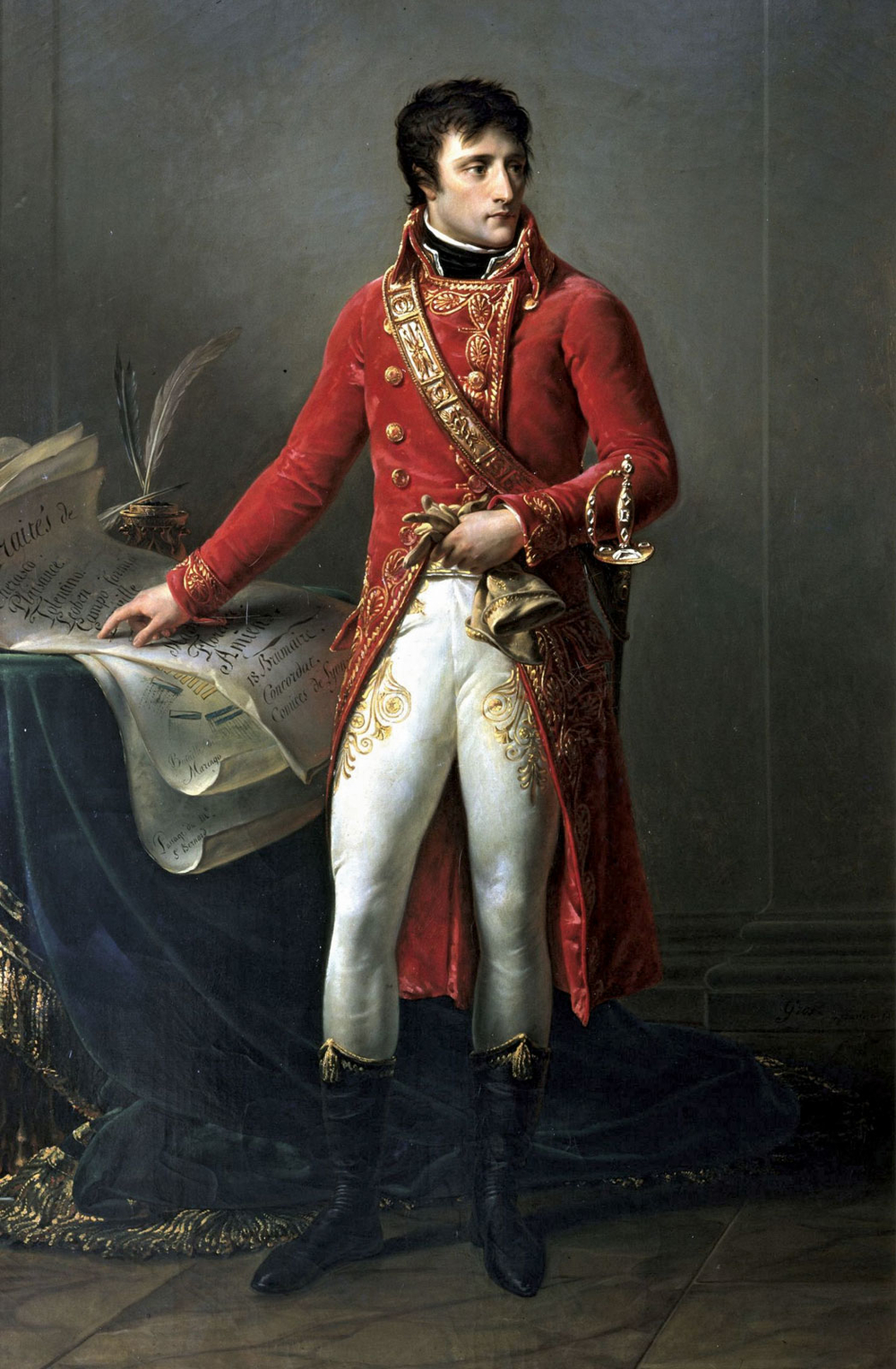
Following a period of political instability in France, Napoleon Bonaparte emerged as a prominent figure in the country's leadership. With his military successes and strong leadership skills, he gained popularity among the French people. Eventually, Napoleon seized power and established himself as the First Consul of France through a constitutional amendment.
As the First Consul, Napoleon centralized authority and implemented various reforms to stabilize the nation. He initiated legal reforms, modernized the education system, and improved the economy, which helped to restore order and prosperity in France. Napoleon's authoritarian rule brought about a period of stability known as the Consulate, marking the end of the French Revolution and the beginning of a new era in French history.
Napoleon's appointment as First Consul consolidated his position as a dominant force in France and paved the way for his eventual rise to Emperor. His reign as First Consul laid the foundation for the Napoleonic Empire, shaping the course of European history for years to come.
#NapoleonBonaparte #FirstConsul #FranceRevolution #NapoleonicEmpire
View details1801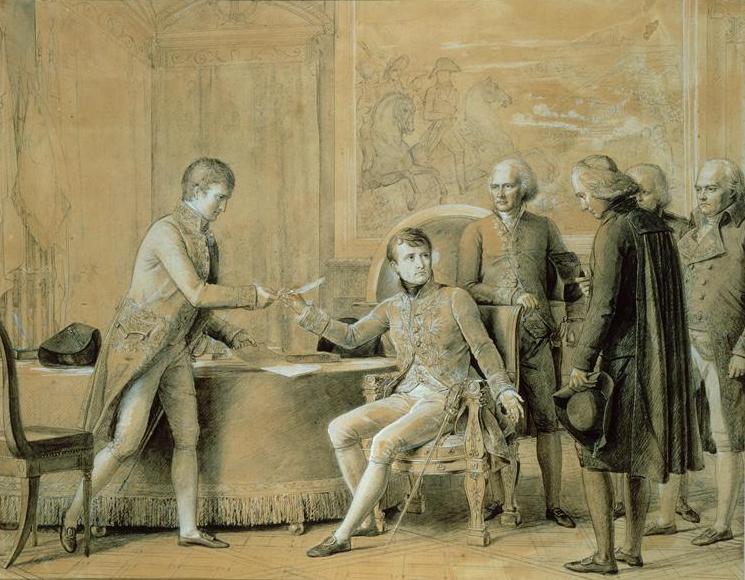
Following years of religious turmoil in France due to the French Revolution, the signing of the Concordat between France and the Vatican marked a significant shift in the relationship between the French government and the Catholic Church. The agreement aimed to reconcile the two parties by recognizing Catholicism as the majority religion in France, while also establishing the Church's rights and privileges.
This Concordat allowed for the reinstatement of Catholic worship in France and the return of exiled clergy members, bringing stability to a country in the midst of political and social upheaval. Additionally, it granted the French government the power to nominate bishops, ensuring a level of control over the Church within its borders.
The signing of the Concordat between France and the Vatican ultimately paved the way for a more harmonious coexistence between the state and the Catholic Church in France, laying the foundation for the role of religion in French society for years to come. It also set a precedent for similar agreements between other European nations and the Vatican.
#France #Vatican #Concordat #FrenchRevolution #CatholicChurch
View details1799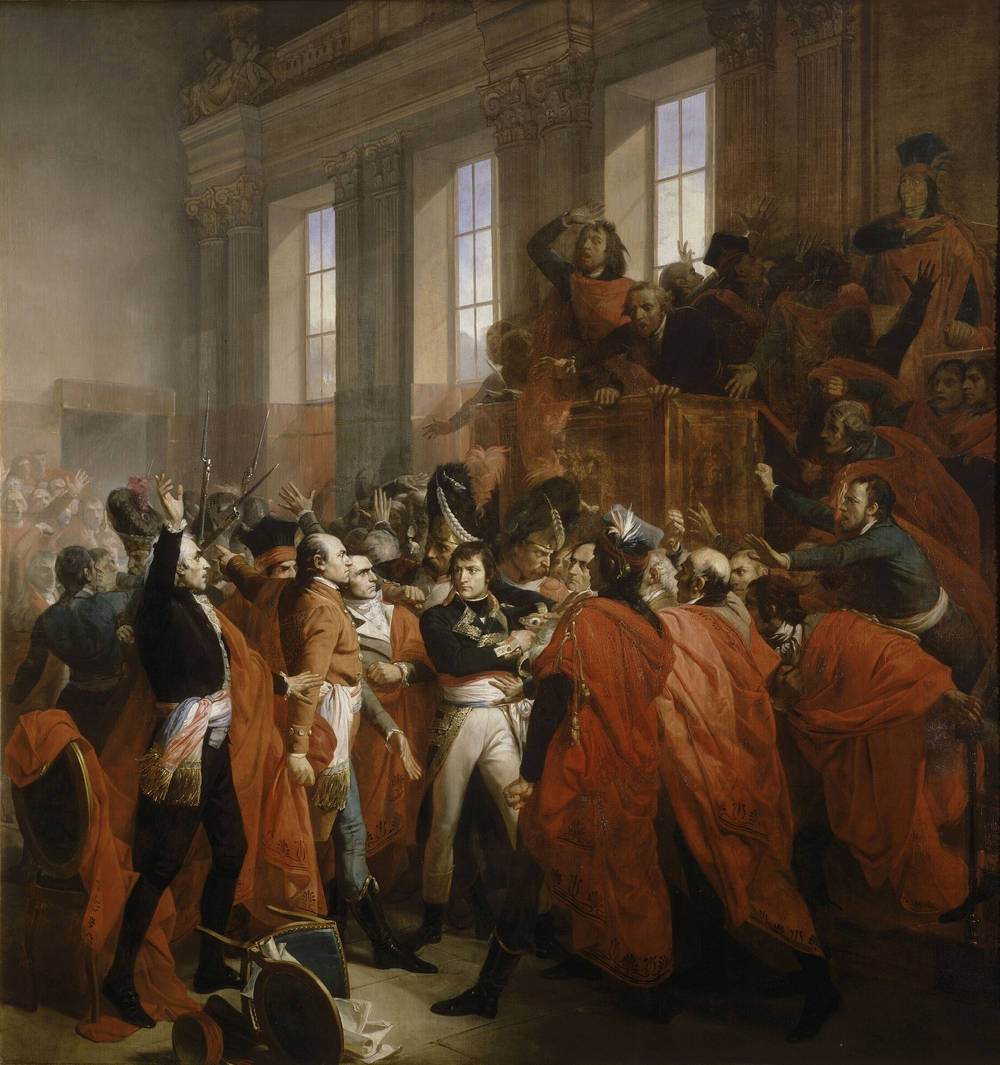
The culmination of the French Revolution saw the rise of Napoleon Bonaparte, marking a shift in power dynamics within France. Following a period of political turmoil, Napoleon's eventual ascent to leadership brought stability and consolidation of authority. As a skilled military strategist, he adopted authoritarian measures to strengthen the country's domestic affairs and expand its influence abroad. This era, known as the Napoleonic Era, witnessed significant reforms in law, education, and infrastructure, shaping France's future trajectory.
Napoleon's reign left a lasting impact on France and Europe, both politically and culturally. His military conquests reshaped borders and alliances, spreading French revolutionary ideals across the continent. The Napoleonic Code, a civil legal system established during his rule, continues to influence legal frameworks worldwide. Despite his eventual defeat and exile, Napoleon's legacy endures, with his name remaining synonymous with ambition, innovation, and ambition in history.
#FrenchRevolution #NapoleonBonaparte #MilitaryConquests #NapoleonicCode #Legacy
View details