Second Armistice: Occupation of Northern France
France

Political
Military
3 min read
Updated By: History Editorial Network (HEN)
Published:
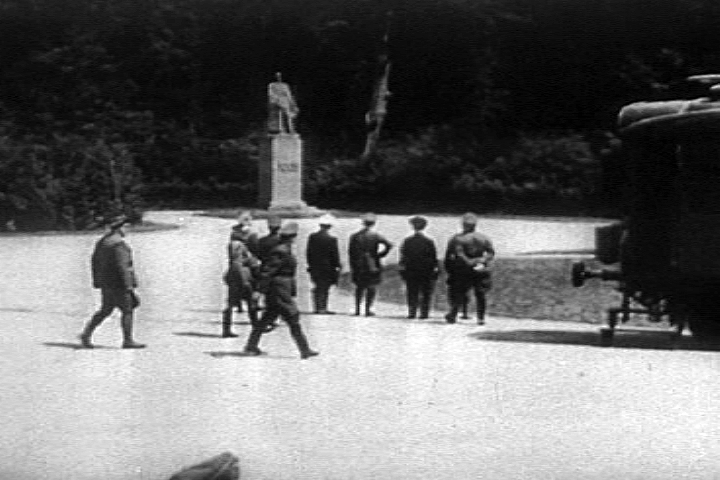
During World War II, the Second Armistice at Compiègne was signed, resulting in the occupation of northern France by German forces. This agreement led to the establishment of the Vichy Government, a collaborationist regime with Nazi Germany. Following the rapid defeat of France, the armistice divided the country with the north under direct German control and the south governed by the Vichy regime led by Marshal Philippe Pétain.
The armistice had a profound impact on France as it marked the beginning of a dark period in its history. The occupation of northern France brought about strict German military rule, economic exploitation, and widespread oppression of the French population. The Vichy Government, while initially seen as a way to maintain some semblance of independence, ultimately became a tool of the Nazis, implementing anti-Semitic laws and collaborating in the deportation of Jews to concentration camps.
The signing of the Second Armistice at Compiègne symbolized the defeat and humiliation of France, as well as the beginning of a period of resistance and collaboration. The scars of this event would linger long after the war, shaping the country's post-war politics and society. #WWII #Occupation #VichyGovernment

Explore the Life Moments of
 AI Twin