
France

The Land of Romance
Related Lives

Drama Movies
The Heart of Cinema

Panama
The Crossroads of the Americas

New Zealand
The Journey Through New Zealand

Belarus
Land of Lakes and Forests


Bhutan
Land of the Thunder Dragon

Switzerland
The Land of Precision and Timekeeping

Honduras
Heart of Central America

1793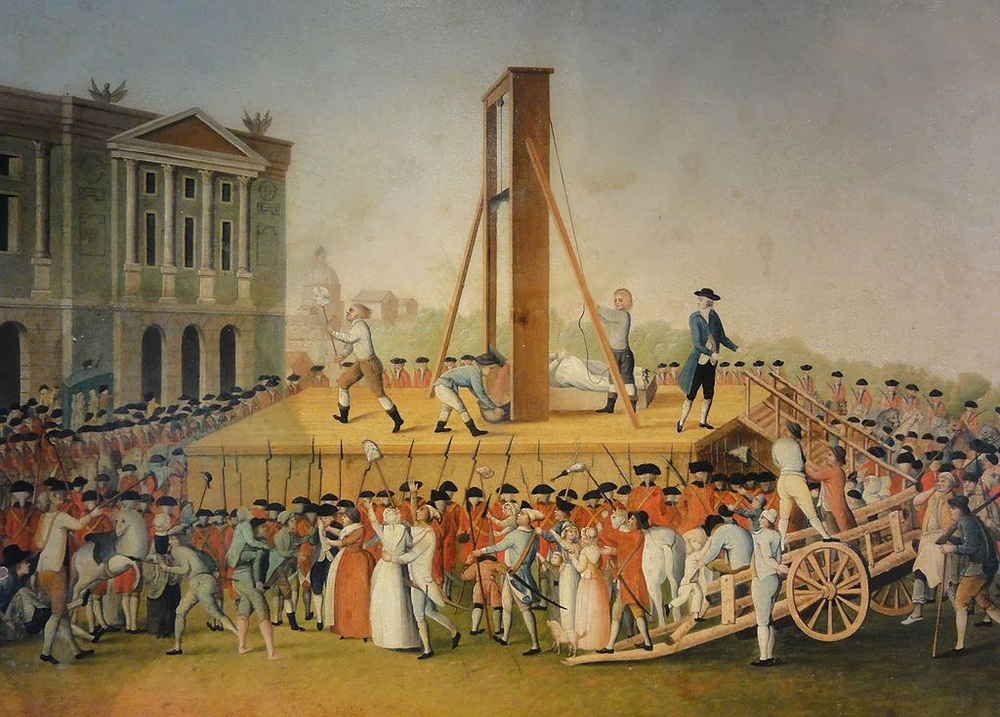
Marie Antoinette, the former Queen of France, faced the guillotine as the French Revolution reached its peak. Accused of lavish spending and being out of touch with the struggles of the lower classes, she became a symbol of the monarchy's excesses. Her execution marked the culmination of years of political and social unrest in France.
Marie Antoinette's downfall was fueled by propaganda that portrayed her as an extravagant and callous ruler. Despite efforts to improve her image, the public's resentment towards her remained strong. Her fate was sealed when the revolutionaries turned against the royal family, leading to her arrest and subsequent trial.
The execution of Marie Antoinette sent shockwaves throughout Europe, prompting fear and outrage among the nobility. It further solidified the end of the French monarchy and the rise of revolutionary ideals. The event served as a stark reminder of the power of public opinion and the consequences of ruling without the support of the people.
#MarieAntoinette #FrenchRevolution #Guillotine #MonarchyFall #RevolutionaryIdeals
View detailsRobespierre, a prominent figure in the French Revolution, instigated the Reign of Terror. This period was marked by severe repression against perceived enemies of the revolution. The Committee of Public Safety, under Robespierre's leadership, implemented radical measures to protect the revolution from internal and external threats. Thousands of people, including nobles, clergy, and ordinary citizens, were executed by guillotine during this time.
The Reign of Terror had a profound impact on French society, instilling fear and suspicion among the population. The revolutionary government expanded its control through a network of informers and revolutionary tribunals, silencing dissent and opposition. The aim was to create a unified and loyal citizenry committed to the revolutionary ideals of liberty, equality, and fraternity.
However, the Reign of Terror eventually led to backlash and internal power struggles within the revolutionary government. Robespierre's growing authoritarianism and ruthless tactics alienated many key figures, leading to his eventual downfall. He was arrested and executed, bringing an end to the Reign of Terror. Despite its brutal methods, this period left a lasting legacy on the French Revolution and subsequent political developments.
#Robespierre #ReignofTerror #FrenchRevolution
View details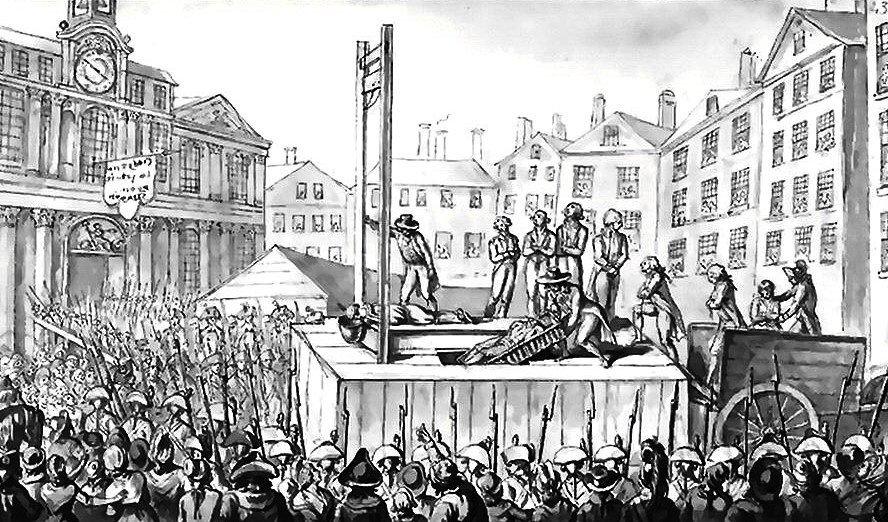
King Louis XVI of France faced immense opposition due to economic difficulties, political unrest, and the growing call for reform. The French Revolution had already stripped him of much of his power, and he found himself at the mercy of revolutionaries who saw him as a symbol of the oppressive monarchy. After being tried and convicted of treason by the National Convention, Louis XVI was sentenced to death by guillotine.
The execution of King Louis XVI was a pivotal moment in French history, marking the definitive end of the monarchy and the rise of the Republic. The event sent shockwaves throughout Europe, with many monarchs fearing similar fates. It symbolized the power of the people over royalty and the beginning of a new era of democracy in France.
The execution of Louis XVI sparked both celebration and condemnation, with supporters of the revolution viewing it as a necessary step towards progress, while others saw it as a brutal and unnecessary act of violence. The guillotine became a symbol of the Revolution's radicalism and willingness to break from tradition.
#FrenchRevolution #MonarchyEnds #Guillotine #HistoricEvent #DemocracyRises
View details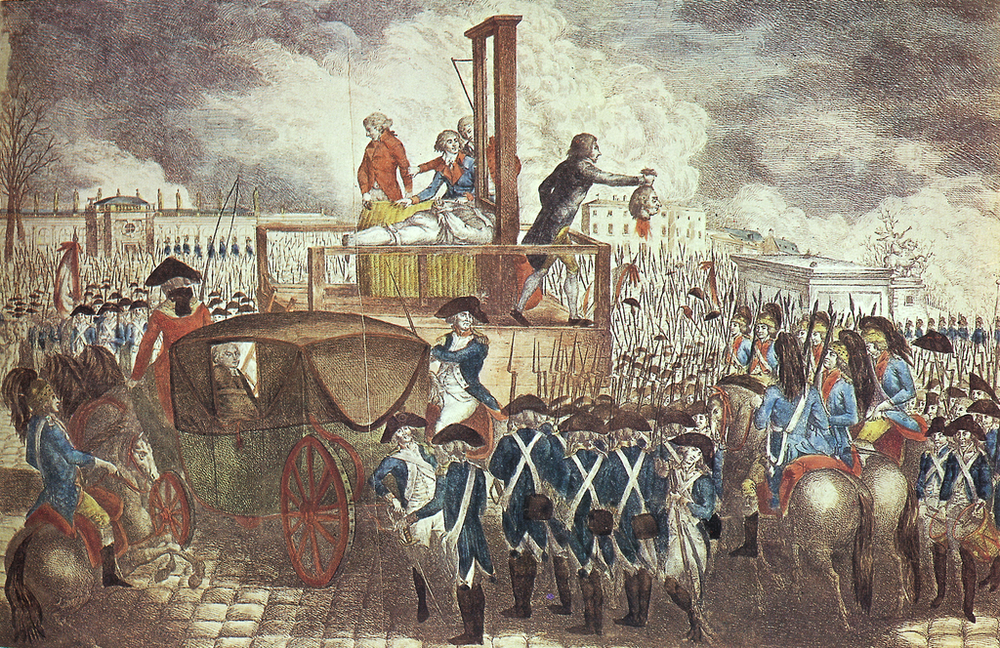
1789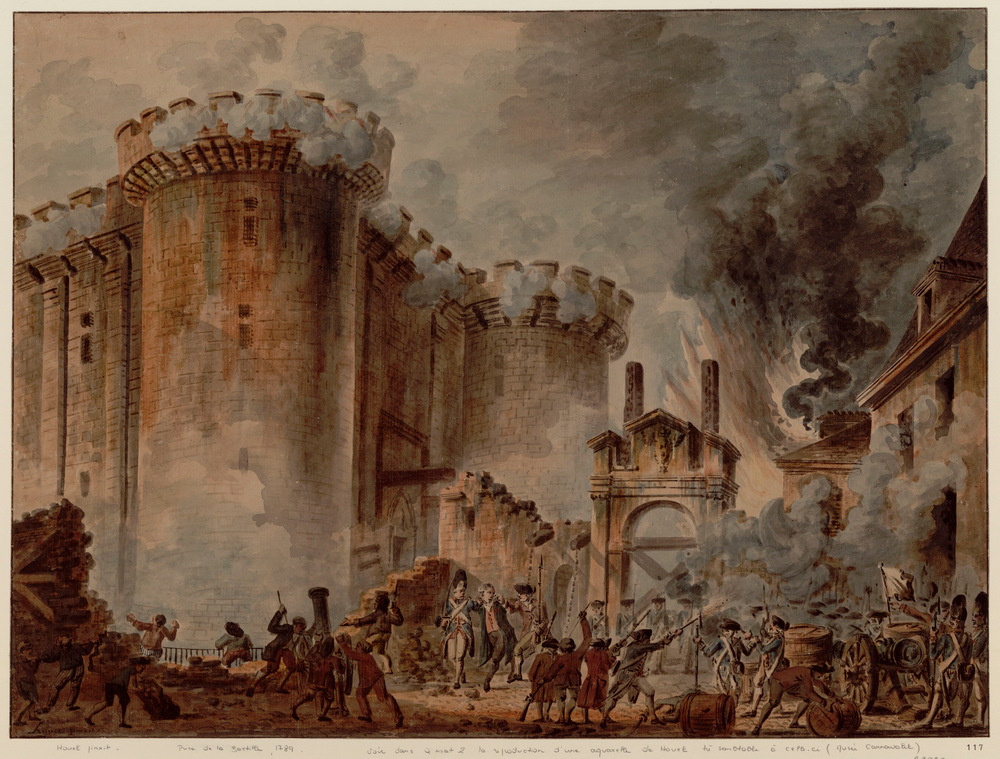
In response to economic hardship and political discontent, the people of France stormed the Bastille prison, a symbol of the monarchy's tyranny. Prior to the event, the prison was seen as a representation of the oppressive regime, holding political prisoners without fair trial. The storming of the Bastille marked a turning point in the French Revolution, symbolizing the fight against absolute monarchy and sparking widespread rebellion against the established order.
The impact of the event was profound, as it instilled a sense of empowerment and unity among the French people. The fall of the Bastille was a definitive moment in the revolution, leading to the dismantling of the old regime and the beginning of significant political changes in France. This event also fueled the momentum of the revolution, inspiring further uprisings and ultimately leading to the end of the monarchy.
The storming of the Bastille remains a pivotal moment in history, symbolizing the struggle for liberty, equality, and fraternity. It serves as a reminder of the power of collective action and the resilience of the human spirit in the face of oppression. #FrenchRevolution #BastilleDay #MonarchyTyranny
View detailsIn the lead-up to the event, France was grappling with deep-rooted social and economic disparities, exacerbated by financial crisis and oppressive feudal structures. The Estates-General was convened for the first time in over a century, giving a platform for grievances to be aired.
The event was sparked by the Third Estate breaking away from the Estates-General, forming the National Assembly and pledging not to disband until a new constitution was established. The storming of the Bastille, a symbol of royal authority, marked a turning point as the people's defiance gained momentum.
The impact of the event was profound, leading to the abolishment of feudal privileges and the Declaration of the Rights of Man and of the Citizen. Monarchical powers were gradually stripped away, paving the way for a more democratic system of government.
The Start of the French Revolution reshaped the political landscape of France and inspired movements for liberty and equality across the globe.
#France #FrenchRevolution #SocialChange #PoliticalTransformation
View details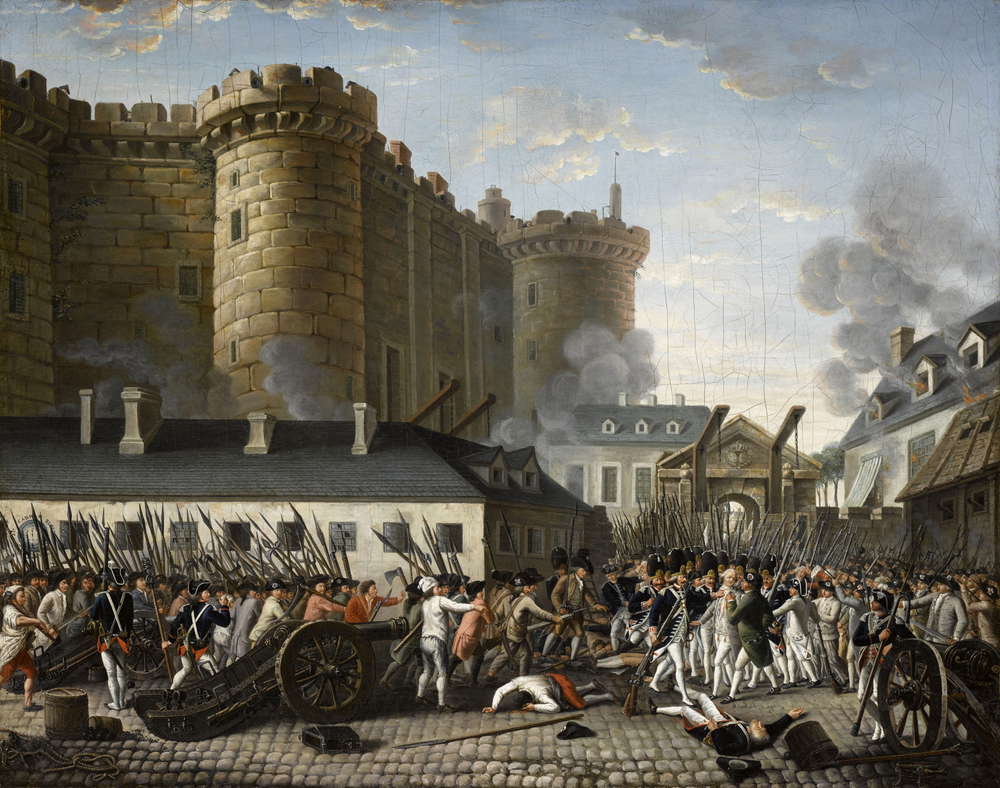
1775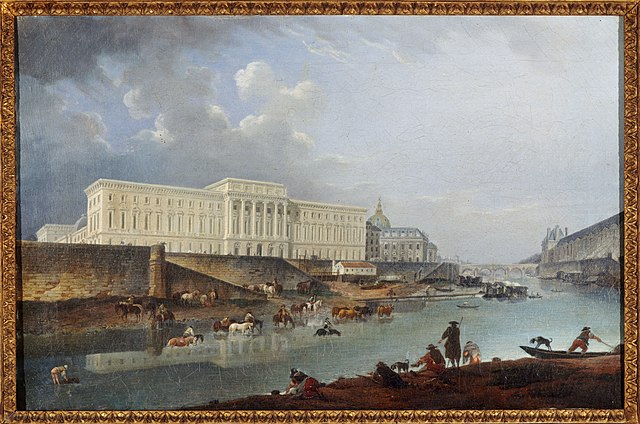
The Hôtel de la Monnaie in Paris, also known as the Mint, completed its construction, providing a new home for the institution responsible for producing coins in France. The building's design by architect Jacques-Denis Antoine showcased Neoclassical architecture, reflecting the artistic trends of the time. Located along the Seine River, the Hôtel de la Monnaie stood as a symbol of French craftsmanship and economic stability.
The completion of the construction marked a significant moment in French history, as it solidified the Mint's presence in the heart of Paris. With state-of-the-art equipment and skilled craftsmen, the Mint played a crucial role in producing currency for the nation, contributing to economic growth and stability. The architectural beauty of the building also attracted visitors, showcasing the grandeur of French design and construction.
Today, the Hôtel de la Monnaie continues to operate as a Mint, preserving its historical significance while adapting to modern coin production techniques. The building stands as a testament to France's rich numismatic history and architectural heritage, drawing in tourists and history enthusiasts alike.
#HôtelDeLaMonnaie #Paris #NeoclassicalArchitecture #FrenchHistory #Numismatics #EconomicStability
View details1715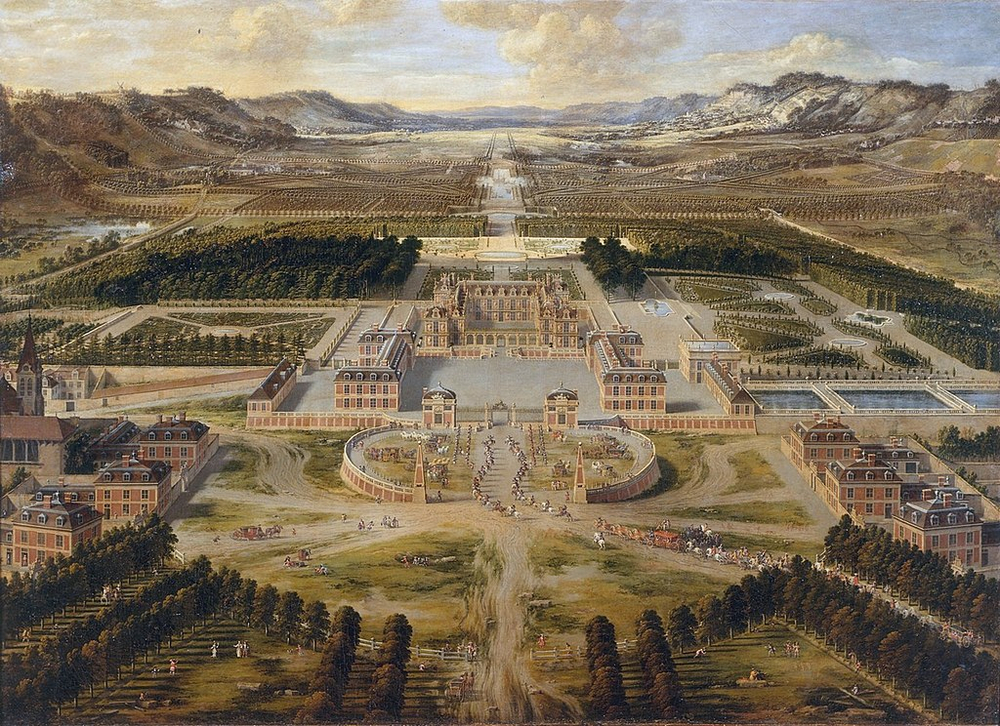
The construction of the Palace of Versailles started in the mid-17th century under the reign of King Louis XIV of France. The project aimed to showcase the power and wealth of the French monarchy. It was designed to be a symbol of absolute monarchy and to centralize political control.
The completion of the Palace of Versailles marked the pinnacle of French Baroque architecture and became a center of political power in France. It served as the royal residence, where the king conducted affairs of state and entertained nobles, foreign dignitaries, and the court.
The palace's vast gardens and grandiose architecture highlighted the French monarchy's dominance in Europe and set the standards for royal residences across the continent. Its Hall of Mirrors, in particular, became iconic for its ornate decoration and historical significance.
The construction of the Palace of Versailles deeply impacted French society, solidifying the monarchy's authority and influencing art, culture, and politics. It remains a UNESCO World Heritage site, attracting millions of visitors annually and serving as a reminder of France's rich history.
#PalaceofVersailles #FrenchMonarchy #BaroqueArchitecture #RoyalResidence #UNESCOHeritage
View details1635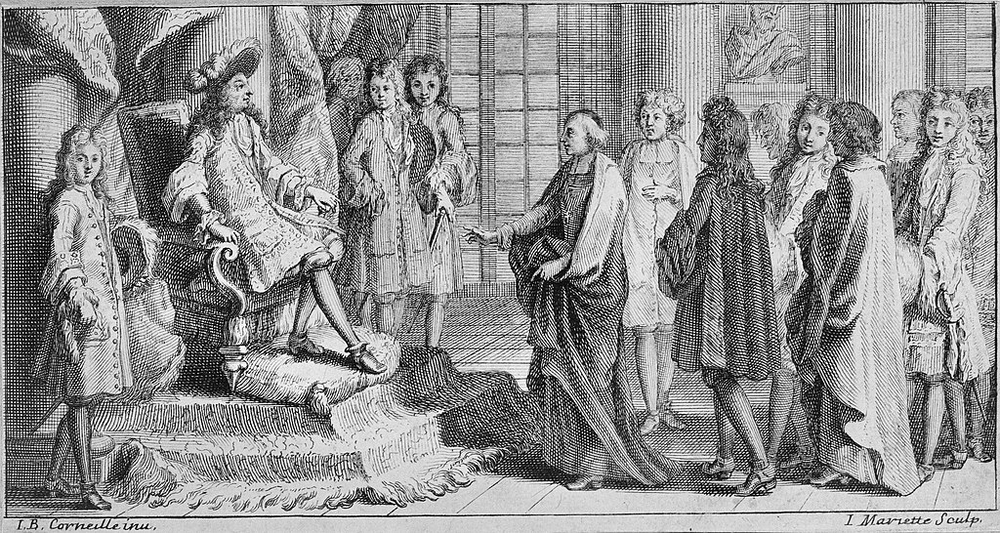
In 1181, the construction of the Monolithic Churches of Lalibela began in Ethiopia, a monumental undertaking that resulted in one of the most remarkable religious and architectural sites in the world. These rock-hewn churches, carved directly into the mountains of Lalibela, were created during the reign of King Lalibela of the Zagwe dynasty and are a testament to the devotion, artistry, and engineering prowess of the time. Today, they are a UNESCO World Heritage Site and hold immense significance in Ethiopian Orthodox Christianity.
Historical Context
King Lalibela, who ruled Ethiopia during the late 12th and early 13th centuries, is credited with the creation of these extraordinary churches. According to Ethiopian tradition, Lalibela was inspired to build a "New Jerusalem" in response to the Muslim conquest of Jerusalem in 1187, which made pilgrimage to the Holy Land increasingly difficult for Christians. This vision led to the establishment of Lalibela as a pilgrimage site within Ethiopia itself.
Architectural Marvels
The Monolithic Churches of Lalibela are renowned for their unique construction method. Unlike traditional buildings, these structures were not built from the ground up; instead, they were carved from solid volcanic rock. This technique involved excavating the rock to create free-standing structures surrounded by deep trenches and courtyards. The churches are interconnected by a series of tunnels and walkways, forming a labyrinthine complex.
There are eleven churches in Lalibela, divided into two main groups, with a smaller group of four churches situated between them:
Northern Group:
Biete Medhane Alem (House of the Saviour of the World): Believed to be the largest monolithic church in the world.
Biete Maryam (House of Mary): Known for its beautiful interior frescoes.
Biete Golgotha Mikael (House of Golgotha Mikael): Contains the tomb of King Lalibela.
Biete Meskel (House of the Cross).
Biete Denagel (House of Virgins).
Western Group:
Biete Giyorgis (House of St. George): Perhaps the most famous of all the churches, recognizable by its cruciform shape.
Eastern Group:
Biete Amanuel (House of Emmanuel).
Biete Qeddus Mercoreus (House of Saint Mercurius).
Biete Abba Libanos (House of Abbot Libanos).
Biete Gabriel-Rufael (House of Gabriel and Raphael).
Biete Lehem (House of Holy Bread).
Each church has its own distinctive architectural style and religious significance. The interiors are adorned with intricate carvings, frescoes, and religious symbols, demonstrating a blend of Aksumite traditions and influences from various Christian cultures.
Religious and Cultural Significance
The churches of Lalibela are not only architectural masterpieces but also hold profound religious importance. They remain active places of worship and are central to the spiritual life of Ethiopian Orthodox Christians. The site attracts thousands of pilgrims annually, particularly during major religious festivals such as Genna (Ethiopian Christmas) and Timkat (Epiphany), when the faithful come to participate in elaborate ceremonies and processions.
UNESCO World Heritage Site
In 1978, the Monolithic Churches of Lalibela were designated a UNESCO World Heritage Site, recognizing their outstanding universal value and the need to preserve this unique cultural heritage. The designation highlights the churches' significance as a symbol of Ethiopian identity and Christian heritage, as well as their architectural and historical importance.
Conclusion
The construction of the Monolithic Churches of Lalibela in 1181 marked a significant chapter in Ethiopia's religious and architectural history. These remarkable structures, carved from solid rock, continue to inspire awe and devotion, serving as a living testament to the ingenuity and spiritual fervor of the Ethiopian people. As a UNESCO World Heritage Site, the churches of Lalibela stand as a symbol of Ethiopia's rich cultural legacy and enduring faith.
Hashtags
#MomentsOfLife #MoofLife_Moment #MoofLife #Lalibela #EthiopianHistory #MonolithicChurches #UNESCO #WorldHeritage #EthiopianOrthodox #ReligiousSites #HistoricalArchitecture
1635 France Establishment of the Académie Française by Cardinal Richelieu to regulate the French language and literature
In 1635, Cardinal Richelieu, the chief minister to King Louis XIII of France, founded the Académie Française. This esteemed institution was established to regulate the French language and literature, playing a crucial role in shaping French cultural and intellectual life. The Académie Française remains one of the most prestigious and influential cultural institutions in the world.
Historical Context
The early 17th century was a period of significant political and cultural consolidation in France. Cardinal Richelieu, as the king’s chief minister, sought to strengthen the monarchy and centralize power. He recognized the importance of culture and language in achieving these goals and believed that a unified and refined French language would enhance national cohesion and prestige.
At this time, French society was experiencing a flourishing of arts and letters, influenced by the Renaissance and the early Baroque periods. However, there was also a lack of standardization in the French language, with considerable regional variations and inconsistencies in grammar, spelling, and usage.
Founding of the Académie Française
Cardinal Richelieu founded the Académie Française on February 22, 1635. The institution's primary mission was to standardize and preserve the French language, ensuring its purity and elegance. The Académie was tasked with producing a comprehensive dictionary of the French language, setting grammatical rules, and providing guidance on literary style.
The original members of the Académie were a group of literary figures and scholars, known as "les Quarante" (the Forty), reflecting the fixed number of seats in the institution. These "immortals," as the members are called, were selected for their literary and intellectual achievements and were responsible for the Académie's ongoing work.
Mission and Activities
The Académie Française's foundational task was the compilation of a dictionary. The first edition of the Dictionnaire de l'Académie Française was published in 1694, nearly six decades after the Académie's founding. This dictionary established standardized spellings, definitions, and usages for French words, significantly influencing the development of the French language.
Beyond lexicography, the Académie also focused on literature, issuing guidelines and judgments on literary works. It became a central arbiter of literary taste and standards, promoting clarity, precision, and propriety in writing. The Académie also recognized and rewarded literary excellence through various prizes and honors.
Influence and Legacy
The establishment of the Académie Française had a profound impact on French language and culture. It contributed to the standardization and enrichment of the French language, fostering a sense of national identity and unity. The Académie's work helped elevate French literature, establishing it as a dominant cultural force in Europe.
The influence of the Académie extended beyond France. Its emphasis on linguistic purity and clarity inspired similar institutions in other countries, such as the Accademia della Crusca in Italy and the Royal Spanish Academy. The Académie's model of a state-supported cultural institution dedicated to language and literature set a precedent for national academies around the world.
Modern Role
Today, the Académie Française continues to play a vital role in French cultural life. It remains dedicated to preserving the French language, regularly updating its dictionary and providing recommendations on language use. The Académie also promotes French literature and culture through its various prizes and publications.
Despite its venerable history, the Académie has faced criticism and challenges in modern times, particularly regarding its perceived conservatism and resistance to linguistic change. Nevertheless, it remains a respected and influential institution, symbolizing the enduring importance of language and literature in French society.
#MomentsOfLife #MoofLife_Moment #MoofLife #AcadémieFrançaise #FrenchHistory #Language #Literature #CardinalRichelieu #CulturalHeritage #Linguistics #1635 #FrenchCulture
View details1627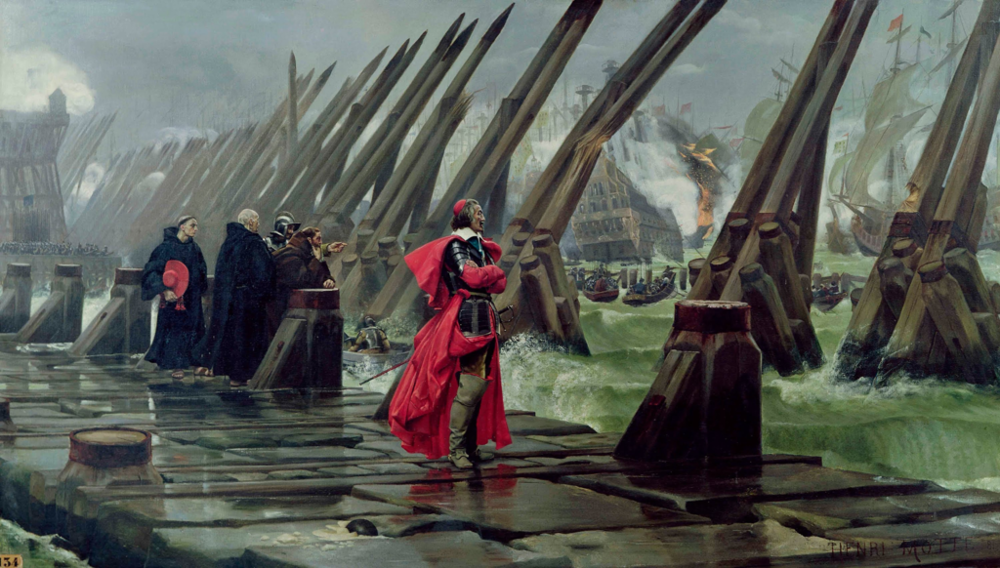
During the Huguenot rebellions against the French crown, the Siege of La Rochelle commenced as a pivotal event. La Rochelle was a Protestant stronghold that defied the authority of the Catholic monarchy. The conflict escalated due to religious tensions and power struggles.
The city's strategic location and powerful fortifications made it a significant target for the royal forces. Led by Cardinal Richelieu, the French army imposed a blockade on the city, cutting off its crucial supply lines. The siege lasted for over a year, resulting in a prolonged struggle for control.
The defiant resistance of the Huguenots in La Rochelle had far-reaching consequences. The conflict highlighted the deep divisions within French society and the challenges faced by the monarchy in centralizing power. The siege also demonstrated the brutal realities of warfare in the early modern period.
Ultimately, the Siege of La Rochelle ended in the defeat of the Huguenots, marking a decisive victory for the French crown. The event reshaped the political and religious landscape of France, solidifying the authority of the Catholic monarchy.
#HuguenotRebellions #SiegeofLaRochelle #ReligiousConflict #FrenchHistory #CardinalRichelieu
View details1618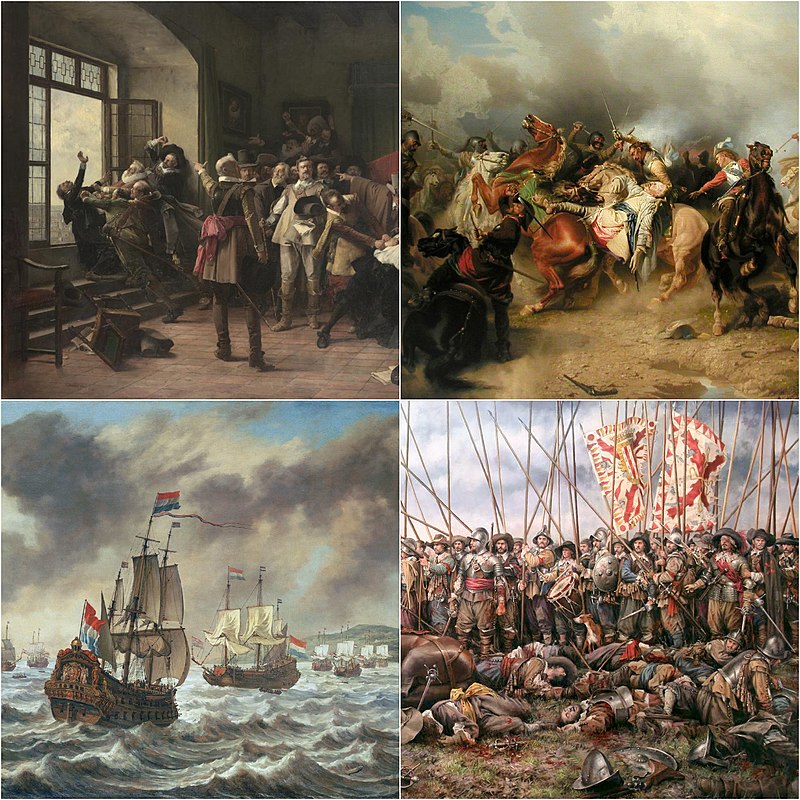
The Thirty Years' War erupted due to deep-rooted religious tensions and power struggles in Europe. France's involvement was primarily driven by its desire to limit the influence of the Habsburg dynasty, particularly the Spanish branch, and to strengthen its own position in the region.
The war had profound impacts on the political and social landscape of Europe. It led to widespread devastation, loss of life, and economic turmoil across the continent. France's intervention significantly altered the balance of power, establishing it as a major player in European politics.
The Treaty of Westphalia marked the conclusion of the war and is considered a pivotal moment in European history. It recognized the independence of various states and established the principle of state sovereignty, laying the foundation for modern international relations.
The events surrounding the Thirty Years' War, France's strategic maneuvers, and the eventual signing of the Treaty of Westphalia demonstrate the complexities of power dynamics and diplomatic negotiations in a volatile political environment.
#ThirtyYearsWar #France #TreatyofWestphalia #EuropeanHistory #PowerStruggles
View details1598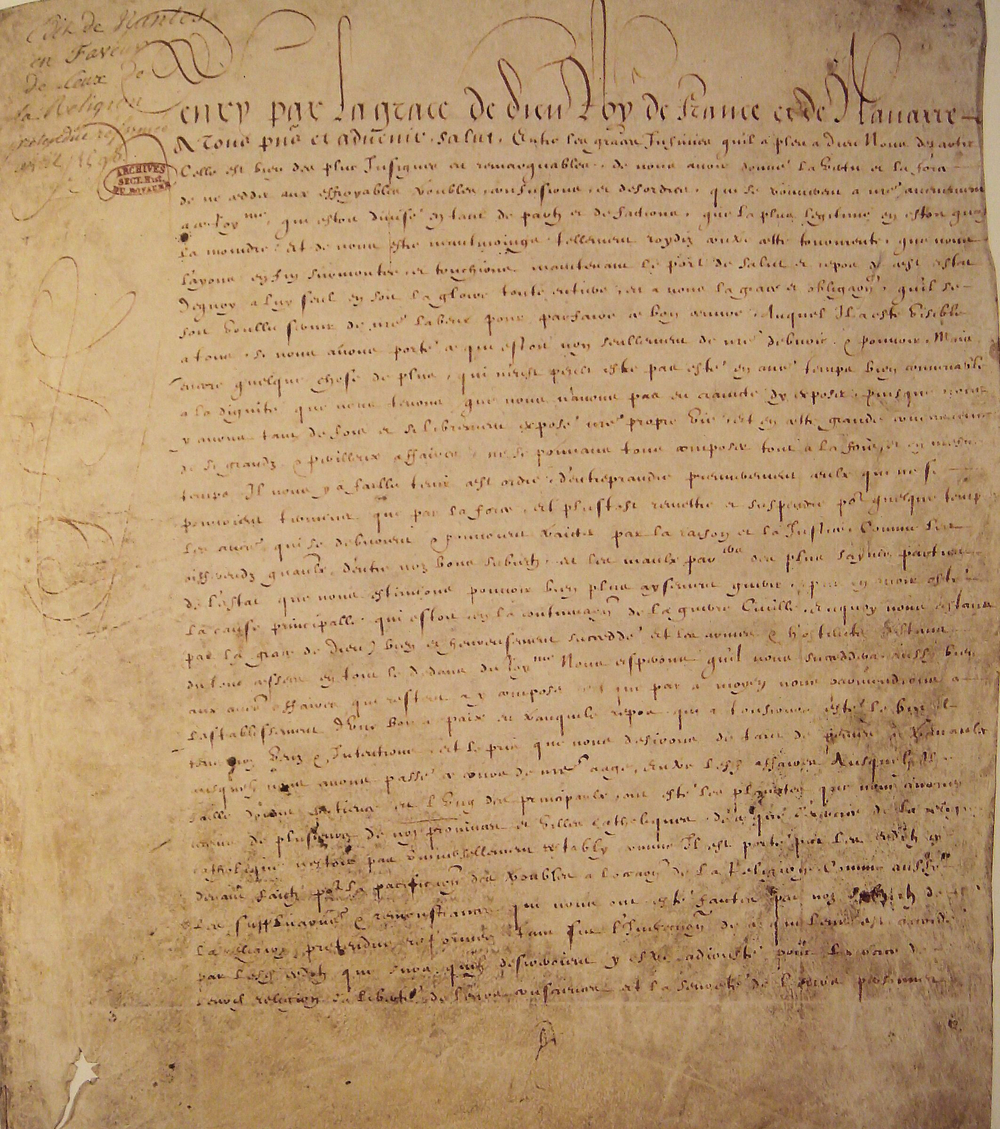
In 1598, the Edict of Nantes was issued by King Henry IV of France to grant Huguenots significant rights, bringing an end to the violent Wars of Religion that had plagued the nation for decades. The edict allowed for religious toleration, giving Huguenots the freedom to worship and hold public office. It also permitted them to fortify their cities for self-defense.
This landmark decree aimed to restore peace and stability in France by recognizing the rights of Protestant minorities, who had long suffered persecution. The Edict of Nantes marked a turning point in French history, acknowledging religious diversity and promoting unity within the nation.
The impact of the edict was profound, as it helped to pacify the religious tensions that had divided the country. It enabled the Huguenots to live without fear of persecution and contributed to a period of relative calm and prosperity in France.
Overall, the Edict of Nantes was a crucial development in the history of religious freedom and tolerance. It represented a significant step towards reconciliation and coexistence in France, setting a precedent for the protection of minority rights.
#EdictOfNantes #ReligiousTolerance #UnityInDiversity #Huguenots #PeaceInFrance
View details1576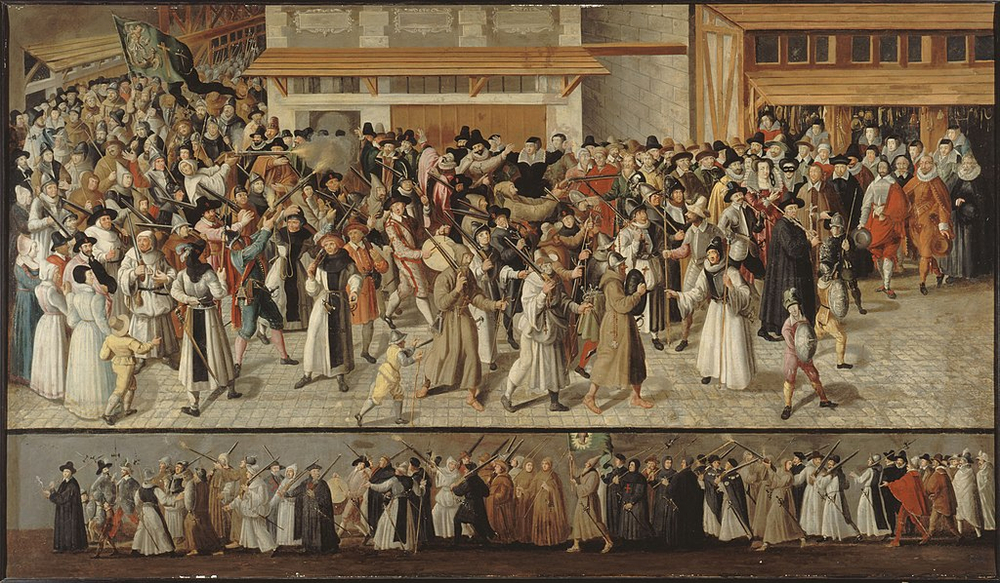
Amidst the turmoil of the French Wars of Religion, the Catholic League emerged in France in 1576. Comprised of staunch Catholics, the league was established to defend the Catholic Church and the monarchy against the Protestant Huguenots. Led by influential figures such as Henry I, Duke of Guise, the Catholic League quickly gained support across the country.
The formation of the Catholic League had a profound impact on the ongoing religious conflict in France. It heightened tensions between Catholics and Protestants, leading to increased violence and bloodshed. The league's strong opposition to the Protestant presence in France exacerbated the religious divisions within the country.
The Catholic League played a significant role in the French Wars of Religion, aligning itself with the ultra-Catholic faction and fighting against the Protestant forces. The league's military campaigns and influence on political decisions shaped the course of the conflict.
Ultimately, the formation of the Catholic League in France in 1576 intensified the religious strife that gripped the nation for decades. It demonstrated the deep-seated divisions and power struggles between Catholics and Protestants during this turbulent period in French history.
#CatholicLeague #FrenchWarsOfReligion #ReligiousConflict #France #HistoricalEvent
View details1572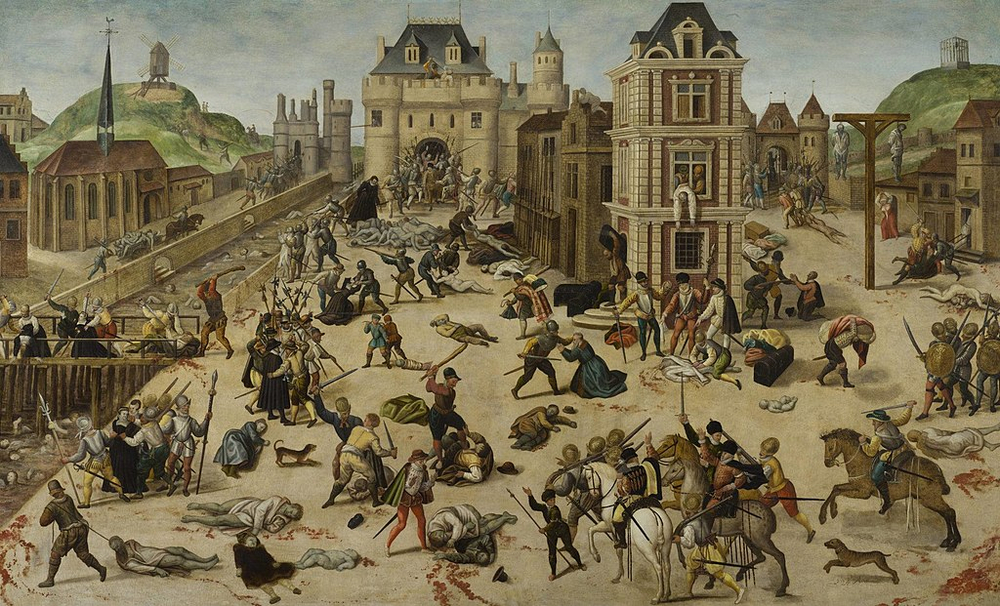
The St. Bartholomew's Day Massacre unfolded in Paris, targeting Huguenots, leading to thousands of deaths in a wave of Catholic mob violence and targeted assassinations. The conflict stemmed from religious tensions between Catholics and Huguenots in France during the Wars of Religion. The spark for the massacre was the marriage between a prominent Huguenot leader, Henry of Navarre, and a Catholic princess, which led to a fragile truce shattered by political maneuvers. The violence quickly spread from Paris to other cities.
The impact of the massacre was devastating, with estimates ranging from 5,000 to 25,000 deaths in Paris alone. The event polarized French society and ignited further religious conflict, marking a dark chapter in the country's history. The massacre also had repercussions beyond France, sparking outrage and fear among Protestant communities in Europe. The atrocity left a deep scar on the social and political fabric of France, leading to continued strife and divisions for years to come.
#ReligiousConflict #Huguenots #CatholicMobViolence
View details1559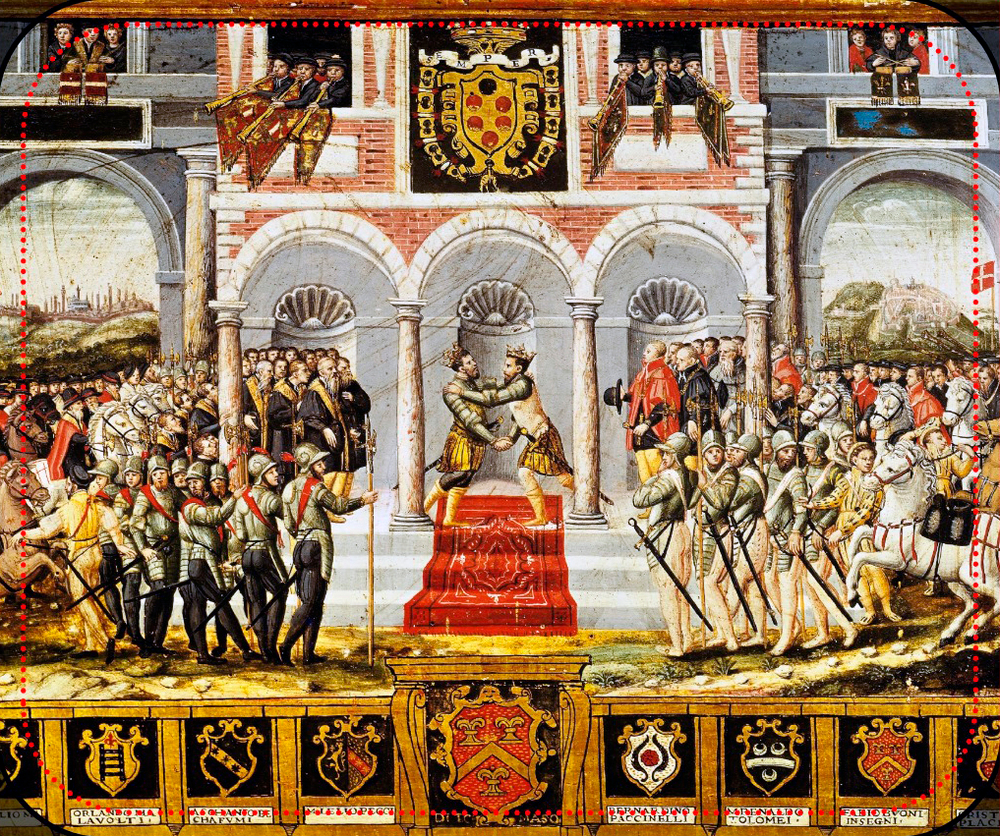
After years of conflict, the Peace of Cateau-Cambrésis was a pivotal agreement marking the end of the Italian Wars between France and Spain. With the intervention of England, the treaty was signed, leading to a significant shift in power dynamics within Europe. The treaty finalized boundaries and territorial claims, with Spain gaining control over the Duchy of Savoy and France regaining territories in Piedmont and Calais.
The Peace of Cateau-Cambrésis had a lasting impact on the relationship between France and Spain, serving as a turning point in their longstanding rivalry. The treaty brought a temporary halt to hostilities, allowing both nations to focus on internal affairs and consolidate their power. This peace paved the way for future diplomatic negotiations and alliances that would shape European politics for years to come.
In the aftermath of the treaty, France emerged as a dominant force in Western Europe, while Spain solidified its control over the Italian Peninsula. The Peace of Cateau-Cambrésis set the stage for a new era of diplomacy and power struggles, influencing the balance of power among European nations.
#PeaceofCateauCambresis #ItalianWars #FranceSpainRelations #EuropeanPolitics
View details1441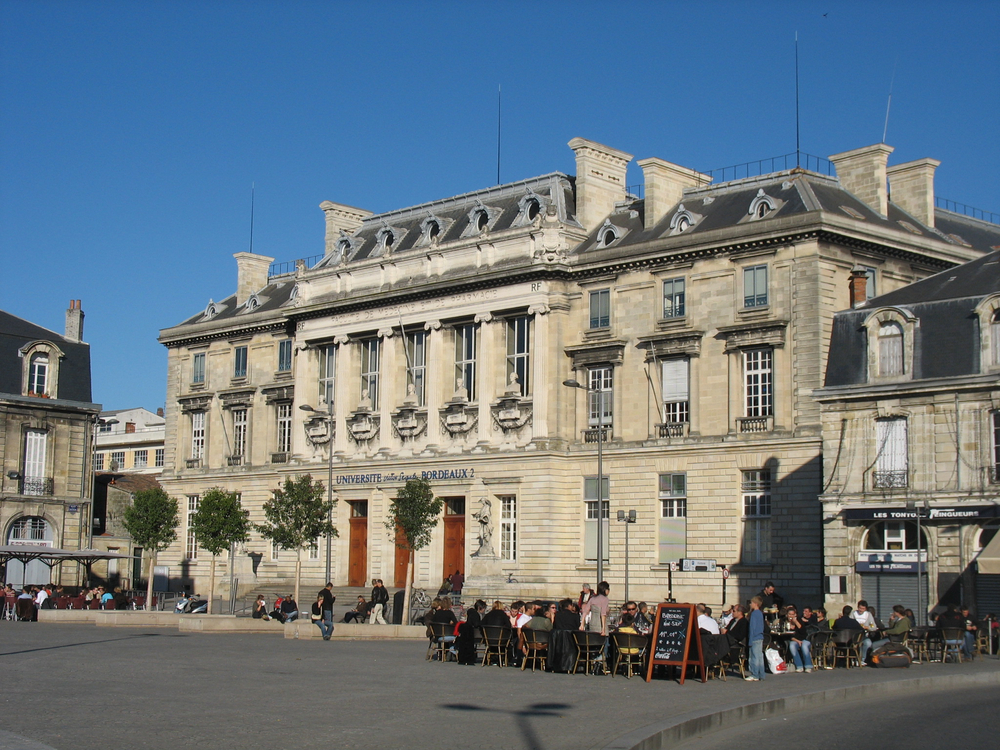
The University of Bordeaux was founded in France to enhance academic opportunities. Established as one of the first universities in Europe, it aimed to promote knowledge in various fields including arts, medicine, and law. The founding of the University of Bordeaux marked a crucial development in the educational landscape, attracting scholars and students from far and wide.
The establishment of the University of Bordeaux had a lasting impact on the region, fostering intellectual growth and cultural exchange. Through its academic programs and research initiatives, the university played a pivotal role in shaping the future of education in France and beyond. Over the years, it evolved into a renowned institution known for its contributions to academia and society.
Today, the University of Bordeaux continues to uphold its legacy of excellence, offering a wide range of programs and opportunities for students and scholars. Its rich history and commitment to academic innovation serve as a testament to the enduring significance of its founding.
#UniversityofBordeaux #FranceEducation #HistoricInstitution
View details1431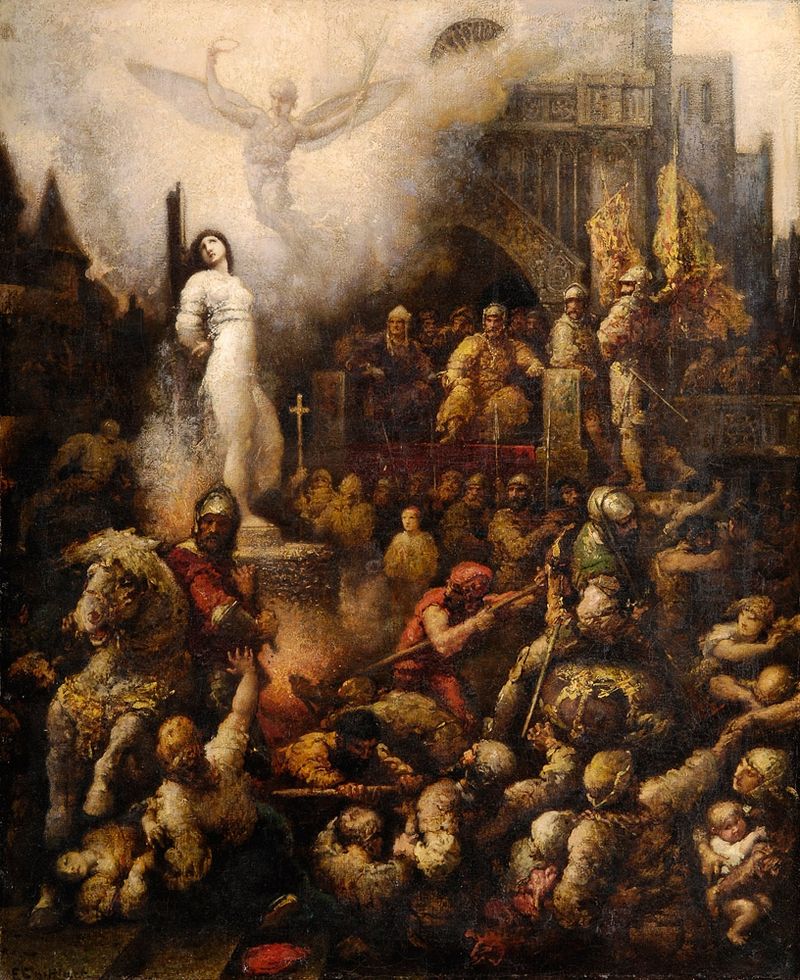
In Rouen, the execution of Joan of Arc unfolded with solemnity and brutality. Accused of heresy and cross-dressing, Joan faced a trial orchestrated by pro-English clergy. Despite her assertions of divine guidance in leading the French army against the English during the Hundred Years' War, she was condemned to death by burning at the stake.
Joan's execution left a lasting impact on French history and the collective memory of the nation. Her unwavering faith and courage in the face of adversities turned her into a symbol of resistance and patriotism. The unjust trial and execution of Joan of Arc later led to her posthumous retrial and exoneration.
The event unfolded in the midst of political turmoil, as France and England vied for power and control. Despite her tragic end, Joan's legacy continued to inspire generations, leading to her canonization as a saint in the Roman Catholic Church.
#JoanofArc #Rouen #Execution #FrenchHistory #HundredYearsWar #Martyrdom
View details1407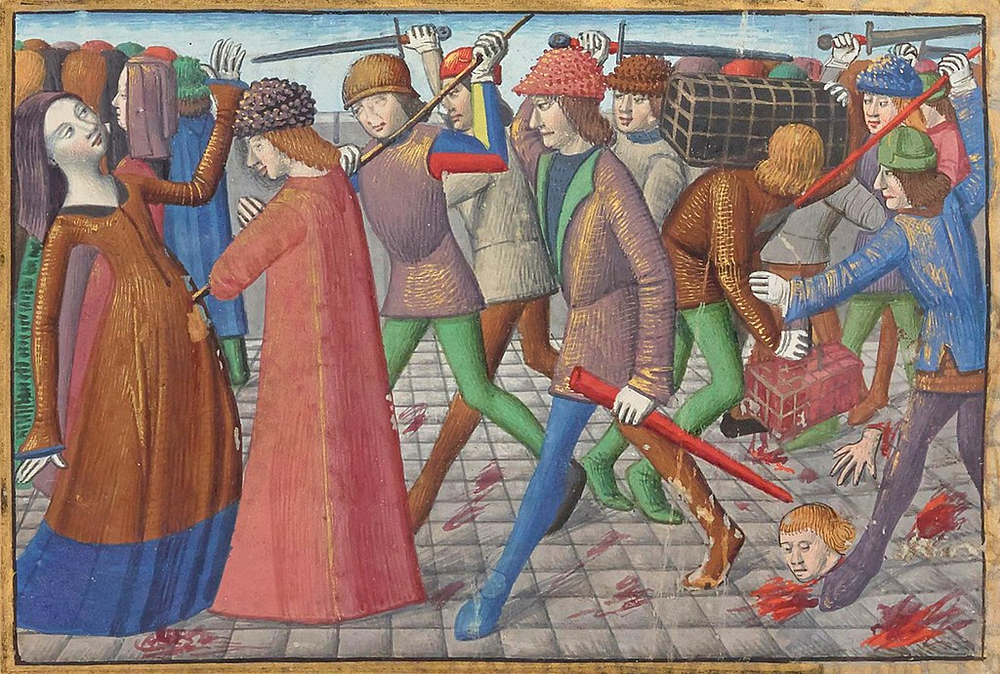
During the reign of King Charles VI of France, he experienced bouts of insanity, leading to political turmoil and the need for regency. Known as the Armagnac-Burgundian Civil War, this period saw competing factions vying for power, with the Armagnacs supporting the royal family and the Burgundians backing the Duke of Burgundy. This struggle for control escalated as both sides sought to assert dominance over the governance of France. The instability of the regency compounded the already fragile political climate, affecting the administration and decision-making of the kingdom.
The declaration of King Charles VI as insane marked a turning point in French politics, leading to a prolonged period of conflict and uncertainty. The Armagnac-Burgundian Civil War, fueled by rival ambitions and differing loyalties, resulted in widespread unrest and violence across the realm. The struggle for power and influence between the factions further weakened the monarchy and eroded central authority.
The aftermath of Charles VI's insanity declaration left a lasting impact on France, shaping the course of its history for years to come. The Armagnac-Burgundian Civil War underscored the fragility of the monarchy and highlighted the volatile nature of medieval politics. The legacy of this period resonated in subsequent power struggles and dynastic disputes within the French kingdom.
#France #Monarchy #PoliticalInstability #Regency #CivilWar
View details1360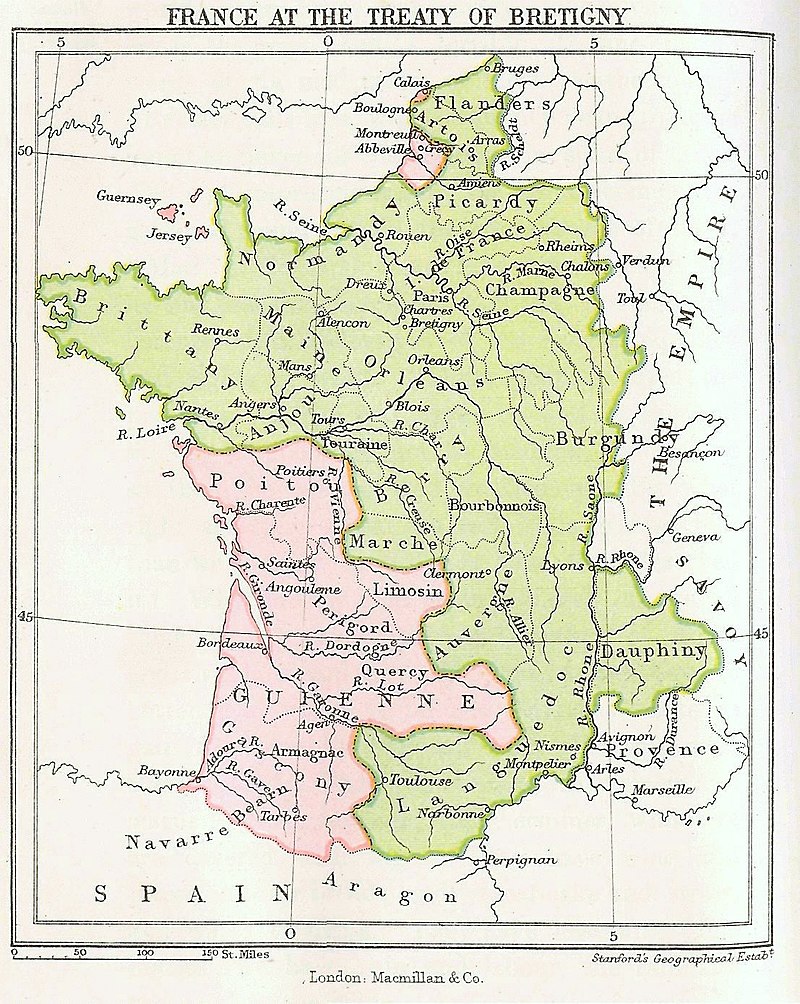
During the 14th century, the Hundred Years' War between England and France had taken its toll on both nations. The Treaty of Brétigny marked the end of the first phase of this protracted conflict. Negotiations took place at Brétigny-sur-Orge, resulting in this significant agreement. The treaty granted substantial territorial concessions to England, including Aquitaine, Calais, Ponthieu, and Gascony, among others.
This truce brought a temporary halt to the fighting, providing relief to the war-weary populations. The terms of the treaty were seen as favorable to England, granting them valuable lands in France. In return, King Edward III of England agreed to renounce his claim to the French crown. These concessions aimed to bring a semblance of peace after years of warfare.
The signing of the Treaty of Brétigny reshaped the political landscape between England and France at that time. The truce allowed both nations to regroup and reassess their strategies for the next phase of the conflict. The treaty's terms would have lasting effects on the subsequent stages of the Hundred Years' War, shaping the dynamics between the two powers for years to come.
#TreatyofBrétigny #HundredYearsWar #France-EnglandRelations
View details1356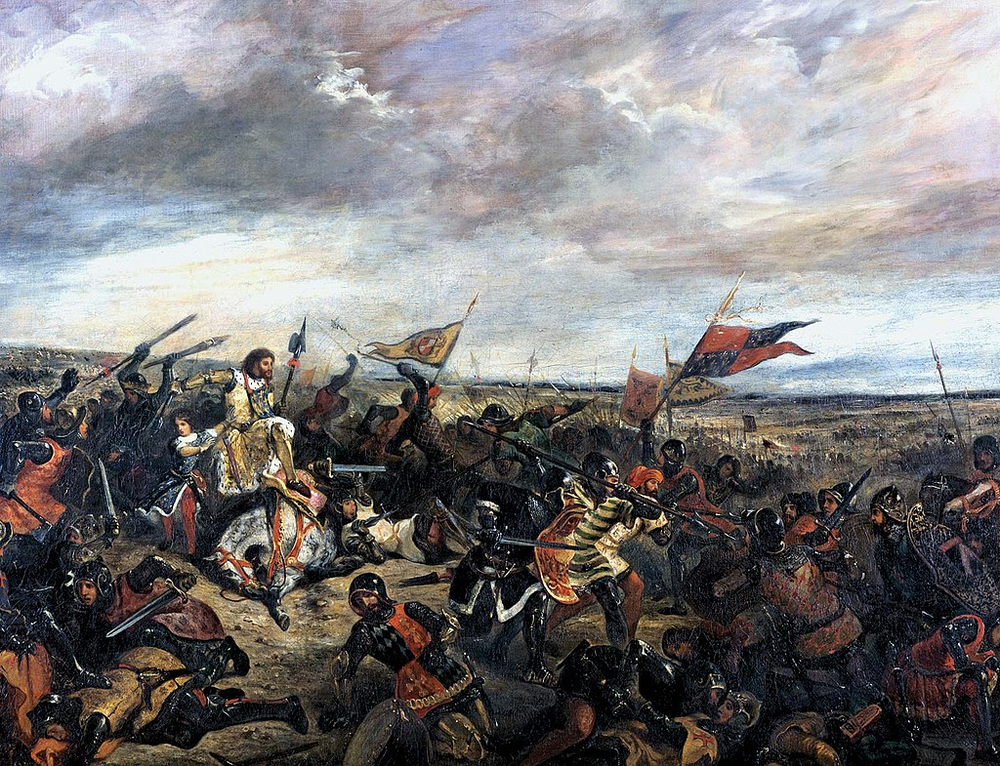
The Battle of Poitiers saw the French forces, led by King John II, facing off against the English under Edward, the Black Prince. Despite being outnumbered, the English exploited the terrain advantage and their longbowmen to secure a strategic victory. King John II was captured in the aftermath of the battle, marking a significant blow to the French monarchy.
The aftermath of the Battle of Poitiers was a severe setback for the French, with the capture of their king leading to political turmoil and economic strain. The English, on the other hand, gained prestige and bargaining power in the ongoing Hundred Years' War. The Treaty of Brétigny was eventually signed, securing territorial gains for the English and a hefty ransom for the release of King John II.
The Battle of Poitiers highlighted the effectiveness of the English longbowmen in medieval warfare and altered the power dynamics in Europe. It reinforced the reputation of Edward, the Black Prince, as a formidable military leader and set the stage for further conflicts between the two kingdoms.
#BattleofPoitiers #KingJohnII #HundredYearsWar #TreatyofBrétigny #EdwardtheBlackPrince
View details1307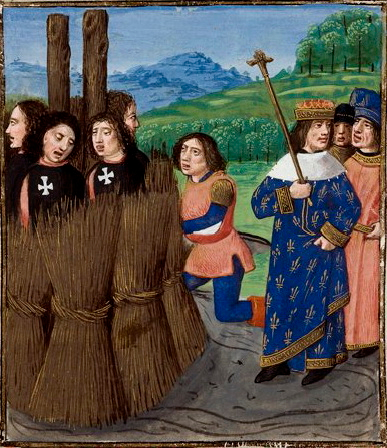
In the early 14th century, King Philip IV of France, deeply in debt to the Knights Templar, executed a strategic move to eliminate his financial obligations. On a fateful day in October, Philip ordered the mass arrest of the influential Templars across France. Accused of heresy, corruption, and other charges, hundreds of Templar members were detained, tortured, and coerced into false confessions.
The downfall of the Knights Templar was swift and brutal. Their assets were seized, and their leaders faced gruesome executions. The once revered military order, known for their wealth and power, was disbanded by the Pope shortly after the arrests. The demise of the Templars has since been surrounded by mystery and conspiracy theories, fueling legends of hidden treasures and secrets.
Philip IV's actions against the Knights Templar reshaped the power dynamics in France and signaled the end of an era for the warrior monks. Their abrupt fall from grace left a void in the medieval world and sparked centuries of speculation and fascination with the order's abrupt disappearance.
#France #KnightsTemplar #Downfall #KingPhilipIV #Arrest #ConspiracyTheories
View details1303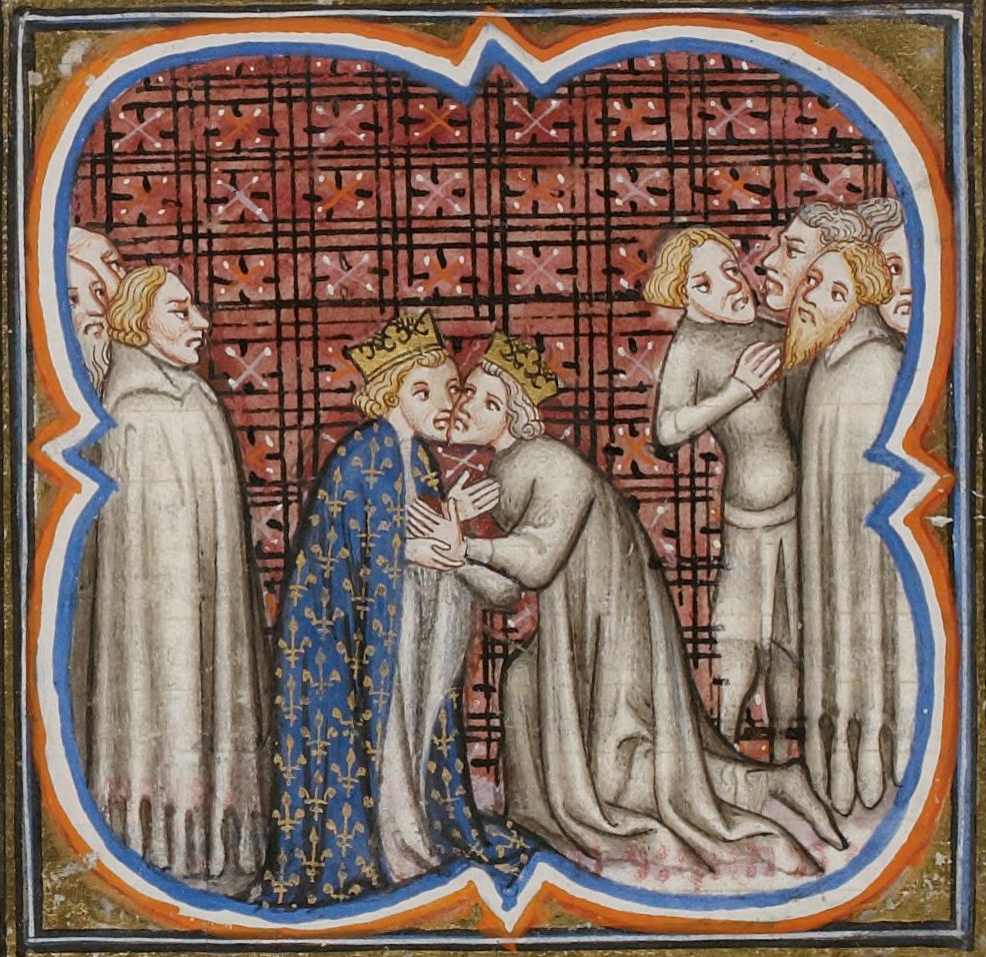
King Philip IV of France and King Edward I of England sought to bring an end to the long-standing conflict between their nations. After years of warfare, both monarchs agreed to negotiate peace terms. The Treaty of Paris was the culmination of these efforts, marking a turning point in their relations.
The treaty outlined several key provisions, including territorial adjustments and the payment of reparations by the English to the French crown. Additionally, both sides agreed to release prisoners of war and restore captured lands. The treaty aimed to bring stability to the region and ensure peaceful coexistence between the two powers.
The signing of the Treaty of Paris had a profound impact on the political landscape of medieval Europe. It not only brought an end to hostilities between France and England but also set a precedent for diplomatic conflict resolution. The treaty paved the way for future negotiations and laid the foundation for a more stable relationship between the two nations in the years to come.
#TreatyofParis #France #England #MedievalDiplomacy #PeaceAccords
View details1270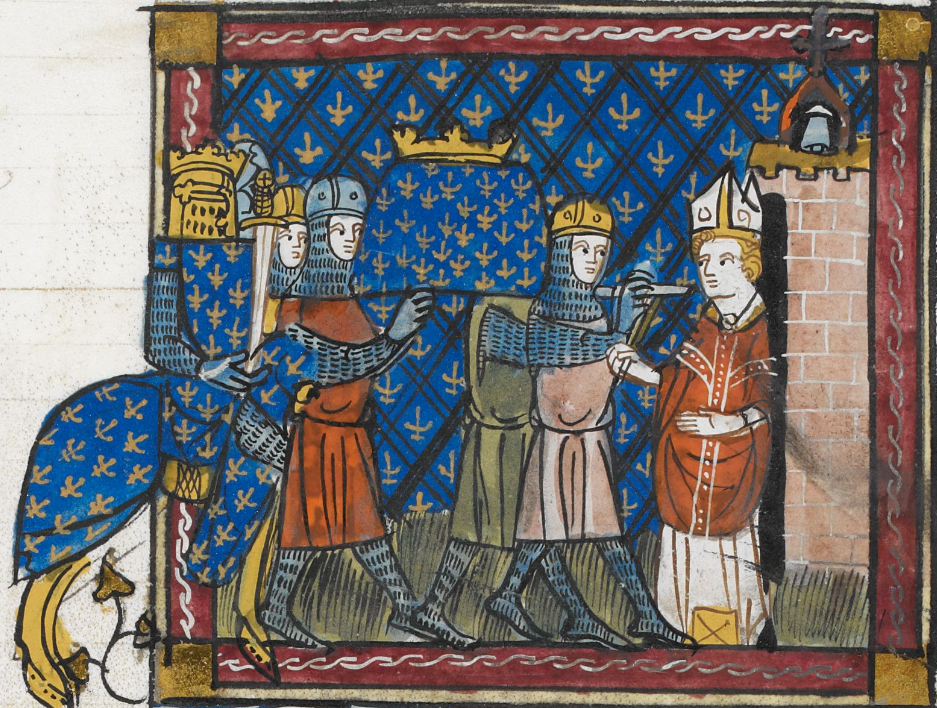
Saint Louis, also known as Louis IX, met his demise during the Eighth Crusade due to the plague. As the king of France, he was a devout Christian monarch who led multiple crusades to the Holy Land. Louis' death marked a tragic end to his crusading efforts, leaving a void in the leadership of France and impacting the morale of the crusaders.
His dedication to the Christian cause and his reputation for piety earned him the admiration of his subjects and the wider Christian world. Despite facing setbacks during his campaigns, such as being captured during a previous crusade, Louis remained committed to his faith and the ideals of chivalry.
The loss of Louis IX dealt a blow to the Crusader forces, weakening their leadership and resolve. His death also had repercussions on the political landscape of France, as his successor had to grapple with filling the void left by his passing.
Saint Louis' sacrifice and commitment to the Crusades have left a lasting legacy in French history, symbolizing the religious fervor and martial spirit of the medieval era. His death serves as a reminder of the human cost of religious conflict and the challenges faced by medieval rulers in upholding their faith.
#France #Crusades #MedievalHistory #SaintLouis
View details1238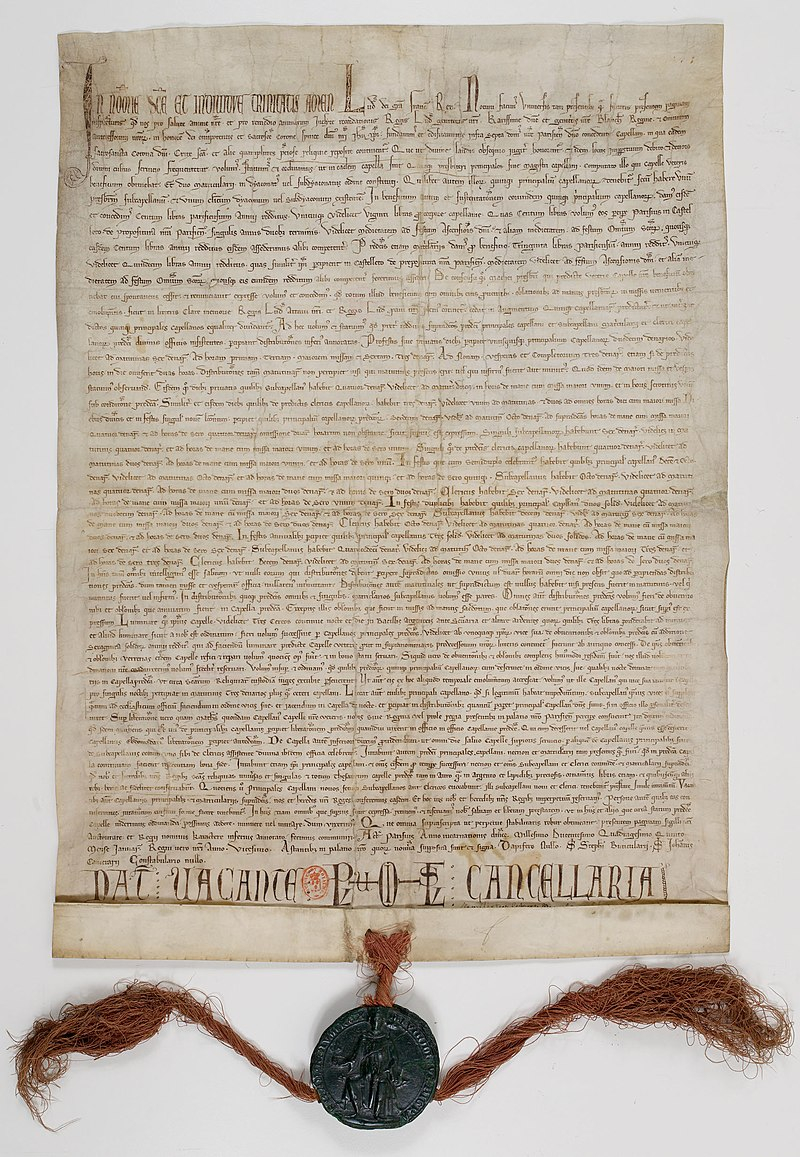
In 1238, the construction of the Sainte-Chapelle in Paris commenced. Commissioned by King Louis IX, the chapel was intended to house significant Christian relics, including the Crown of Thorns. Its construction was led by architect Pierre de Montreuil. The chapel's design is characterized by stunning stained glass windows and Gothic architecture, showcasing the wealth and power of the French monarchy.
The completion of Sainte-Chapelle had a lasting impact on the religious and cultural landscape of Paris. It served as a symbol of royal authority and was used for important religious and political ceremonies. The intricate stained glass windows narrate biblical stories, serving as a visual representation of the Christian faith.
Today, Sainte-Chapelle stands as a masterpiece of Gothic architecture and a popular tourist attraction, drawing visitors from around the world to admire its beauty and historical significance. It continues to be a place of worship and reflection, preserving its legacy as a testament to medieval craftsmanship and religious devotion.
#SainteChapelle #Paris #GothicArchitecture #MedievalHistory
View details1209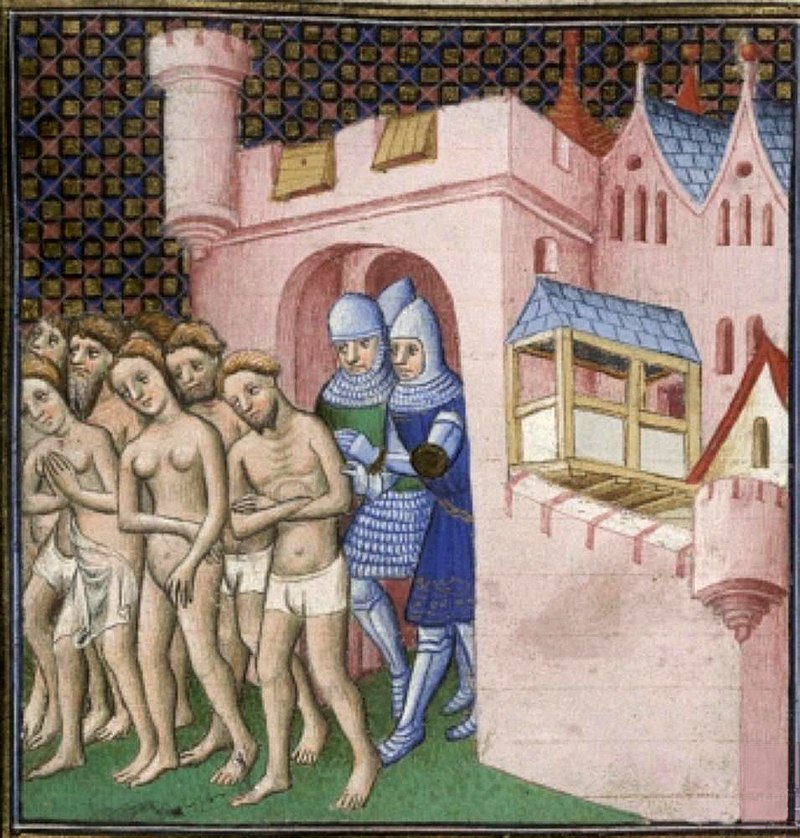
In the early 13th century, the Albigensian Crusade, led by Simon de Montfort, aimed to eliminate the Cathar heresy in southern France. The Cathars, considered heretics by the Catholic Church, preached against its teachings and gained a significant following in the region.
Simon de Montfort, supported by the Church and the French crown, led military campaigns against the Cathars, capturing strongholds and territories. One of the most notable events was the siege of Béziers, where the city was violently sacked, resulting in the death of thousands, including innocent civilians.
The Albigensian Crusade led to the eradication of the Cathar movement in the region, as well as the consolidation of power for the King of France and the Catholic Church. The Inquisition was later established to root out any remaining heresy.
The impact of the Albigensian Crusade was profound, leading to political and religious changes in southern France. It marked a dark chapter in the history of the region, with long-lasting consequences for its inhabitants.
#AlbigensianCrusade #CatharHeresy #SimondeMontfort #France #ReligiousPersecution #Inquisition
View details1204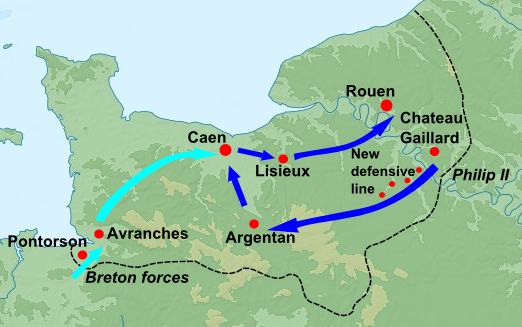
In 1204, King Philip II of France strategically conquered Normandy from King John of England, marking a pivotal moment in the ongoing conflict between the two kingdoms. This triumph significantly shifted the balance of power in favor of the French monarchy, as Normandy had long been a crucial territory held by the English crown.
The conquest of Normandy by King Philip II not only strengthened his authority over the region but also dealt a severe blow to King John's prestige and territorial holdings. The annexation of Normandy into the French domain consolidated Philip II's control over key territories, enhancing the unity and centralization of the French kingdom.
The repercussions of this military feat reverberated throughout medieval Europe, influencing political dynamics and shaping future power struggles between France and England. The fall of Normandy into French hands symbolized a turning point in the longstanding rivalry between the two kingdoms, solidifying France's position as a formidable European power.
#KingPhilipII #NormandyConquest #FranceEnglandConflict
View details1189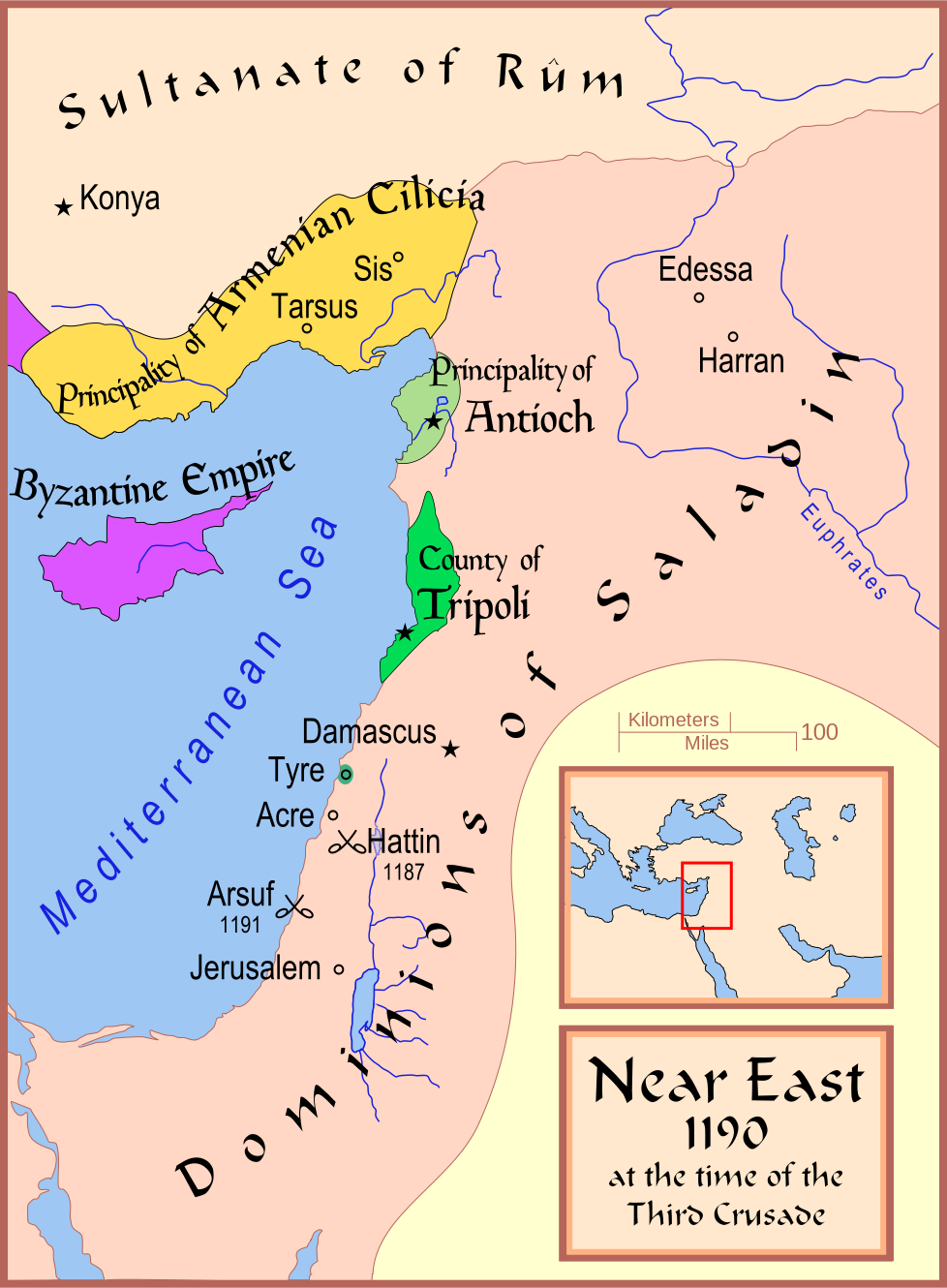
The Siege of Acre was a crucial battle during the Third Crusade, led by King Philip II of France and King Richard I of England. The city of Acre was a strategic coastal stronghold in the Holy Land, held by the Muslim forces. The siege lasted for two years and was marked by fierce fighting and numerous casualties on both sides.
The combined forces of Philip II and Richard I were able to impose a tight blockade around Acre, cutting off its supply lines and weakening its defenses. Despite facing strong resistance, the Crusaders were eventually able to breach the walls of Acre and achieve victory, capturing the city in a significant turning point of the Crusade.
The fall of Acre was a major blow to the Muslim forces and a significant triumph for the Crusaders, bolstering their morale and strengthening their position in the Holy Land. The successful siege of Acre paved the way for further Crusader advances in the region and demonstrated the military prowess of the European forces.
#SiegeofAcre #ThirdCrusade #PhilipII #RichardI #France #Crusaders #Victory #HolyLand
View details1179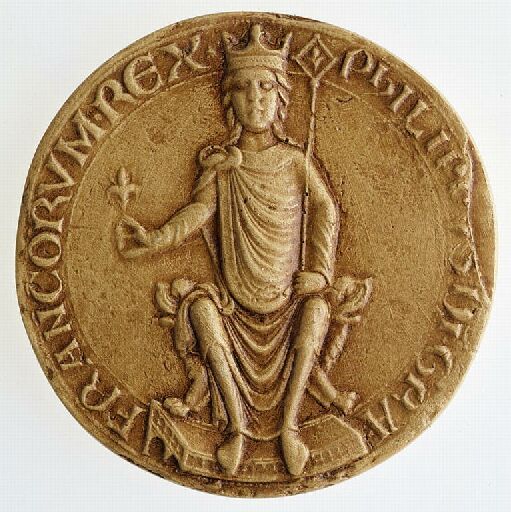
In 1179, Philip II was crowned king of France in a ceremony that solidified his authority over the kingdom. Philip II, also known as Philip Augustus, ascended the throne at a young age after the death of his father, King Louis VII. His coronation marked the beginning of his reign, which would see significant expansion of French territories and consolidation of royal power.
Philip II's reign was characterized by his military campaigns to reclaim French territories, strengthen central authority, and weaken the influence of unruly nobles. He successfully challenged the English kings in the Angevin Empire, notably King Richard the Lionheart, and emerged as one of the most powerful monarchs in Europe. His shrewd political maneuvers and military strategies laid the foundation for the future greatness of the French kingdom.
The coronation of Philip II as King of France was a pivotal moment in the history of the kingdom, setting the stage for the centralization of power and territorial expansion that would characterize his reign. His policies and conquests laid the groundwork for the emergence of France as a major European power in the centuries to come.
#PhilipII #Coronation #France #MedievalHistory
View details1163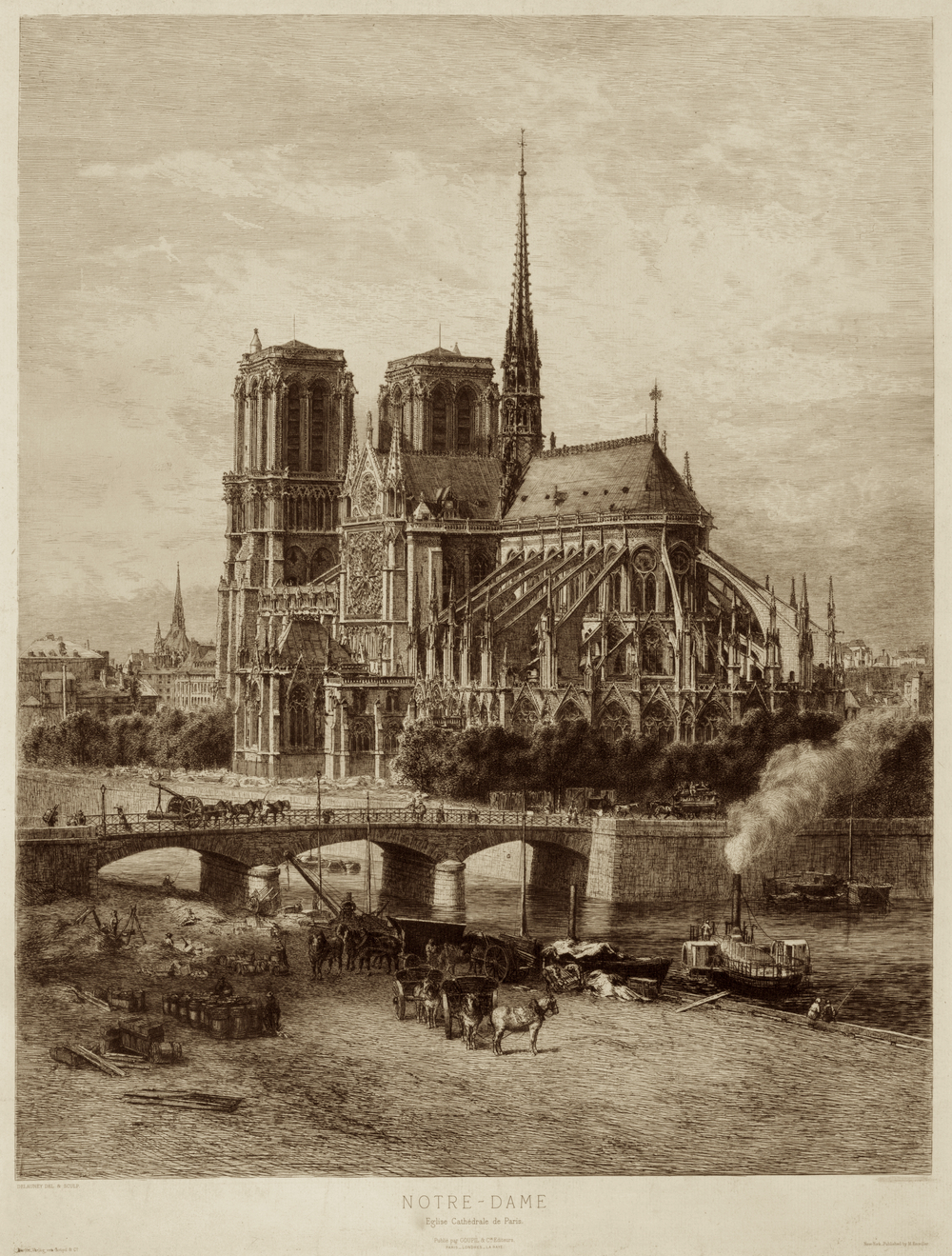
Initiated in 1163, the construction of Notre Dame Cathedral in Paris was a remarkable undertaking that lasted for over a century. The cathedral was built in the French Gothic architectural style, showcasing intricate details and towering spires that dominated the Parisian skyline.
The construction of Notre Dame was a significant feat of engineering and craftsmanship, employing innovative techniques of the time. The cathedral became a symbol of Paris and a center of religious and cultural life in France.
Notre Dame Cathedral's completion was a collaborative effort, involving skilled artisans, stonemasons, and architects who dedicated themselves to the project. Its architecture inspired countless other Gothic structures across Europe.
Over the centuries, Notre Dame Cathedral has witnessed historical events, royal coronations, and religious ceremonies, shaping the identity of Paris and its people. The cathedral's enduring legacy continues to captivate visitors from around the world, drawing millions of tourists each year.
#NotreDameCathedral #Paris #GothicArchitecture #FrenchHistory
View details1150
The University of Paris was established in 1150 and was recognized by the king of France in 1208, emerging as one of the earliest educational institutions in Europe. Originating from cathedral schools around Notre-Dame, it quickly gained prominence for its teachings in theology, law, and liberal arts. The university attracted scholars from across Europe, contributing to the dissemination of knowledge and intellectual growth during the medieval period.
The founding of the University of Paris had a profound impact on the educational landscape of Europe, setting a precedent for the establishment of universities in other parts of the continent. It played a pivotal role in shaping the intellectual foundations of Western civilization, fostering academic exchange and the development of critical thinking.
Throughout its history, the University of Paris has been a hub for influential thinkers and philosophers, leaving a lasting legacy in academia and beyond. Its commitment to scholarship and research continues to influence higher education worldwide, emphasizing the importance of intellectual inquiry and academic freedom.
#UniversityofParis #Europeaneducation #Intellectualgrowth #Academiclegacy
View details1137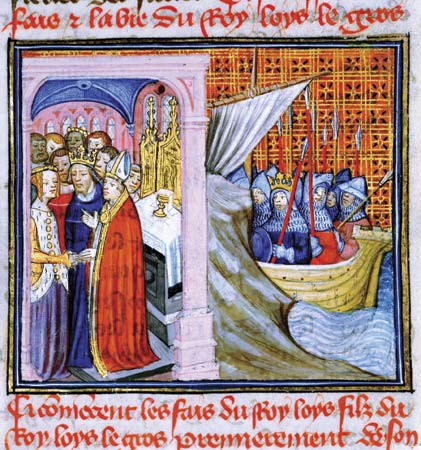
Eleanor of Aquitaine, a wealthy and powerful noblewoman, married King Louis VII of France, forming a significant political alliance. The marriage took place in Bordeaux Cathedral. Eleanor's vast territories added to the French crown, consolidating Louis VII's power. Despite the strategic union, their marriage faced challenges. Eleanor's assertiveness clashed with Louis VII's authority, leading to conflicts. The couple went on a disastrous Second Crusade in 1147, further straining their relationship. Eleanor's desire for adventure and autonomy eventually led to their divorce. After the annulment, Eleanor married Henry II of England, later becoming Queen of England and mother to several monarchs.
The marriage of Eleanor of Aquitaine to King Louis VII brought together influential lands and resources, altering the political landscape of France. Their tumultuous relationship and subsequent divorce reshaped European alliances and power dynamics. Eleanor's legacy as a powerful and independent woman continues to be remembered through her impactful marriages and influential children.
#EleanorOfAquitaine #KingLouisVII #France #Politics #RoyalMarriage #HistoricalAlliance #EuropeanPowerShift
View details