
France

The Land of Romance
Related Lives

Drama Movies
The Heart of Cinema

Panama
The Crossroads of the Americas

New Zealand
The Journey Through New Zealand

Belarus
Land of Lakes and Forests

Timor-Leste (East Timor)
Land of the Rising Sun

Canada
The Great White North

Turkey
The Land of Singing Trees

Portugal
The Land of Explorers

1095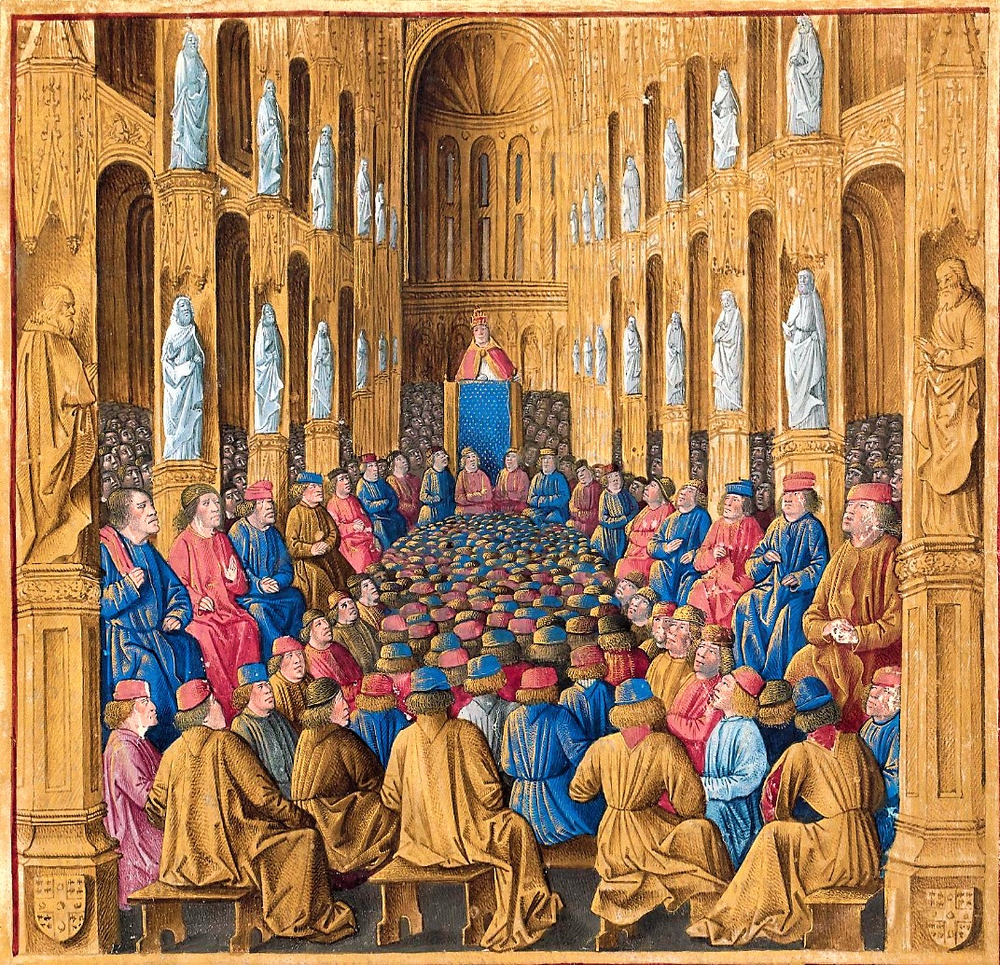
In Clermont, France, religious and political leaders gathered for the Council of Clermont. At this assembly, Pope Urban II called for a Crusade to reclaim the Holy Land from Muslim rule. The Pope's speech rallied support and ignited fervor among the attendees, resulting in an enthusiastic response to his call for war. This marked the beginning of what would later be known as the First Crusade.
The Council of Clermont declaration had a significant impact on the course of history, shaping religious conflicts and political dynamics for centuries to come. The Crusades that followed led to intense military campaigns, cultural exchanges, and the establishment of crusader states in the Levant.
This event highlighted the power of religious rhetoric in mobilizing large-scale movements and influencing geopolitical landscapes. The Council of Clermont declaration remains a landmark moment in the history of medieval Europe, symbolizing the intersection of religion, warfare, and power dynamics during that era.
#CouncilofClermont #FirstCrusade #PopeUrbanII #HolyLand #France #History #ReligiousConflict #MedievalEurope
View details1066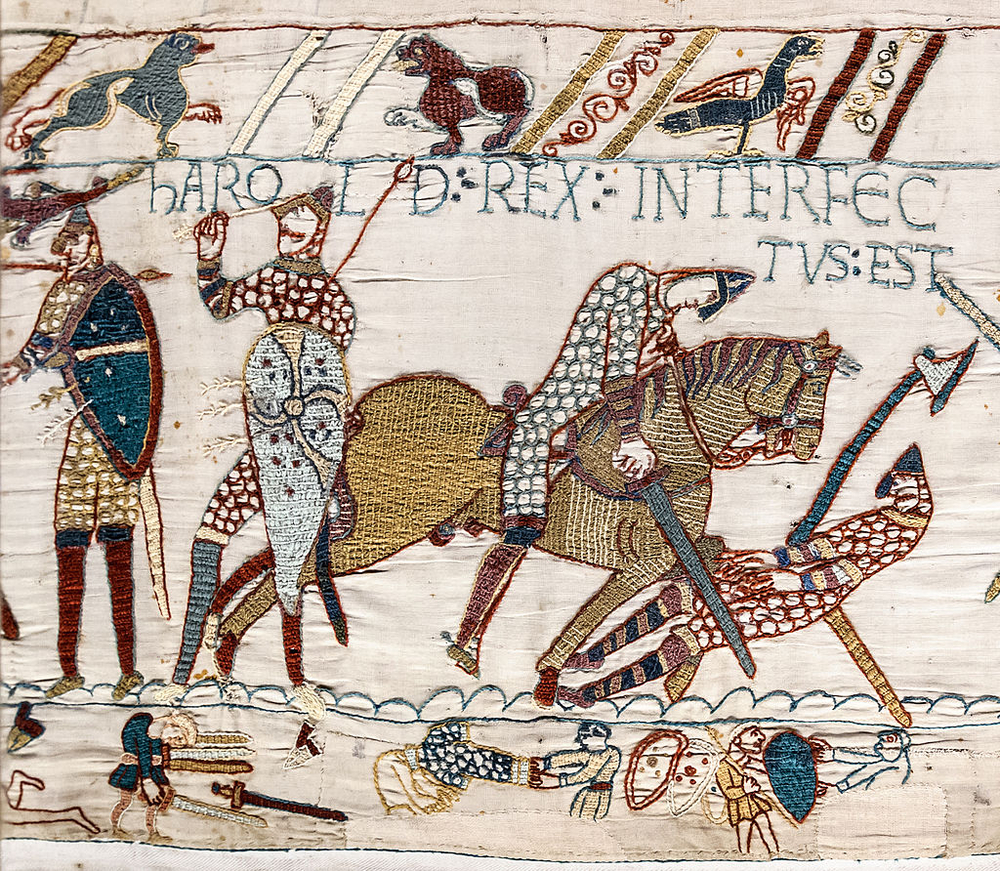
The Battle of Hastings saw William the Conqueror of Normandy defeat Harold II of England, marking a pivotal moment in history. The conflict arose due to a disputed claim to the English throne following the death of Edward the Confessor. William believed he was the rightful heir, while Harold was crowned king by English nobles.
The battle took place near Hastings, where William's Norman forces clashed with Harold's Anglo-Saxon army. Despite initial success by the English forces, William's strategic tactics led to a turning point in the battle, resulting in Harold's death and the ultimate victory of the Normans.
The impact of the Battle of Hastings was profound, as it led to William's ascension to the English throne and the establishment of Norman rule in England. This event also marked the beginning of closer ties between England and France, as William brought Norman culture and influence to the English court.
#BattleofHastings #WilliamtheConqueror #HaroldII #NormanConquest #EnglandFranceRelations
View details0987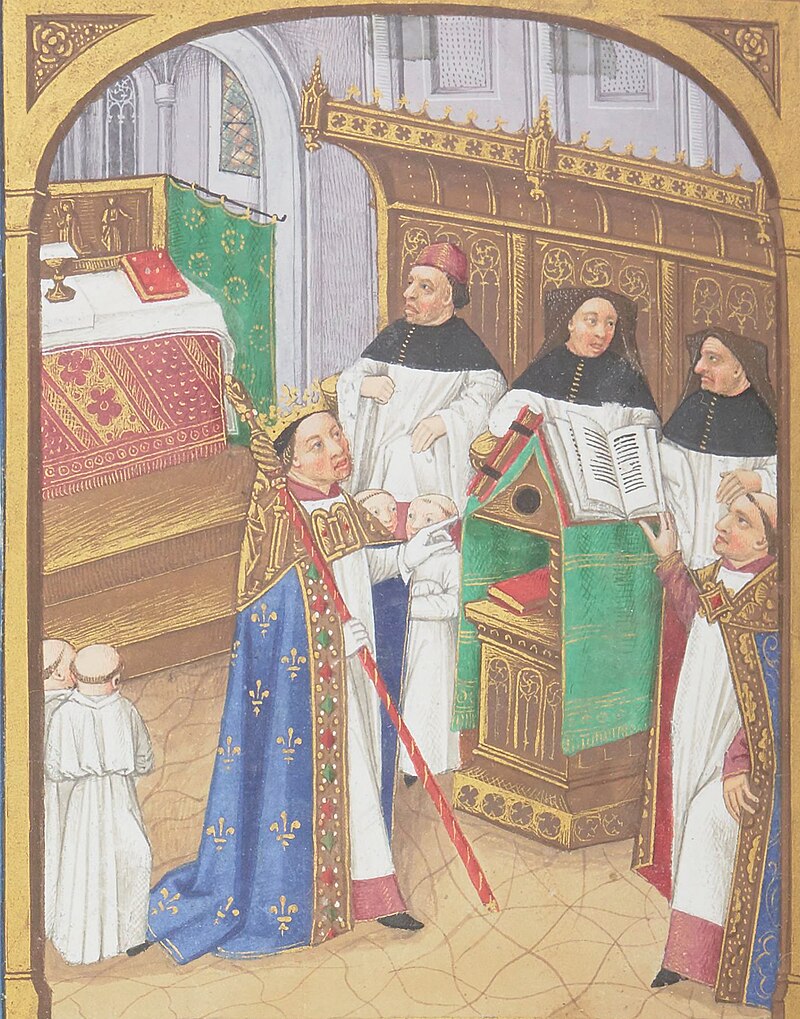
In the historical event known as the Crowning of Robert II as King of France, the Capetian dynasty solidified its reign over the kingdom. Robert II, also referred to as Robert the Pious, ascended to the throne following the death of his father, Hugh Capet. His coronation marked a pivotal moment in French history as he continued to centralize royal power and assert control over the feudal lords.
Robert II's rule was characterized by efforts to strengthen the monarchy and establish royal authority over the nobility. He faced challenges from rebellious vassals and Viking invasions but managed to maintain stability within the kingdom. His reign saw advancements in cultural and artistic endeavors, contributing to the flourishing of the French Renaissance.
The crowning of Robert II as King of France had a lasting impact on the country's political landscape, paving the way for future monarchs to consolidate power and shape the nation's identity. It marked a significant chapter in the history of France, signaling the beginning of a new era under Capetian rule.
#RobertII #KingofFrance #CapetianDynasty #FrenchHistory #Monarchy
View details987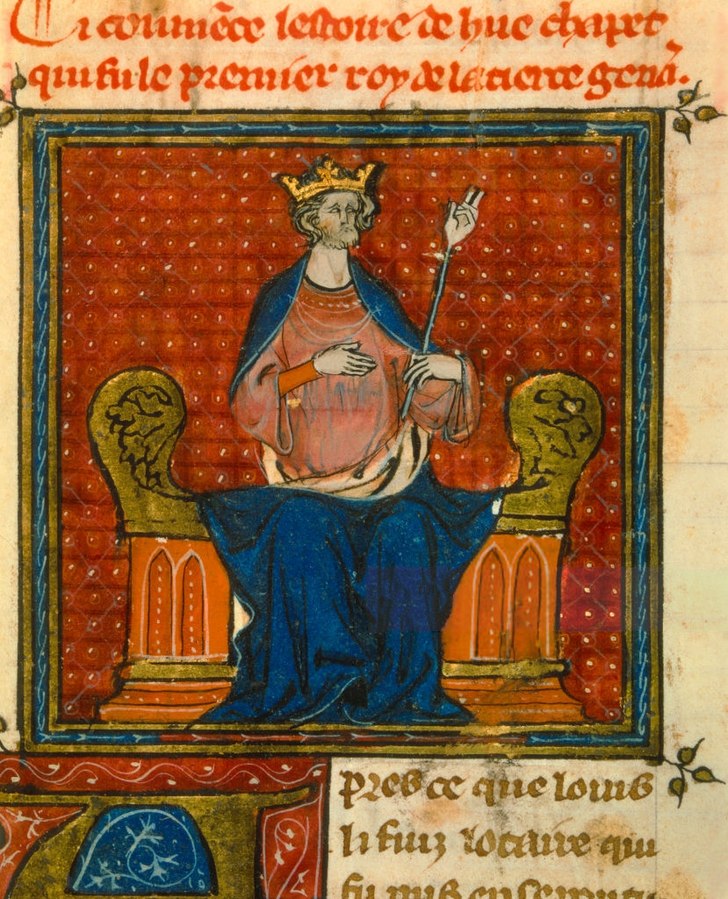
Hugh Capet's coronation as King of the Franks marked the establishment of the influential Capetian dynasty, shaping the future Kingdom of France. This event took place during a period of uncertainty and power struggles among French nobles following the Carolingian rule's decline.
With Hugh Capet's ascension to the throne, he aimed to centralize authority, enhance royal power, and stabilize the kingdom, thereby laying the foundation for the medieval French state. The Capetian dynasty's reign brought a sense of continuity and cohesion to the realm, contributing to the consolidation of France as a unified and sovereign entity.
Under Capet's rule, the monarchy gained strength, gradually extending its influence over the feudal lords and solidifying its control over the territories. This consolidation of power set the stage for the future growth and prosperity of France as a leading European power.
The coronation of Hugh Capet symbolized a pivotal moment in French history, marking the beginning of a new era characterized by strong monarchical authority and the emergence of a distinct French identity.
#HughCapet #CapetianDynasty #KingdomofFrance #MedievalHistory #FrenchMonarchy
View details843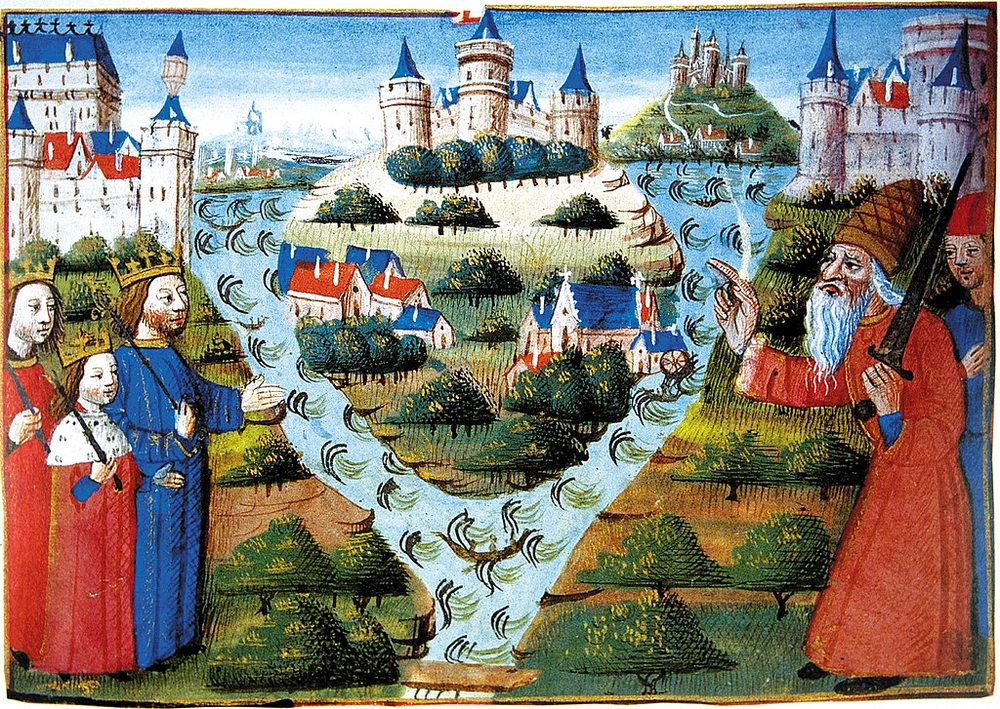
The Treaty of Verdun marked a pivotal moment in the history of France. Following the death of Emperor Louis the Pious, his three sons, Lothair, Charles the Bald, and Louis the German, divided the Carolingian Empire among themselves. This division laid the foundation for the future territories of modern-day France, Germany, and the area between them.
The Treaty of Verdun had a lasting impact on the political landscape of Europe, as it solidified the formation of distinct kingdoms and set the stage for the development of separate French and German identities. The division of the Carolingian Empire into three parts also contributed to the fragmentation of central authority, leading to the rise of feudalism and the eventual establishment of feudal territories in France.
The treaty reshaped the geopolitical boundaries of Western Europe and shaped the course of European history for centuries to come. The Treaty of Verdun is a key milestone in understanding the origins of modern France and Germany.
#TreatyofVerdun #France #EuropeanHistory #PoliticalDivision #Geopolitics
View details0732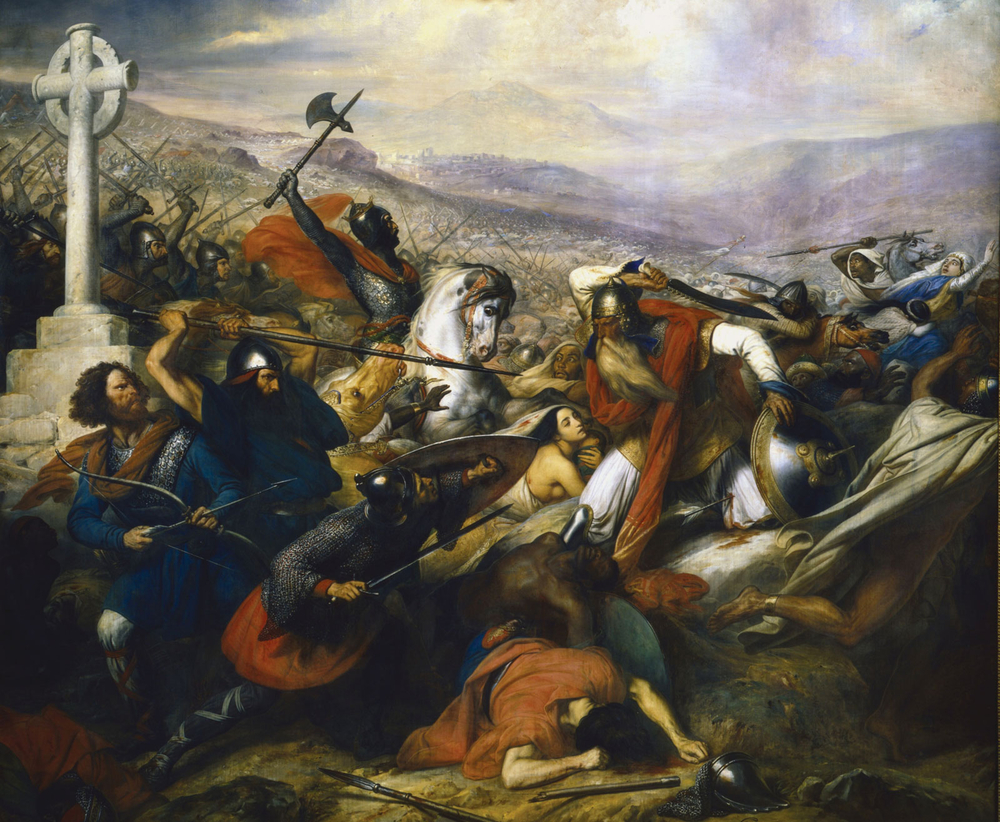
During the Battle of Tours, also known as the Battle of Poitiers, Frankish leader Charles Martel faced the Umayyad Caliphate's forces led by Abdul Rahman Al Ghafiqi. The Umayyad army, coming from Spain, had been advancing through Western Europe.
Charles Martel, who commanded the Frankish forces, utilized a defensive strategy in the plains between the cities of Tours and Poitiers. Despite being outnumbered, Martel's well-disciplined infantry and cavalry successfully resisted the Umayyad cavalry charges, leading to a pivotal turning point in the battle.
The defeat of the Umayyad forces at Tours halted the Islamic expansion into Western Europe, ensuring the dominance of Christianity in the region. It marked the triumph of the Frankish forces and solidified Charles Martel's reputation as a skilled military leader.
The Battle of Tours is recognized as a significant event that potentially altered the course of European history, preventing the spread of Islamic influence further into the continent. It highlighted the effectiveness of the Frankish military tactics against the Umayyad forces and underscored the importance of strong leadership in defending against external threats.
#BattleOfTours #CharlesMartel #IslamicExpansion #FrankishVictory
View details0496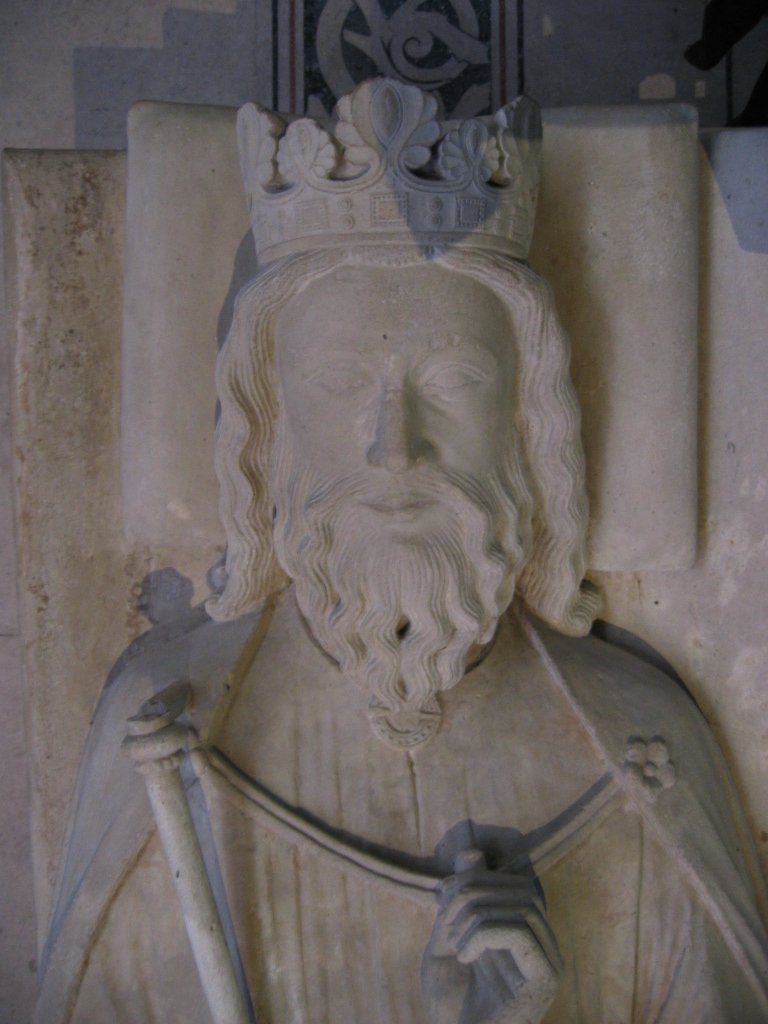
Clovis I, King of the Franks, was baptized into the Catholic faith in 496, marking the beginning of Christian rule in France. Before his conversion, Clovis practiced paganism, but after his victory in the Battle of Tolbiac, he attributed his success to the Christian God and decided to convert. This event solidified the alliance between the Frankish kingdom and the Catholic Church.
Clovis' conversion had a significant impact on the religious landscape of France, as it led to the widespread adoption of Christianity among the Frankish people. The merging of political power with the Christian faith helped cement the influence of the Church in the region and laid the foundation for a strong partnership between the monarchy and the clergy.
The baptism of Clovis I into the Catholic faith symbolizes the beginning of Christian hegemony in France and set the stage for the spread of Christianity throughout the region. This event paved the way for the cultural and religious transformation of the Frankish kingdom, shaping the future of France as a Christian nation.
#ClovisI #Franks #CatholicFaith #ChristianRule #France
View details