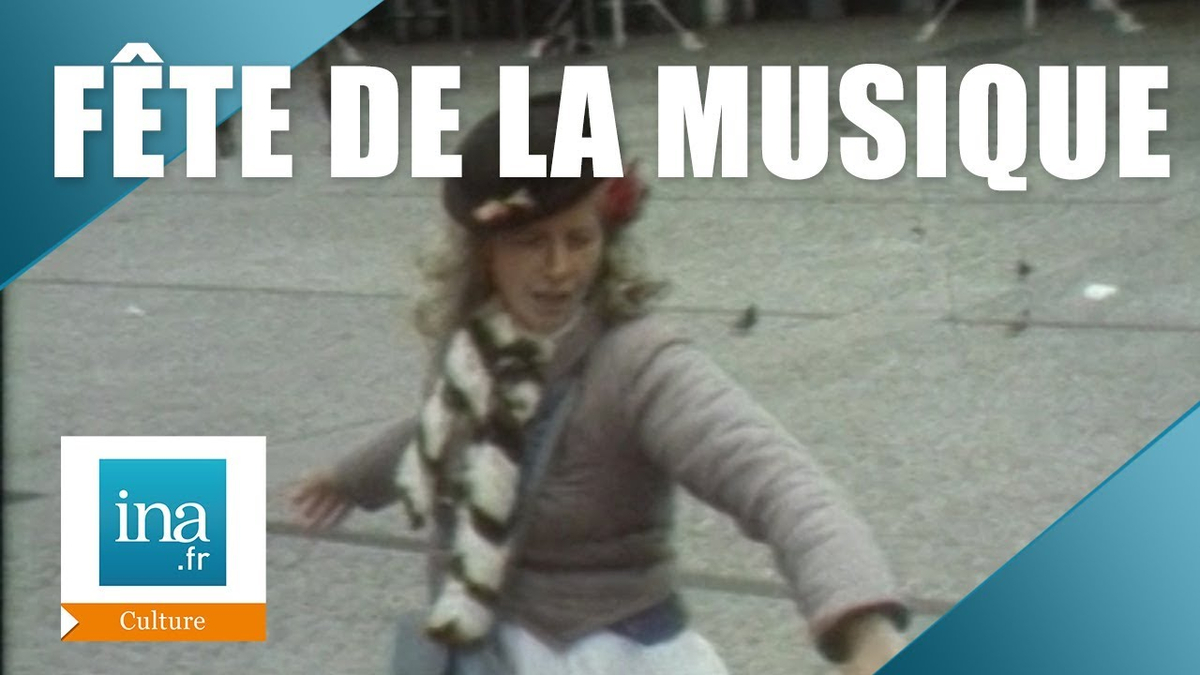
Global Celebration of Music on June 21: Fête de la Musique
France

Entertainment
Cultural Event.
Music
8 min read
Updated By: History Editorial Network (HEN)
Published:
The Fête de la Musique, also known as World Music Day, is a vibrant celebration of music that takes place annually on June 21st. Established in France in 1982 by Jack Lang, the then Minister of Culture, the festival was the brainchild of French composer and music journalist Maurice Fleuret. The aim was to bring music out into the streets, making it accessible to everyone and showcasing the diversity of musical genres.
Origins and Inception
In the early 1980s, Jack Lang and Maurice Fleuret were keen to rejuvenate the cultural landscape of France. Fleuret, who had a vision of "music everywhere and the concert nowhere," was inspired by a 1981 study indicating that five million French people, including one child out of two, played a musical instrument. This revelation spurred the idea of a grand, inclusive event where both amateur and professional musicians could perform.
Lang and Fleuret decided to hold this musical extravaganza on June 21st, coinciding with the summer solstice. The choice of date was symbolic, representing the longest day of the year in the Northern Hemisphere and a time traditionally associated with celebrations. The first Fête de la Musique took place on June 21, 1982, and was a resounding success. The streets of Paris came alive with music, and the event quickly garnered attention and enthusiasm.
Growth and Global Spread
The Fête de la Musique rapidly grew in popularity, extending beyond France’s borders within a few years. By the late 1980s, cities across Europe had adopted the festival, and it soon spread to other continents. Today, it is celebrated in more than 120 countries and over 700 cities worldwide, including major metropolises like New York, Tokyo, and Buenos Aires.
The festival’s format is simple yet powerful: musicians of all genres, ages, and skill levels are encouraged to perform in public spaces. From streets and parks to rooftops and gardens, any place can become a stage. The essence of the Fête de la Musique lies in its inclusivity and spontaneity, allowing music to permeate everyday life and create a shared cultural experience.
Impact and Significance
The Fête de la Musique has had a profound impact on the cultural fabric of societies around the world. It has democratized music, breaking down barriers between genres and audiences. By promoting free concerts and encouraging participation from all, the festival has nurtured a spirit of community and creativity.
Moreover, the event has provided a platform for emerging artists to gain exposure and connect with audiences. Many musicians who started performing at the Fête de la Musique have gone on to achieve significant recognition and success. The festival has also fostered collaborations and exchanges between artists from different backgrounds, enriching the global music scene.
Modern Celebrations
Today, the Fête de la Musique continues to thrive and evolve. While maintaining its core principles of free and accessible music, the festival has embraced new technologies and trends. Live streams, virtual performances, and social media have expanded its reach, allowing even more people to participate and enjoy the music.
Each year, the festival often takes on specific themes, reflecting contemporary issues and cultural movements. These themes help to highlight the festival’s relevance and its ability to adapt to changing times while remaining true to its original vision.
#MomentsOfLife #MoofLife_Moment #MoofLife #FeteDeLaMusique #WorldMusicDay #CulturalCelebration #MusicForAll #GlobalFestival #JackLang #MauriceFleuret

Explore the Life Moments of
 AI Twin