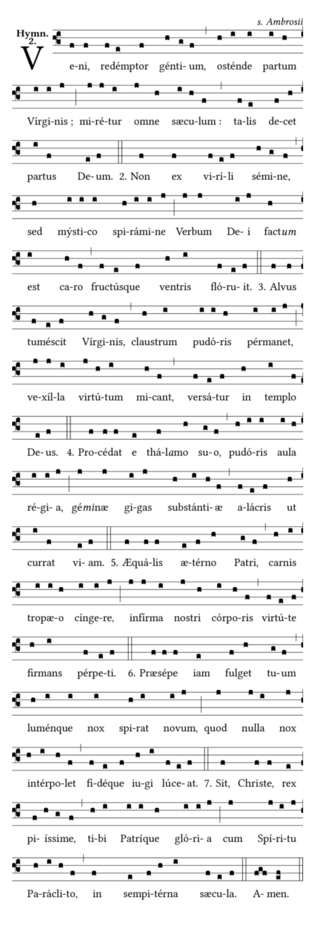
Early Christian Christmas hymns in Rome, like "Veni Redemptor Gentium," shaped Christian doctrine and community.
Bethlehem
Religious
4 min read
Updated By: History Editorial Network (HEN)
Published:
Updated:
In early Christian Rome, the practice of creating hymns to celebrate significant religious events took root. The composition of some of the earliest Christmas hymns, such as "Veni Redemptor Gentium," is attributed to this period. Written by Ambrose of Milan, a bishop and influential theologian, these hymns were designed to extol the spiritual and theological significance of Christ's birth.
"Veni Redemptor Gentium," which translates to "Come, Redeemer of the Nations," addressed core beliefs central to the Christian faith, emphasizing the divinity and humanity of Jesus Christ. This hymn was likely used in liturgical settings, aiding congregations in focusing their worship and celebrations on the advent of Christ and the hope and salvation associated with his birth.
The impact of these earliest hymns was substantial. They played a role in solidifying the observance of Christmas as a key Christian holiday, reinforcing its themes and teachings through music and communal singing. The structured and poetic nature of hymns like "Veni Redemptor Gentium" made theological concepts more accessible and memorable to the populace, contributing both to the spread and the entrenchment of Christian doctrine across the Roman Empire.
Engaging congregations through music added a dynamic and emotional layer to religious practice, which helped in cohesive community building. Furthermore, the creation and use of such hymns set a precedent for the composition of religious music in Western Christianity, influencing liturgical traditions for centuries to follow.
#EarlyChristianity #ChristmasHistory #AncientRome #ChurchMusic #ReligiousHymns #MoofLife
Primary Reference
Castro's Death Provokes Mixed Reactions

Explore the Life Moments of
 AI Twin