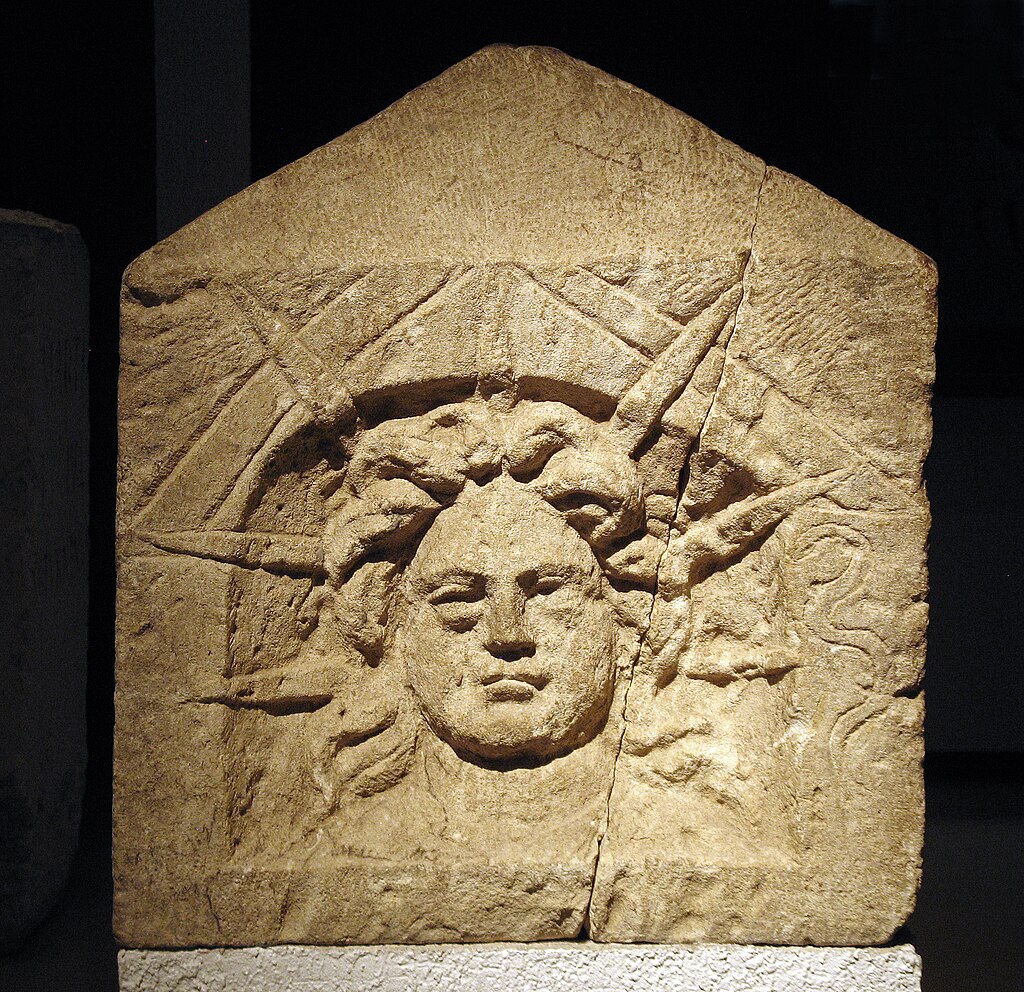
Establishment of Dies Natalis Solis Invicti to honor sun god and unify empire under centralized religion.
Bethlehem
Political
Religious
5 min read
Updated By: History Editorial Network (HEN)
Published:
Updated:
Roman Emperor Aurelian formally established the festival known as Dies Natalis Solis Invicti, meaning 'Birthday of the Invincible Sun.' This observance sought to honor Sol Invictus, the sun god whose worship symbolized the continuity of the Roman Empire’s power and the unifying force across the diverse regions under Roman rule.
The creation of this festival aimed to strengthen the cult of Sol Invictus, ensuring a central religious identity. This act of institutionalizing the celebration reflected Aurelian's broader policies of promoting centralized state cults. The festival, held at the end of December, coincided with the time of the winter solstice when the renewal of the sun's power became perceptible. This association with the sun at its weakest and the promise of its imminent strength served as a powerful symbol for the stability and longevity of the empire.
Aurelian’s decision to dedicate this day to Sol Invictus can be viewed in the context of his other reforms, which included military restructuring and economic policies. Consolidating religious practices under a state-endorsed deity was part of a strategic effort to reinforce the common identity among the citizenry, stitching together the various cultural and religious traditions within the empire.
This festival’s observance involved sacrifices, games, and public feasts, aiming to unite people in joyous celebration and reaffirm their loyalty to the emperor and the divine patron of Rome. Resplendent ceremonies and rituals underscored the emperor's role as Pontifex Maximus, pivotal in maintaining the pax deorum, the peace of the gods.
Although originally a pagan festival, Dies Natalis Solis Invicti’s date and thematic emphasis on light and rebirth eventually influenced the Christian tradition of Christmas. The alignment with the rebirth of the sun predated its association with the birth of Christ, yet provided a seamless temporal and symbolic transition for early Christians.
Historians note that the establishment of this festival played a role in the broader historical transitions within the Roman Empire and the subsequent adoption of Christianity as the state religion.
#RomanHistory #EmperorAurelian #SolInvictus #SunWorship #ReligiousFestivals #PaganRoots #CulturalUnity #AncientTraditions #HistoricalFoundation #MoofLife

Explore the Life Moments of
 AI Twin