
Burkina Faso

The Heart of West Africa
Related Lives

New Zealand
The Journey Through New Zealand
Belarus
Land of Lakes and Forests

History of Internet & Social Media
From Cold War Wires to Global Web

Academy Awards
The Oscars

Olympics
The Grandest Stage of All
Prime Minister of the United Kingdom
The Head of Government
Bahrain
The Pearl of the Gulf

United Kingdom
Great Britain

1919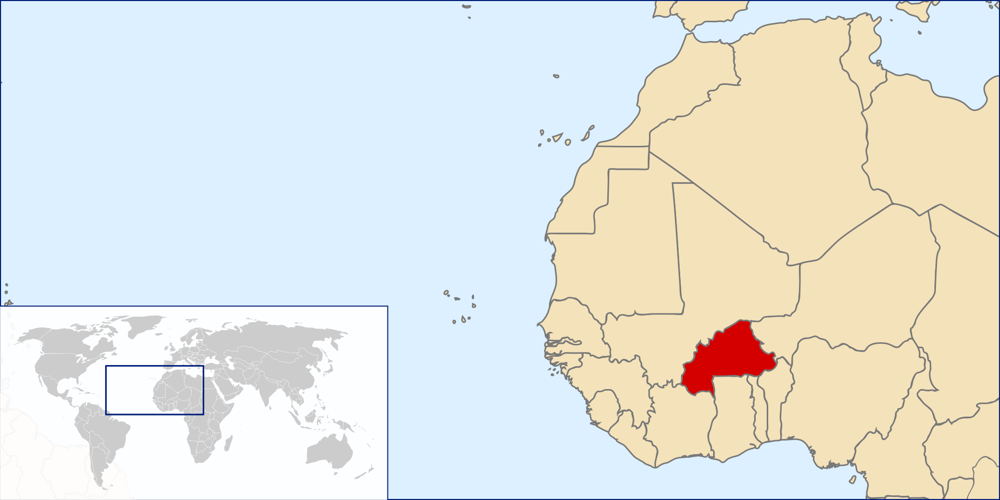
Upper Volta, originally a French protectorate, transitioned into a French colony in 1919. This change came as a result of the Treaty of Versailles, following the end of World War I. The region's strategic location and resources made it an attractive territory for European powers.
The establishment of Upper Volta as a French colony had a lasting impact on the region's political and social landscape. The French colonization brought about significant changes in governance, administration, and economy. Colonial powers imposed their languages, cultures, and systems of governance, altering the traditional way of life for the local population.
Under French colonial rule, Upper Volta's resources were exploited for the benefit of the colonizers, leading to economic disparities and social unrest. The indigenous population faced forced labor, land dispossession, and limited access to education and healthcare.
Despite the challenges, the period of French colonization also brought about some infrastructure development and modernization in Upper Volta. However, these benefits primarily served the interests of the colonial administration and European settlers.
The transition of Upper Volta into a French colony marked a pivotal moment in the region's history, shaping its trajectory for decades to come. The legacy of colonization continues to influence Burkina Faso's socio-political dynamics and efforts towards reclaiming its cultural heritage and autonomy. #BurkinaFaso #FrenchColonization #ColonialImpact
View details1914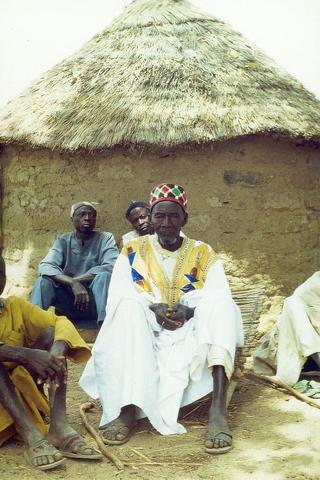
The Volta-Bani War was a conflict rooted in the competition for land and resources between the Mossi and Bobo kingdoms in the region now known as Burkina Faso. The Mossi people sought to expand their territory by conquering the Bobo kingdom, leading to a bloody war marked by fierce battles and territorial disputes.
The aftermath of the Volta-Bani War had lasting effects on the region. The Bobo kingdom was weakened, ultimately leading to its decline in power and influence. The Mossi kingdom, on the other hand, emerged victorious and solidified its control over the region. The war also resulted in significant loss of life and displacement of populations, causing social and economic upheaval for both kingdoms.
The Volta-Bani War reshaped the political landscape of the region, with the Mossi kingdom establishing itself as a dominant force in Burkina Faso. The conflict highlighted the complex interplay of power dynamics and rivalries among ethnic groups in the region, setting the stage for future conflicts and alliances.
#VoltaBaniWar #BurkinaFasoHistory #KingdomConflict
View details1896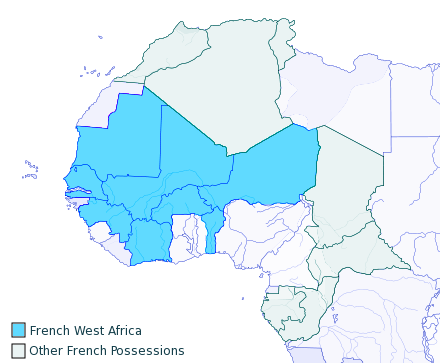
In 1896, Burkina Faso became a French protectorate, marking a pivotal moment in its history. Prior to this event, Burkina Faso, then known as Upper Volta, was part of colonial territory claimed by France. The French established control over the region to exploit its resources and expand their colonial empire in West Africa. The establishment of Burkina Faso as a French protectorate led to significant changes in its governance, economy, and culture.
Under French rule, administrative systems were put in place, and the local population faced forced labor and heavy taxation. The French also imposed their language and culture, leading to a shift away from traditional practices. Additionally, the borders of Burkina Faso were redrawn and integrated into French West Africa.
The impact of Burkina Faso becoming a French protectorate reverberated for generations, shaping its development and relations with other countries. The legacy of colonialism is still felt in modern-day Burkina Faso, influencing issues such as governance, economic development, and cultural identity.
#BurkinaFaso #FrenchProtectorate #Colonialism #WestAfrica
View detailsIn 1896, the French military successfully defeated the Mossi Kingdoms in present-day Burkina Faso, consolidating their colonial control over the region. Prior to this event, the Mossi Kingdoms had long resisted European colonization, maintaining their autonomy and traditional governance systems. However, faced with superior firepower and military tactics, the French were able to overcome their opposition.
The defeat of the Mossi Kingdoms had a profound impact on the region, leading to the imposition of French colonial rule and the dismantling of indigenous power structures. The French established control over the territory, exploiting its resources and imposing their language and culture on the local population. This event marked a significant shift in the political landscape of the region, as the Mossi Kingdoms were forced to adapt to the new colonial reality.
The French defeat of the Mossi Kingdoms in 1896 represents a pivotal moment in the history of Burkina Faso, reflecting the broader patterns of European imperialism in Africa. It highlights the complex dynamics of power, resistance, and conquest that characterized the colonial era and shaped the destinies of indigenous peoples across the continent. #FrenchColonialism #MossiKingdoms #BurkinaFasoHistory
View details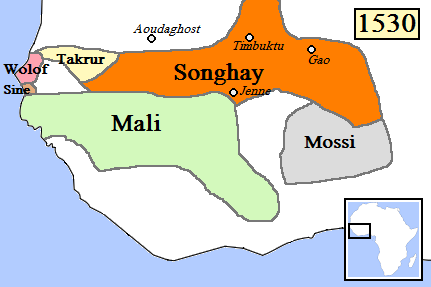
1895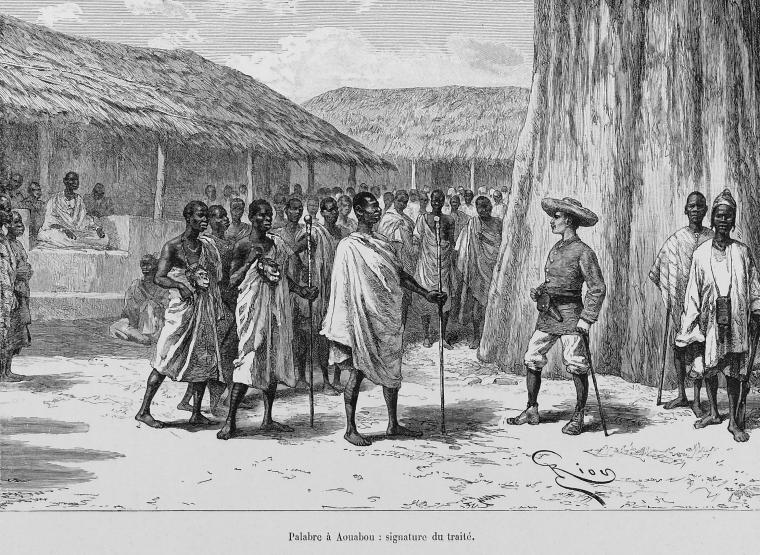
The French colonization of the region that would later become Burkina Faso marked the beginning of French influence in West Africa. This expansion was driven by the desire for resources, trade routes, and strategic military positions. The French administration gradually extended its control over the area, imposing their language, culture, and political system on the local population.
The impact of French colonization was profound and long-lasting. It led to the exploitation of natural resources, forced labor, and the disruption of traditional ways of life. The establishment of French West Africa resulted in the economic and political marginalization of the indigenous peoples, as power was consolidated in the hands of the colonial authorities.
The French presence also brought about significant infrastructural developments, such as the construction of railroads and administrative buildings. However, these improvements primarily served the interests of the colonizers and did little to benefit the local population.
Overall, the French colonization of the region was a pivotal moment in the history of Burkina Faso, shaping its trajectory for decades to come. The legacy of this period continues to influence the socio-political landscape of the country to this day.
#FrenchColonization #WestAfrica #ColonialLegacy #BurkinaFaso #HistoricalImpact
View details1882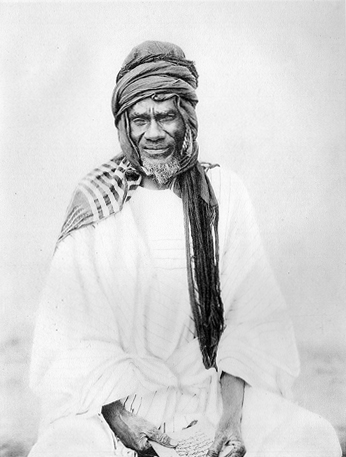
In 1895, local leaders in Burkina Faso, notably Samori Ture, spearheaded a resistance movement against French colonial rule. Ture, a skilled military strategist, united various ethnic groups in the region to confront the French incursion. He organized a formidable army that employed guerilla tactics to challenge the colonial forces.
The resistance against French colonization led by Ture and other local leaders had a significant impact on the region. It hindered the French expansion into the interior of West Africa and delayed their full control over Burkina Faso. The tactics used by Ture forced the French to divert resources and troops to combat the resistance, prolonging their conquest of the region.
Despite facing superior weaponry and technology, the local resistance showed resilience and determination in their fight against colonial forces. The legacy of Ture and other leaders who resisted French colonial rule remains an integral part of Burkina Faso's history, symbolizing the spirit of resistance and independence.
#BurkinaFaso #ColonialResistance #SamoriTure #LocalLeaders #AntiColonialStruggle
View details1795
In the late 18th century, Muslim traders and scholars introduced Islam to the region now known as Burkina Faso. These individuals traveled from North Africa, bringing with them the teachings of Islam. As they engaged in trade and shared knowledge, they also spread their religious beliefs among the people of the area.
The introduction of Islam had a profound impact on the region. It led to the establishment of mosque-centered communities and the incorporation of Islamic practices into the daily lives of many residents. The teachings of Islam provided a new framework for social organization, education, and spirituality, influencing various aspects of local culture and traditions.
Over time, Islam became deeply rooted in Burkina Faso, shaping its society and influencing its history. The integration of Islamic principles with existing indigenous beliefs and practices created a unique cultural blend that continues to characterize the region today.
#IslamInBurkinaFaso #MuslimTradersAndScholars #CulturalIntegration
View details1440
The foundation of the Kingdom of Ouagadougou by the Yonyonse people marked a pivotal moment in the history of the region. Located in present-day Burkina Faso, the establishment of this kingdom brought together various ethnic groups under a centralized authority. This led to the consolidation of power and facilitated trade and cultural exchange within the region.
The Yonyonse people, known for their military prowess, played a significant role in expanding the kingdom's territory through conquest and alliances. This expansion helped to increase the kingdom's influence and wealth, attracting traders and craftsmen to settle in the capital city of Ouagadougou. As a result, the city became a hub for commerce and cultural interaction, further solidifying the kingdom's prominence in the region.
The Kingdom of Ouagadougou's political organization and military strength allowed it to resist external threats and maintain stability within its borders for centuries. This contributed to the prosperity and development of the kingdom, fostering a sense of unity and identity among its people. The legacy of the Kingdom of Ouagadougou continues to be celebrated in Burkina Faso today, reflecting its enduring impact on the region's history and culture.
#KingdomOfOuagadougou #YonyonsePeople #BurkinaFasoHistory
View details1400
In the 1400s, the Dagara Kingdom in Burkina Faso experienced a rise to power. The Dagara people, known for their strong sense of community and spiritual beliefs, unified under a central authority, establishing a kingdom that would greatly impact the region. The rise of the Dagara Kingdom brought about a period of stability and prosperity, as the people benefited from organized governance, trade relations, and cultural development.
Under the leadership of the Dagara rulers, the kingdom expanded its influence through strategic alliances and military conquests, asserting its dominance over neighboring territories. This growth stimulated economic activities, such as agriculture, mining, and craftsmanship, enhancing the kingdom's wealth and prestige. The Dagara Kingdom's cultural and spiritual practices also flourished during this period, with rituals and traditions playing a central role in maintaining societal cohesion and identity.
The rise of the Dagara Kingdom in Burkina Faso transformed the region, leaving a lasting legacy on its political, economic, and cultural landscapes. The kingdom's achievements continue to be celebrated and remembered by the descendants of the Dagara people, who take pride in their rich heritage and ancestral roots. #DagaraKingdom #BurkinaFasoHistory #CulturalTransformation
View details1332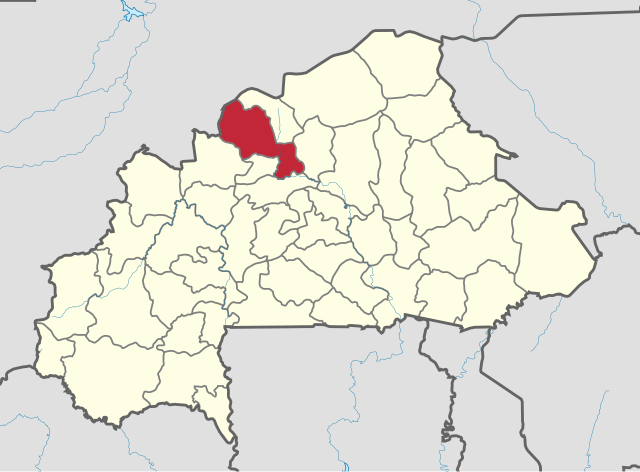
In 1333, the establishment of the Kingdom of Yatenga took place in present-day Burkina Faso. The Kingdom of Yatenga was founded by warrior princess Yennenga, who was known for her exceptional strength and leadership skills. Yennenga sought to create a powerful and independent kingdom for her people, the Mossi.
The Kingdom of Yatenga rapidly expanded its influence through strategic alliances and military conquests, becoming a dominant force in the region. Yennenga's descendants continued to strengthen and expand the kingdom, establishing a well-organized society with a thriving economy based on agriculture and trade.
The establishment of the Kingdom of Yatenga had a lasting impact on the history of the region, shaping political dynamics and cultural practices for centuries to come. The kingdom’s legacy is still celebrated today, serving as a symbol of resilience, leadership, and unity for the people of Burkina Faso.
#KingdomOfYatenga #Yennenga #BurkinaFasoHistory #AfricanKingdoms
View details1299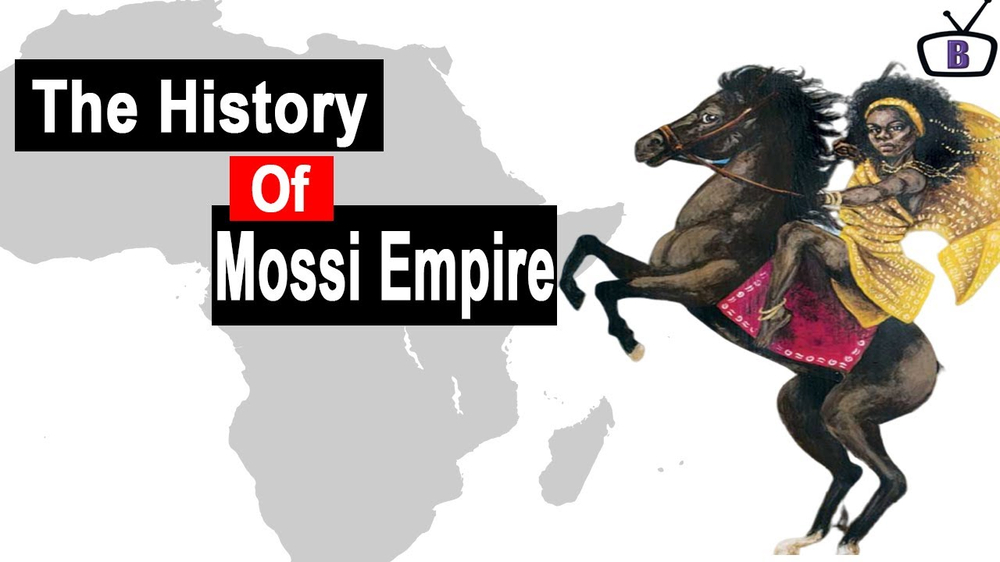
In the 1300s, the Mossi people established powerful kingdoms in present-day Burkina Faso. These kingdoms were founded by warrior chiefs who united various Mossi clans under a centralized authority. The rise of the Mossi Kingdoms was marked by military conquests, effective governance, and skilled leadership.
The Mossi Kingdoms played a crucial role in shaping the political landscape of West Africa. They controlled key trade routes, managed diverse ethnic groups, and fostered a rich cultural heritage. Their strategic location allowed them to thrive through trade and diplomacy.
The impact of the Mossi Kingdoms extended beyond their borders. They resisted European colonization for centuries and maintained their independence through strategic alliances and military prowess. Their legacy continues to influence the social, political, and religious dynamics of Burkina Faso.
Today, the Mossi Kingdoms are celebrated for their resilience, innovative strategies, and cultural achievements. Their legacy embodies the spirit of unity, strength, and tradition in Burkina Faso's history.
#MossiKingdoms #BurkinaFaso #WestAfricanHistory #CulturalHeritage
View details1199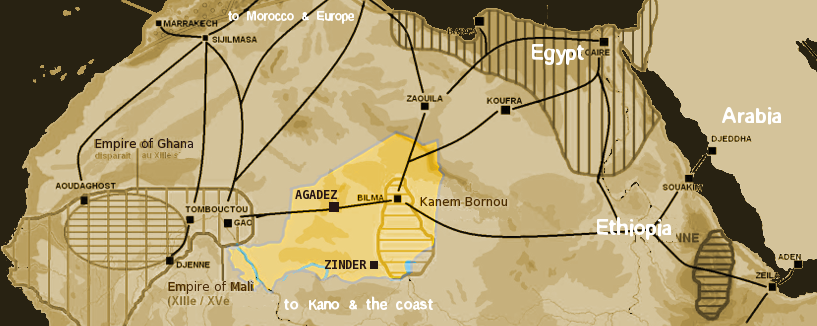
In 1200, the expansion of trade along the Trans-Saharan routes in the region now known as Burkina Faso, marked a pivotal moment in the economic landscape of West Africa. This development was driven by the increasing demand for goods such as gold, salt, ivory, and slaves, prompting the emergence of vibrant commercial centers and caravan routes.
With the introduction of camels to the region, trade routes were able to extend further into the Sahara Desert, connecting the savannah regions in the south to the markets of North Africa and beyond. This facilitated the exchange of goods and ideas between diverse cultures, fostering economic growth and cultural exchange.
The expansion of trade along the Trans-Saharan routes had a profound impact on the societies of West Africa, leading to the rise of powerful trading states and the establishment of long-lasting economic networks. It also contributed to the spread of Islam in the region, as merchants and travelers brought new religious beliefs along with their trade goods.
This event highlights the importance of trade as a catalyst for cultural exchange, economic development, and connectivity between distant regions. #TransSaharanTrade #EconomicExpansion #CulturalExchange #WestAfrica #BurkinaFaso
View details