Colonization of Upper Volta
Burkina Faso
Political
4 min read
Updated By: History Editorial Network (HEN)
Published:
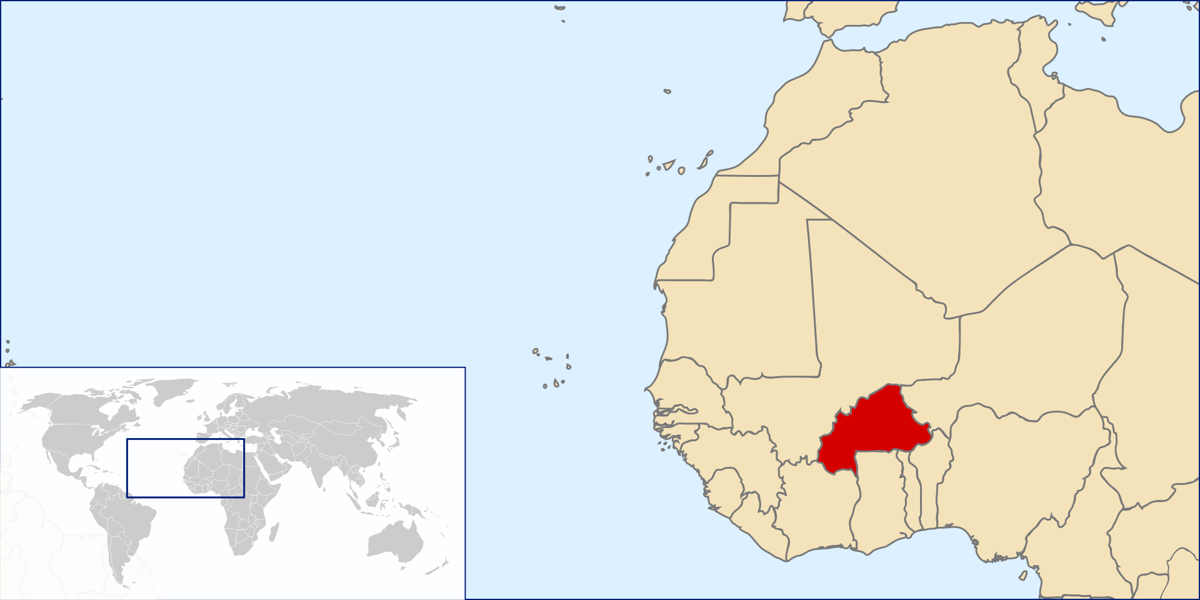
Upper Volta, originally a French protectorate, transitioned into a French colony in 1919. This change came as a result of the Treaty of Versailles, following the end of World War I. The region's strategic location and resources made it an attractive territory for European powers.
The establishment of Upper Volta as a French colony had a lasting impact on the region's political and social landscape. The French colonization brought about significant changes in governance, administration, and economy. Colonial powers imposed their languages, cultures, and systems of governance, altering the traditional way of life for the local population.
Under French colonial rule, Upper Volta's resources were exploited for the benefit of the colonizers, leading to economic disparities and social unrest. The indigenous population faced forced labor, land dispossession, and limited access to education and healthcare.
Despite the challenges, the period of French colonization also brought about some infrastructure development and modernization in Upper Volta. However, these benefits primarily served the interests of the colonial administration and European settlers.
The transition of Upper Volta into a French colony marked a pivotal moment in the region's history, shaping its trajectory for decades to come. The legacy of colonization continues to influence Burkina Faso's socio-political dynamics and efforts towards reclaiming its cultural heritage and autonomy. #BurkinaFaso #FrenchColonization #ColonialImpact
Primary Reference
Burkina Faso country profile - BBC News
Explore the Life Moments of
 AI Twin