Emergence of the Mossi Kingdoms
Burkina Faso

Political
Cultural Heritage
3 min read
Updated By: History Editorial Network (HEN)
Published:
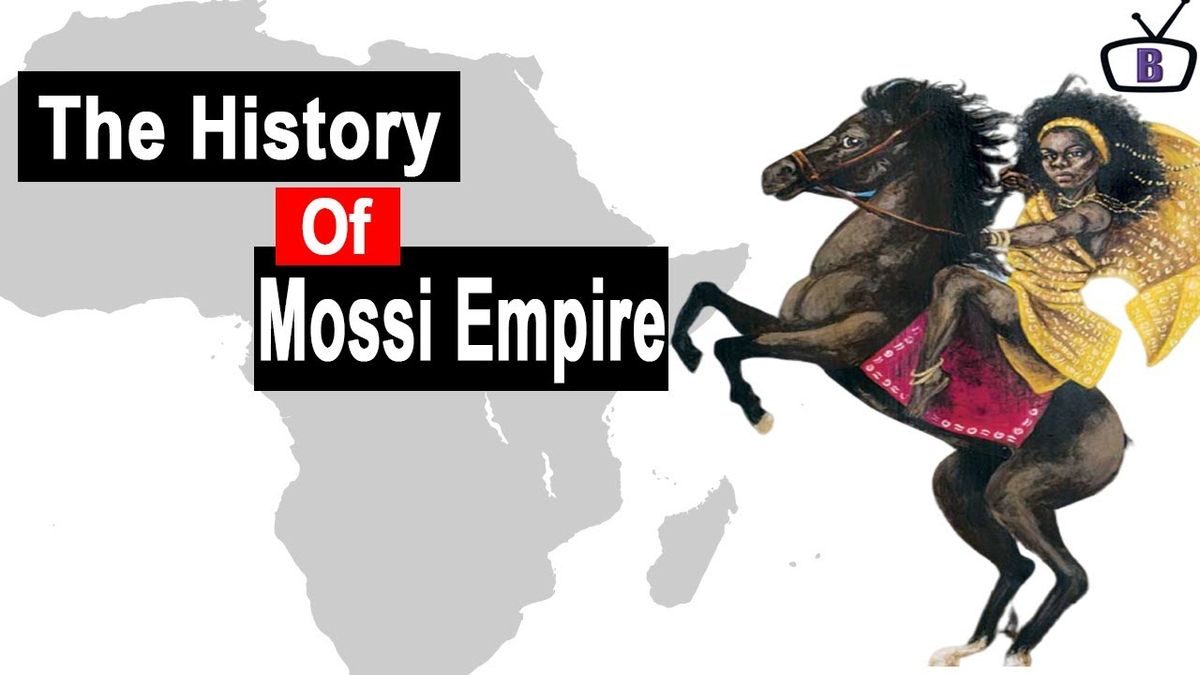
In the 1300s, the Mossi people established powerful kingdoms in present-day Burkina Faso. These kingdoms were founded by warrior chiefs who united various Mossi clans under a centralized authority. The rise of the Mossi Kingdoms was marked by military conquests, effective governance, and skilled leadership.
The Mossi Kingdoms played a crucial role in shaping the political landscape of West Africa. They controlled key trade routes, managed diverse ethnic groups, and fostered a rich cultural heritage. Their strategic location allowed them to thrive through trade and diplomacy.
The impact of the Mossi Kingdoms extended beyond their borders. They resisted European colonization for centuries and maintained their independence through strategic alliances and military prowess. Their legacy continues to influence the social, political, and religious dynamics of Burkina Faso.
Today, the Mossi Kingdoms are celebrated for their resilience, innovative strategies, and cultural achievements. Their legacy embodies the spirit of unity, strength, and tradition in Burkina Faso's history.
#MossiKingdoms #BurkinaFaso #WestAfricanHistory #CulturalHeritage
Primary Reference
Burkina Faso - Wikipedia
Explore the Life Moments of
 AI Twin