Military coup ousts President Blaise Compaoré after 27 years
Burkina Faso

Political
Transition to Democracy
3 min read
Updated By: History Editorial Network (HEN)
Published:
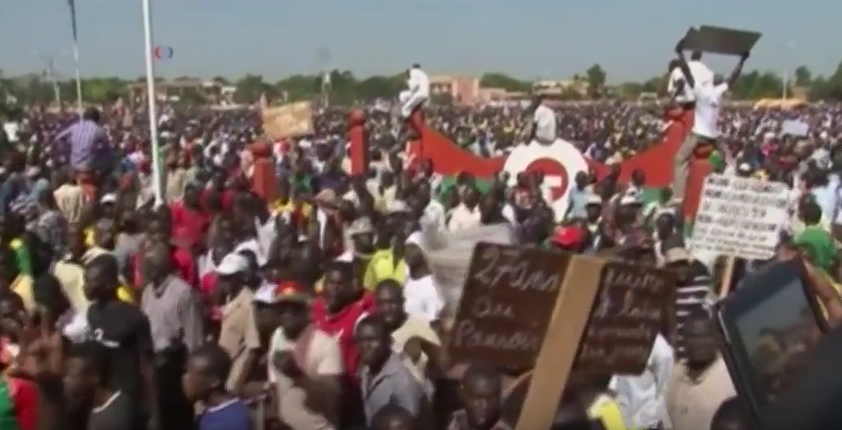
The military coup in Burkina Faso marked the end of President Blaise Compaoré's 27-year rule. The uprising stemmed from public discontent over Compaoré's attempt to extend his presidency through constitutional amendments. On the day of the coup, armed forces seized control of key government buildings and the state broadcaster, declaring a transitional government. The military justified their actions as necessary to protect the constitution and democracy.
Following the coup, mass protests erupted across the country, with citizens celebrating the removal of Compaoré and demanding a civilian-led government. Regional and international bodies condemned the military takeover and called for a speedy return to civilian rule. Amidst this pressure, the military agreed to a transition process, leading to the reinstatement of civilian governance.
The overthrow of Compaoré signified a turning point in Burkina Faso's political landscape, opening up opportunities for democratic reforms and accountability. The event highlighted the power of popular uprisings in shaping political outcomes and emphasized the importance of respecting term limits and constitutional principles. It also underscored the need for inclusive governance and dialogue to address grievances and build a stable and prosperous future for the country.
#BurkinaFaso #MilitaryCoup #TransitionToDemocracy #EndOfAnEra #PopularUprising
Primary Reference
Power struggle in Burkina Faso after Blaise Compaoré resigns as ...

Explore the Life Moments of
 AI Twin