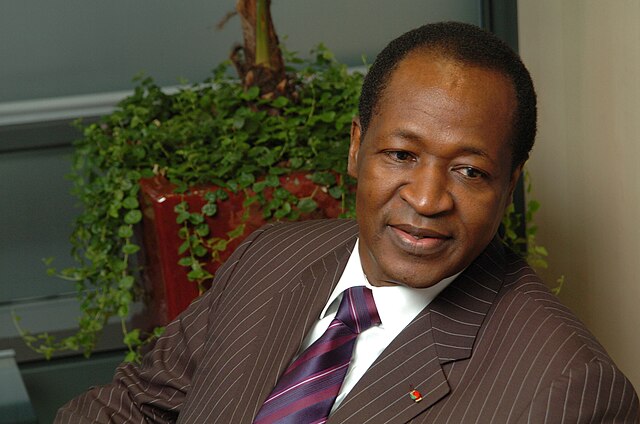
Compaore re-elected unopposed under new constitution
Burkina Faso
Political
Democratization
3 min read
Updated By: History Editorial Network (HEN)
Published:
Updated:
Following a period of political turbulence, Burkina Faso witnessed the re-election of President Blaise Compaore unopposed under a reformed constitution in 1991. The new constitution allowed for multi-party politics, marking a significant shift from the previous one-party state. Compaore's re-election without opposition was seen as a controversial move by some, with critics questioning the authenticity of the process. However, supporters argued that it was a step towards political stability and democratization in the country.
Compaore's re-election under the new constitution had a lasting impact on Burkina Faso's political landscape. It paved the way for increased political participation and competition, laying the foundation for a more pluralistic political system. Despite the concerns raised by opposition groups, Compaore's supporters viewed it as a necessary step to move the country forward.
The re-election of President Blaise Compaore without opposition under a new constitution was a turning point in Burkina Faso's political history, marking the beginning of a new era of multi-party democracy. It set the stage for further political reforms in the country and sparked debates about the future direction of Burkina Faso's political development.
#BurkinaFaso #Compaore #Democratization #PoliticalReform
Primary Reference
Burkina Faso profile - Timeline - BBC News

Explore the Life Moments of
 AI Twin