
Haiti

The Resilient Spirit of Haiti
About
#Haiti
#Caribbean
#Culture
Life Classification
Country
Life ID
EL1970160588494
Verified Name
haiti
Life Type
Entity Life
Life Editor(s)
History Editorial Network (HEN)
Life Privacy
Public
Subscription
Elite
Created On
2024-08-09
Updated On
2025-12-19
Connect
Related Lives
Croatia
Land of a Thousand Islands

Russia–United States relations
History of Diplomatic Relationship

Indonesia
The Emerald of the Equator

Ukraine
The Heart of Eastern Europe

Netherlands
The Land of Tulips and Windmills

Botswana
The Heart of Southern Africa

Bosnia and Herzegovina
The Land of Golden Lilies

Mauritius
Island Rythms

2026
On 07/02/2026, Haiti’s Transitional Presidential Council (Conseil Présidentiel de Transition, CPT) was officially dissolved after its two-year mandate expired without the successful organization of national elections, transferring full executive authority to Prime Minister Alix Didier Fils-Aimé. The nine-member council, established in April 2024 to stabilize governance following prolonged political instability, reached its term limit amid continued security and institutional challenges.
The formal handover ceremony took place at the Villa d’Accueil in Port-au-Prince under heightened security. Council President Laurent Saint-Cyr presided over the proceedings and formally transferred authority to Fils-Aimé. The event marked the end of the CPT’s temporary governance framework, which had been tasked with guiding the country toward elections and restoring constitutional order.
Following the dissolution, Prime Minister Alix Didier Fils-Aimé chaired an extraordinary meeting of the Council of Ministers. During that session, a decree was adopted placing executive power under the authority of the Council of Ministers to ensure institutional continuity in the absence of an elected president. Under this arrangement, Fils-Aimé now serves as the country’s sole central governing authority, overseeing executive functions while coordinating with ministerial departments.
The Transitional Presidential Council had been created in April 2024 as part of a negotiated framework involving Haitian political actors and regional mediators. Its mandate included preparing conditions for free and credible elections, strengthening state institutions, and addressing escalating insecurity. However, elections were not held within the two-year timeframe, and the council’s mandate expired without renewal.
The transition occurred against a backdrop of political infighting within the CPT. In late January 2026, several council members reportedly attempted to remove Fils-Aimé from office. The move was publicly criticized by the United States, which subsequently revoked visas for four council members involved in the dispute. U.S. officials characterized the action as a response to efforts perceived as undermining stability during the transitional period.
Shortly before the council’s dissolution, the United States deployed a naval warship and Coast Guard vessels to waters near Port-au-Prince. The deployment was described as a precautionary measure aimed at deterring unrest and safeguarding diplomatic personnel. Regional organizations including Caribbean Community (CARICOM) and the Organization of American States (OAS) publicly recognized Fils-Aimé’s interim leadership following the power transfer. Statements from international partners emphasized the importance of institutional continuity and preparation for elections.
Haiti continues to face severe security and humanitarian challenges. Armed gangs are estimated to control approximately 90% of Port-au-Prince, affecting transportation routes, fuel distribution, food supply chains, and access to medical services. Displacement within the capital and surrounding regions has increased as residents flee violence. The United Nations and humanitarian organizations have reported shortages of essential supplies and strained public services.
Fils-Aimé’s administration has indicated that organizing general elections remains a priority, with August 2026 mentioned as a tentative target. However, logistical and security conditions present significant obstacles to voter registration, polling station security, and candidate participation. The Council of Ministers is expected to oversee preparations, including coordination with electoral authorities and international partners.
The events of 07/02/2026 represent another transition point in Haiti’s prolonged political crisis, as executive authority consolidates under the prime minister’s office pending the organization of national elections.
View details2025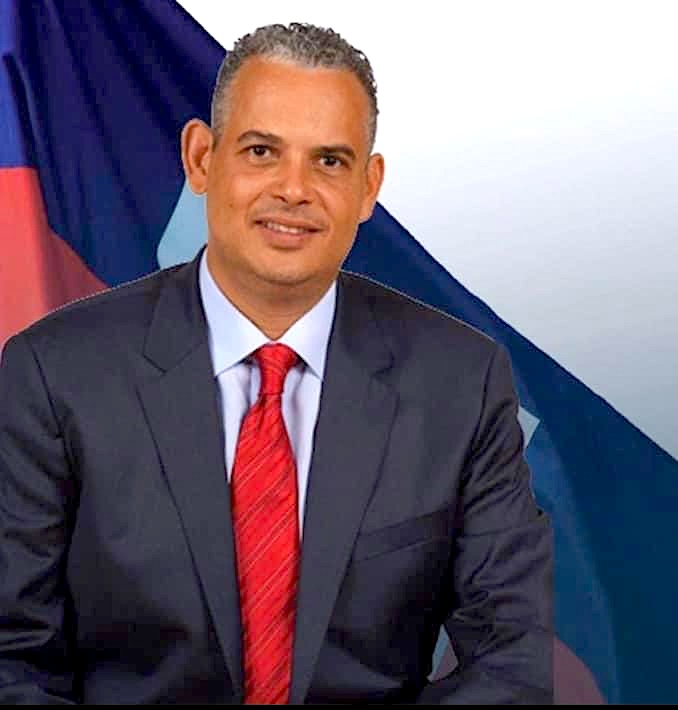
Haiti’s Transitional Council has dismissed Prime Minister Garry Conille and appointed Alix Didier Fils-Aimé as his successor, marking a significant change in the country’s executive leadership amid ongoing political instability. The decision followed deliberations within the Transitional Council, which is tasked with managing governance during a period of uncertainty and preparing the country for eventual stabilization. Conille’s dismissal reflected both political disagreements and the need for renewed leadership to address pressing national challenges, including security concerns, economic instability, and public service delivery. Fils-Aimé, an experienced administrator and political figure, was named to assume the responsibilities of leading the government and coordinating policy implementation during this transitional period.
The appointment carries considerable political and social significance. For Haiti, it represents an effort to restore confidence in governance structures and provide continuity of public administration in a fragile political environment. The new prime minister faces the challenge of managing urgent issues such as social unrest, humanitarian needs, and economic recovery, while navigating the complex dynamics of Haitian politics. International observers have emphasized the importance of inclusive governance, transparency, and adherence to constitutional processes during the transition. Overall, the dismissal of Garry Conille and appointment of Alix Didier Fils-Aimé underscores the country’s ongoing struggle for political stability and the critical role of leadership in guiding Haiti through a period of uncertainty.
View details2024
In 2024, gang violence in Haiti reached alarming levels, resulting in a mass exodus of tens of thousands of residents from the capital city, Port-au-Prince. The escalating violence created a humanitarian crisis as families fled their homes in search of safety and stability.
The roots of the violence lay in a combination of factors, including socioeconomic disparities, political instability, and the proliferation of armed gangs. The gangs were vying for control of territory, resources, and power, leading to widespread fear and insecurity among the population.
As the situation deteriorated, many residents of Port-au-Prince found themselves caught in the crossfire, with innocent civilians becoming targets of gang violence. The lack of effective law enforcement and government intervention only served to exacerbate the crisis, leaving many feeling helpless and vulnerable.
The mass exodus from Port-au-Prince strained resources and infrastructure in other parts of the country, as displaced families sought refuge with relatives or in makeshift shelters. Humanitarian organizations worked tirelessly to provide aid and assistance to those in need, but the sheer scale of the crisis presented significant challenges.
The ongoing gang violence and resulting humanitarian crisis highlighted the urgent need for a coordinated and comprehensive approach to addressing insecurity and instability in Haiti. Without meaningful intervention and efforts to address the root causes of the violence, the situation threatened to spiral further out of control, leaving the most vulnerable populations at risk.
#HaitiCrisis #GangViolence #HumanitarianEmergency #PortauPrinceFleeing #InsecurityHaiti
View detailsPrime Minister Ariel Henry's tenure in Haiti came to an abrupt end with his resignation after mounting political pressure and public dissatisfaction. This transition marked another shift in the island nation's turbulent political landscape. The formation of the Transitional Presidential Council, composed of a group of senior political figures and experts, signaled an effort to stabilize the government and address the socio-economic crises facing Haiti.
Haiti has long been plagued by political instability, with frequent changes in leadership and ongoing struggles with corruption, poverty, and gang violence. Reports indicate that over 60% of the population lives below the poverty line and the country ranks among the lowest in the Human Development Index globally. These persistent issues have fueled widespread unrest and calls for systemic reform.
The Transitional Presidential Council is tasked with immediate priorities including restoring order, facilitating fair elections, and implementing economic policies aimed at recovery. Preliminary steps involve re-establishing basic public services and bolstering security measures. Experts note that the Council's success will significantly depend on international support and cooperation among various factions within Haiti.
Despite the potential for positive change, skepticism remains high among the population and observers, who cite previous instances of failed transitional governance. The Council must navigate deep-seated issues and build trust to avoid repeating past mistakes.
#HaitiPolitics #TransitionalGovernment #EconomicRecovery #PublicServices #InternationalSupport #MoofLife
View details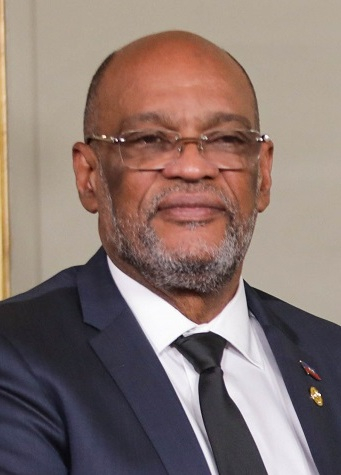
Haitian acting Prime Minister Ariel Henry announced his resignation amid an ongoing crisis facing the nation. Henry, who had been serving in this interim role, cited mounting socio-political unrest and economic challenges as key factors influencing his decision to step down from office. This announcement came during a televised address, where Henry emphasized the urgency for new leadership in navigating Haiti through its complex problems.
Haiti has been grappling with a combination of political instability, severe economic downturns, and escalating gang violence. The country’s economy has suffered significantly, with inflation rates soaring and the national currency experiencing a steep depreciation. Recent data indicated that nearly 60% of the population lives below the poverty line, exacerbating the already dire humanitarian conditions. Amidst this turmoil, public frustration and discontent with the government have risen, leading to increased protests and calls for change.
Henry’s tenure had faced controversy and criticism, as various factions accused the interim government of failing to address the pressing issues effectively. The inability to organize timely elections further aggravated the situation, creating a power vacuum and uncertainty about the political future. Despite international efforts to provide aid, the situation remained volatile, highlighting the need for sustainable solutions and coherent governance.
The impact of Henry's resignation is expected to create further uncertainty. However, many also view it as an opportunity for a fresh start and potential stabilization. The collective hope is that new leadership will foster a more inclusive dialogue, encouraging national and international cooperation to address Haiti’s socio-economic issues and improve the security landscape.
Key statistics indicate that over 50% of schools in metropolitan areas were closed due to safety concerns related to gang violence. Moreover, health services are strained, with hospitals facing shortages of essential medical supplies. The international community continues to express concern, with various organizations calling for expedited and transparent election processes and stronger measures to combat the humanitarian crisis.
Moving forward, the focus remains on how Haiti will manage this transition and whether new governance structures will bring the much-needed stability and development. The global fraternity watches closely, hoping for pragmatic solutions to emerge from this pivotal moment in Haiti’s history.
#HaitiCrisis #PoliticalChange #EconomicChallenges #PublicSafety #GlobalResponse #MoofLife
View detailsHaitian authorities declared a state of emergency following an escalation in gang violence that led to coordinated assaults on multiple prison facilities across the country. The attacks resulted in the liberation of hundreds of inmates, further destabilizing an already fragile security situation. These actions were spearheaded by heavily armed gang groups who demanded the resignation of Prime Minister Ariel Henry.
The unrest underscores the deteriorating law and order in Haiti, exacerbated by chronic political instability and economic deprivation. A significant proportion of the nearly 11 million population lives in poverty, struggling with high unemployment rates and limited access to basic services. Urban areas, particularly the capital, Port-au-Prince, have been plagued with gang violence for years, which has intensified in recent times, often linked to political power struggles.
Data from the Haitian National Police indicates that the number of recorded gang-related violent incidents surged by over 30% in the last six months. The mass prison break has significantly worsened conditions as it released many hardened criminals back into society. The disruption comes on top of ongoing humanitarian issues, including displacement due to violence, public health crises, and frequent natural disasters.
The international community has expressed grave concerns over the developments. Regions impacted by the unrest have received emergency humanitarian aid, and there have been calls for strengthened international support to restore order and provide assistance to the affected population. The Prime Minister, while addressing the crisis, called for calm and denounced the gangs’ actions. He emphasized the need for unity in the face of the nation's challenges and appealed to international allies and organizations for urgent intervention.
As Haiti grapples with this latest crisis, the situation remains volatile with significant implications for regional security and humanitarian conditions.
#HaitiUnrest #StateOfEmergency #GangViolence #PoliticalInstability #SecurityCrisis #MoofLife
View details2023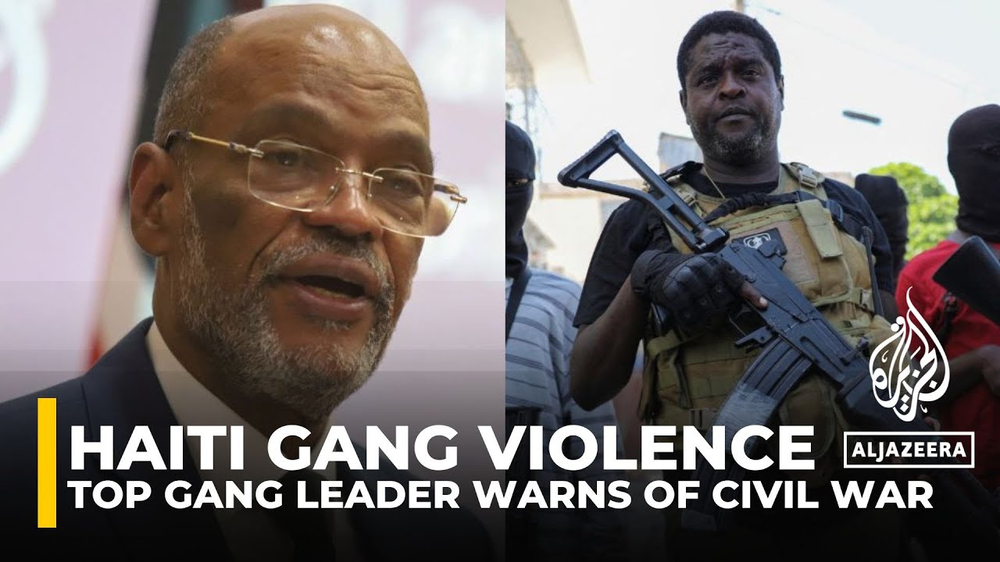
Prime Minister Ariel Henry's escape to Puerto Rico after gang leader Jimmy Chérizier, also known as Barbecue, initiated hostilities against him marked a critical turn in Haiti's political landscape. Chérizier, a former police officer, had accused Henry's administration of corruption and incompetence, calling for a national uprising. This confrontation between the government and powerful gangs highlighted the deep-rooted issues of crime, corruption, and instability plaguing Haiti.
The sudden departure of Prime Minister Henry underscored the fragility of the country's leadership and exposed the growing influence of armed groups in Haitian politics. As Henry sought refuge in Puerto Rico, uncertainty gripped the nation, with questions arising about who would assume leadership and how the ongoing crisis would be resolved. The power struggle between the government and criminal elements threatened to escalate into wider violence, further jeopardizing the safety and well-being of Haitian citizens.
The conflict between Prime Minister Ariel Henry and Jimmy Chérizier reflected broader challenges facing Haiti, including the pervasiveness of gang violence and the struggle to establish effective governance. The standoff between the government and a prominent gang leader signified a breakdown in law and order, exacerbating the suffering of an already vulnerable population.
The events surrounding Prime Minister Ariel Henry's flight to Puerto Rico after being targeted by Jimmy Chérizier highlighted the complex web of political, social, and security issues gripping Haiti. The incident served as a stark reminder of the urgent need for stability, accountability, and reform in the country.
#HaitiCrisis #GangViolence #PoliticalInstability #LeadershipCrisis
View details2021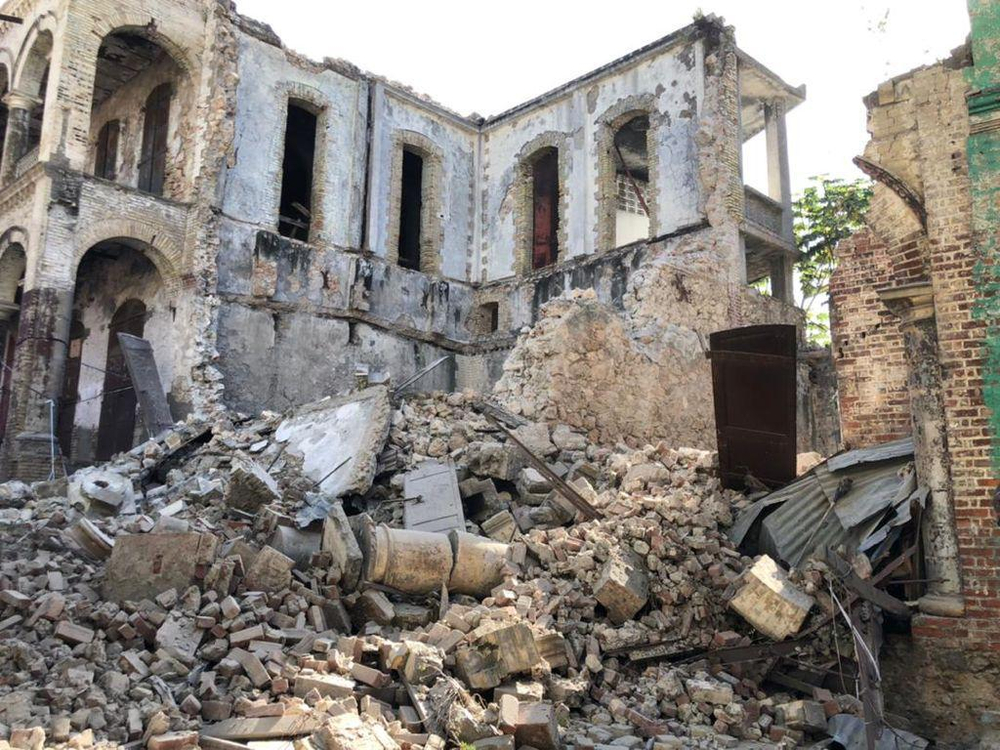
In Haiti, an earthquake struck, resulting in extensive damage across the country. The seismic event had a magnitude of 7.2, leading to buildings collapsing, roads splitting, and widespread devastation in various regions. The affected areas, such as the southern peninsula, experienced the most significant impact, with many communities left in ruins.
The earthquake caused a significant loss of life, with hundreds of fatalities reported and many more individuals injured. The country's infrastructure suffered severe destruction, hindering rescue and relief efforts. The disaster also left thousands of people displaced, seeking shelter and aid in the aftermath.
International organizations and neighboring countries swiftly mobilized to provide assistance to Haiti. Rescue teams, medical personnel, and humanitarian aid were dispatched to the affected areas to support the local authorities in their response to the crisis. The urgent focus was on search and rescue operations, medical care for the injured, and distributing essential supplies to those impacted by the disaster.
The earthquake in Haiti serves as a stark reminder of the country's vulnerability to natural disasters and the urgent need for resilient infrastructure and disaster preparedness measures. The long road to recovery and reconstruction lies ahead for the nation as it works to rebuild homes, restore services, and support those affected by the tragedy.
#Haiti #Earthquake #DisasterResponse #HumanitarianAid
View detailsHaitian President Jovenel Moïse was assassinated at his residence, creating a power vacuum and intensifying the political turmoil in Haiti. Moïse had been facing widespread protests and accusations of corruption, exacerbating the existing social and economic challenges in the country. His assassination plunged Haiti into further uncertainty, with questions arising about the continuity of governance and potential for increased violence.
The impact of Moïse's assassination was felt both domestically and internationally, with neighboring countries expressing concern over the destabilization in Haiti. The incident raised fears of escalating unrest and added pressure on the already struggling government to restore order and legitimacy. The power vacuum left by Moïse's death left the country vulnerable to potential power struggles and further political turmoil.
In the aftermath of the assassination, interim Prime Minister Claude Joseph declared a state of siege, giving the government expanded powers to restore public order. However, the situation remained volatile, with conflicting reports and speculations adding to the confusion surrounding the event. The international community called for calm and urged for a peaceful resolution to the crisis, emphasizing the need for stability and democratic processes to be upheld in Haiti.
The assassination of President Jovenel Moïse marked a turning point in Haiti's turbulent political landscape, with far-reaching implications for the country's future. As Haiti grappled with the aftermath of the tragic event, efforts to ensure a peaceful transition of power and address the underlying issues plaguing the nation became paramount.
#Haiti #JovenelMoïse #Assassination #PoliticalUnrest #PowerVacuum
View details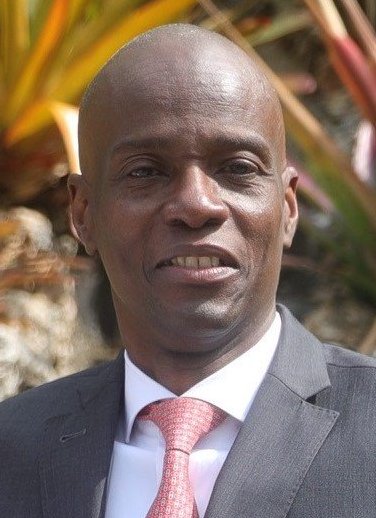
2020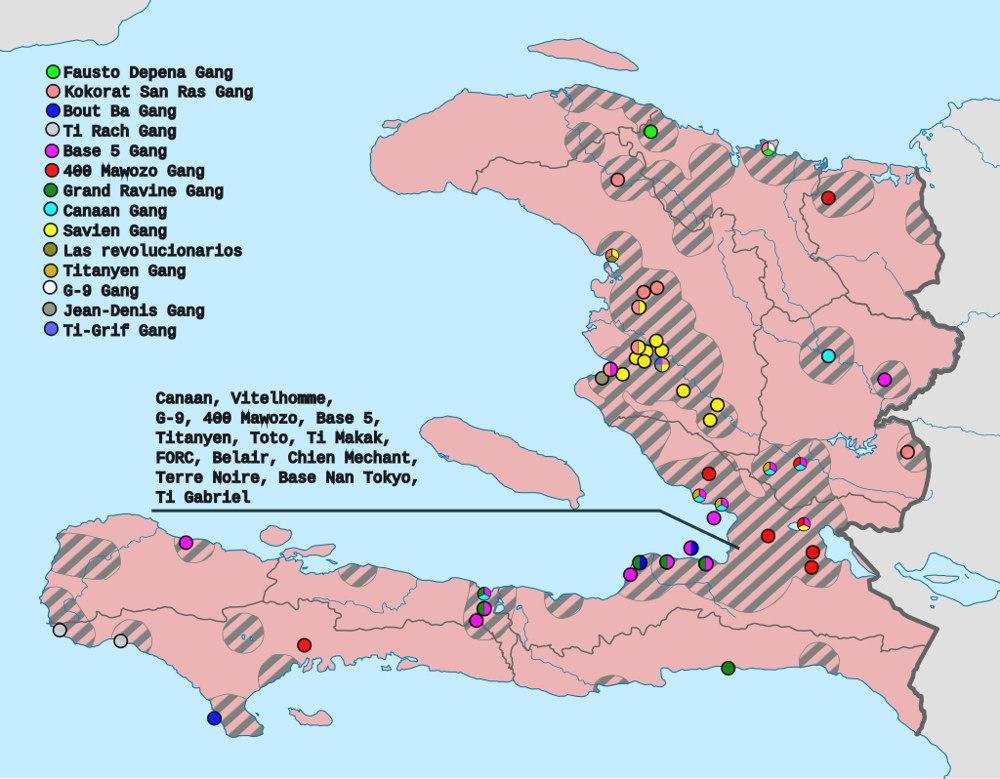
In Haiti, a violent gang war erupted between rival groups, causing chaos and fear among the local population. The ongoing conflict was driven by territorial disputes, control over illicit activities, and power struggles within the criminal underworld. The gangs involved were known for their ruthless tactics, including extortion, drug trafficking, and violence.
The impact of the gang war was devastating, with innocent civilians caught in the crossfire. Reports emerged of rampant shootings, looting, and arson attacks, leading to casualties and widespread destruction. The violence also disrupted local businesses, schools, and hospitals, further exacerbating the already precarious situation in the region.
Security forces were deployed to restore order and quell the escalating violence, but their efforts were met with fierce resistance from the well-armed and organized gangs. The authorities struggled to contain the situation, facing challenges such as limited resources, corruption, and internal divisions.
The gang war in Haiti underscored the deep-rooted issues of poverty, inequality, and weak governance that have plagued the country for decades. It also highlighted the complex dynamics of criminal networks and the urgent need for sustainable solutions to address the underlying causes of violence and insecurity.
As the situation continued to unfold, the international community expressed concern and called for a peaceful resolution to the conflict. Humanitarian organizations mobilized to provide aid and support to those affected by the violence, while diplomats and policymakers worked towards diplomatic efforts to facilitate dialogue and mediation between the warring factions.
#HaitiCrisis #GangViolence #SecurityChallenge
View details2016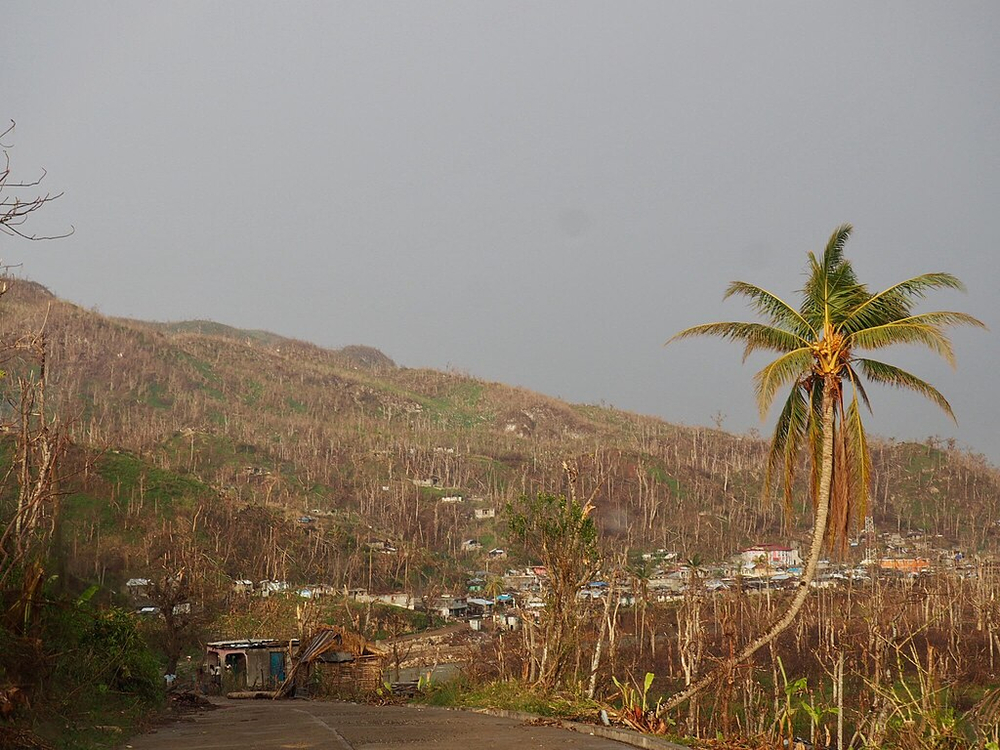
Hurricane Matthew struck Haiti as a fierce Category 4 storm, leaving behind a trail of devastating destruction and numerous casualties. The impoverished nation, still recovering from the 2010 earthquake, was ill-prepared for the scale of the disaster. With wind speeds reaching over 145 mph, the storm unleashed its full force on the vulnerable island nation.
Haiti, one of the poorest countries in the Western Hemisphere, lacks the infrastructure and resources to withstand such a powerful natural disaster. The hurricane caused widespread flooding, landslides, and destruction of homes, leaving thousands of people homeless and in urgent need of assistance. The already fragile healthcare system was overwhelmed, and the lack of access to clean water and sanitation posed a severe threat of disease outbreak.
The impact of Hurricane Matthew on Haiti was catastrophic, with the death toll rising rapidly in the days following the storm. The destruction of crops and livestock further exacerbated the situation, pushing the already struggling population deeper into food insecurity and poverty. The road to recovery for Haiti seemed long and arduous, with international aid and support pouring in to assist with relief efforts.
The resilience of the Haitian people shone through amidst the devastation, as communities came together to support each other in the face of adversity. The rebuilding process would be slow, but with the strength and determination of its people, Haiti would eventually begin to recover and rebuild what was lost.
#HurricaneMatthew #HaitiStrong #NaturalDisaster #RecoveryEfforts
View details2011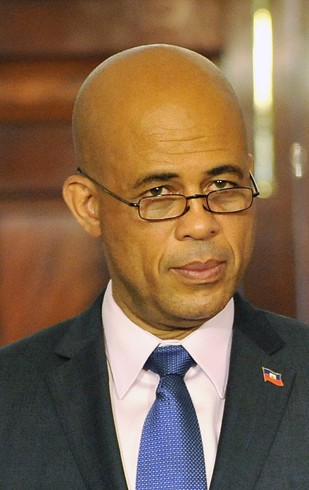
In a historic runoff election, Michel Martelly emerged victorious, securing the presidency of Haiti. Known as a popular musician, Martelly defeated his opponent with his platform of change and promise to bring stability and progress to the country.
The election came at a crucial time for Haiti, which was still recovering from a devastating earthquake that had struck the nation a year earlier. The people were looking for a leader who could lead them out of the aftermath and towards a brighter future. Martelly's election brought hope and a renewed sense of optimism to the nation.
During his presidency, Martelly focused on rebuilding the country's infrastructure, improving healthcare and education systems, and attracting foreign investment to stimulate the economy. His efforts were aimed at bringing long-lasting change and progress to Haiti, lifting the nation out of poverty and political turmoil.
Martelly's presidency was not without challenges, as he faced criticism and opposition from various political factions. However, he remained determined to bring about positive change and stood firm in his commitment to the Haitian people.
In the end, Michel Martelly's election marked a new chapter in Haiti's history, symbolizing a fresh start and a step towards a better future for the nation. His presidency left a lasting impact on the country, shaping its politics and society for years to come.
#MichelMartelly #HaitiElection #RebuildingHaiti #HopeForTheFuture
View details2010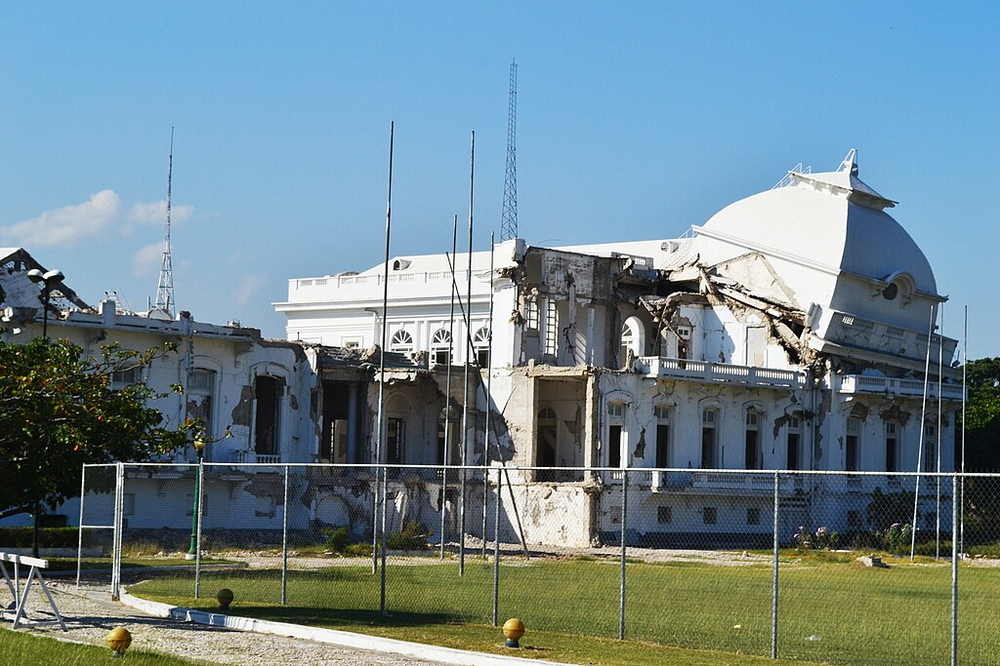
In Haiti, a catastrophic earthquake struck, resulting in the loss of over 200,000 lives and displacing millions from their homes. The seismic event, with a magnitude of 7.0, caused widespread devastation in the capital city, Port-au-Prince, and surrounding areas.
Haiti, a country already grappling with poverty and political instability, was ill-prepared for the disaster. The earthquake left crucial infrastructure in ruins, including hospitals, schools, and government buildings. The lack of emergency response mechanisms further exacerbated the humanitarian crisis.
The impact of the earthquake was profound, with many families losing their loved ones and livelihoods in an instant. Access to basic necessities such as clean water, food, and shelter became scarce, leading to a widespread sense of desperation among the affected population. Aid efforts from the international community were mobilized swiftly, but logistical challenges hindered the distribution of much-needed resources.
In the aftermath of the earthquake, Haiti faced a long and arduous road to recovery. Reconstruction efforts were met with numerous challenges, including corruption, bureaucratic inefficiencies, and a lack of coordination among aid organizations. The mental and emotional toll on survivors, particularly children who were orphaned or separated from their families, was immense.
The resilience of the Haitian people shone through as communities came together to support one another in the face of immense adversity. The rebuilding process was slow but steady, with a focus on creating more resilient infrastructure to withstand future disasters.
#HaitiEarthquake #HumanitarianCrisis #RebuildingHope #InternationalAid #ResilientCommunities
View details2004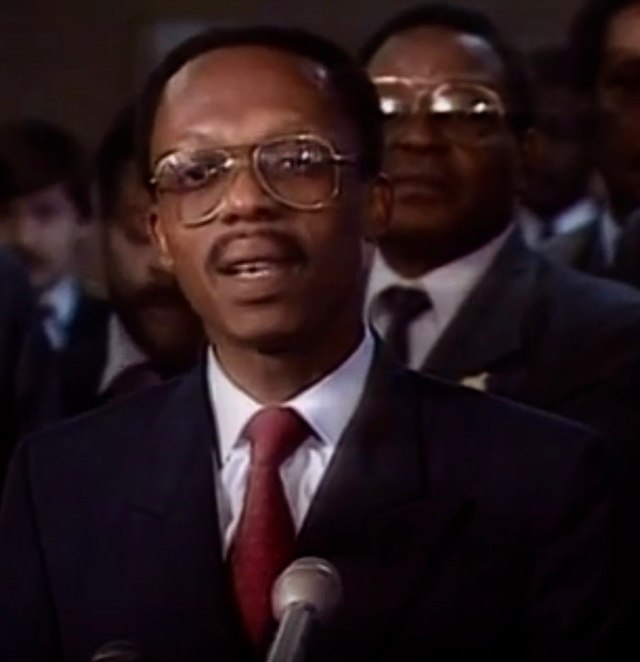
President Jean-Bertrand Aristide was ousted from power for the second time amidst violent unrest in Haiti. His return to power in 1994, after his first ousting in the early 1990s, was marked by political turmoil, corruption allegations, and economic instability. Aristide's presidency was challenged by opposition groups, accusations of human rights abuses, and a struggling economy, leading to widespread dissatisfaction among the population.
The violent unrest that accompanied Aristide's second ousting highlighted the deep social and political divisions within Haiti. Armed gangs took control of the streets, looting and setting buildings on fire, while clashes between government forces and rebel groups escalated the chaos. The international community closely monitored the situation, expressing concern over the deteriorating security and humanitarian crisis unfolding in the country.
Aristide's departure had far-reaching consequences for Haiti. The power vacuum left in the wake of his ousting further destabilized the already fragile political landscape, paving the way for subsequent power struggles and a series of short-lived governments. The economy suffered from the ongoing unrest, exacerbating poverty and unemployment levels, with many citizens struggling to meet their basic needs.
The events surrounding Aristide's second ousting underscored the challenges faced by Haiti in achieving long-term stability and development. The country's history of political turmoil, corruption, and violence continued to hinder progress towards building a more prosperous and inclusive society. Efforts to promote democratic governance and economic growth faced significant obstacles in the aftermath of the crisis.
The ousting of President Jean-Bertrand Aristide for the second time in Haiti highlighted the persistent issues of political instability, violence, and economic hardship facing the country. As Haiti grappled with the aftermath of the crisis, the road to recovery and sustainable development remained fraught with challenges. #Haiti #PoliticalUnrest #EconomicInstability #DemocracyStruggles
View details1990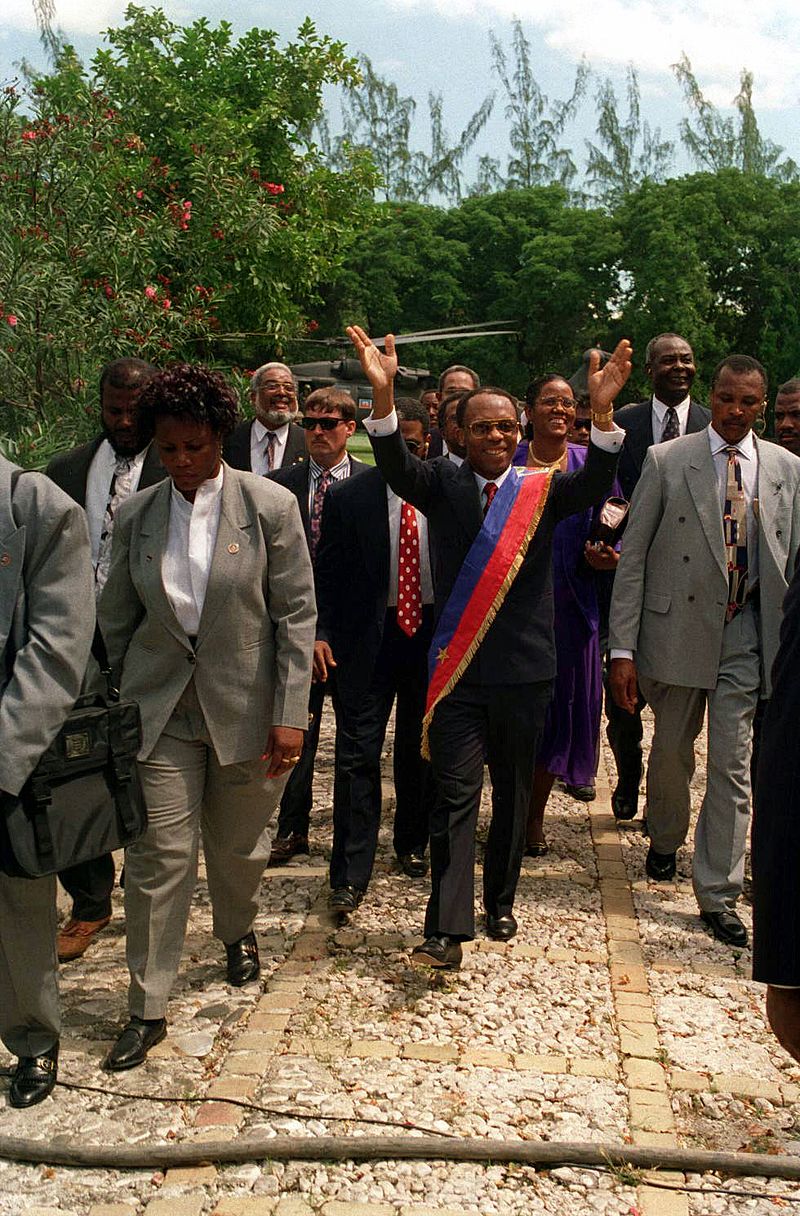
Jean-Bertrand Aristide, a former Roman Catholic priest, emerged as a symbol of hope for the Haitian people during a landmark election. The country, long plagued by political instability and corruption, saw Aristide win the presidency by a significant margin. This marked the first time in Haiti's history that a leader was democratically elected by popular vote.
Riding on a wave of support from the impoverished masses, Aristide campaigned on a platform of social justice and equality. His fiery speeches and advocacy for the marginalized struck a chord with the disenfranchised population. The election was seen as a turning point for Haiti, a chance to break away from the cycle of authoritarian rule and bring about much-needed change.
Aristide's victory was met with widespread celebrations across the country. The Haitian people, long oppressed by dictators and military juntas, now had a leader who promised to champion their cause. However, his reforms and confrontations with vested interests in the country soon led to tensions and opposition from various quarters.
The impact of Aristide's presidency was profound. He made strides in healthcare, education, and human rights, particularly focusing on the needs of the poor. However, his tenure was marked by challenges, including coups, exile, and eventual return to power. Aristide's legacy remains a complex mix of adoration and controversy in Haiti's history.
The election of Jean-Bertrand Aristide as Haiti's first democratically elected president marked a pivotal moment in the country's political landscape. It represented the aspirations of a people yearning for change and a brighter future. Despite the challenges and controversies that followed, Aristide's presidency remains a key chapter in Haiti's quest for democracy and social justice.
#JeanBertrandAristide #HaitiElection #DemocracyWins #SocialJustice #HaitianHistory
View details1987
During the Haitian presidential election, 1987, widespread violence erupted resulting in a massacre of voters. The election process was marred by intimidation tactics and election-day violence orchestrated by forces opposed to the democratic process. The violence culminated in the deaths of numerous voters at polling stations throughout the country. Due to the chaos and bloodshed, the elections were swiftly suspended, and the Provisional Electoral Council (CEP) was dissolved by General Henri Namphy, the military leader of Haiti at that time.
The massacre of voters during the 1987 Haitian presidential election had a profound impact on the country's political landscape. It exposed the fragility of Haiti's democratic institutions and highlighted the deep-rooted issues of political corruption and violence that plagued the nation. The suspension of the election and dissolution of the CEP further destabilized an already volatile political situation, leading to increased tensions between rival factions vying for power.
In the aftermath of the massacre, Haiti plunged into a period of political uncertainty and upheaval. General Namphy's actions were met with widespread condemnation both domestically and internationally, further isolating the Haitian government on the global stage. The events of the 1987 presidential election served as a stark reminder of the challenges facing Haiti as it struggled to establish a stable and functioning democracy.
The massacre of voters during the 1987 Haitian presidential election underscored the importance of upholding democratic principles and respecting the will of the people. It also highlighted the need for strong and transparent electoral processes to prevent future incidents of violence and ensure the peaceful transfer of power. As Haiti grappled with the fallout from the massacre, the country was once again forced to confront its turbulent history of political turmoil and instability.
#Haiti #PresidentialElection #Massacre #PoliticalViolence
View details1986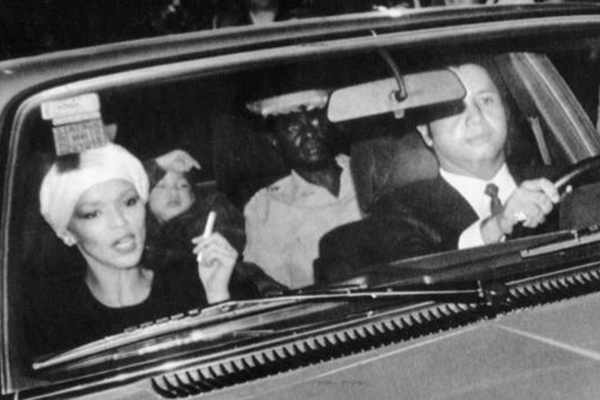
Amid growing protests and mounting international pressure, Baby Doc {Jean-Claude Duvalier}, the deposed leader of Haiti, fled the country. Duvalier had succeeded his father as president at the age of 19 and ruled with an iron fist for 15 years, known for his brutal regime and widespread corruption.
Protests against Duvalier's oppressive rule had been ongoing, fueled by economic hardships, human rights abuses, and political oppression. The international community had also been increasing pressure on Duvalier to step down and leave the country to allow for a transition to a more democratic government.
As the protests intensified and his grip on power weakened, Duvalier finally decided to flee Haiti, seeking exile in France. His departure marked the end of decades of Duvalier family rule in Haiti, which had begun with his father, Francois Duvalier, known as Papa Doc.
The departure of Baby Doc Duvalier created a power vacuum in Haiti, leading to a period of political instability and uncertainty. However, it also opened the door for a transition towards a more democratic form of governance in the country.
The events surrounding Baby Doc Duvalier's flight from Haiti underscored the power of popular resistance and international pressure in bringing about political change. They also highlighted the challenges faced by countries transitioning from authoritarian rule to democracy.
#BabyDoc #JeanClaudeDuvalier #Haiti #Protests #PoliticalChange #Democracy
View details1964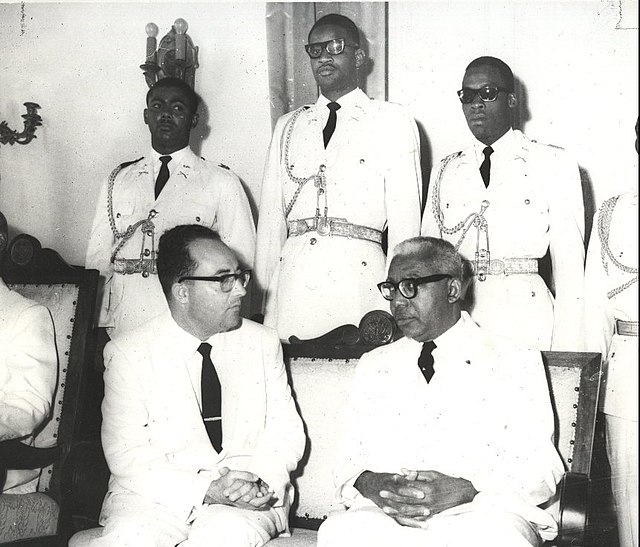
Following years of political instability in Haiti, the National Assembly made a pivotal decision by voting to accept the Duvalieriste Constitution. This move solidified Francois Duvalier's position as the President for Life of Haiti, granting him unprecedented power and control over the country.
The roots of this event trace back to 1957 when Francois Duvalier, also known as 'Papa Doc,' rose to power in a highly contested election. Duvalier's regime was marked by authoritarian rule, political repression, and the establishment of a ruthless paramilitary force known as the Tonton Macoutes. By the time the National Assembly voted in favor of the Duvalieriste Constitution, Duvalier had already consolidated his grip on power through fear and intimidation.
Accepting the Duvalieriste Constitution was a significant turning point in Haitian history, as it legitimized Duvalier's authoritarian rule and effectively made him the de facto ruler of Haiti for life. The constitution granted Duvalier unchecked power, allowing him to rule by decree and suppress any form of dissent.
The impact of this decision was profound and far-reaching. Duvalier's regime became synonymous with human rights abuses, political persecution, and economic mismanagement. The widespread corruption and repression under his rule led to a mass exodus of Haitians seeking refuge abroad, further exacerbating the country's social and economic problems.
The acceptance of the Duvalieriste Constitution marked a dark chapter in Haiti's history, symbolizing the erosion of democratic principles and the consolidation of power in the hands of a dictator. The reverberations of this event would be felt for decades to come, shaping the political landscape of Haiti and leaving a legacy of tyranny and oppression.
#Duvalier #Haiti #Authoritarianism #PoliticalRepression #Dictatorship
View details1957
On October 22, 1957, Dr. François Duvalier, better known as "Papa Doc," was elected President of Haiti, a momentous event that marked the beginning of one of the most infamous and repressive regimes in Haitian history. Duvalier's presidency would usher in a period of intense political repression, human rights abuses, and profound socio-political changes that would leave a lasting impact on the nation.
Background
François Duvalier was born on April 14, 1907, in Port-au-Prince, Haiti. Trained as a physician, he earned his nickname "Papa Doc" due to his medical background and efforts in public health, particularly his work in combating diseases such as typhus and yaws. Duvalier became a prominent figure in Haitian politics during the 1940s and 1950s, aligning himself with the nationalist and noirist (black nationalist) movements that sought to challenge the power of the light-skinned elite (mulatto) that had long dominated Haitian politics and society.
Path to Power
Haiti in the mid-20th century was characterized by political instability, economic challenges, and deep social divisions. The departure of President Paul Magloire in 1956 led to a period of political chaos, with multiple short-lived governments. In this turbulent context, Duvalier emerged as a candidate who promised stability and social reform, appealing to the black majority by emphasizing his commitment to empowering them and reducing the influence of the mulatto elite.
Duvalier's campaign rhetoric resonated with many Haitians, and on October 22, 1957, he was elected president in a process marred by violence and accusations of fraud. His victory was seen by many as a triumph for the black nationalist movement, but it would soon become clear that Duvalier's presidency would be marked by authoritarian rule and brutal repression.
Duvalier's Regime
Once in power, Duvalier quickly moved to consolidate his authority. He established a personalist dictatorship, dismantling democratic institutions and creating a regime that revolved around his cult of personality. Key aspects of Duvalier's rule included:
Repression and Terror: Duvalier created a paramilitary force known as the Tonton Macoutes (officially the Milice de Volontaires de la Sécurité Nationale), which became notorious for its brutal methods and widespread human rights abuses. The Tonton Macoutes terrorized the population, targeting political opponents, dissidents, and anyone perceived as a threat to Duvalier's rule.
Cult of Personality: Duvalier cultivated an image of himself as the savior of the Haitian people, blending political power with voodoo mysticism. He often portrayed himself as a figure of supernatural authority, using symbols and rhetoric that tapped into traditional Haitian beliefs to bolster his control.
Economic Mismanagement and Corruption: Under Duvalier, Haiti's economy deteriorated significantly. Corruption was rampant, and much of the country's wealth was siphoned off by Duvalier and his associates. Economic mismanagement led to increased poverty and hardship for the majority of Haitians.
Manipulation of Elections: Duvalier manipulated the political system to ensure his continued hold on power. In 1961, he held a fraudulent election that extended his term, and in 1964, he declared himself "President for Life," solidifying his dictatorship.
Impact on Haiti
Duvalier's rule had a profound and devastating impact on Haiti. His regime was characterized by widespread human rights abuses, including extrajudicial killings, torture, and the suppression of free speech and political opposition. The pervasive climate of fear stifled dissent and led to the exile of many intellectuals, professionals, and opposition figures.
Economically, Haiti suffered under Duvalier's regime. The country's infrastructure deteriorated, and the lack of investment and development initiatives left Haiti one of the poorest nations in the Western Hemisphere. Corruption and cronyism further exacerbated the country's economic woes.
Legacy
François Duvalier's presidency ended with his death on April 21, 1971, but his legacy of repression and mismanagement continued under his son, Jean-Claude "Baby Doc" Duvalier, who succeeded him. The Duvalier dynasty's rule would eventually end in 1986, but the scars left by their dictatorship remain evident in Haiti's ongoing struggles with poverty, political instability, and social division.
Despite the overwhelmingly negative aspects of his rule, Duvalier's rise to power also highlights the deep-seated issues of racial and social inequality in Haitian society. His initial appeal to the black majority and his challenge to the entrenched mulatto elite underscore the complex dynamics of race, class, and power in Haiti.
#MomentsOfLife #MoofLife_Moment #MoofLife #HaitianHistory #PapaDoc #FrançoisDuvalier #Dictatorship #HumanRights #PoliticalRepression #Haiti
View details1950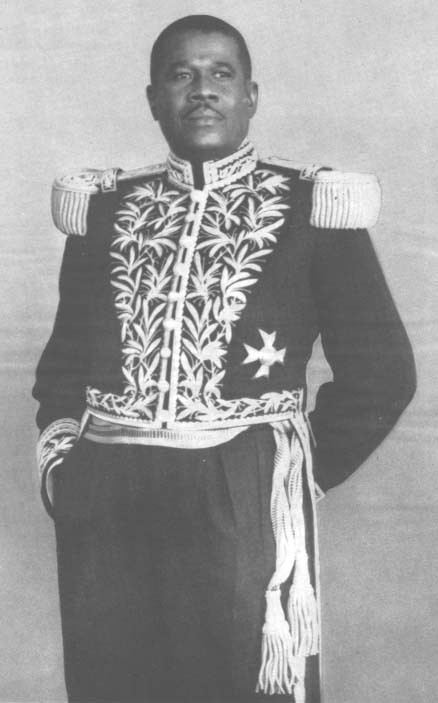
In the presidential and legislative elections in Haiti, Colonel Paul Magloire emerged as the first president elected directly by the people, the Delegates, and the Senators. Magloire's victory marked a significant shift in the political landscape of the country. His election was seen as a step towards democracy and a break from the previous patterns of political instability and military rule.
Colonel Paul Magloire, a former military leader, ran as a candidate advocating for stability and economic development. His victory reflected the people's desire for a leader who could bring about positive change and address the challenges facing the nation.
The elections were held amidst a backdrop of social and economic turmoil in Haiti. Magloire's presidency was seen as a chance to unite the country and implement reforms to improve the living conditions of the population. His administration focused on infrastructure projects, education, and healthcare, aiming to uplift the citizens and boost the economy.
Magloire's tenure as president saw some improvements in the country's infrastructure and social services. However, his presidency was not without challenges, including allegations of corruption and authoritarian tendencies. Despite these criticisms, Magloire's election represented a turning point in Haiti's political history and set the stage for future democratic transitions in the country.
Overall, the election of Colonel Paul Magloire as the first president of Haiti elected directly by the people, the Delegates, and the Senators was a significant moment in the country's journey towards democracy and stability.
#Haiti #Election #ColonelPaulMagloire #Democracy #PoliticalHistory
View details1948
In 2/16/1948, the government-owned tobacco company Régie du Tabac et des Allumettes was established in Haiti. The establishment of this company was a significant milestone for the country's tobacco industry.
Before Régie du Tabac et des Allumettes was founded, the tobacco market in Haiti was mainly dominated by foreign companies. The government saw the need to create a state-owned company to regulate the production, distribution, and sale of tobacco products within the country. This move aimed to boost the local economy and generate revenue for the government.
The establishment of Régie du Tabac et des Allumettes had a positive impact on the Haitian economy. It provided employment opportunities for many locals and helped to stimulate economic growth in the region. The company also played a crucial role in promoting the cultivation of tobacco within the country, further supporting local farmers.
Moreover, by monopolizing the tobacco market, the government was able to control the quality of tobacco products sold in Haiti. This ensures that consumers have access to high-quality products that meet safety standards.
Overall, the founding of Régie du Tabac et des Allumettes marked a turning point in Haiti's tobacco industry. It promoted local production, created job opportunities, and contributed to the growth of the country's economy.
#Haiti #TobaccoIndustry #EconomicGrowth #RégieduTabacetdesAllumettes
View details1944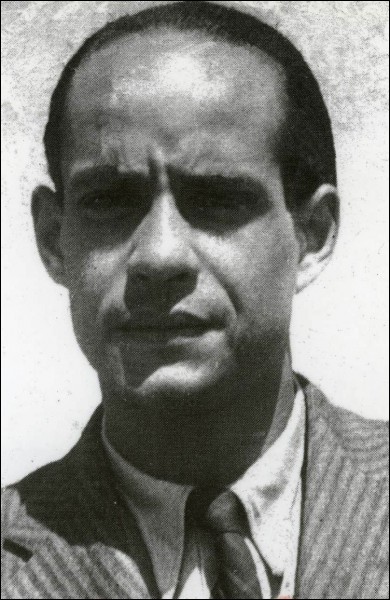
In 1931, Haitian writer Jacques Roumain published his acclaimed novel "Gouverneurs de la Rosée" ("Masters of the Dew"), a landmark in Caribbean literature and a profound exploration of Haitian rural life, social struggles, and the quest for solidarity and justice. This novel, written in French, has been celebrated for its literary merit and its powerful social and political messages.
Background of the Author
Jacques Roumain was born in Port-au-Prince, Haiti, in 1907 into an elite family. Despite his privileged background, Roumain was deeply engaged with the social and political issues of his time. He was a key figure in the Haitian literary and political movements, contributing significantly to the cultural renaissance of Haiti in the early 20th century. Roumain was also an ethnologist, which greatly influenced his understanding and depiction of Haitian culture and the peasantry in his works.
Context and Themes of "Gouverneurs de la Rosée"
"Gouverneurs de la Rosée" was published during a period of great political and social upheaval in Haiti. The country was under the occupation of the United States from 1915 to 1934, which had significant impacts on Haitian society, economy, and politics. The novel reflects these tensions and offers a vision of hope and resistance.
Themes:
Social Injustice and Exploitation: The novel portrays the harsh realities of rural Haitian life, focusing on the struggles of the peasantry who are caught in a cycle of poverty and exploitation. Roumain criticizes the social structures that perpetuate inequality and highlights the need for collective action to bring about change.
Solidarity and Community: A central theme in the novel is the power of solidarity and communal effort. Roumain emphasizes that unity among the oppressed is essential for overcoming adversity and achieving social justice. This is embodied in the protagonist's efforts to bring the community together to solve their water crisis.
Connection to the Land: The novel deeply explores the relationship between the people and the land. It portrays the land not only as a source of sustenance but also as a central element of cultural identity and spiritual life.
Hope and Resistance: Despite the bleak circumstances, the novel is imbued with a sense of hope and resistance. The characters’ struggles are depicted with a sense of dignity and resilience, reflecting Roumain’s belief in the possibility of a better future through collective effort and resistance.
Plot Summary
"Gouverneurs de la Rosée" tells the story of Manuel, a young Haitian man who returns to his village after many years of working in the sugarcane fields of Cuba. He finds his village in a state of despair due to a severe drought and internal conflicts that have fractured the community. Determined to improve the situation, Manuel embarks on a quest to find water and unite the villagers.
Manuel discovers a potential water source and devises a plan to build an irrigation system. However, his efforts are met with resistance from some villagers, exacerbated by longstanding feuds and mistrust. Through his perseverance and leadership, Manuel gradually convinces the community to come together and work collectively for their common good. Tragically, Manuel is killed before he can see his dream fully realized, but his vision and efforts leave a lasting legacy, inspiring the villagers to continue the work he started.
Literary Significance
"Gouverneurs de la Rosée" is celebrated for its rich, poetic language and vivid descriptions of Haitian rural life. Roumain’s use of symbolism and his ability to weave social commentary with personal and communal narratives make the novel a powerful literary work. The novel’s portrayal of the Haitian peasantry is both empathetic and realistic, providing a nuanced perspective on their lives and struggles.
Impact and Legacy
The publication of "Gouverneurs de la Rosée" had a profound impact on Haitian literature and the broader Caribbean literary scene. It brought international attention to Haitian culture and the issues faced by its people. The novel has been translated into multiple languages and remains a staple in the study of Caribbean literature.
Roumain’s work continues to inspire writers, activists, and scholars who seek to understand and address issues of social justice, cultural identity, and the power of community. His portrayal of the resilience and dignity of the Haitian people resonates with readers worldwide, making "Gouverneurs de la Rosée" a timeless piece of literature.
#MomentsOfLife #MoofLife_Moment #MoofLife #JacquesRoumain #HaitianLiterature #GouverneursDeLaRosee #SocialJustice #CaribbeanLiterature #CulturalIdentity #Solidarity
View detailsIn 1944, the Centre d'Art was established in Haiti as an institution dedicated to promoting and showcasing Haitian art. Founded by a group of intellectuals and artists eager to celebrate the country's rich cultural heritage, the Centre d'Art quickly became a hub for creativity and artistic expression.
The Centre aimed to provide a platform for local artists to exhibit their works, fostering a sense of pride and recognition for Haiti's vibrant art scene. Through exhibitions and educational programs, the Centre d'Art played a pivotal role in elevating Haitian art onto the international stage, drawing attention to the unique themes and styles present in the country's artistic production.
One of the most notable contributions of the Centre d'Art was its focus on showcasing the talents of marginalized and underrepresented artists, giving a voice to those who had previously been overlooked. This commitment to inclusivity and diversity helped to broaden the scope of Haitian art, showcasing the rich tapestry of influences and perspectives that make up the country's cultural landscape.
The establishment of the Centre d'Art marked a turning point in the history of Haitian art, providing a much-needed space for artists to gather, collaborate, and exhibit their works. By bringing together creators from diverse backgrounds and disciplines, the Centre d'Art fostered a spirit of innovation and experimentation that continues to influence Haitian art to this day.
Overall, the founding of the Centre d'Art was a watershed moment for Haiti's artistic community, nurturing talent, championing diversity, and shining a spotlight on the country's vibrant cultural heritage.
#HaitianArt #CulturalHeritage #Diversity #ArtisticExpression
View details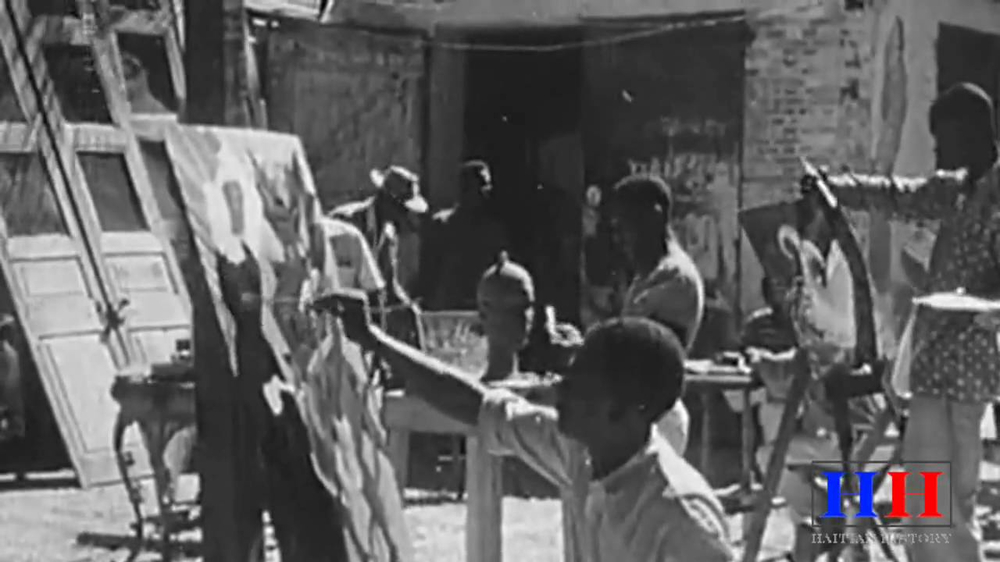
1940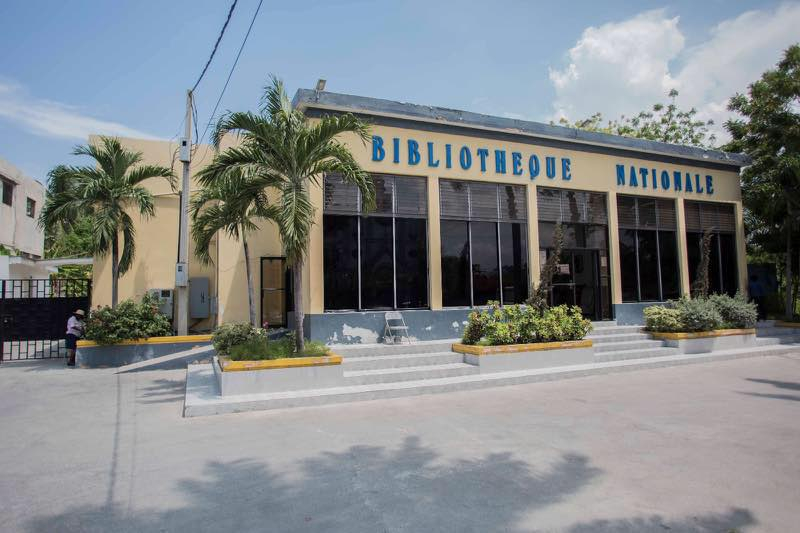
In the 1940s, the Bibliothèque Nationale d'Haïti was established in Haiti, serving as the country's national library. The creation of this institution marked a pivotal moment in Haiti's intellectual and cultural development. Prior to its inception, Haiti lacked a centralized library system, hindering access to diverse sources of information and knowledge.
The national library housed a vast collection of books, documents, and archives that were crucial for researchers, students, and the general public. It became a hub for learning, research, and preservation of Haiti's rich history and heritage. The establishment of the Bibliothèque Nationale d'Haïti played a significant role in promoting literacy, education, and the dissemination of information throughout the country.
With its doors open to all, the national library became a symbol of inclusivity and accessibility, providing resources for individuals from all walks of life. It served as a platform for fostering a sense of community and intellectual discourse among Haitians.
The impact of the Bibliothèque Nationale d'Haïti extended beyond its physical walls, influencing the cultural landscape of the nation. It contributed to the promotion of Haitian literature, arts, and scholarship, elevating the country's profile in the global arena.
Overall, the organization of Haiti's national library in the 1940s was a watershed moment for the country, shaping its intellectual development and cultural identity. The establishment of the Bibliothèque Nationale d'Haïti continues to be a cornerstone of Haiti's educational infrastructure, reflecting its commitment to knowledge dissemination and preservation.
#BibliothèqueNationaledHaïti #HaitianLiterature #CulturalDevelopment #EducationAccess
View details1937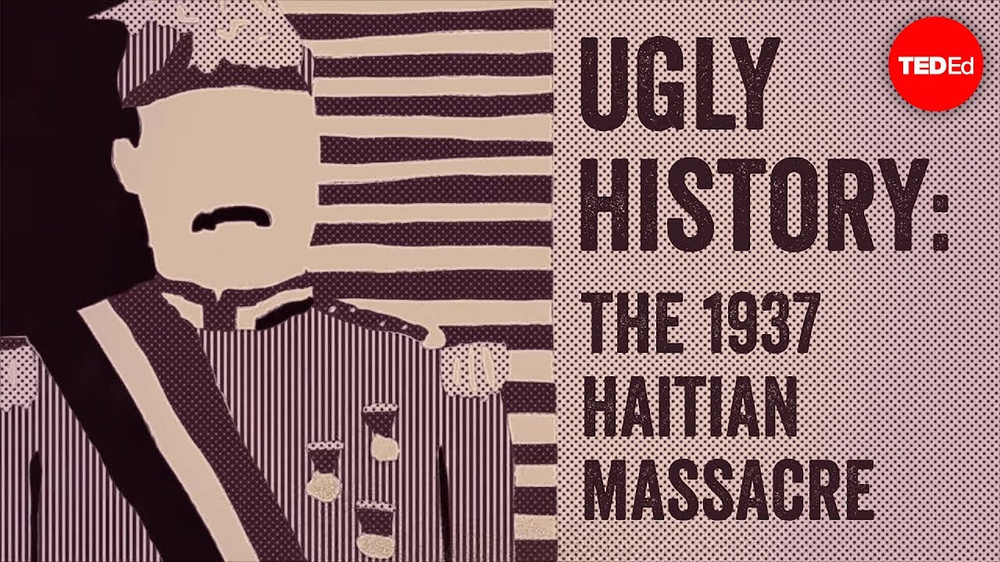
Rafael Trujillo, the ruthless President of the Dominican Republic, ordered the massacre of between 20,000 and 35,000 Haitians living in the country. This tragic event stemmed from longstanding tensions between the two neighboring nations, exacerbated by racial discrimination and border disputes. Trujillo fueled the animosity through propaganda that dehumanized Haitians, labeling them as a threat to Dominican livelihoods.
The massacre unfolded swiftly as Dominican armed forces carried out brutal attacks on Haitian communities, leaving thousands dead and many more displaced. Families were torn apart, homes were destroyed, and survivors were left traumatized by the horrific violence. The international community was shocked by the atrocities, prompting condemnation and calls for justice.
The impact of the massacre reverberated for years, deepening the divide between Haiti and the Dominican Republic. It strained diplomatic relations and left a scar on the collective memory of both nations. The scars of this dark chapter in history are still felt today, as descendants of the victims continue to seek recognition and remembrance for their ancestors.
As we reflect on this somber event, let us remember the lives lost and the pain endured by the Haitian community. May we strive for peace, reconciliation, and justice in the face of such senseless violence. #Haiti #DominicanRepublic #Massacre #HistoryLessons
View details1935
On May 16, 1935, a new constitution was released in Haiti, solidifying the authority of the executive branch of government and extending President Sténio Vincent's term for an additional five years. This move was met with mixed reactions from the population and the political sphere.
President Vincent, known for his populist and authoritarian tendencies, capitalized on the constitutional changes to consolidate power in the executive branch. The new constitution granted him increased control over the legislative and judicial branches, sparking concerns about a potential erosion of democratic principles in Haiti.
In the wake of the release of the new constitution, there were widespread protests and opposition from various political factions and civil society groups. Critics argued that the changes were undemocratic and aimed at perpetuating Vincent's hold on power. However, the president's supporters praised the move as necessary for maintaining stability and advancing Haiti's development agenda.
The renewed mandate for President Sténio Vincent signaled a continuation of his administration's policies, which prioritized economic development and infrastructure projects. Despite the controversy surrounding the constitutional changes, Vincent's government embarked on initiatives to stimulate the economy and improve living conditions for the Haitian population.
Overall, the release of the new constitution in 1935 had a significant impact on Haiti's political landscape, with implications for the country's governance and democratic institutions. The event underscored the delicate balance between executive authority and democratic norms, setting the stage for ongoing debates about power-sharing and accountability in Haitian politics.
#Haiti #Constitution #SténioVincent #ExecutiveAuthority #PoliticalUnrest
View details1934
In August 1934, the United States completed the withdrawal of its forces from Haiti, officially ending a 19-year long occupation of the country. The occupation began in 1915 when the U.S. military intervened in Haiti's internal affairs to restore stability amidst political turmoil. During the occupation, the U.S. implemented infrastructure projects, established a new Haitian constabulary, and restructured the country's finances.
The U.S. occupation in Haiti faced resistance from Haitian nationalist groups and criticism from the international community for its interventionist nature. The occupation also had significant impacts on Haiti's economy, politics, and social fabric, influencing the country's development trajectory.
Despite the U.S. forces' withdrawal, the legacy of the occupation continued to shape Haiti's history for decades to come. The intervention highlighted the complexities of foreign involvement in sovereign nations and raised questions about imperialism, sovereignty, and self-determination in the region.
The withdrawal of American forces marked a turning point in Haiti's history, allowing the country to regain full control of its governance and chart its own path towards progress and development. The event symbolized the end of a chapter of foreign intervention and set the stage for Haiti to assert its independence and sovereignty on the world stage.
#Haiti #USoccupation #Independence #Sovereignty
View details1933
In 1933, following a period of U.S. military occupation in Haiti, an agreement was reached between the governments of Haiti and the United States. This agreement outlined the withdrawal of U.S. troops from the country, marking the end of the occupation that had begun in 1915.
The U.S. occupation of Haiti had been a contentious issue, with critics condemning it as an infringement on Haitian sovereignty. Under the occupation, the U.S. had implemented various reforms in Haiti, including infrastructure projects and modernization efforts. However, these efforts were met with resistance from many Haitians, who viewed the presence of U.S. troops as oppressive and colonial.
The agreement to withdraw U.S. troops represented a significant moment in Haitian history, signaling the restoration of full sovereignty to the Haitian government. It marked the end of a chapter of foreign intervention in Haiti and allowed the country to begin the process of rebuilding and charting its own course.
With the departure of U.S. troops, Haiti faced new challenges in establishing stability and governance. The legacy of the occupation would continue to shape political and social dynamics in the country for years to come.
The agreement between Haiti and the United States on the withdrawal of U.S. troops and the end of the occupation was a pivotal moment in Haitian history, symbolizing the restoration of sovereignty and the beginning of a new era for the country. #Haiti #USoccupation #Sovereignty
View details1931
In 8/5/1931, the United States decided to transfer control of the Offices of Public Works, Health, Agriculture, and Education to the Haitian government. This significant shift marked a turning point in the relationship between the two nations, with the United States relinquishing authority in key sectors to support Haiti's self-governance and autonomy.
Background factors leading to this decision included Haiti's long history of colonization and foreign intervention, particularly by the United States. The Offices of Public Works, Health, Agriculture, and Education were critical for infrastructure development, healthcare, food security, and educational advancements in Haiti. By granting control of these sectors to the Haitian government, the United States aimed to empower Haiti to manage its own affairs and foster independent growth.
The impact of this handover was profound for Haiti, as it represented a step towards sovereignty and self-determination. With control of these essential offices, Haiti could now shape policies and initiatives according to its own priorities and needs. This transfer of control also signified a shift towards a more equal partnership between the United States and Haiti, marking a key moment in the latter's journey towards independence and self-sufficiency.
Overall, the decision by the United States to hand over control of the Offices of Public Works, Health, Agriculture, and Education to the Haitian government in 8/5/1931 was a significant milestone in the history of Haiti. It paved the way for greater autonomy and empowerment, enabling Haiti to chart its own path towards development and progress.
#HaitiIndependence #SelfGovernance #Empowerment #PartnershipDevelopment
View details1922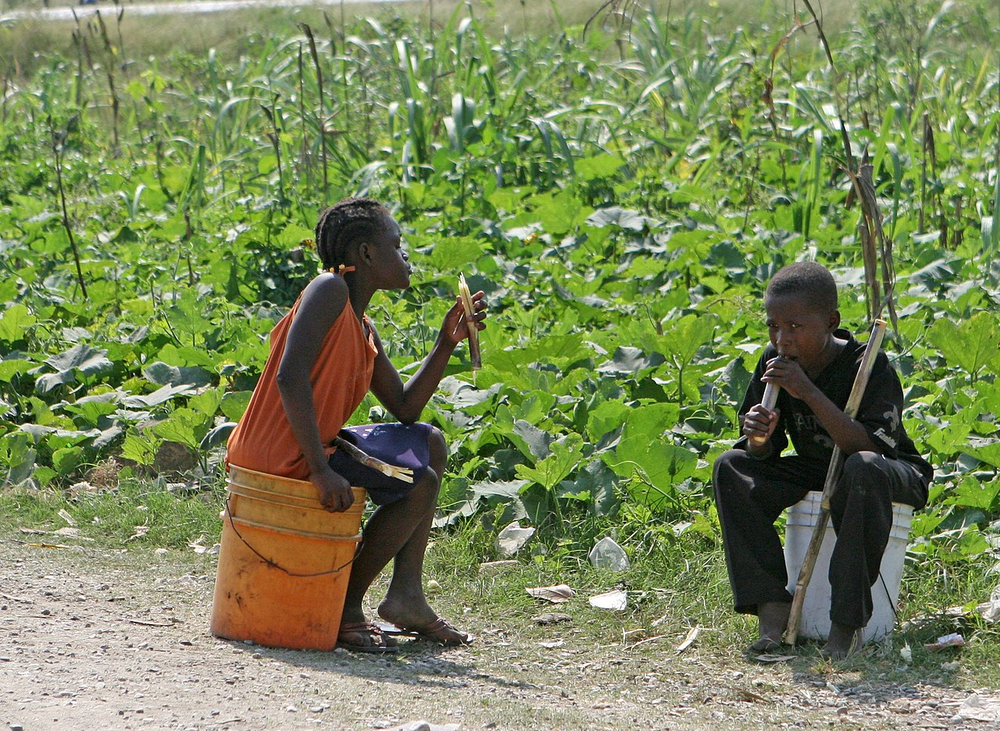
In Damien's rural heartland, the Central School of Agriculture (Ecole Centrale d'Agriculture) was founded, revolutionizing agricultural education in Haiti. The school aimed to equip locals with modern farming techniques, combating agricultural challenges prevalent in the region. Established by a group of visionary educators, the institution became a beacon of hope for aspiring farmers and agronomists.
With a curriculum focusing on practical skills and theoretical knowledge, the Central School of Agriculture attracted students eager to learn sustainable farming practices. The school's emphasis on innovation and research paved the way for advancements in agriculture, benefiting local communities and the economy at large. Graduates emerged as skilled professionals, driving growth in the agricultural sector and contributing to food security initiatives.
As the school gained recognition for its contribution to the agricultural landscape, it became a hub for promoting environmental stewardship and rural development. Students were encouraged to explore eco-friendly farming methods, fostering a culture of sustainability within the community. The institution's outreach programs and partnerships with agricultural experts further enriched the learning experience, nurturing a generation of agricultural leaders.
The founding of the Central School of Agriculture marked a turning point in Haiti's agricultural sector, setting a precedent for quality education and innovation in farming practices. The legacy of the institution continues to inspire future generations to embrace agriculture as a viable and rewarding career path. By promoting knowledge sharing and expertise in the field, the school remains a cornerstone of agricultural excellence in the region.
#AgriculturalInnovation #EducationRevolution #SustainableFarming #CommunityDevelopment #HaitiHeritage
View details