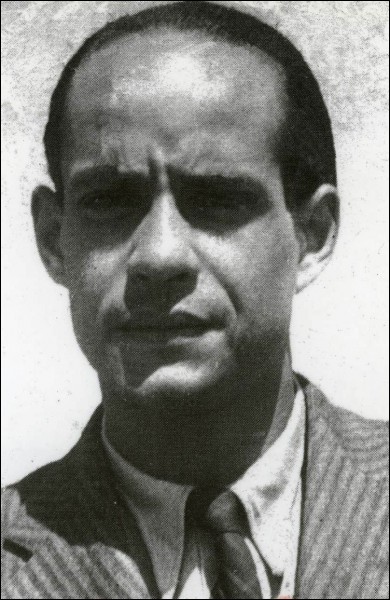
Jacques Roumain publishes his acclaimed novel Gouverneurs de la Rosée ("Masters of the Dew")
Haiti
10 min read
Updated By: History Editorial Network (HEN)
Published:
In 1931, Haitian writer Jacques Roumain published his acclaimed novel "Gouverneurs de la Rosée" ("Masters of the Dew"), a landmark in Caribbean literature and a profound exploration of Haitian rural life, social struggles, and the quest for solidarity and justice. This novel, written in French, has been celebrated for its literary merit and its powerful social and political messages.
Background of the Author
Jacques Roumain was born in Port-au-Prince, Haiti, in 1907 into an elite family. Despite his privileged background, Roumain was deeply engaged with the social and political issues of his time. He was a key figure in the Haitian literary and political movements, contributing significantly to the cultural renaissance of Haiti in the early 20th century. Roumain was also an ethnologist, which greatly influenced his understanding and depiction of Haitian culture and the peasantry in his works.
Context and Themes of "Gouverneurs de la Rosée"
"Gouverneurs de la Rosée" was published during a period of great political and social upheaval in Haiti. The country was under the occupation of the United States from 1915 to 1934, which had significant impacts on Haitian society, economy, and politics. The novel reflects these tensions and offers a vision of hope and resistance.
Themes:
Social Injustice and Exploitation: The novel portrays the harsh realities of rural Haitian life, focusing on the struggles of the peasantry who are caught in a cycle of poverty and exploitation. Roumain criticizes the social structures that perpetuate inequality and highlights the need for collective action to bring about change.
Solidarity and Community: A central theme in the novel is the power of solidarity and communal effort. Roumain emphasizes that unity among the oppressed is essential for overcoming adversity and achieving social justice. This is embodied in the protagonist's efforts to bring the community together to solve their water crisis.
Connection to the Land: The novel deeply explores the relationship between the people and the land. It portrays the land not only as a source of sustenance but also as a central element of cultural identity and spiritual life.
Hope and Resistance: Despite the bleak circumstances, the novel is imbued with a sense of hope and resistance. The characters’ struggles are depicted with a sense of dignity and resilience, reflecting Roumain’s belief in the possibility of a better future through collective effort and resistance.
Plot Summary
"Gouverneurs de la Rosée" tells the story of Manuel, a young Haitian man who returns to his village after many years of working in the sugarcane fields of Cuba. He finds his village in a state of despair due to a severe drought and internal conflicts that have fractured the community. Determined to improve the situation, Manuel embarks on a quest to find water and unite the villagers.
Manuel discovers a potential water source and devises a plan to build an irrigation system. However, his efforts are met with resistance from some villagers, exacerbated by longstanding feuds and mistrust. Through his perseverance and leadership, Manuel gradually convinces the community to come together and work collectively for their common good. Tragically, Manuel is killed before he can see his dream fully realized, but his vision and efforts leave a lasting legacy, inspiring the villagers to continue the work he started.
Literary Significance
"Gouverneurs de la Rosée" is celebrated for its rich, poetic language and vivid descriptions of Haitian rural life. Roumain’s use of symbolism and his ability to weave social commentary with personal and communal narratives make the novel a powerful literary work. The novel’s portrayal of the Haitian peasantry is both empathetic and realistic, providing a nuanced perspective on their lives and struggles.
Impact and Legacy
The publication of "Gouverneurs de la Rosée" had a profound impact on Haitian literature and the broader Caribbean literary scene. It brought international attention to Haitian culture and the issues faced by its people. The novel has been translated into multiple languages and remains a staple in the study of Caribbean literature.
Roumain’s work continues to inspire writers, activists, and scholars who seek to understand and address issues of social justice, cultural identity, and the power of community. His portrayal of the resilience and dignity of the Haitian people resonates with readers worldwide, making "Gouverneurs de la Rosée" a timeless piece of literature.
#MomentsOfLife #MoofLife_Moment #MoofLife #JacquesRoumain #HaitianLiterature #GouverneursDeLaRosee #SocialJustice #CaribbeanLiterature #CulturalIdentity #Solidarity

Explore the Life Moments of
 AI Twin