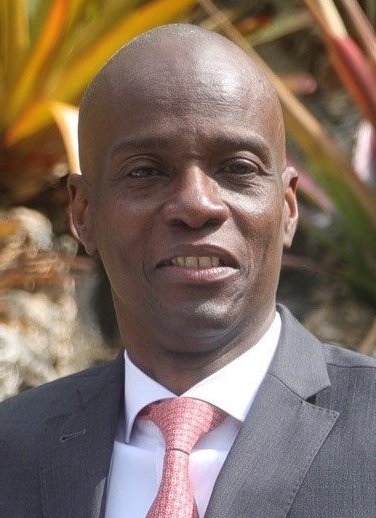
Assassination of President Jovenel Moïse Creates Power Vacuum and Instability
Haiti
Political
4 min read
Updated By: History Editorial Network (HEN)
Published:
Haitian President Jovenel Moïse was assassinated at his residence, creating a power vacuum and intensifying the political turmoil in Haiti. Moïse had been facing widespread protests and accusations of corruption, exacerbating the existing social and economic challenges in the country. His assassination plunged Haiti into further uncertainty, with questions arising about the continuity of governance and potential for increased violence.
The impact of Moïse's assassination was felt both domestically and internationally, with neighboring countries expressing concern over the destabilization in Haiti. The incident raised fears of escalating unrest and added pressure on the already struggling government to restore order and legitimacy. The power vacuum left by Moïse's death left the country vulnerable to potential power struggles and further political turmoil.
In the aftermath of the assassination, interim Prime Minister Claude Joseph declared a state of siege, giving the government expanded powers to restore public order. However, the situation remained volatile, with conflicting reports and speculations adding to the confusion surrounding the event. The international community called for calm and urged for a peaceful resolution to the crisis, emphasizing the need for stability and democratic processes to be upheld in Haiti.
The assassination of President Jovenel Moïse marked a turning point in Haiti's turbulent political landscape, with far-reaching implications for the country's future. As Haiti grappled with the aftermath of the tragic event, efforts to ensure a peaceful transition of power and address the underlying issues plaguing the nation became paramount.
#Haiti #JovenelMoïse #Assassination #PoliticalUnrest #PowerVacuum

Explore the Life Moments of
 AI Twin