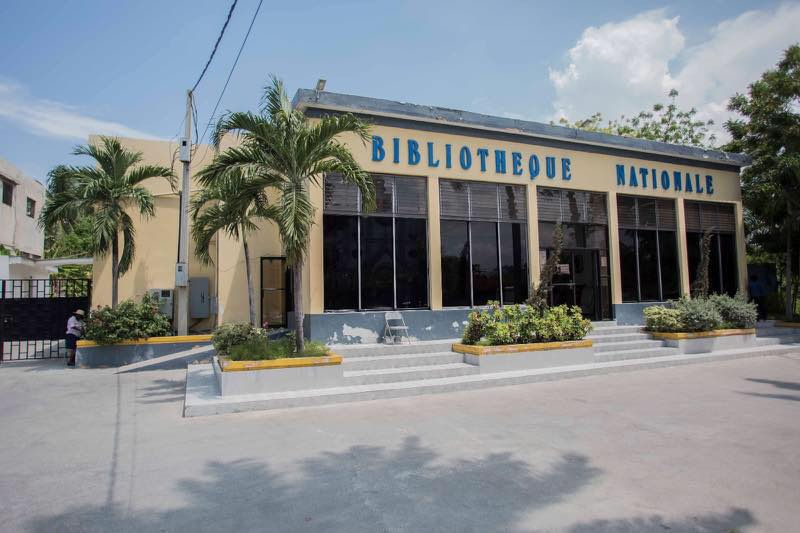
National Library of Haiti Organizational Structure
Haiti
Cultural Development
Education Access
4 min read
Updated By: History Editorial Network (HEN)
Published:
In the 1940s, the Bibliothèque Nationale d'Haïti was established in Haiti, serving as the country's national library. The creation of this institution marked a pivotal moment in Haiti's intellectual and cultural development. Prior to its inception, Haiti lacked a centralized library system, hindering access to diverse sources of information and knowledge.
The national library housed a vast collection of books, documents, and archives that were crucial for researchers, students, and the general public. It became a hub for learning, research, and preservation of Haiti's rich history and heritage. The establishment of the Bibliothèque Nationale d'Haïti played a significant role in promoting literacy, education, and the dissemination of information throughout the country.
With its doors open to all, the national library became a symbol of inclusivity and accessibility, providing resources for individuals from all walks of life. It served as a platform for fostering a sense of community and intellectual discourse among Haitians.
The impact of the Bibliothèque Nationale d'Haïti extended beyond its physical walls, influencing the cultural landscape of the nation. It contributed to the promotion of Haitian literature, arts, and scholarship, elevating the country's profile in the global arena.
Overall, the organization of Haiti's national library in the 1940s was a watershed moment for the country, shaping its intellectual development and cultural identity. The establishment of the Bibliothèque Nationale d'Haïti continues to be a cornerstone of Haiti's educational infrastructure, reflecting its commitment to knowledge dissemination and preservation.
#BibliothèqueNationaledHaïti #HaitianLiterature #CulturalDevelopment #EducationAccess

Explore the Life Moments of
 AI Twin