
Mauritania

The Land of a Million Poets
About
#Mauritania
#Mauritania_Timeline
#Mauritania_History
#Mauritania_History_Timeline
Life Classification
Country
Life ID
EL3344215475488
Verified Name
mauritania
Life Type
Entity Life
Life Editor(s)
History Editorial Network (HEN)
Life Privacy
Public
Subscription
Elite
Created On
2025-01-08
Updated On
2025-12-18
Connect
Related Lives
Ethiopia
Federal Democratic Republic of Ethiopia
Bosnia and Herzegovina
The Land of Golden Lilies

Haiti
The Resilient Spirit of Haiti
Ottoman Empire
A global superpower for over 600 years
Netherlands
The Land of Tulips and Windmills
Prime Minister of the United Kingdom
The Head of Government

Hungary
Tales of the Danube

President of the Italian Republic
Head of State

2024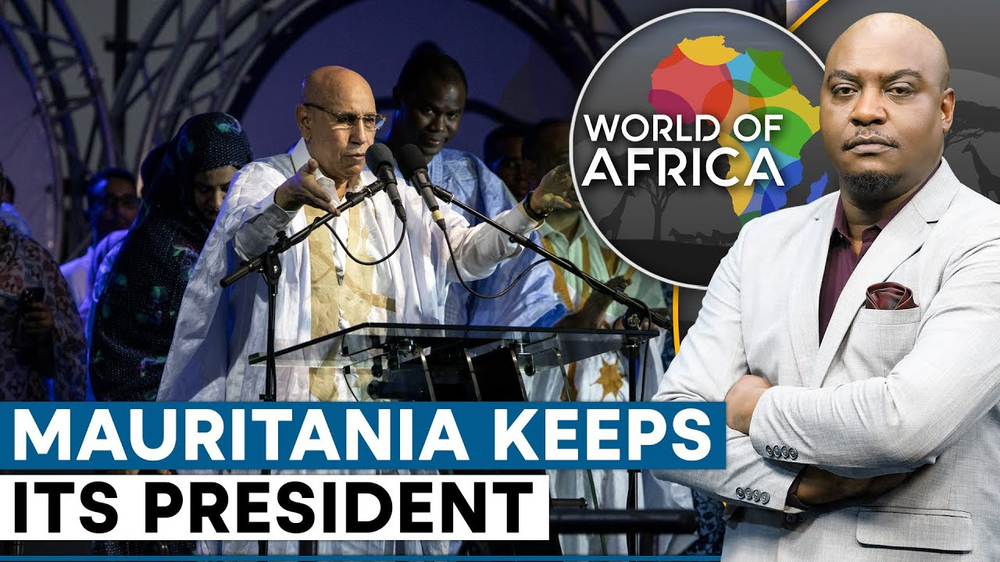
In June 2024, President Mohamed Ould Ghazouani was re-elected for a second term in office, solidifying his leadership in Mauritania. The presidential election, held on June 29, 2024, saw Ghazouani secure victory through an absolute majority popular vote, a testament to his administration's policies and the support he has garnered among the Mauritanian populace. Under the electoral system, a candidate must achieve an absolute majority to win, and if necessary, a second round of voting is conducted. Ghazouani's re-election is significant as it allows him to continue implementing his vision for the country, focusing on economic development, social stability, and governance reforms. The President's role also includes appointing the Prime Minister, which is crucial for shaping the executive branch and driving the government's agenda. As he embarks on his second term, Ghazouani faces the challenge of addressing ongoing issues such as economic diversification and regional security, while also maintaining the trust and support of the Mauritanian people. #mooflife #mof #MomentOfLife #Mauritania #Ghazouani #2024Election #Re-election #PresidentialPolitics
View details2023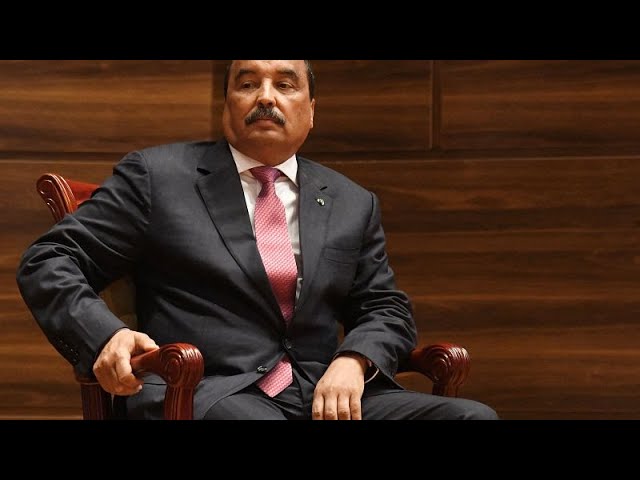
In December 2023, former Mauritanian President Mohamed Ould Abdel Aziz was sentenced to five years in prison following a significant corruption investigation that began in June 2021. This case marked a pivotal moment in Mauritania's political landscape, as it underscored the ongoing efforts to combat corruption within the government. Aziz's arrest was part of a broader probe into allegations of embezzlement and misuse of public funds during his presidency, which lasted from 2009 to 2019. The sentencing is seen as a crucial step towards accountability and transparency in Mauritania, a country that has struggled with corruption issues for decades. The ruling has been met with mixed reactions from the public and political analysts, with some viewing it as a necessary measure to restore faith in the political system, while others express concerns about the potential for political motivations behind the prosecution. As Mauritania continues to navigate its post-Aziz era under President Mohamed Ould Ghazouani, the implications of this case will likely influence future governance and the fight against corruption in the nation. #mooflife #mof #MomentOfLife #Mauritania #Corruption #MohamedOuldAbdelAziz #PoliticalAccountability #GovernmentTransparency
View detailsIn a remarkable display of skill and determination, Mauritania has made significant strides in the world of football, culminating in a notable victory over Sudan during the AFCON 2023 qualifiers. This match not only highlights Mauritania's growing prowess in the sport but also marks a pivotal moment in the nation's footballing history. The victory is a testament to the hard work and dedication of the players and coaching staff, who have been striving to elevate the country's status in international football. Football, being the most popular sport in Mauritania, has seen increased support and development, particularly following the national team's qualification for the Africa Cup of Nations in 2019. The triumph against Sudan serves as an inspiration for aspiring athletes in the country and showcases the potential of Mauritania on the continental stage. As the team continues to build on this success, fans and supporters are hopeful for a bright future in upcoming matches and tournaments. #mooflife #mof #MomentOfLife #MauritaniaFootball #Afcon2023Qualifiers #SudanVsMauritania #AfricanFootball #SportsDevelopment
View details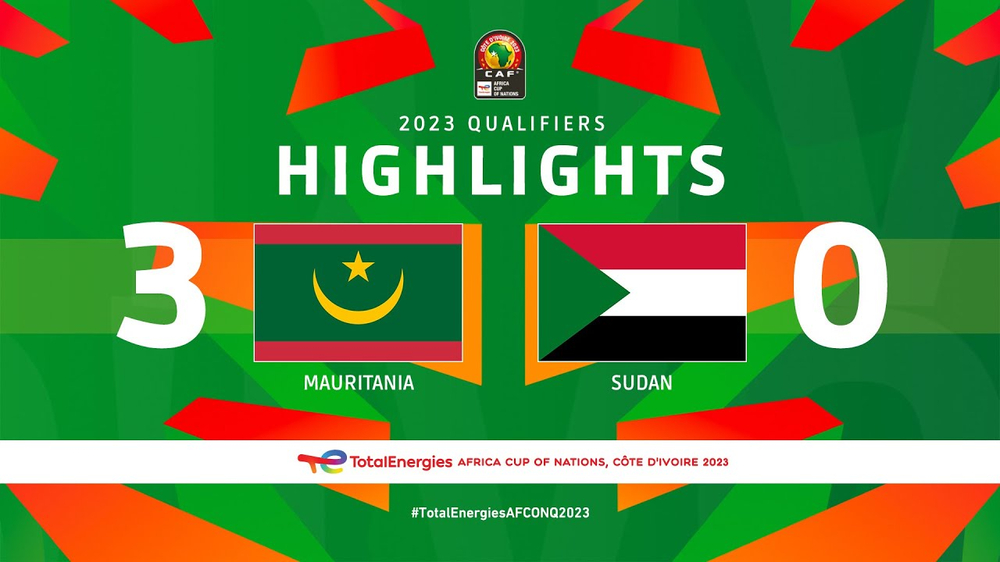
2019
In August 2019, Mohamed Ould Ghazouani was inaugurated as the president of Mauritania following the 2019 elections. This event marked a significant milestone in the country's political history, as it represented the first peaceful transition of power since Mauritania gained independence. The elections were conducted under a framework that aimed to ensure transparency and fairness, reflecting the growing democratic aspirations of the Mauritanian people. Ghazouani's presidency has been characterized by efforts to promote stability and economic development in the nation. However, the political landscape has not been without challenges. In June 2021, former president Mohamed Ould Abdel Aziz was arrested as part of a corruption investigation, which raised concerns about governance and accountability in the country. In December 2023, Aziz was sentenced to five years in prison for his involvement in corruption, highlighting the ongoing struggle against corruption in Mauritania's political system. The peaceful transition of power in 2019 and the subsequent legal actions against former leaders illustrate the complexities of Mauritania's journey towards a more democratic and transparent governance framework. #mooflife #mof #MomentOfLife #Mauritania #MohamedOuldGhazouani #PeacefulTransitionOfPower #Corruption #Democracy
View details2018
On April 27, 2018, the National Assembly of Mauritania enacted a controversial law that mandates the death penalty for individuals convicted of 'blasphemous speech' and acts considered 'sacrilegious'. This legislative change marks a significant shift in the country's legal framework regarding freedom of expression and religious beliefs. The new law abolishes the previous provision under Article 306, which allowed for the substitution of prison sentences for the death penalty in cases of apostasy if the offender showed prompt repentance. In addition to the death penalty, the law introduces penalties of up to two years in prison and fines reaching 600,000 Ouguiyas (approximately €14,600) for offenses related to 'offending public indecency and Islamic values' or for 'breaching Allah's prohibitions' and aiding in such breaches. This law has raised concerns among human rights advocates and organizations, who argue that it poses a serious threat to freedom of speech and could lead to increased persecution of individuals expressing dissenting views or engaging in religious discourse. The implications of this law are profound, as it not only affects the legal landscape in Mauritania but also reflects broader tensions between religious conservatism and individual rights in the region. #mooflife #mof #MomentOfLife #Mauritania #DeathPenalty #BlasphemyLaw #HumanRights #FreedomOfSpeech
View details2017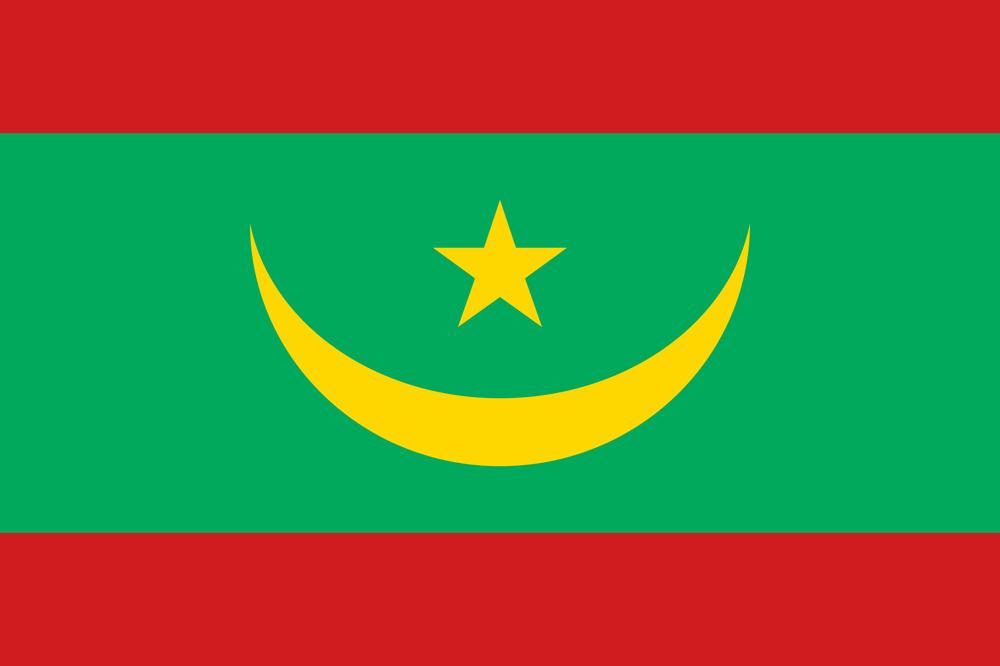
On 5 August 2017, the national flag of Mauritania underwent a significant change, reflecting the nation's values and history. The modification involved the addition of two red stripes to the existing flag design. These red stripes symbolize the sacrifices made by the Mauritanian people in their quest for independence and the ongoing defense of their sovereignty. The flag, which features a green background with a yellow crescent and star, now carries a deeper meaning, representing the resilience and unity of the nation. This change was part of a broader effort to instill national pride and commemorate the sacrifices of those who fought for the country's freedom. The updated flag serves as a reminder of Mauritania's commitment to its values and the importance of honoring its past. The flag change was met with mixed reactions, but it undeniably marked a pivotal moment in the country's history, reinforcing the significance of national symbols in fostering unity and identity among the Mauritanian people. #mooflife #mof #MomentOfLife #Mauritania #NationalFlag #FlagChange #RedStripes #NationalIdentity
View details2014
In November 2014, Mauritania received a significant diplomatic recognition by being invited as a non-member guest nation to the G20 summit held in Brisbane, Australia. This invitation marked an important milestone for Mauritania, highlighting its growing role in international discussions on global economic governance. The G20 summit, which brings together the world's major economies, serves as a platform for addressing pressing global issues such as economic stability, sustainable development, and international trade. Mauritania's participation in this summit provided an opportunity for the nation to engage with leaders from both developed and emerging economies, fostering dialogue on key challenges and opportunities facing the global community. The invitation also underscored Mauritania's commitment to participating in global economic discussions and its desire to strengthen its international partnerships. As a nation that has experienced significant political changes since the Arab Spring, Mauritania's involvement in the G20 summit reflects its aspirations for economic growth and development on the world stage. #mooflife #mof #MomentOfLife #G20Summit #Mauritania #InternationalRelations #GlobalEconomy #DiplomaticRecognition
View details2009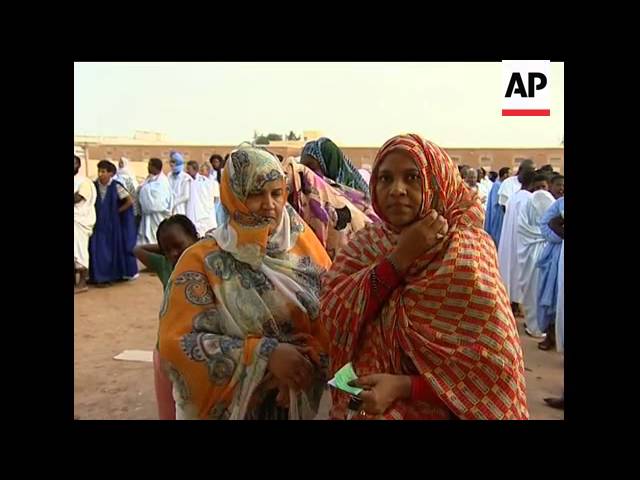
After the coup, Abdel Aziz insisted on holding new presidential elections to replace Abdallahi, but was forced to reschedule them due to internal and international opposition. During the spring of 2009, the junta negotiated an understanding with some opposition figures and international parties. As a result, Abdallahi formally resigned under protest, as it became clear that some opposition forces had defected from him and most international players, notably including France and Algeria, now aligned with Abdel Aziz. The United States continued to criticize the coup, but did not actively oppose the elections. Abdallahi's resignation allowed the election of Abdel Aziz as civilian president, on 18 July, by a 52% majority. Many of Abdallahi's former supporters criticized this as a political ploy and refused to recognize the results. Despite complaints, the elections were almost unanimously accepted by Western, Arab and African countries, which lifted sanctions and resumed relations with Mauritania. By late summer, Abdel Aziz appeared to have secured his position and to have gained widespread international and internal support. Some figures, such as Senate chairman Messaoud Ould Boulkheir, continued to refuse the new order and call for Abdel Aziz's resignation.
View details2008
On August 6, 2008, a significant military coup took place in Mauritania, marking a pivotal moment in the nation's political landscape. The coup was initiated by General Mohamed Ould Abdel Aziz, the head of the presidential guards, who seized control of the presidential palace in Nouakchott. This dramatic takeover occurred just a day after 48 lawmakers from the ruling party resigned in protest against President Sidi Ould Abdallahi's policies, indicating a growing discontent within the government. In response to the political turmoil, the Army swiftly surrounded key government facilities, including the state television building, to assert control and prevent any potential resistance. The coup was further fueled by President Abdallahi's decision to dismiss several senior military officers, including the head of the presidential guards, which likely prompted the military's decisive action. Following the coup, President Abdallahi, along with Prime Minister Yahya Ould Ahmed Waghef and Minister of Internal Affairs Mohamed Ould R'zeizim, were arrested, effectively ending their administration. This coup not only reshaped the political dynamics in Mauritania but also raised concerns about the stability and future governance of the country. #mooflife #mof #MomentOfLife #Mauritania #MilitaryCoup #PoliticalInstability #GeneralMohamedOuldAbdelAziz #PresidentAbdallahi
View details2007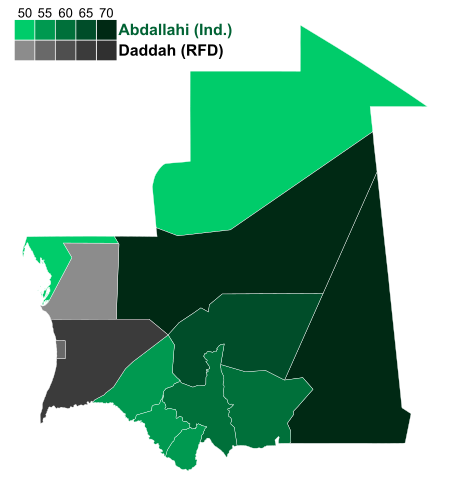
The 2007 presidential elections in Mauritania, held on 11 March, marked a significant milestone in the country's political history as it was the first fully democratic election since gaining independence in 1960. This election represented the culmination of a transition from military to civilian rule following the military coup in 2005. For the first time, Mauritanians had the opportunity to participate in a multi-candidate election, reflecting a commitment to democratic governance. Sidi Ould Cheikh Abdallahi emerged victorious in the second round of voting, defeating his closest rival, Ahmed Ould Daddah. This election not only symbolized a new era for Mauritania but also set a precedent for future democratic processes in the region, showcasing the potential for peaceful political transitions in West Africa. #mooflife #mof #MomentOfLife #Mauritania #2007Elections #Democracy #SidiOuldCheikhAbdallahi #PoliticalHistory
View details2005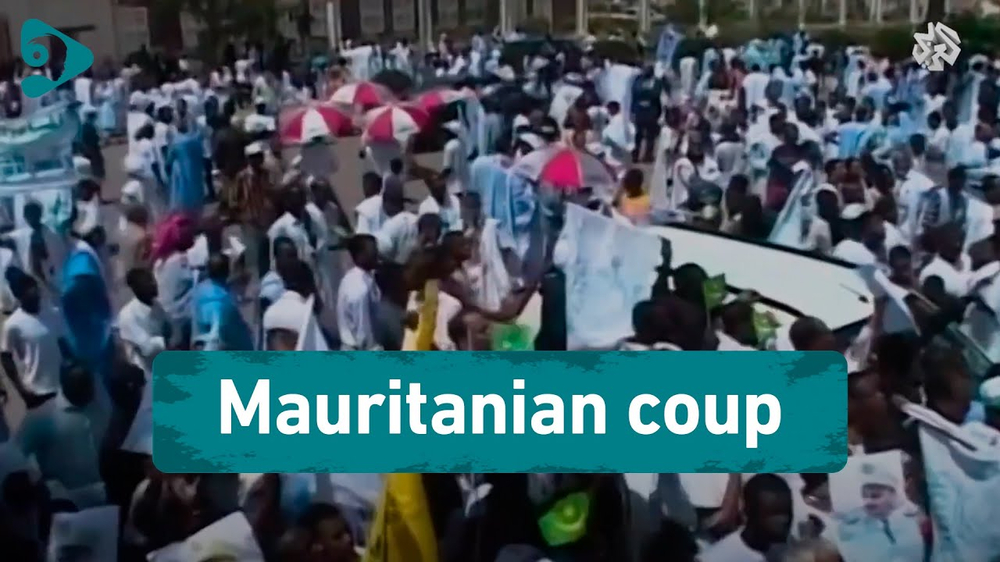
On 3 August 2005, a significant military coup in Mauritania, led by Colonel Ely Ould Mohamed Vall, marked the end of President Maaouya Ould Sid'Ahmed Taya's twenty-one-year rule. The coup was strategically executed while Ould Taya was attending the funeral of Saudi King Fahd, allowing the military, including members of the presidential guard, to seize control of key locations in the capital, Nouakchott, with minimal resistance. Remarkably, the coup was carried out without any loss of life, showcasing a level of restraint and organization among the military forces. Following the takeover, the officers formed the Military Council for Justice and Democracy, pledging to restore stability and democratic governance in the country. They committed to organizing elections within two years, a promise that was fulfilled with a referendum held on 26 June 2006. This referendum resulted in an overwhelming 97% approval from Mauritanians for a new constitution that aimed to limit the duration of a president's term in office, reflecting a significant shift towards democratic principles in Mauritania's political landscape. #mooflife #mof #MomentOfLife #Mauritania #MilitaryCoup #ElyOuldMohamedVall #MaaouyaOuldSid'ahmedTaya #Democracy
View details2001
In 2001, Mauritania marked a significant milestone in its economic development with the discovery of oil by the Woodside Company. This discovery occurred during the presidency of Maaouya Ould Taya, who led the country through a period of economic transformation. The find not only positioned Mauritania as a potential player in the global oil market but also opened avenues for foreign investment and infrastructure development. The government capitalized on this discovery to enhance its economic policies, aiming to improve the living standards of its citizens and diversify its economy. The oil sector has since become a crucial component of Mauritania's economic landscape, contributing to national revenue and fostering growth in related industries. As the country continues to develop its oil resources, it faces challenges such as ensuring sustainable practices and managing the socio-economic impacts of oil production. Overall, the 2001 oil discovery represents a pivotal moment in Mauritania's journey towards economic advancement and stability. #mooflife #mof #MomentOfLife #Mauritania #OilDiscovery #WoodsideCompany #EconomicDevelopment #PresidentOuldTaya
View details1999
On 28 October 1999, Mauritania made a significant diplomatic move by officially recognizing Israel, becoming one of the few Arab League members to do so, alongside Egypt, Palestine, and Jordan. This decision marked a pivotal shift in Mauritania's foreign policy, which had been evolving throughout the mid-to-late 1990s towards increased cooperation with the United States and Europe. The recognition of Israel was part of a broader strategy aimed at enhancing diplomatic relations and securing economic aid projects from Western nations. Under the leadership of President Ould Taya, Mauritania sought to align itself more closely with Western interests, which included collaboration in anti-terrorism efforts. However, this partnership was met with criticism from various human rights organizations, which raised concerns about the implications of such cooperation on civil liberties and human rights within Mauritania. The recognition of Israel and the subsequent foreign policy changes underscored Mauritania's desire to play a more active role on the international stage, despite the complexities and challenges that arose from its decisions. #mooflife #mof #MomentOfLife #Mauritania #Israel #ForeignPolicy #DiplomaticRelations #Anti-terrorism
View details1991
In 1991, Mauritania witnessed a significant political transformation with the approval of a new Constitution that marked the end of formal military rule. This pivotal change allowed for the legalization of opposition parties, fostering a more democratic political environment. However, the legitimacy of President Ould Taya's electoral victories was contested by various opposition groups, who labeled the elections as fraudulent. During the late 1980s, Ould Taya had forged a close alliance with Iraq and adopted a strongly Arab nationalist stance, which contributed to Mauritania's growing international isolation. The situation escalated during the 1991 Gulf War when Mauritania's pro-Iraqi position further strained its relations with Western nations. This period was characterized by a complex interplay of domestic political changes and international diplomatic challenges, shaping the trajectory of Mauritania's political landscape in the years to follow. #mooflife #mof #MomentOfLife #Mauritania #OuldTaya #1991Constitution #GulfWar #ArabNationalism
View details1989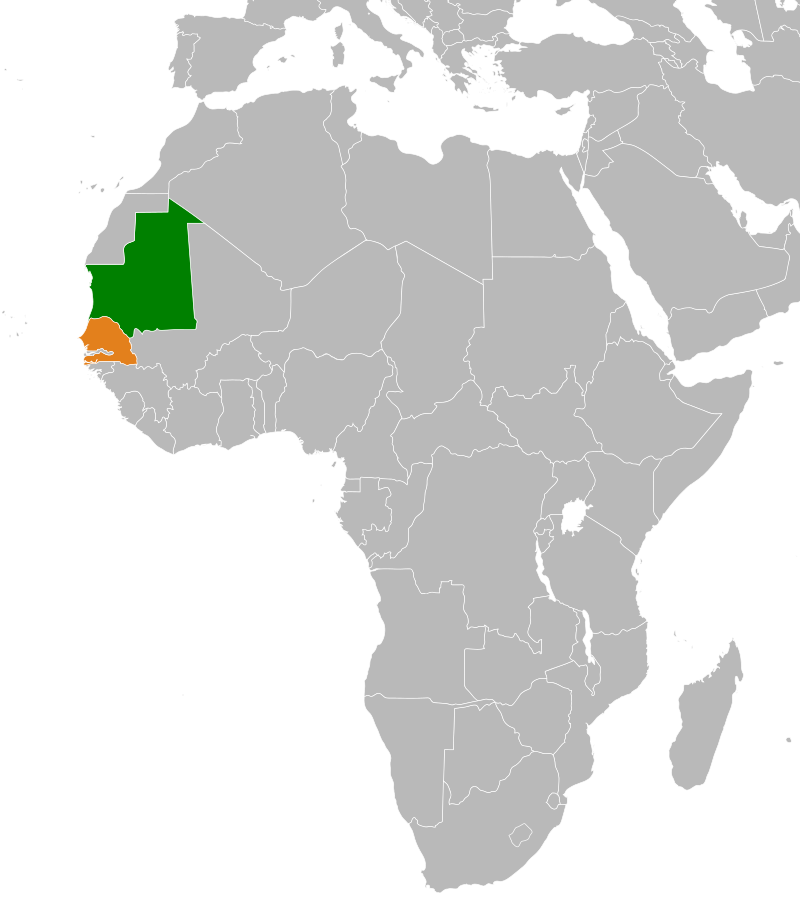
The Mauritania–Senegal Border War, which erupted in 1989, was primarily fueled by a dispute over grazing rights in the region of Diawara. This conflict involved Moorish Mauritanian herders and Senegalese farmers, highlighting the tensions between pastoral and agricultural communities. The situation escalated dramatically on April 9, 1989, when Mauritanian guards killed two Senegalese individuals. This incident sparked widespread riots in Senegal, particularly against Arabized Mauritanians, leading to a surge of anti-Mauritanian sentiment. In response, the Mauritanian government not only failed to quell the violence but also appeared to encourage acts of aggression against the Halpularen ethnic group, which further exacerbated the conflict. The violence and unrest prompted an international airlift agreement between Senegal and Mauritania aimed at preventing further bloodshed. As a result of the war, thousands of black Mauritanians were expelled from their homes, many of whom had little to no connection to Senegal, marking a tragic chapter in the history of both nations. #mooflife #mof #MomentOfLife #Mauritania #Senegal #BorderWar #EthnicConflict #1989
View details1986
In 1986, Mauritania marked a pivotal moment in its economic development with the opening of its first deepwater port near the capital city, Nouakchott. This strategic infrastructure project significantly enhanced the country's trade capabilities, allowing for larger vessels to dock and facilitating the import and export of goods. The deepwater port has played a crucial role in boosting Mauritania's economy by improving access to international markets and attracting foreign investment. However, despite this advancement, the country has faced challenges in recent years, including drought and economic mismanagement, which have led to a substantial buildup of foreign debt. In response to these economic difficulties, the Mauritanian government entered into an agreement in March 1999 with a joint World Bank-International Monetary Fund mission for a $54 million enhanced structural adjustment facility (ESAF). This initiative aimed to address the pressing economic issues, although privatization and meeting the ESAF's GDP growth objectives of 4-5% remain significant challenges for the nation. The establishment of the deepwater port, while a landmark achievement, is part of a broader narrative of Mauritania's ongoing economic journey and the need for sustainable development strategies. #mooflife #mof #MomentOfLife #Mauritania #DeepwaterPort #Nouakchott #EconomicDevelopment #TradeInfrastructure
View details1980
Colonel Mohamed Khouna Ould Haidallah rose to prominence as the leader of the Military Committee for National Salvation in 1984, marking a significant period in Mauritania's political landscape. His decision to relinquish all claims to Western Sahara was a pivotal move that facilitated peace with the Polisario Front, a liberation movement seeking independence for Western Sahara. This strategic shift also led to improved relations with Algeria, which had been a staunch supporter of the Polisario. However, this diplomatic success came at a cost, as relations with Morocco, a key player in the Western Sahara conflict, and its ally France, deteriorated significantly. Haidallah's regime was characterized by instability, with numerous attempted coups and ongoing intrigue within the military ranks. Despite his ambitious reform initiatives aimed at stabilizing the country and promoting development, these efforts were often undermined by the internal strife and power struggles that plagued his administration. The combination of external diplomatic challenges and internal military dissent created a tumultuous environment for Haidallah, ultimately shaping the trajectory of Mauritania's governance during this era. #mooflife #MomentOfLife #ColonelMohamedKhounaOuldHaidallah #Mauritania #WesternSahara #PolisarioFront #MilitaryCoups
View details1978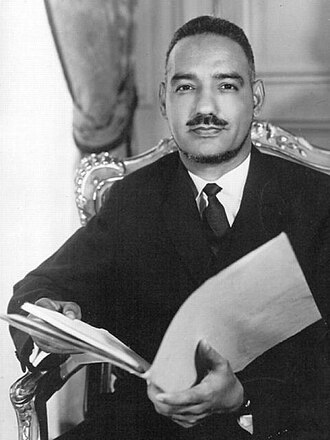
On July 10, 1978, President Moktar Ould Daddah of Mauritania was ousted in a bloodless coup, marking a significant turning point in the nation's political landscape. Daddah's presidency had been marred by a disastrous military campaign aimed at annexing the southern part of Western Sahara, which he framed as a strategy to establish a 'Greater Mauritania.' This conflict not only strained the country's resources but also led to widespread discontent among the populace. The war's failure contributed to a near-collapse of the Mauritanian state, prompting military leaders to intervene and remove Daddah from power. The coup was executed with minimal violence, reflecting the growing desire for change among the military and the general public. Following his ousting, Mauritania entered a new phase of governance, as the military sought to stabilize the country and address the issues that had plagued Daddah's administration. This event is a critical moment in Mauritania's history, illustrating the impact of military intervention in politics and the consequences of prolonged conflict on national stability. #mooflife #mof #MomentOfLife #MoktarOuldDaddah #Mauritania #WesternSahara #1978Coup #GreaterMauritania
View details1970
In the early 1970s, Mauritania faced severe droughts that had a profound impact on its demographic and economic landscape. These recurrent droughts forced many nomadic communities and subsistence farmers to abandon their traditional lifestyles and migrate to urban areas in search of better opportunities. This mass migration not only altered the population distribution but also intensified existing issues of poverty and social conflict within the cities. The influx of rural populations into urban centers strained resources and infrastructure, leading to increased competition for jobs and services. In response to these changing dynamics, the dominant Arabized elites in Mauritania sought to reinforce their cultural identity by promoting Arabization in various sectors, including law and education. This push for Arabization was partly a reaction to the historical context of French colonial rule, which had previously marginalized local cultures. As Mauritania navigated these challenges, various models emerged to preserve the country's rich cultural diversity while addressing the needs of a rapidly urbanizing population. The 1970s thus marked a pivotal period in Mauritania's history, highlighting the complex interplay between environmental factors, migration, and cultural identity. #mooflife #mof #MomentOfLife #Mauritania #Droughts #UrbanMigration #CulturalDiversity #1970s
View details1960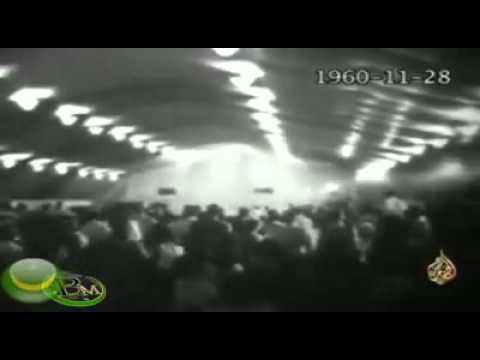
In 1960, Mauritania achieved independence from French colonial rule, marking a significant milestone in the nation's history. The first president, Moktar Ould Daddah, who had been installed by the French, took decisive steps to shape the political landscape of the newly independent nation. In 1964, he formalized Mauritania as a one-party state through a new constitution, establishing an authoritarian presidential regime. Daddah's own political party, the Parti du Peuple Mauritanien, became the sole ruling organization, effectively eliminating any political competition. The justification for this political structure was rooted in Daddah's belief that Mauritania was not prepared for a Western-style multiparty democracy. This move towards authoritarianism was characterized by a lack of political pluralism and civil liberties, as Daddah sought to consolidate power and maintain stability in a nation still grappling with its post-colonial identity. Under this one-party constitution, Daddah was re-elected, further entrenching his regime and shaping the future of Mauritania's governance. #mooflife #mof #MomentOfLife #Mauritania #Independence #MoktarOuldDaddah #One-partyState #AfricanHistory
View details1912
In 1912, the French colonial forces achieved a significant military victory against the northern emirate of Adrar, a region that had been a stronghold of resistance against colonial rule. This defeat was facilitated by the ongoing anticolonial rebellion led by Shaykh Maa al-Aynayn, who rallied support from insurgents in Tagant and other occupied areas. The resistance in Adrar was notable for its tenacity, as it held out against French advances for several years. The incorporation of Adrar into the territory of Mauritania marked a pivotal moment in the French expansion in West Africa. Following the organization of Mauritania as a territory in 1904, it transitioned from a protectorate to a full colony within French West Africa. The defeat of Adrar not only solidified French control over Mauritania but also represented a broader strategy of suppressing local uprisings and consolidating colonial power in the region. This event is a crucial chapter in the history of French colonialism in West Africa, illustrating the complexities of resistance and the eventual dominance of colonial forces. #mooflife #mof #MomentOfLife #FrenchColonialism #Adrar #Mauritania #AnticolonialRebellion #WestAfrica
View details1904
In 1904, France formally organized the territory of Mauritania, marking a significant step in its colonial expansion in West Africa. Initially established as a protectorate, Mauritania was integrated into French West Africa, which was a collection of French colonies in the region. This organization was part of France's broader strategy to consolidate its control over West African territories, which included various regions with diverse cultures and histories. The northern emirate of Adrar, however, resisted French colonization for an extended period, bolstered by the anticolonial efforts led by shaykh Maa al-Aynayn and support from insurgents in Tagant and other occupied areas. It wasn't until 1912 that French military forces successfully defeated the resistance in Adrar, leading to its incorporation into the territory of Mauritania. This period marked a crucial transition in Mauritania's history, as it shifted from local governance to colonial rule, significantly impacting the socio-political landscape of the region. #mooflife #mof #MomentOfLife #Mauritania #FrenchWestAfrica #ColonialHistory #Adrar #AnticolonialResistance
View details1902
In the early 20th century, specifically beginning in 1903, French colonial forces embarked on a campaign to occupy the regions of Trarza, Brakna, and Tagant in present-day Mauritania. This military endeavor was part of France's broader strategy to expand its influence in West Africa. By 1904, the French had successfully established control over these territories, integrating them into the French West Africa colonial framework. However, the northern emirate of Adrar proved to be a significant challenge to French authority. The emirate, under the leadership of shaykh Maa al-Aynayn, became a focal point for anticolonial resistance. This rebellion, often referred to as a jihad, was supported by insurgents from Tagant and other occupied regions, demonstrating a strong local opposition to colonial rule. It wasn't until 1912 that the French managed to defeat the forces in Adrar, fully incorporating it into the territory of Mauritania. This period marked a significant chapter in the history of French colonialism in West Africa, highlighting both the challenges faced by colonial powers and the resilience of local populations against foreign domination. #mooflife #mof #MomentOfLife #FrenchColonialism #MauritaniaHistory #AdrarRebellion #ShaykhMaaAl-aynayn #WestAfrica
View details1901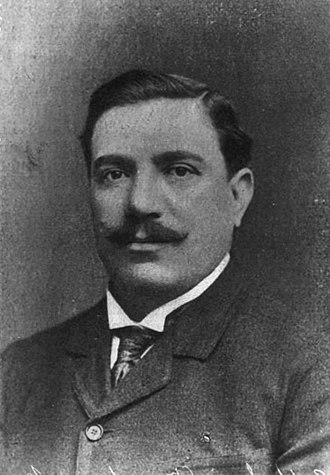
In 1901, Xavier Coppolani was appointed to lead the French imperial mission in Mauritania, a critical period in the expansion of French colonial influence in West Africa. His approach was characterized by a dual strategy: forging strategic alliances with the Zawaya tribes, who were influential in the region, while simultaneously applying military pressure on the Hassane warrior nomads. This combination of diplomacy and force allowed Coppolani to effectively extend French control over the various Mauritanian emirates, which were previously autonomous and resistant to foreign domination. Coppolani's efforts laid the groundwork for subsequent military campaigns, which culminated in the successful occupation of key regions such as Trarza, Brakna, and Tagant between 1903 and 1904. These military successes were pivotal in consolidating French authority in Mauritania, facilitating the establishment of colonial governance and the integration of the region into the French Empire. Coppolani's mission not only marked a significant expansion of French territorial claims but also set the stage for the complex socio-political dynamics that would characterize Mauritania under colonial rule. #mooflife #mof #MomentOfLife #XavierCoppolani #FrenchColonialism #Mauritania #ZawayaTribes #HassaneNomads
View details1644
The Char Bouba War, fought between 1644 and 1674, marked a significant chapter in the history of modern Mauritania. This conflict represented the last major effort by the indigenous peoples of the region to resist the invasion of the Yemeni Maqil Arabs, specifically led by the Beni Hassan tribe. Despite their valiant efforts, the indigenous forces were ultimately unsuccessful in repelling the invaders. The aftermath of the war saw the Beni Hassan tribe establish themselves as the upper stratum of Moorish society, significantly influencing the social and cultural landscape of the area. One of the most notable legacies of this period is the emergence of Hassaniya, a Bedouin Arabic dialect that became the dominant language among the largely nomadic population. The Char Bouba War not only highlights the struggles of the indigenous peoples against external forces but also underscores the profound impact of the Beni Hassan tribe on the region's identity and linguistic heritage. #mooflife #mof #MomentOfLife #CharBoubaWar #MoorishSociety #BeniHassan #HassaniyaDialect #MauritaniaHistory
View details1100
In the 11th century, the Almoravid movement emerged as a significant force in North and West Africa, formed by several nomadic Berber confederations from the desert regions of present-day Mauritania. This movement was characterized by its unification of various tribes, which allowed for a more organized and powerful entity capable of expansion. The Almoravids sought to spread their interpretation of Islam and establish a strong political and military presence. Their empire extended from the vast Sahara Desert to the Iberian Peninsula, marking a period of cultural and economic exchange between Africa and Europe. Notably, around 1076, the Almoravids are said to have conquered the ancient Ghana Empire, a powerful and wealthy state known for its trade in gold and salt. This conquest not only solidified the Almoravid's influence in West Africa but also facilitated the spread of Islam in the region. The movement played a crucial role in shaping the historical landscape of both North Africa and the Iberian Peninsula, leaving a lasting legacy that would influence subsequent empires and cultures. #mooflife #mof #MomentOfLife #AlmoravidMovement #11thCenturyHistory #BerberConfederations #GhanaEmpire #IslamicExpansion
View details0007
In the late 7th century AD, significant migrations of Arab tribes into Mauritania marked a transformative period for the region. The Umayyad Caliphate, as the first Arab Muslim dynasty, played a crucial role in these migrations. Their incursions into Mauritania were part of the broader Islamic conquests that swept across North Africa. By the end of the century, these Arab tribes had established a presence in Mauritania, bringing with them the tenets of Islam, the Arabic language, and elements of Arab culture. This migration led to significant demographic changes, as many indigenous Berber tribes, feeling threatened by the arrival of the Arabs, fled to the Gao region in present-day Mali. The introduction of Islam and Arabic culture had a lasting impact on Mauritania, shaping its social, political, and cultural landscape for centuries to come. The legacy of this migration is still evident today, as Mauritania continues to be a melting pot of Arab and Berber influences, with Arabic as one of its official languages and Islam as the predominant religion. #mooflife #mof #MomentOfLife #7thCenturyAd #ArabMigration #Mauritania #IslamicConquests #UmayyadCaliphate
View details