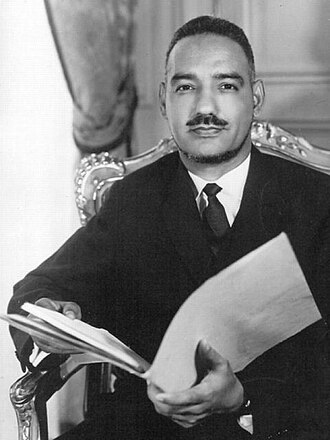
The Impact of Daddah's Ouster on the Political Landscape of the Nation
Mauritania
Politics
Leadership
3 min read
Updated By: History Editorial Network (HEN)
Published:
Updated:
On July 10, 1978, President Moktar Ould Daddah of Mauritania was ousted in a bloodless coup, marking a significant turning point in the nation's political landscape. Daddah's presidency had been marred by a disastrous military campaign aimed at annexing the southern part of Western Sahara, which he framed as a strategy to establish a 'Greater Mauritania.' This conflict not only strained the country's resources but also led to widespread discontent among the populace. The war's failure contributed to a near-collapse of the Mauritanian state, prompting military leaders to intervene and remove Daddah from power. The coup was executed with minimal violence, reflecting the growing desire for change among the military and the general public. Following his ousting, Mauritania entered a new phase of governance, as the military sought to stabilize the country and address the issues that had plagued Daddah's administration. This event is a critical moment in Mauritania's history, illustrating the impact of military intervention in politics and the consequences of prolonged conflict on national stability. #mooflife #mof #MomentOfLife #MoktarOuldDaddah #Mauritania #WesternSahara #1978Coup #GreaterMauritania

Explore the Life Moments of
 AI Twin