Analysis of the 2008 Mauritanian Coup D'état and Its Impact on Subsequent Presidential Elections
Mauritania
Politics
Africa
3 min read
Updated By: History Editorial Network (HEN)
Published:
Updated:
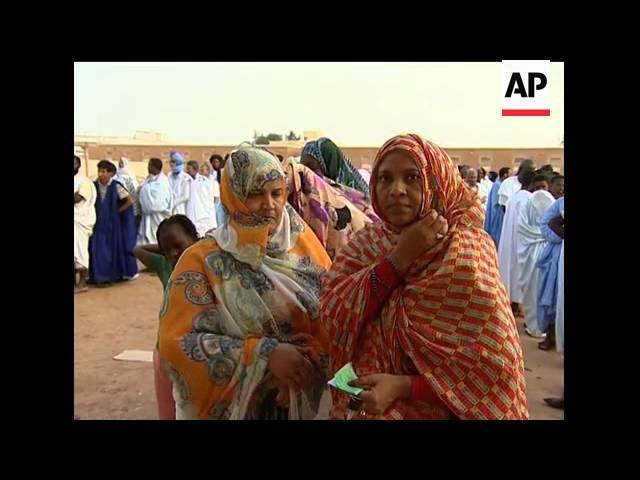
After the coup, Abdel Aziz insisted on holding new presidential elections to replace Abdallahi, but was forced to reschedule them due to internal and international opposition. During the spring of 2009, the junta negotiated an understanding with some opposition figures and international parties. As a result, Abdallahi formally resigned under protest, as it became clear that some opposition forces had defected from him and most international players, notably including France and Algeria, now aligned with Abdel Aziz. The United States continued to criticize the coup, but did not actively oppose the elections. Abdallahi's resignation allowed the election of Abdel Aziz as civilian president, on 18 July, by a 52% majority. Many of Abdallahi's former supporters criticized this as a political ploy and refused to recognize the results. Despite complaints, the elections were almost unanimously accepted by Western, Arab and African countries, which lifted sanctions and resumed relations with Mauritania. By late summer, Abdel Aziz appeared to have secured his position and to have gained widespread international and internal support. Some figures, such as Senate chairman Messaoud Ould Boulkheir, continued to refuse the new order and call for Abdel Aziz's resignation.

Explore the Life Moments of
 AI Twin