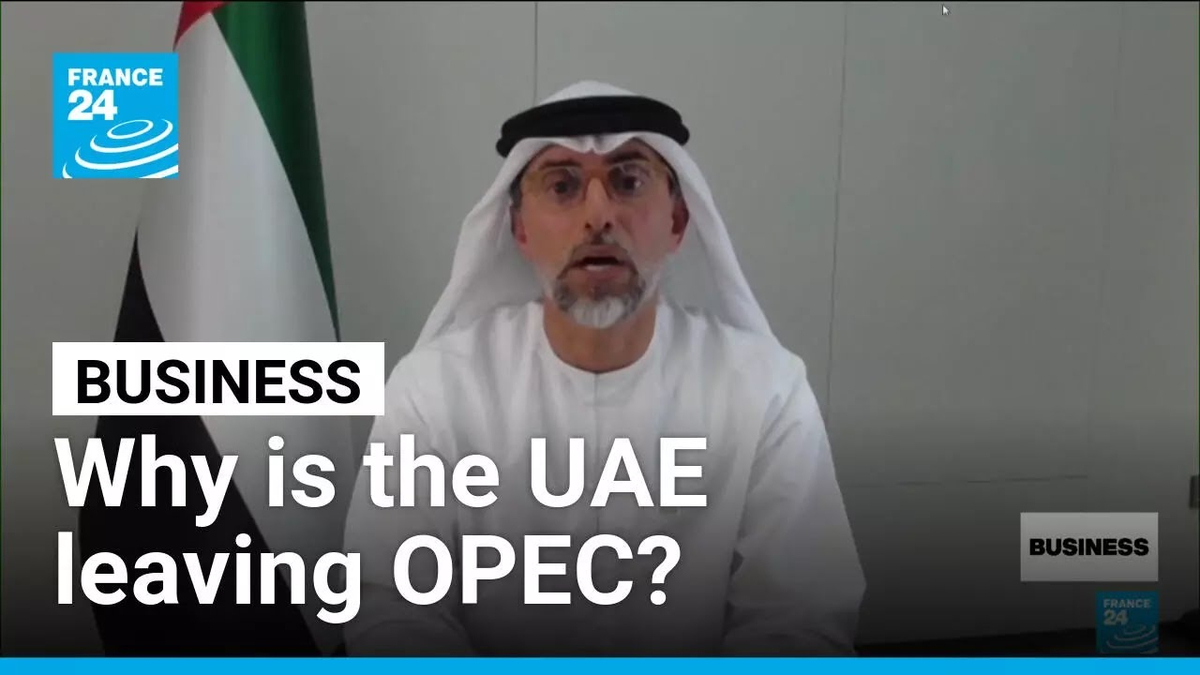
United Arab Emirates Exits OPEC and OPEC+ After Nearly Six Decades of Membership
United Arab Emirates
Economy
7 min read
Updated By: History Editorial Network (HEN)
Published:
On 01/05/2026, the United Arab Emirates officially withdrew from the Organization of the Petroleum Exporting Countries (OPEC) and the wider OPEC+ alliance, ending a membership that began in 1967 through Abu Dhabi and continued after the formation of the UAE in 1971. The decision marked one of the most consequential changes to the oil producers' group in recent decades, as the UAE was OPEC's third largest producer and one of the few members with substantial spare production capacity. The withdrawal was announced on 28/04/2026 and took effect three days later following what UAE officials described as a comprehensive review of national energy policy and long term economic priorities.
A central factor behind the decision was the UAE's desire for greater production flexibility. Over several years, Abu Dhabi invested heavily in expanding oil production infrastructure, increasing its capacity to approximately 5 million barrels per day. However, OPEC production quotas limited actual output to around 3.5 million barrels per day, leaving a significant portion of the country's production capability unused. UAE officials argued that independent production decisions would better align with national economic interests, investor expectations, and future energy market opportunities.
The withdrawal also occurred against a backdrop of growing regional tensions. Reports noted persistent disagreements between the UAE and Saudi Arabia regarding production quotas and broader strategic priorities. At the same time, the conflict involving Iran and the resulting disruptions to shipping through the Strait of Hormuz increased pressure on Gulf energy exporters. UAE policymakers concluded that a more autonomous energy strategy would allow the country to respond more effectively to market conditions and geopolitical risks affecting oil exports and revenues.
The departure removed one of OPEC's largest and most reliable producers from the cartel. Industry analysts observed that the UAE accounted for roughly 3.4 million barrels per day of production before regional conflict disrupted exports, representing about 12 percent of OPEC output and approximately 3 percent of global crude supply. Its exit shifted a greater share of responsibility for managing production levels and price stability onto Saudi Arabia and the remaining OPEC+ members. Subsequent OPEC+ meetings focused on maintaining market stability despite the loss of one of the alliance's most significant producers.
Why This Moment Matters:
The UAE's withdrawal represented the largest producer departure from OPEC in recent history and highlighted changing dynamics within the global oil market. The move underscored the growing importance of national production strategies over collective quota systems for some major exporters and raised questions about OPEC's future ability to influence global supply through coordinated output agreements.
Moment Start Date: 28/04/2026 (Announcement)
End Date: 01/05/2026 (Withdrawal Effective)
#OPEC
Primary Reference
UAE withdraws from OPEC and OPEC +, effective 1 May

Explore the Life Moments of
 AI Twin