
Jordan

Land of Ancient Wonders
About
#Jordan
#Jordan_Timeline
#Jordan_history
#Jordan_History_Timeline
Life Classification
Contry
Life ID
EL6711737094635
Verified Name
jordan
Life Type
Entity Life
Life Editor(s)
History Editorial Network (HEN)
Life Privacy
Public
Subscription
Elite
Created On
2024-05-14
Updated On
2025-12-19
Connect
Related Lives

Bolivia
The Heart of South America

Laos
Land of a Million Elephants

Ivory Coast
The Land of Tropical Beauties.

T20 WorldCup
Twenty 20 International

President of the Italian Republic
Head of State

India
The Land of Diversity and Vibrant Culture.

Central African Republic
The Heart of Africa.

Luxembourg
The Gibraltar of the North

2018
Protests ignited in Jordan due to economic grievances, prompting the Prime Minister's resignation. Citizens took to the streets demanding action against rising prices and austerity measures. The demonstrations, fueled by anger over the high cost of living and proposed income tax reforms, pressured the government to address the people's concerns. Following the Prime Minister's resignation, a new government was swiftly appointed to address the situation and restore stability.
The unrest was a culmination of frustrations over economic challenges facing Jordanians, exacerbated by the country's dependence on foreign aid and limited natural resources. The government acknowledged the need for immediate reforms to alleviate the financial strain on the population and boost the economy.
The appointment of a new government signaled a commitment to addressing the demands of the protestors and implementing reforms to improve the economic situation. Despite the resignation of the Prime Minister, the protests showcased the people's power to effect change and hold their leaders accountable for economic policies.
The events in Jordan underscore the importance of government responsiveness to socio-economic grievances and the resilience of the population in advocating for change. #Jordan #EconomicProtests #GovernmentResignation #ReformEfforts
View details2017
Jordan recently played host to the Arab League Summit, gathering leaders from various Arab countries to address pressing regional matters. The summit aimed to foster cooperation and dialogue among the Arab nations on political, economic, and social issues of mutual concern.
During the summit, leaders engaged in discussions on topics such as regional security, conflicts in the Middle East, and ways to enhance collaboration within the Arab world. The gathering provided an opportunity for leaders to exchange ideas, strengthen relationships, and work towards shared goals for the betterment of the region.
The event had a significant impact on regional diplomacy and served as a platform for leaders to reaffirm their commitment to Arab unity and solidarity. It also highlighted Jordan's role as a key player in regional affairs and its efforts to promote peace, stability, and cooperation in the Arab world.
Overall, the Arab League Summit in Jordan was a pivotal moment for Arab leaders to come together, engage in productive dialogue, and chart a course for a more prosperous and peaceful future in the region. #Jordan #ArabLeagueSummit #RegionalDiplomacy #Unity #Cooperation
View details2015
Jordanian pilot Muath al-Kasasbeh was captured by ISIS after his plane crashed during a mission against the terrorist group. ISIS released a video showing the brutal execution of al-Kasasbeh by burning him alive in a cage, sparking outrage and condemnation worldwide.
The incident had a significant impact on Jordan, leading to increased public support for the country's involvement in the fight against ISIS. King Abdullah II vowed a harsh retaliation and intensified airstrikes against the terrorist group in response to the pilot's murder.
International leaders and organizations, including the United Nations and the United States, strongly condemned the barbaric act, labeling it as a heinous crime against humanity. The killing of al-Kasasbeh served to further showcase the ruthless and inhumane tactics employed by ISIS in their campaign of terror.
The event highlighted the brutality of ISIS and the risks faced by military personnel in the fight against terrorism. It also brought attention to the need for greater international cooperation in combating extremist groups.
#MuathalKasasbeh #ISIS #Jordan #InternationalOutrage #FightAgainstTerrorism
View details2006
In 2006, Jordan and the Millennium Challenge Corporation (MCC) entered a Compact agreement to support Jordan's economic development initiatives. The MCC aimed to assist Jordan in promoting economic growth by investing in projects related to water supply, sanitation, and workforce development.
This Compact marked a significant milestone for Jordan, as it reinforced the country's commitment to implementing critical reforms that would enhance its economic prospects. The agreement aimed to address key challenges faced by Jordan, such as water scarcity and the need for skilled labor in emerging industries.
The signing of the Compact with the MCC signaled a new chapter in Jordan's development trajectory. By receiving assistance for targeted projects, Jordan aimed to stimulate economic growth, create employment opportunities, and ultimately improve the standard of living for its citizens.
The partnership with the MCC provided Jordan with a valuable opportunity to access resources and expertise to drive sustainable economic development. The Compact underscored the importance of collaboration between international organizations and countries to achieve common development goals.
#Jordan #EconomicGrowth #MCCCompact #DevelopmentAssistance
View details2003
Jordan successfully hosted the World Economic Forum on the Middle East and North Africa, attracting global leaders to discuss pertinent regional issues. The event served as a platform for high-level dialogue, focusing on economic growth, political stability, and social development in the region. Leaders from government, business, and civil society sectors engaged in constructive discussions to address challenges and explore opportunities for collaboration.
The World Economic Forum provided a valuable opportunity for key stakeholders to exchange ideas, share best practices, and foster partnerships aiming to enhance the economic landscape in the Middle East and North Africa. Through panel discussions, workshops, and networking sessions, participants explored ways to promote sustainable growth, foster innovation, and create inclusive development strategies.
Jordan's role as the host country highlighted its commitment to advancing regional cooperation and strengthening ties with the global community. The event underscored the country's potential as a hub for dialogue and collaboration in the Middle East and North Africa region, positioning Jordan as a key player in shaping the future of the region's economy and society.
#Jordan #WorldEconomicForum #MiddleEast #NorthAfrica #RegionalDevelopment #GlobalLeadership #Dialogue #Collaboration
View details1999
Following the passing of his father, King Hussein, King Abdullah II ascended the throne of Jordan. A former army officer and son of the beloved King Hussein, King Abdullah II inherited the throne amidst a period of mourning and uncertainty. The new monarch faced the challenge of continuing his father's legacy and navigating the complex political landscape of the region.
As the new ruler of Jordan, King Abdullah II focused on modernizing the country, promoting economic growth, and maintaining stability in the region. His leadership brought stability and continuity during a time of transition. King Abdullah II's commitment to promoting peace and dialogue in the Middle East earned him respect on the international stage. Under his reign, Jordan strengthened its diplomatic relations with various countries and played a key role in regional initiatives.
The ascension of King Abdullah II marked a significant moment in Jordanian history, as the country continued to uphold its reputation as a moderate and peaceful nation in a tumultuous region. The new king's dedication to promoting unity, stability, and progress for the people of Jordan solidified his place as a respected leader both at home and abroad.
#Jordan #KingAbdullahII #ThroneAscension #Continuity #Diplomacy
View details1994
During the signing of the Israel-Jordan Peace Treaty, representatives from Israel and Jordan came together to establish diplomatic relations and end decades of hostility between the two nations. The treaty was a significant step towards peace in the region, following the historic peace agreement between Israel and Egypt.
Negotiations for the treaty began in the early 1990s, with both countries recognizing the benefits of normalized relations, including economic cooperation and increased security. The peace treaty addressed key issues such as borders, water rights, and security arrangements, solidifying a commitment to peaceful coexistence.
The signing of the treaty had a positive impact on the region, promoting stability and fostering cooperation between Israel and Jordan. It paved the way for increased trade, tourism, and cultural exchanges, benefiting both nations economically and socially. The treaty also had broader implications, demonstrating that peace was achievable even in a region plagued by conflict.
The Israel-Jordan Peace Treaty marked a significant turning point in the history of the Middle East, setting an example for peaceful resolutions to long-standing conflicts. It underscored the importance of dialogue and diplomacy in resolving disputes and building lasting relationships.
#IsraelJordanPeaceTreaty #Diplomacy #MiddleEastPeace #HistoricAgreement
View details1970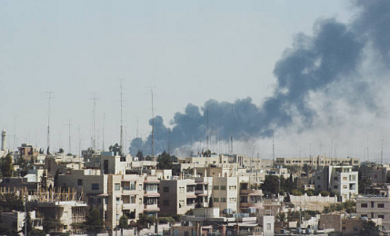
The conflict between Jordan and Palestinian militants, known as the Black September event, was a significant chapter in the history of the region. The tensions stemmed from the presence of Palestinian refugee camps in Jordan following the Arab-Israeli conflict. The Palestinian militants, seeking to establish their own state, posed a challenge to the Jordanian government's authority. The situation escalated into a full-blown conflict as both sides engaged in violent confrontations.
The impact of the Black September conflict was profound, resulting in significant casualties and widespread destruction. The Jordanian government, under the leadership of King Hussein, launched military offensives to suppress the Palestinian resistance, leading to a destabilized region with long-lasting consequences. The conflict also had implications on the geopolitical landscape of the Middle East, as neighboring countries closely monitored the developments.
In the aftermath of the conflict, Jordan emerged as a more assertive player in regional politics, solidifying its position in the Arab world. The Black September event highlighted the complexities of the Israeli-Palestinian conflict and underscored the challenges of managing refugee populations in the region. The legacy of the conflict continues to resonate, shaping discussions around security, sovereignty, and the quest for peace in the Middle East.
#Jordan #PalestinianConflict #Geopolitics #MiddleEast #Refugees
View details1967
The Six-Day War with Israel was a conflict initiated by a culmination of tensions between Israel and its neighboring Arab countries. Jordan, alongside Egypt, Syria, and Iraq, amassed troops and military resources against Israel. The war began with Israel launching preemptive strikes on Egyptian airfields, leading to a swift and decisive Israeli victory. Jordan lost control of the West Bank and East Jerusalem to Israeli forces, who also gained strategic territories like the Golan Heights from Syria and the Sinai Peninsula from Egypt in just six days.
The impact of the war was significant, as Israel's territorial gains transformed the geopolitical landscape of the Middle East. The loss of the West Bank and East Jerusalem was a severe blow to Jordan, resulting in a large Palestinian population coming under Israeli control. The war further entrenched hostilities between Israel and its Arab neighbors, setting the stage for future conflicts and complicating prospects for peace in the region.
#SixDayWar #Israel #Jordan #MiddleEastGeopolitics #TerritorialConflict #WarImpact
View details1958
Jordan and neighboring Hashemite Iraq formed the Arab Federation to counterbalance the emerging influence of the United Arab Republic, a union between Egypt and Syria led by Nasser. The Hashemite King of Jordan, Hussein, sought to fortify his position against the Nasserist regime, which threatened the stability of the region and posed a challenge to his rule.
The Arab Federation aimed to create a strong alliance in response to the United Arab Republic's expansionist goals. By joining forces, Jordan and Iraq hoped to protect their interests and preserve their monarchies against the pan-Arab nationalism championed by Nasser. The union symbolized a strategic move to resist the growing influence of Egyptian leadership in the Arab world.
However, internal tensions, external pressures, and conflicting ideologies ultimately led to the dissolution of the Arab Federation after a short-lived existence. Despite its brief duration, the formation of the federation highlighted the complex geopolitical dynamics and power struggles that defined the Middle East during that era.
#ArabFederation #Nasserism #GeopoliticalStruggles
View details1957
In 1957, Jordan and the United States signed a Mutual Defense Treaty to strengthen their military cooperation. This treaty aimed to enhance Jordan's security and stability amidst growing regional tensions.
The background of the treaty dates back to the Cold War era when the United States sought alliances in the Middle East to counter Soviet influence. Jordan, strategically located in a volatile region, viewed this treaty as a means to bolster its defense capabilities and deter potential threats.
The impact of the treaty was significant as it provided Jordan with military assistance and cooperation from the United States. This partnership not only strengthened Jordan's defense capabilities but also solidified its alliance with a major global power.
The signing of the Mutual Defense Treaty with the United States marked a turning point in Jordan's security strategy, shaping its defense policies for years to come. The treaty symbolized a commitment to mutual security and cooperation between the two nations.
#Jordan #UnitedStates #MutualDefenseTreaty #MilitaryCooperation #SecurityAlliance
View details1956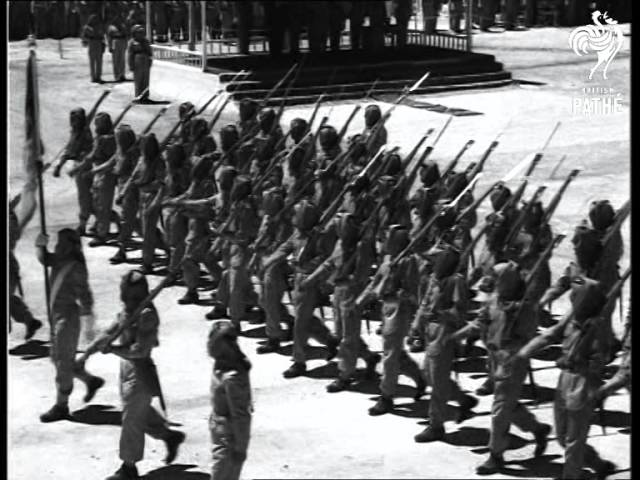
A crisis erupted when the dismissal of British officers from the Arab Legion was announced. The Arab Legion, a key component in Jordan's military, had long been influenced by British military advisors. The decision to remove these officers created tension and uncertainty within the legion and the country.
The impact of this crisis was significant as it threatened the stability of Jordan's military and could potentially weaken its defense capabilities. The abrupt departure of experienced British officers left a void in leadership and expertise, raising concerns about the legion's effectiveness in ensuring the country's security.
The crisis over the dismissal of British officers from the Arab Legion underscored Jordan's efforts to assert its independence and sovereignty. It highlighted the complexities of managing foreign influences within the country's military establishment and the challenges of transitioning to a more self-reliant defense strategy.
This event marked a turning point in Jordan's military history, prompting a period of reflection and restructuring within the Arab Legion. It also brought attention to Jordan's evolving role in the region and its efforts to navigate geopolitical dynamics with autonomy and resilience.
#Jordan #ArabLegion #BritishOfficers #MilitaryCrisis #Independence
View details1955
Jordan's admission to the United Nations marked a pivotal moment in the country's diplomatic history. After gaining independence in the aftermath of World War II, Jordan sought international recognition to solidify its sovereignty. The United Nations provided a platform for Jordan to engage on a global scale and participate in decision-making processes affecting the international community.
By becoming a member of the United Nations, Jordan gained a voice in discussions pertaining to peace and security, human rights, and economic development. This membership elevated Jordan's status on the world stage and allowed it to forge alliances with other nations. Additionally, it enabled Jordan to access resources and support from UN agencies to address domestic challenges and promote sustainable growth.
The inclusion of Jordan in the United Nations exemplified the organization's commitment to fostering cooperation among nations and upholding the principles of equality and sovereignty. It symbolized Jordan's integration into the global community and its dedication to promoting peace and stability in the region.
#Jordan #UnitedNations #Diplomacy #GlobalRecognition #PeaceBuilding
View details1953
In 5/2/1952, following the passing of King Talal, his son, King Hussein, ascended to the throne at the age of 17, becoming the world's youngest reigning monarch at that time. King Hussein was faced with the task of leading Jordan through a period of political and social change. His accession marked the beginning of a long and influential reign characterized by efforts to modernize the country's infrastructure, improve education, and navigate the complexities of regional and international politics.
During his reign, King Hussein played a key role in fostering stability in the region, particularly during times of conflict and tension. He was known for his diplomacy and efforts to promote peace, which earned him respect across the globe. Additionally, King Hussein was instrumental in strengthening Jordan's relations with other countries, as well as in advocating for Palestinian rights and working towards a peaceful resolution to the Arab-Israeli conflict.
Under his leadership, Jordan experienced periods of growth and development, as well as challenges and setbacks. King Hussein's legacy continues to endure, with his reign remembered as a significant chapter in Jordan's history.
#Jordan #KingHussein #Peace #Diplomacy
View details1950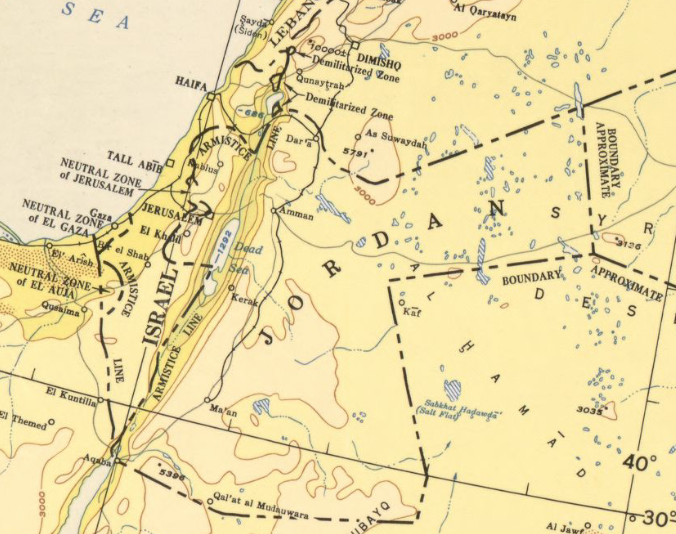
After the Arab-Israeli War, Jordan annexed the West Bank region. This move came after military engagements between Jordan and Israel, as well as the signing of armistice agreements. The annexation of the West Bank by Jordan was not internationally recognized, except by Great Britain and Pakistan.
The impact of the annexation was significant. It resulted in Jordanian administration over the West Bank, including the Old City of Jerusalem. Jordan granted citizenship to the Palestinians living in the West Bank during this period. The annexation also heightened tensions in the region, as it further complicated the Israeli-Palestinian conflict and the question of Palestinian statehood.
This event marked a turning point in the history of the region, shaping the geopolitical landscape and setting the stage for future conflicts and negotiations. The annexation of the West Bank by Jordan remains a controversial and complex issue, with lasting implications for the Middle East.
#Jordan #WestBank #Annexation #ArabIsraeliConflict #Geopolitics
View details1947
In 1947, Bedouin shepherds stumbled upon a collection of ancient manuscripts inside caves near the Dead Sea. These scrolls, now known as the Dead Sea Scrolls, consisted of biblical texts, hymns, prayers, and community rules dating back over 2,000 years. The discovery shed light on the religious and historical significance of the scrolls, offering valuable insights into the beliefs and practices of an ancient Jewish sect.
Upon further examination by scholars, the Dead Sea Scrolls were found to be remarkably well-preserved, providing a wealth of information on religious thought and daily life during the time of their creation. The scrolls also helped to validate the accuracy of existing biblical texts and offered new perspectives on the development of religious traditions.
The impact of the discovery of the Dead Sea Scrolls cannot be overstated, as it revolutionized the understanding of Judaism and Christianity's origins. The scrolls continue to be a subject of study and fascination for historians, archaeologists, and religious scholars around the world, acting as a crucial link to the past and shaping our understanding of ancient societies.
#DeadSeaScrolls #AncientManuscripts #ReligiousHistory #ArchaeologicalDiscovery
View details1946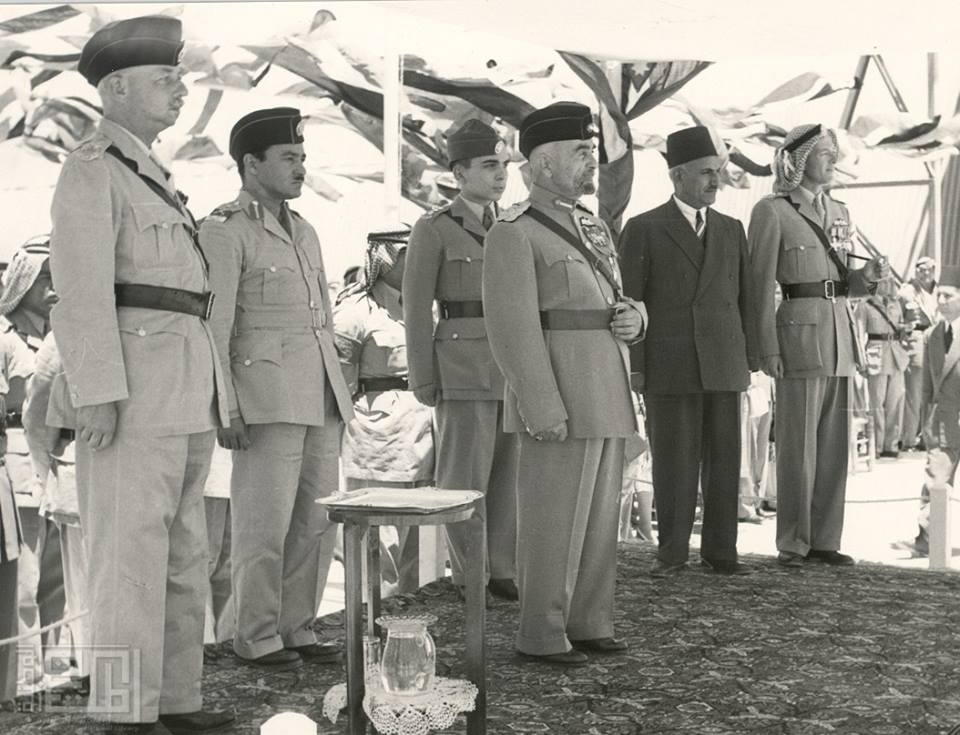
Following the end of the era of British control in the Middle East, Transjordan successfully secured its independence. The region's long history of being under British administration shifted as Transjordan gained the autonomy to govern itself. This pivotal step towards self-rule marked a significant milestone in the nation's journey towards sovereignty.
This achievement paved the way for the establishment of the Hashemite Kingdom of Transjordan, later known as Jordan, under the leadership of King Abdullah I. The newfound independence allowed the country to shape its own identity, policies, and future path. The leadership of King Abdullah I played a crucial role in steering the nation towards stability and progress, solidifying its place in the international community.
The independence of Transjordan from British colonial rule brought about a period of nation-building, economic development, and diplomatic engagement. It allowed the country to forge its own relationships with other nations, contributing to its geopolitical influence in the region. This event symbolized a defining moment in the history of Jordan, showcasing its resilience and determination to chart its own course.
#TransjordanIndependence #JordanHistory #SovereigntyJourney
View details1921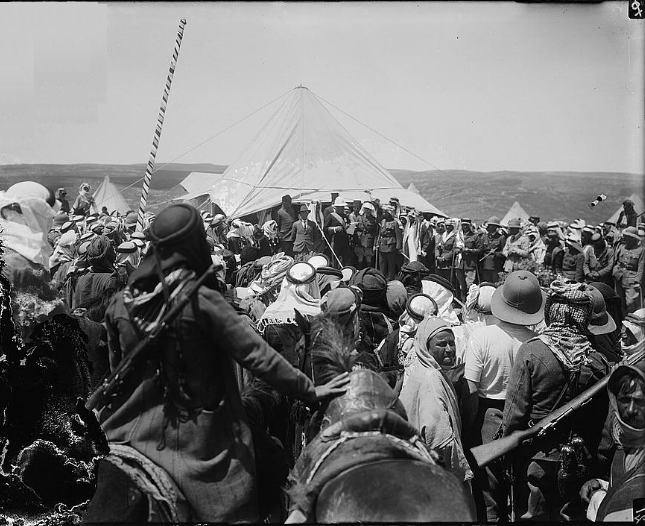
Following the collapse of the Ottoman Empire and the end of World War I, the region of Transjordan came under British control. In 1921, the Emirate of Transjordan was established as a separate entity under British mandate. This move aimed to stabilize the region and address the complexities arising from the post-war territorial divisions.
The establishment of the Emirate of Transjordan under British mandate had significant implications for the political landscape of the Middle East. It marked the beginning of a distinct administrative and political identity for the region, paving the way for further developments leading to the eventual independence of Jordan. The Emirate was initially under the leadership of Emir Abdullah, a key figure in the Hashemite dynasty, whose governance played a crucial role in shaping the future of the territory.
The Emirate of Transjordan's formation under British mandate set the stage for the emergence of an independent Jordanian state in the ensuing years. It laid the foundation for the country's socio-political trajectory and its place in the broader international arena. The event exemplified the intricate intersection of colonial interests, regional dynamics, and local aspirations that defined the period.
#EmirateofTransjordan #BritishMandate #PoliticalTransformation #HashemiteDynasty
View details1920
Following the dissolution of the Arab Revolt in the early 1920s, the Hashemite Emirate of Transjordan was established, leading to the formation of the Jordanian Armed Forces. This development was crucial in consolidating the region's security and asserting its independence.
The establishment of the Jordanian Armed Forces marked a pivotal moment in the history of Jordan, as it laid the foundation for a professional military organization to safeguard the country's sovereignty and territorial integrity. Comprising various branches, including the army, air force, and navy, the Jordanian Armed Forces played a vital role in defending the nation and maintaining stability in the region.
Over the years, the Jordanian Armed Forces have evolved into a well-trained and equipped military force, actively participating in peacekeeping missions, combating terrorism, and providing disaster relief both domestically and internationally. Their contributions have been crucial in promoting regional security and fostering diplomatic relations with neighboring countries and international partners.
The establishment of the Jordanian Armed Forces stands as a testament to the country's commitment to national security and defense, reflecting its determination to safeguard its borders and ensure peace and stability in the region. #Jordan #ArmedForces #Security #Independence
View details1918
The Battle of Ma'an transpired in southern Jordan during World War I, between the Ottoman Empire and the Sharif of Mecca's forces. The Sharif aimed to weaken Ottoman control over the region and strengthen Arab independence aspirations. The battle was part of the Arab Revolt against Ottoman rule, supported by British forces.
The city of Ma'an, strategically located on a trade route, was a crucial point in the conflict. The Sharif's forces, led by his sons Ali and Faisal, engaged the Ottoman troops in fierce combat. The battle resulted in heavy casualties on both sides, with the Ottomans eventually retreating from the city.
The Battle of Ma'an had significant repercussions in the region. It boosted morale among Arab forces and bolstered their resolve to fight for independence. The Ottomans suffered a blow to their control over the Arabian Peninsula, paving the way for the dismantling of their empire post-war.
This historic event symbolizes the struggle for Arab self-determination and the shift in power dynamics in the Middle East during World War I. It highlights the collaboration between Arab fighters and British forces against the Ottoman Empire, contributing to the eventual downfall of Ottoman rule in the region. #BattleofMaan #ArabRevolt #OttomanEmpire #Jordan #Independence #WorldWarI
View details1892
The opening of the Jaffa-Jerusalem railway with a station in what is now Jordan marked a pivotal moment in the region's transportation history. The railway was a part of the Ottoman Empire's efforts to modernize its infrastructure. The construction of the railway facilitated the movement of goods and people between Jaffa and Jerusalem, significantly reducing travel time and costs.
The railway station in what is now Jordan served as a crucial link in the transportation network, connecting the region to the broader Ottoman Empire. It played a vital role in facilitating trade and travel, boosting economic activities in the area. The station became a bustling hub, welcoming travelers and goods from various parts of the empire.
The opening of the Jaffa-Jerusalem railway with a station in what is now Jordan had a lasting impact on the region's development. It fostered closer ties between different cities and regions, promoting cultural exchange and economic growth. The railway station became a symbol of connectivity, progress, and modernization in the region.
#JaffaJerusalemRailway #JordanTransportationHistory #OttomanEmpireModernization
View details1875
In the year 1875, American Protestant missionaries initiated the establishment of schools in Jordan. These missionaries, driven by their faith and commitment to education, played a pivotal role in shaping the educational landscape of the region.
The introduction of schools by the American missionaries had a profound impact on the local communities in Jordan. It provided access to education for many individuals who previously did not have the opportunity to learn and grow. The schools became centers of knowledge and empowerment, equipping students with valuable skills and opening doors to a brighter future.
Through these educational institutions, the missionaries sought to not only impart academic knowledge but also to share their beliefs and values with the students. This cultural exchange enriched the fabric of Jordanian society, fostering understanding and mutual respect between different cultures.
The legacy of the American Protestant missionaries' schools in Jordan endures to this day, with education continuing to be a cornerstone of development and progress in the region. Their pioneering efforts laid the foundation for a more educated and enlightened society, leaving an indelible mark on the history of Jordan.
#AmericanMissionaries #EducationInJordan #CulturalExchange #LegacyOfLearning
View details1617
In 1917, the construction of Aqaba Fortress was initiated to safeguard the strategic Great Hejaz Railway in Jordan. The fortress was strategically positioned overlooking the Gulf of Aqaba, serving as a vital defensive structure in the region. It aimed to protect the railway from incursions and attacks during a turbulent period of regional conflicts.
The fortress played a crucial role in enhancing security measures for the railway, which was fundamental for transportation and trade in the area. Its presence helped in ensuring the smooth operation of the railway, which was essential for connecting the Levant region with the Arabian Peninsula. Additionally, it served as a symbol of strength and resilience in the face of potential threats to the railway's operations.
The construction of the Aqaba Fortress represented a strategic initiative to safeguard regional stability and economic prosperity by protecting vital transportation routes. It highlighted the significance of infrastructure protection in fostering trade and connectivity across different regions. The fortress's historical importance continues to resonate in Jordan as a testament to the efforts put forth to safeguard key assets in the region.
#AqabaFortress #HejazRailwayProtection #JordanHistory
View details1594
Saladin's Fortress in Ajloun, a crucial stronghold in the region, was renovated by the Ottoman Sultan Murad III. The fortress, strategically located in Ajloun, Jordan, was originally built by Saladin in the 12th century to protect against Crusader invasions.
Sultan Murad III initiated the restoration to bolster the defenses of the fortress and enhance its strategic importance. The renovation work included strengthening the walls, improving living quarters, and upgrading the weaponry storage facilities. This revitalization effort aimed to ensure the fortress was well-equipped to withstand any potential threats in the region.
The renovation of Saladin's Fortress in Ajloun by Sultan Murad III had a lasting impact on the region. It reinforced the fortress's position as a key defensive structure, contributing to the stability and security of the area. The enhanced capabilities of the fortress also played a vital role in safeguarding the trade routes and maintaining control over the surrounding territories.
The restoration of Saladin's Fortress by Sultan Murad III underscores the historical significance of the site and its enduring relevance in the geopolitical landscape of the region. It serves as a testament to the strategic foresight of the Ottoman Empire in fortifying key strongholds for defense and control.
#SaladinsFortress #Ajloun #OttomanSultan #FortressRestoration #JordanHistory
View details1535
In 1535, the Ottoman Empire expanded its administrative control to include Jordan, incorporating this region into its vast network of territories. This move was part of the Empire's broader strategy to exert authority over strategic areas and enhance its influence in the Levant region.
The establishment of Ottoman administrative control over Jordan brought about several significant changes. The Ottomans implemented a centralized system of governance, introducing new administrative structures, tax policies, and legal frameworks. They also bolstered security measures to maintain order and uphold their authority.
The impact of this administrative takeover was profound. It reshaped the political landscape of Jordan, shifting power dynamics and fostering closer ties between the local population and the Ottoman administration. The Ottoman rule brought stability and cohesion to the region, albeit under centralized control.
This event marked a crucial turning point in the history of Jordan, setting the stage for centuries of Ottoman rule and leaving a lasting imprint on the socio-political fabric of the territory. The legacy of Ottoman administrative control over Jordan endured long after their rule had ended, influencing the region's development and identity in profound ways.
#OttomanEmpire #AdministrativeControl #JordanHistory #EmpireExpansion #CentralizedGovernance
View details1517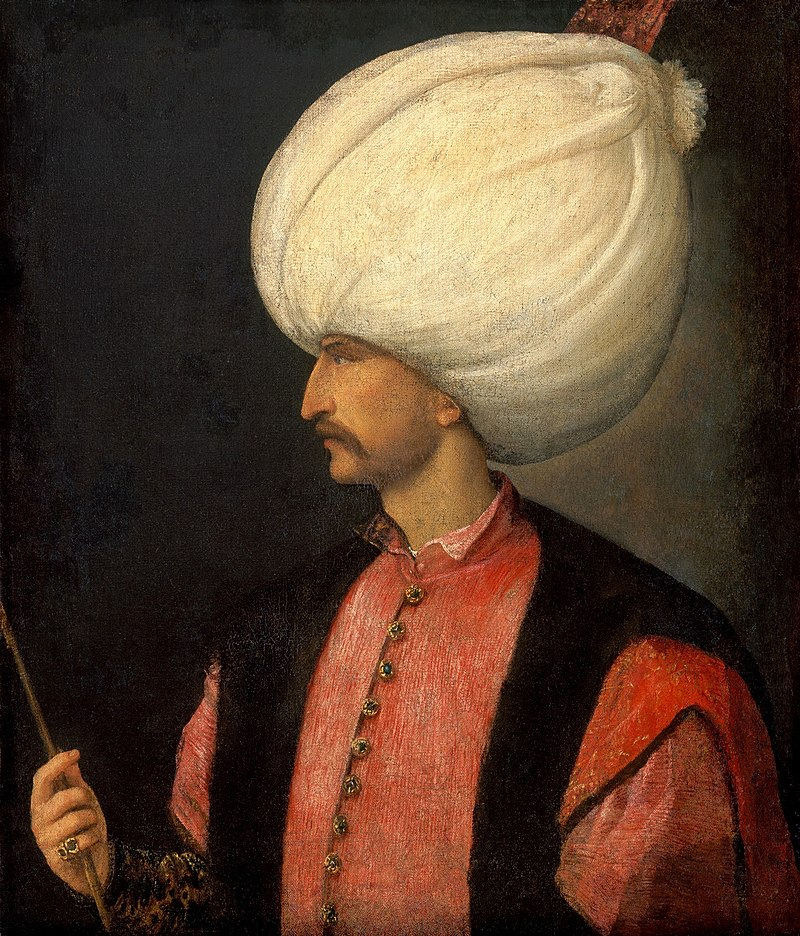
In the early 16th century, the Ottomans, led by Suleiman the Magnificent, captured Jerusalem which was then under Mamluk control. The Ottoman Empire's conquest of this key city in the Levant marked a significant shift in power dynamics in the region.
The capture of Jerusalem by the Ottomans had far-reaching implications for the religious landscape as the city held immense significance for Christians, Muslims, and Jews. Suleiman's control over the holy sites in Jerusalem solidified the Ottoman Empire's influence over the religious affairs of the region.
Under Ottoman rule, Jerusalem experienced a period of significant architectural and infrastructural development, with the construction of several monuments and public works that still stand to this day. The Ottomans also implemented administrative reforms that reshaped the governance of the city.
The capture of Jerusalem by the Ottomans under Suleiman the Magnificent underscores the enduring geopolitical significance of the city and its ability to shape the course of history in the Middle East.
#OttomanEmpire #Jerusalem #SuleimanTheMagnificent #Levant #Geopolitics #HistoricalImpact #ReligiousSignificance #ArchitecturalDevelopment #MiddleEastHeritage
View details1516
The Ottoman Empire, under the leadership of Sultan Selim I, successfully expanded its territories by conquering Jordan. This conquest resulted in the incorporation of Jordan into the vast Ottoman Empire, transforming the region's political landscape.
With the Ottoman Empire's arrival, a new administration was established, integrating Jordan into the empire's administrative structure. The Ottomans implemented various reforms, including the introduction of new laws and taxation systems. They also constructed numerous buildings and infrastructure projects, leaving a lasting architectural legacy in Jordan.
The Ottoman conquest of Jordan had a profound impact on the social and cultural fabric of the region. The empire's rule brought about changes in governance, trade, and daily life, influencing Jordanian society for centuries to come. Jordan became an integral part of the Ottoman Empire, contributing to its economic prosperity and cultural exchange.
The Ottoman Empire's conquest of Jordan marked a significant chapter in the region's history, shaping its identity and heritage. The legacy of this event can still be seen in Jordan's architecture, cuisine, and traditions, reflecting the enduring influence of Ottoman rule.
#OttomanEmpire #ConquestOfJordan #SultanSelimI #HistoricalLegacy #CulturalExchange
View details1319
During the 14th century, the Ilkhanate, a part of the Mongol Empire, incorporated Jordan into its vast territory. This event reshaped the political landscape of the region, as the Ilkhanate extended its influence over Jordan. The incorporation brought significant changes to the administration, economy, and culture of the region.
Under Ilkhanate rule, Jordan experienced a period of stability and economic prosperity. The Mongols implemented efficient administrative systems, facilitating trade and communication within the empire. This led to the growth of cities and the development of infrastructure in Jordan.
Culturally, the Mongol influence brought about a blending of traditions from both the East and the West, enriching the cultural fabric of Jordan. This period also witnessed the exchange of ideas and technologies between the Ilkhanate and the local population, contributing to advancements in various fields.
Overall, the incorporation of Jordan into the Ilkhanate had a lasting impact on the region, shaping its political, economic, and cultural landscape for years to come. This event highlights the interconnectedness of different empires and cultures in the medieval world, showcasing the exchange of knowledge and resources that characterized this period.
#IlkhanateIncorporation #MongolEmpireExpands #CulturalExchange #JordanHistory
View details1303
The Battle of Marj al-Saffar saw the Mamluks, led by Baibars, clash with the Mongols in a decisive confrontation. The Mongols, under the Ilkhanate, aimed to expand their empire into the Levant region. Baibars and his Mamluk forces, determined to defend their territories, met the Mongols on the battlefield.
The confrontation was fierce, with both sides demonstrating military prowess. However, Baibars employed strategic maneuvers, utilizing the terrain and his troops' expertise to gain the upper hand. The Mamluks managed to outmaneuver the Mongols and inflict significant losses upon their forces.
The outcome of the Battle of Marj al-Saffar was a resounding victory for the Mamluks. The Mongols retreated, their ambitions of territorial expansion thwarted by Baibars and his skilled warriors. This triumph solidified the Mamluks' position in the region and ensured the defense of their territories against further Mongol incursions.
The impact of this battle was profound, shaping the geopolitical landscape of the Levant and safeguarding the Mamluk Sultanate's dominance in the region. Baibars' leadership and military acumen were instrumental in securing this crucial victory, which has since been remembered as a pivotal moment in Jordan's history.
#BattleOfMarjAlSaffar #Mamluks #Mongols #Baibars #Jordan #HistoricalBattle
View details1294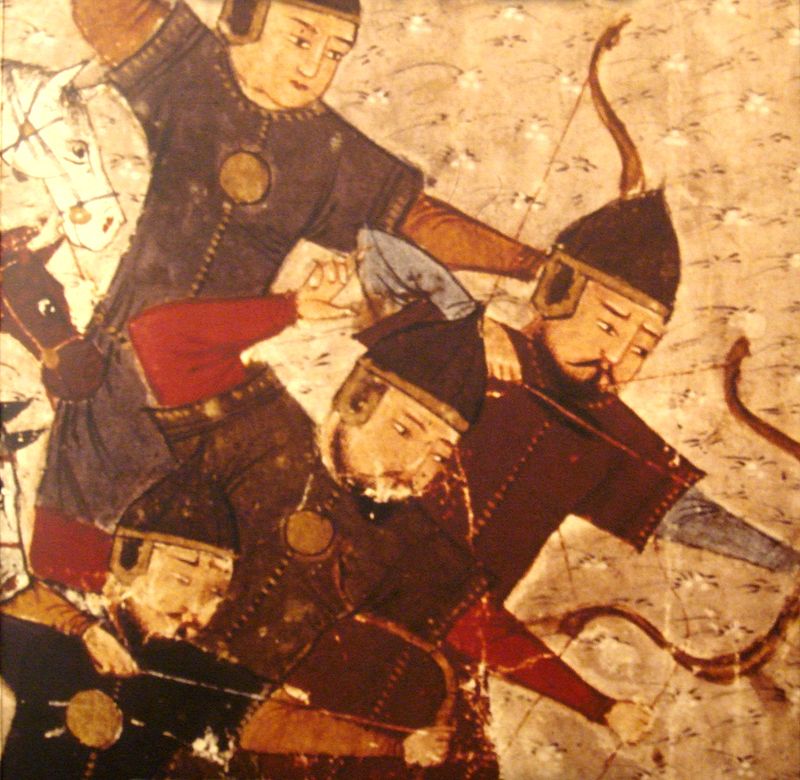
Ayla, known today as Aqaba, was seized by the Mamluks under the rule of Sultan Al-Adil Kitbugha. The Mamluks were a powerful military caste of slave soldiers who had risen to prominence in the Islamic world. Ayla was a strategic coastal city located on the Red Sea, with a history dating back to ancient times as a vital port for trade and military expeditions.
The capture of Ayla by the Mamluks had a significant impact on the region. It solidified Mamluk control over the lucrative trade routes and strengthened their influence in the area. Ayla's capture also disrupted the power dynamics among the various local and regional powers vying for control of the Red Sea trade.
Sultan Al-Adil Kitbugha's successful campaign to capture Ayla demonstrated the military might and strategic acumen of the Mamluks. The event marked another conquest in the expansion of the Mamluk territory and further established their dominance in the region.
The capture of Ayla by the Mamluks under Sultan Al-Adil Kitbugha reshaped the political landscape of the Red Sea region, solidifying Mamluk control and influence over key trade routes. #Aqaba #Mamluks #SultanAlAdilKitbugha #RedSea #TradeRoutes
View details